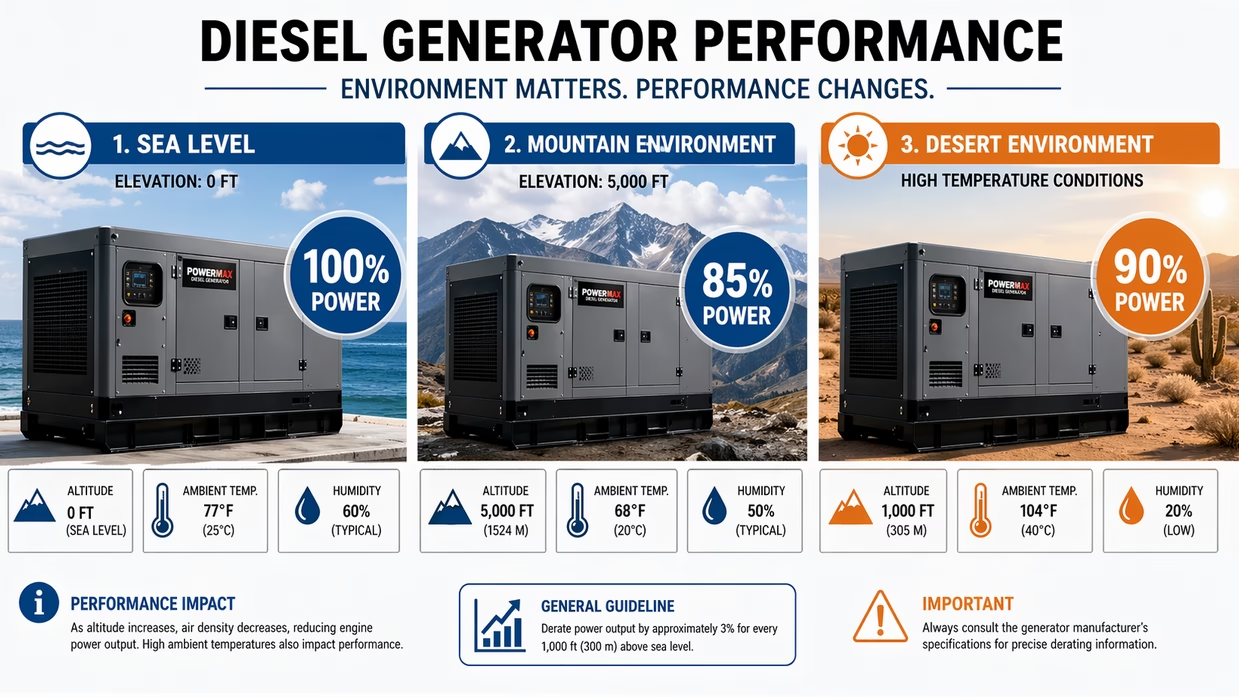
Your generator’s nameplate says 10kW. But at 5,000 feet, it may only give 8.5kW. That gap is derating. It’s not a flaw. It’s a safety step. Engineers lower output on purpose. They protect your unit from heat, thin air, and moisture.
This guide breaks down the three big factors: altitude, temperature, and humidity. You’ll learn simple rules. You’ll see real examples. And you can use our free generator derating calculator to size your unit right. We show the math. We show the limits. We show the fixes. No guesswork. Just clear, honest help.
What Is Generator Derating? (And Why It’s Not a Defect)
Derating means lowering power output on purpose. It keeps your generator safe. It is not a defect. Manufacturers do this to stop overheating. They protect windings. They avoid fuel starvation. Your unit lasts longer this way.
Standby, prime, and continuous ratings differ. Standby is for short outages. Prime runs longer with variable load. Continuous runs at full load, non-stop. Know your use case. Pick the right rating.
Some think derating means a broken unit. That’s a myth. It’s a smart design choice. Standards like ISO 8528 derating standards guide these limits. They keep performance honest.
If you’re sizing a unit, start with your real load. Our diesel generator sizing guide walks you through each step. And if you need to switch between kW and kVA, our kw to kva converter guide makes it simple.
How Altitude Reduces Generator Capacity
The Science of Thin Air & Combustion
Air gets thinner as you climb. Less oxygen reaches the engine. Fuel burns weaker. Power drops. Cooling fans also move less dense air. Heat builds faster. This hurts generator cooling efficiency. It affects diesel generator altitude correction and generator performance at high elevation. Turbocharged units handle thin air better. They force more oxygen in. But even they have limits.
Standard Derating Rules
Here are simple rules to follow:
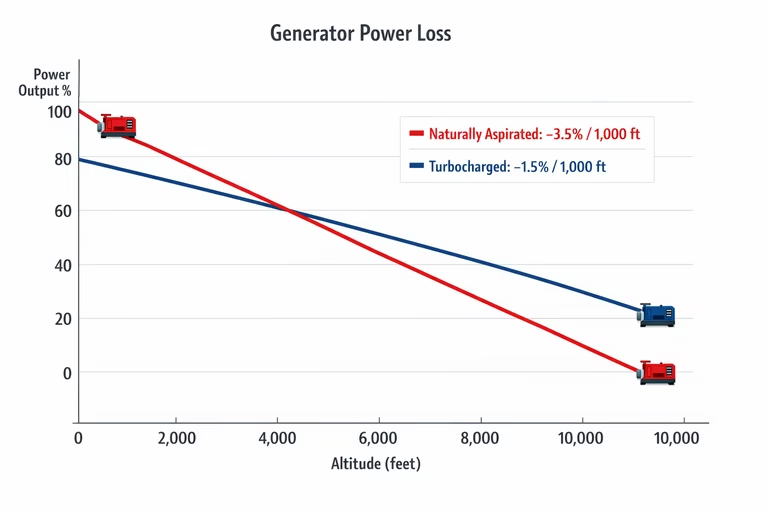
- Naturally aspirated engines lose about 3.5% power per 1,000 feet.
- Turbocharged engines lose 1% to 2% per 1,000 feet.
- Most standard units work up to 8,000 feet with minor tweaks.
Example: A 10kW generator at sea level. At 5,000 feet, it may deliver only 8.5kW. That’s a real drop. Plan for it.
Use our generator derating calculator to see your exact numbers. It factors in your height, heat, and load.
When Altitude Derating Stops Applying
Above 10,000 feet, most standard generators need big changes. You may need a special high-altitude engine. Fuel type matters too. Diesel, gasoline, and natural gas generator heat loss patterns differ. Natural gas units can lose more power in thin air.
If you run motors, remember startup surges. A motor can draw 3x its running current at start. Our guide on motor starting surge explains why your generator trips on startup. Size up to handle that spike.
For more help picking a unit, see our best diesel generators by kva tier list. It matches power tiers to real-world needs.
High Temperature & Generator Capacity Loss
How Heat Affects Cooling & Electrical Efficiency
Heat changes everything. Warm air holds less energy. Your generator’s cooling system works harder. Radiators and fans move hot air. That air cannot carry heat away well. Inside, copper windings heat up. Hot copper resists electricity flow. Power output drops. This hurts generator cooling efficiency. It also raises natural gas generator heat loss. Most units rate output at 40°C (104°F). Go above that. Expect a drop. Every 5°C rise can cut power by 1% to 2%. That adds up fast.
Real-World Temperature Derating Curves
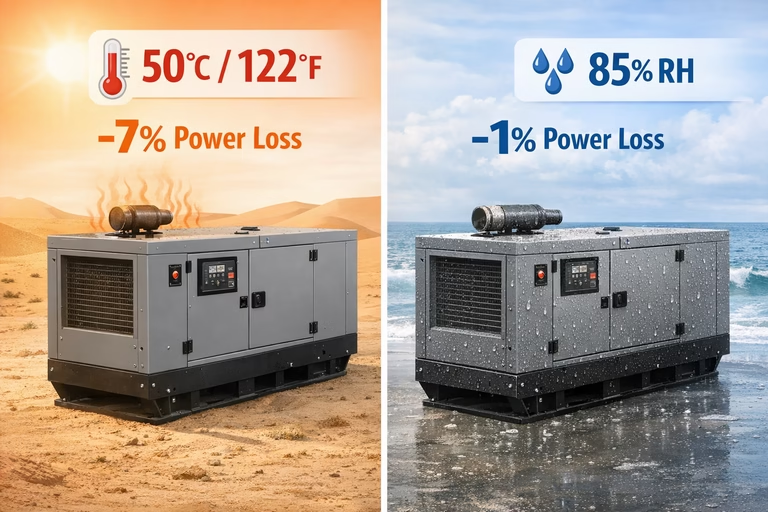
Numbers help you plan. At 50°C (122°F), expect a 5% to 7% loss. At 60°C (140°F), loss hits 10% to 12%. Many units shut down for safety past this point. Humidity makes heat feel worse. It also lowers air density. That compounds power loss. These curves follow ISO 8528 derating standards. They keep ratings honest across brands. If you size a unit for a hot zone, plan for the drop. Generator sizing for hot climates needs that extra buffer. A 20kW unit at 45°C may only give 17.5kW. Know that before you buy.
Preventing Overheating in Hot Climates
You can fight heat. Give your generator space. Keep three feet clear on all sides. This helps airflow. Use exhaust deflectors to push hot air away. Run heavy loads in the cool morning hours. Clean air filters often. Dust blocks cooling. Check coolant levels weekly in summer. If your unit sits in direct sun, add a shade cover. But never block vents. Watch your load meter. If it climbs past 80%, ease up. A generator derating calculator can show your safe limit. Use it. It saves stress and fuel.
Humidity’s Hidden Impact on Generator Performance
Moisture, Air Density & Combustion Efficiency
Humidity means water in the air. Water vapor takes space. That leaves less room for oxygen. The engine gets a weaker air mix. Fuel burns less complete. Power dips slightly. The hit is small, about 1% max. But it adds to heat and altitude losses. Generator performance at high elevation gets worse with moist air. Plan for the stack-up. Small losses together become a big gap.
Insulation, Condensation & Long-Term Risks
Wet air brings hidden risks. At night, cool metal meets warm, moist air. Water condenses on windings. Over time, that moisture causes rust. It can weaken insulation. Weak insulation leads to shorts. Shorts cause failures. This is a slow problem. You won’t see it today. But in a year, your unit may struggle. Keep standby generators in dry spaces. Use small space heaters or silica packs. They stop condensation. A quick check each season helps.
When Humidity Matters Most
Humidity hits hardest near coasts. Tropical zones feel it year-round. Rainy seasons raise moisture levels. If you live in these areas, size up your unit. Add a 5% buffer for humid days. Store fuel with stabilizer. Moisture can spoil fuel fast. Test your generator under real load. Do this in the wet season. You’ll see true output. That truth guides smart choices. It also protects your investment. A little care now avoids big repairs later.
How to Calculate Your Generator’s True Output
A Simple Step-by-Step Method
Start with your nameplate kW. That is your sea-level, perfect-world number. Now adjust for your real world. Step one: find your altitude. For every 1,000 feet, cut power by 3.5% for standard engines. Turbo units lose less, about 1% to 2%. Step two: check your max temperature. Base rating is 40°C. For every 5°C above that, trim another 1% to 2%. Step three: add humidity if it stays above 80%. That is a small 1% cut. Step four: compare the result to your peak load. Add a 15% safety margin. This buffer handles surges and future needs.
What the Calculator Won’t Tell You
Tools help. But they have limits. A generator derating calculator gives a baseline. It cannot see your fuel quality. It does not know your maintenance history. Voltage drop in long cables matters too. Load type changes the game. Motors draw huge current at start. Resistive loads like heaters are gentler. ISO 8528 derating standards guide the math. But real-world testing beats any formula. Run your unit under full load. Watch the meters. Note the heat. That data is gold. It shows true generator performance at high elevation or in heat. Use the calculator to plan. Use a load test to confirm.
Real-World Examples: Derating in Action
Mountain Cabin at 6,200 Feet
A family buys a 12kW diesel unit for their cabin. They live at 6,200 feet. Summer days hit 30°C. Standard derating rules apply. Altitude cuts power by about 22%. Heat trims another 4%. The math: 12kW x 0.78 x 0.96 = ~9.0kW. Their peak load is 8.5kW. They have a tiny buffer. A power surge could trip the unit. Solution: size up to 15kW next time. Or shed non-essential loads during startup.
Desert Construction Site at Sea Level
A crew uses a 20kW generator for tools. The site hits 45°C often. Altitude is zero. But heat derating applies. At 45°C, expect a 7% loss. 20kW x 0.93 = 18.6kW. Their tools need 17kW running. But a large saw draws 22kW at startup. That spike trips the breaker. Generator cooling efficiency drops in dust and heat. They add a shade canopy. They clean filters daily. They start the saw first thing in the morning. Problem eased.
Coastal Backup Unit in Humid Heat
A clinic keeps an 8kW standby generator. Coastal temps average 35°C. Humidity stays above 85%. Altitude is low. Heat cuts output by 5%. Humidity adds 1%. 8kW x 0.95 x 0.99 = ~7.5kW. Their critical loads need 7kW. They are close. But condensation risks wiring over time. They add a small space heater inside the enclosure. They test monthly during rainy season. Output stays steady. Trust stays high.
Best Practices to Minimize Derating Effects
Size Smart, Not Just Big
Buy for your worst day, not your best. If derating drops output below 85% of your peak load, size up. A 25% buffer handles heat, altitude, and surprise surges. Generator sizing for hot climates needs this cushion. It also covers future adds. Think ahead.
Keep Airflow Clean and Clear
Dust and heat are enemies. Clean air filters every month in harsh zones. Keep three feet of space around the unit. Never block vents. Use exhaust deflectors to push hot air away. Good airflow boosts generator cooling efficiency. It also lowers natural gas generator heat loss. Simple care prevents big drops.
Monitor, Maintain, and Test
Watch your load meter. If it climbs past 80%, ease up. Schedule heavy tasks for cooler hours. Change oil and coolant on time. Old fluids overheat faster. Test your unit under real load each season. Note the output. Track changes. Early warnings save repairs. A remote monitor can alert you to temp or load spikes. That peace of mind is worth it.
Protect Against Moisture
Humid air invites condensation. Store your generator in a dry spot. Add silica packs or a small heater for standby units. Use fuel stabilizer. Moisture spoils fuel fast. Check wiring for rust each spring. Dry, clean parts last longer. They also hold rating better. Small steps. Big payoff.
Frequently Asked Questions
Does derating void my generator warranty?
No. Derating does not void your warranty. Manufacturers expect it. They build derating into their specs. Overloading voids warranties. Running past your true capacity causes damage. That is on you. Follow the derating guide. Keep logs of load tests. You stay covered.
Can I reverse derating with a bigger air filter?
No. A bigger filter helps airflow. But derating comes from engine physics. Thin air means less oxygen. Heat raises resistance. Humidity displaces oxygen. Filters cannot fix that. Turbochargers help. But they have limits too. Focus on proper sizing. Not quick fixes.
Do inverter generators derate the same way?
Yes. Inverter generators use smart electronics. They clean up power for sensitive devices. But they still burn fuel. They still need oxygen. Heat still raises resistance. So yes, generator performance at high elevation drops for inverters too. They may handle heat a bit better. But the core rules still apply. Plan for the loss.
Should I buy a bigger generator or accept derating?
Size up if derating drops output below 85% of your peak load. A small buffer saves stress. It handles surges. It covers future needs. Generator sizing for hot climates needs this cushion. Use a generator derating calculator first. Then compare to your real load. If the gap is tight, go bigger. Peace of mind is worth the extra cost.
How often should I re-check my derating math?
Check it once a year. Or when your load changes. Add a new appliance? Re-run the numbers. Move to a higher location? Recalculate. Seasons change temps too. Summer heat cuts power more than winter. A quick check keeps you safe. It also saves fuel. Smart planning beats surprise failures.
🔌 Generator Sizing & Load Resources
Expert guides, calculators & case studies
Final Checklist Before You Buy or Run Your Generator
- Run the derating calculator first. Know your true output.
- Match that number to your peak load. Add a 15% safety margin.
- Pick a unit rated for your altitude and max temperature.
- Plan for ventilation. Keep three feet clear on all sides.
- Clean air filters monthly in dusty or hot zones.
- Test under real load each season. Note the output.
- Protect against moisture. Use silica packs or a small heater.
- Store fuel with stabilizer. Change it every six months.
- Watch your load meter. Ease up if it climbs past 80%.
- Keep this guide handy. Share it with your team.
You now know the rules. You have the tools. You can size with confidence. Your generator will last longer. It will run cleaner. And you will avoid costly surprises. That is smart power. That is peace of mind.