Power outages feel worse every year. Grid stress, extreme weather, and rising demand make reliable backup power a necessity, not a luxury. If you run a diesel generator buyer’s guide search today, you will find endless options. Most of them miss the real question. The right unit depends on your exact load, your duty cycle, and your local service network. This guide cuts through the noise.
We break down the best commercial diesel generator options by exact kVA tier. You will see which models thrive in quiet RV setups, which units dominate light commercial sites, and which industrial beasts handle continuous data center loads. We focus on proven USA and Europe brands like Cummins, Perkins, MTU, and Caterpillar. You will also learn how to size a diesel generator without guessing or overspending. I track forum consensus, dealer feedback, and real-world duty cycles so you avoid costly mistakes. Read on.
You will match power to purpose, protect your investment, and choose a set that actually lasts. Let us build your system right.
kVA vs. kW: Why Sizing Right Prevents Engine Failure
Many buyers confuse kVA and kW. They sound the same (You may use our kW to kVA converter guide). They measure different things. kVA measures total apparent power. kW measures the usable power that actually runs your tools. Diesel engines typically run at a standard power factor of 0.8. You can convert them in seconds. Master the kVA to kW conversion diesel formula to avoid guesswork. Multiply kVA by 0.8 to find kW. Divide kW by 0.8 to find kVA. This simple math protects your investment.
Undersizing a unit causes serious damage. Your engine fights heavy loads. Heat builds fast. Windings overheat. You will cut the lifespan in half. Oversizing creates a silent killer. Low load operation leads to wet stacking. Unburned fuel coats the exhaust system. Carbon clogs the injectors. The engine runs rough and burns oil. You want a clear sweet spot. Target 70 to 80 percent load for emergency backup. Target 80 to 90 percent for continuous prime power.
Here is a quick way to start your planning. List every device you plan to run. Find their running watts. Add a 25 percent buffer for motor startup surges. Convert that total to kVA using the 0.8 rule. A 10 kVA diesel generator usually covers essential home circuits. It handles fridges, sump pumps, and basic lighting. A 50 kVA diesel generator powers a small workshop or light commercial site. It runs HVAC units, air compressors, and heavy equipment without strain.
I recommend using a dedicated load profiling calculator before you spend a dollar. Guessing costs money. A proper sizing tool saves your engine and your budget. Match the actual load first. The brand debate comes later.
5 Critical Buying Factors Most Buyers Ignore
Most buyers stare at price tags. They forget five hidden traps. Those traps turn cheap units into expensive headaches. Let us fix that before you sign any paperwork.
First, check the duty cycle. You must know your exact operating mode. Standby units run only during outages. Prime sets handle daily load swings. Continuous models push power nonstop. Running a standby unit past its limit ruins the engine fast. You need a clear diesel generator duty cycle explained in simple terms before you commit.
Second, watch emissions rules. Local laws change fast. EPA tier 4 diesel generator requirements in the USA demand strict particulate filters and DEF systems. Europe follows Stage V standards. Ignoring these means fines or blocked installations. Always verify compliance for your exact location.
Third, map your local service network. A famous brand means nothing without nearby support. You need certified technicians who stock genuine parts. Check dealer ratings in your area first. Remote troubleshooting rarely fixes heavy mechanical failures.
Fourth, plan for fuel storage. Diesel does not last forever. It grows algae and traps moisture within six months. You will need biocide treatments and regular tank polishing. Neglect this step and your backup set fails when the grid drops.
Fifth, measure noise and enclosure specs. Open frames scream at full load. Soundproof canopies drop the sound to a steady hum. Check decibel ratings at seven meters. Your neighbors will thank you. Local zoning laws often enforce strict quiet hours too.
Best Diesel Generators by kVA Tier
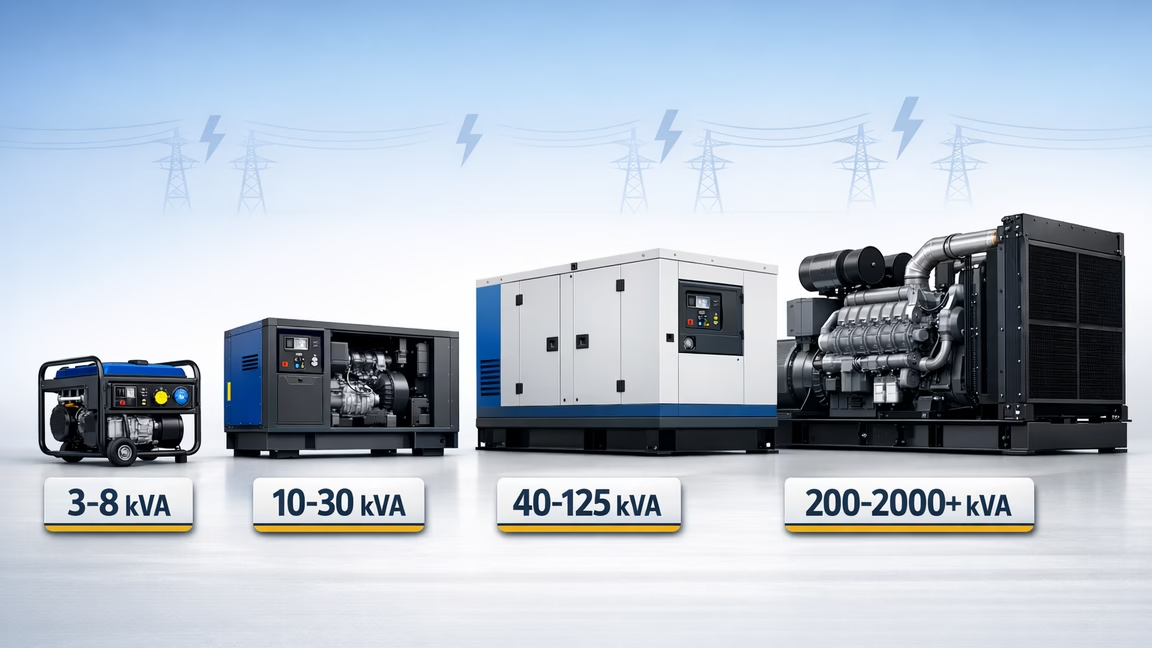
Let us break this down by real power needs. You do not buy a semi truck to deliver groceries. You do not buy a golf cart to haul freight. Match the tier to your daily load. We pulled these picks from active forum threads, dealer reports, and long term user reviews across the USA and Europe.
3–8 kVA (Tiny / RV / Home Backup)
This tier suits RVs, cabins, and light home circuits. You want quiet operation and steady fuel use. Onan Cummins engines dominate here. Users praise the five to seven point five kilowatt models for smooth continuous duty. Military surplus MEP-802A units also show up often. They run around six point two five kVA. Preppers love them for rugged build quality.
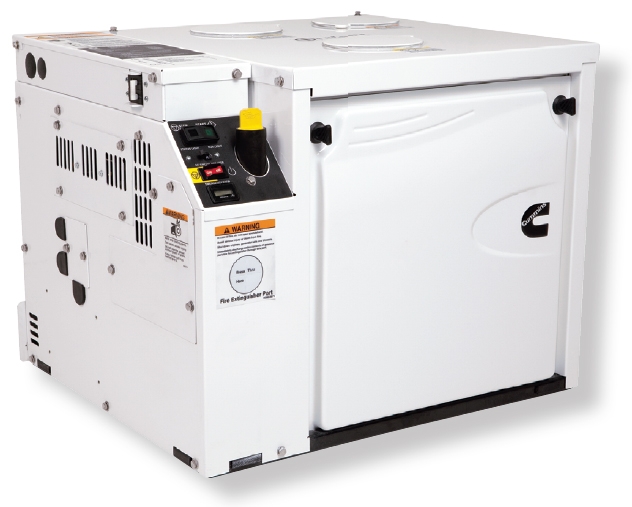
hey weigh a ton but cost little on the secondary market. Some forums mention small Perkins or Lombardini powered sets too. They work well if you accept extra noise and basic warranty terms. I always warn buyers about cheap no-name imports. They run fine at first. They lack long term parts support and genuine emissions certification. The best small diesel generator for home use always includes a local service dealer. Stick to proven names if reliability matters to you.
10–30 kVA (Small Residential / Light Commercial)
This range powers small shops, daytime backup, and light commercial sites. MQ Power DCA series models earn top marks for efficiency and all-day reliability. Power managers consistently rate them highest in this bracket. Cummins QD series sets also shine. Many owners run them for years without major repairs. They handle twenty four hour cycles better than budget alternatives. European buyers often pick Perkins engined SDMO or HIMOINSA units instead.
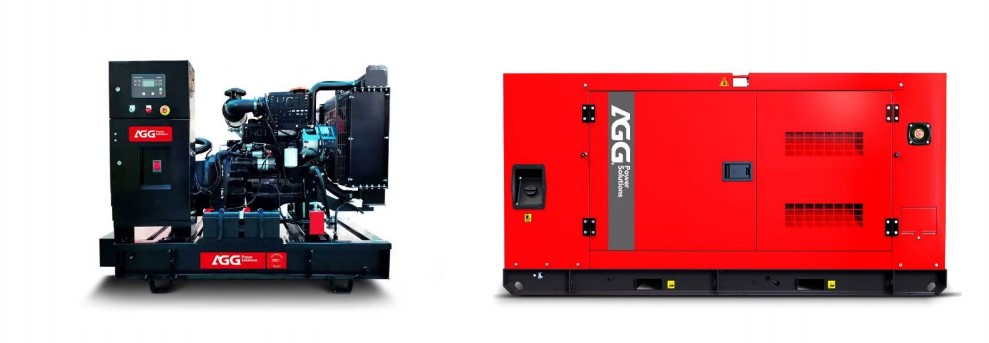
The fifteen to thirty kVA range offers solid default performance for EU estates. Dealers note these sets run slightly louder than Cummins builds. They still deliver excellent torque and steady voltage. When you check the 10 kVA diesel generator price across reputable sellers, expect a range between eight thousand and twenty two thousand dollars. Focus on dealer support and automatic transfer switch compatibility. These two features save you more money than upfront discounts.
40–125 kVA (Medium Commercial / Continuous Duty)
Telecom towers, mid size data centers, and rental fleets live in this tier. Cummins four B and six B series engines lead the budget conscious market. They handle heavy continuous duty without breaking the bank. MTU zero zero eight zero series builds dominate the premium space. Industrial forums call them top tier for mission critical uptime. You pay more upfront.

You gain faster parts delivery and longer run hours between overhauls. Perkins one thousand series sets also hold strong in European distribution networks. Users treat them as a safe baseline for fifty to hundred kVA loads. The rule stays simple. Choose Cummins for cost heavy operations. Choose MTU when downtime costs more than the machine itself. Buyers searching for a 50 kVA diesel generator commercial setup should verify load banking requirements first. Proper testing prevents wet stacking and extends engine life by years.
200–2000+ kVA (Large Industrial / Data Center)
Enterprise facilities, remote mining sites, and utility backup grids need massive power. Cummins K and QSK series sets rule the cost effective fleet market. Rental companies stack them for reliable standby duty. MTU two thousand and four thousand series models lead high uptime sites. European and global data centers pick them for long term support and tight emissions compliance. Caterpillar three five hundred series sets round out the top three.

They run incredibly tough in harsh remote environments. Fuel and parts cost more. The build quality justifies the premium for prime power applications. You will see a wide 2000 kVA diesel generator price range depending on switchgear, parallel controls, and enclosure specs. Professional engineering and load bank testing become mandatory here. Never skip UL compliance or parallel switchgear validation. Your facility runs on these units. Treat them like critical infrastructure.
Engine Brands vs. Set Builders: Why the Distinction Matters
Many buyers stare at the large logo on the enclosure and assume they know exactly what they are buying. They often miss a crucial detail. The company that designs the engine rarely builds the entire generator. Engine manufacturers focus on the power core. Companies like Cummins, Perkins, MTU, and Caterpillar engineer blocks, pistons, and fuel systems. Set builders take those cores and add alternators, control panels, fuel tanks, and soundproof housings. Brands like SDMO, HIMOINSA, MQ Power, Generac, and Kohler handle this packaging process. Understanding diesel generator brands explained this way saves you from costly mismatches and warranty voids.
You might see a Cummins engine SDMO generator sitting on a dealer lot. That is a standard and reliable pairing. Perkins engines power HIMOINSA frames worldwide. MTU cores sit inside custom industrial enclosures. The combination works perfectly when the builder follows strict integration standards. Problems start when builders mix unknown components. Mismatched alternators strain the crankshaft. Cheap control panels misread voltage and fry sensitive electronics. These shortcuts void manufacturer warranties and complicate repairs.
Always learn how to read a generator nameplate before you sign a contract. Look for three specific items. You need the exact engine model number. You need the alternator brand and frame size. You need the controller type. Cross check those specs with the builder’s certification list. A premium packaging brand means nothing if it houses a refurbished engine with zero service history. A budget set works fine if it uses a genuine Tier 4 engine from a reputable source.
I always advise buyers to prioritize the engine brand for long term reliability. Focus on the builder for enclosure quality and control panel features. Local technicians service the engine core. They swap filters. They tune injectors. They do not rebuild custom control boards. Choose a package that matches your actual duty cycle. Do not pay MTU premiums for a weekend cabin backup. Do not buy a flashy commercial enclosure that hides an uncertified power core. Match the heart to your load. Match the body to your environment. That simple rule keeps your warranty intact and your service bills low.
Diesel Maintenance & Longevity: The Hidden Costs Nobody Talks About
Buying the right generator only solves half the problem. How you maintain it decides whether it runs for twenty years or fails in three. Most buyers skip the service plan until something breaks. That habit costs a fortune in repairs and downtime. You need a clear diesel generator maintenance schedule from day one.
Oil and filter changes follow your duty cycle. Standby units sit idle for months. They still need annual fluid swaps. Prime and continuous sets burn through oil faster. Change filters every two hundred to five hundred hours. Always check the manufacturer manual. Guessing the interval ruins bearings and shortens engine life.
Fuel quality causes more failures than mechanical wear. Diesel does not sit still in the tank. It absorbs moisture from the air. Water settles at the bottom. Microbes grow in the dark. Algae clogs fuel lines and injectors within six months. You must add biocide treatments and schedule regular fuel polishing for diesel generators. A simple filtration system keeps your tank clean. It prevents sudden shutdowns during storms.
Low load operation creates a silent killer. Your engine runs cool. Fuel does not burn completely. Soot and unburned oil coat the exhaust system. Pressure drops. Smoke turns black. Performance collapses. Run a proper load bank test at least once a year. Push the engine to seventy percent capacity for two hours. This burns off carbon deposits and keeps seals tight. Ignoring this step guarantees a wet stacking diesel generator failure.
Cold weather demands attention too. Diesel gels below freezing. You need winterized fuel blends and block heaters. Store backup units in ventilated spaces. Check battery charge monthly. A dead starter ruins your entire backup plan.
So how long do diesel generators last under real conditions? Properly maintained sets easily reach fifteen thousand to twenty thousand hours. Heavy industrial cores push past thirty thousand. Neglected units fail before five thousand hours. I recommend tracking run hours and fluid quality with a simple monitoring tool. Predictive alerts catch small leaks before they become major failures. Maintenance is not an optional expense. It is the cheapest insurance policy you will ever buy for your power system.
Diesel vs. Gas & Natural Gas: Is Diesel Still Worth It in 2026
You face a tough choice. Diesel, gasoline, or natural gas? Each fuel type serves a different purpose. Let us break down the real trade offs for 2026 buyers.
Diesel wins on torque and load response. It handles heavy motor startups without stumbling. You get steady voltage under sudden load spikes. Gas engines struggle here. They need more maintenance and burn fuel faster under heavy use.
Fuel shelf life matters for backup power. Treated diesel lasts one to two years in storage. Gasoline degrades in three to six months. It turns gummy and clogs carburetors. Natural gas and propane last indefinitely when stored in sealed tanks. But you need a permanent gas line or large propane tank. That adds installation cost.
Emissions and noise rules tighten every year. Diesel generators face strict EPA Tier 4 and EU Stage V limits. You may need DEF fluid and particulate filters. Gas units run cleaner on paper. But they produce more carbon monoxide. Natural gas burns the cleanest of all. It works well in urban zones with strict air quality rules.
So when does diesel still win? Choose diesel for long runtime needs. Pick it for remote sites without gas lines. Use it for heavy industrial loads that run daily. Gas or propane makes more sense for short urban outages. They run quieter. They cost less upfront. They suit weekend cabins and light home backup.
I always tell buyers to match fuel to your actual use case. Do not buy diesel just because it sounds tough. Do not pick gas just because it is cheap today. Think about runtime, load type, and local rules first. Then choose the fuel that fits your life. Need help matching load to fuel type? Use our diesel generator sizing guide to run the numbers before you spend.
Frequently Asked Questions
What kVA generator do I need for a 2,500 sq ft home?
Most homes need ten to twenty kVA for essential circuits. That covers fridges, sump pumps, lights, and a well pump. Add a buffer for motor startups. A sudden surge can trip a weak unit. Learn why your generator trips on startup in our motor starting surge guide. Then size up by twenty five percent for safety.
Are surplus military diesel generators like the MEP-802A safe for home use?
Yes, if you understand the trade offs. The MEP-802A runs around six point two five kVA. It is rugged and cheap on the surplus market. But it lacks modern emissions controls. It runs loud. Parts require surplus dealers or custom fabrication. Use it for off grid projects. Avoid it for quiet suburban backup.
MTU vs Cummins: Which is better for 24/7 commercial use?
Both excel in different ways. Cummins leads on cost per kilowatt and parts availability. MTU leads on uptime, fuel efficiency, and long term support. Choose Cummins for budget heavy fleets. Pick MTU for mission critical sites where downtime costs more than the machine.
Can I run a diesel generator continuously without damage?
Yes, if it is rated for prime or continuous duty. Standby units overheat under constant load. Check the ISO 8528 duty rating before you buy. Then follow strict maintenance intervals. Oil changes, fuel polishing, and load banking keep continuous sets healthy for years.
Why are Chinese-branded 5–10 kVA diesel generators so cheap, and should I buy one?
They cut costs on materials, emissions certification, and service networks. They work for light, occasional use. They rarely last under daily commercial duty. Forum users report premature injector failures and missing parts support. Buy one for a backup cabin. Avoid it for critical home or business power.
How do I verify genuine parts and warranty in the USA or Europe?
Always buy from authorized dealers. Check the engine serial number against the manufacturer database. Ask for warranty paperwork before payment. Avoid gray market imports. They often void factory support. When in doubt, use our kW to kVA converter guide to confirm specs match your local grid requirements.
Do I need a load bank or ATS for a 20 kVA diesel generator?
An automatic transfer switch is essential for seamless backup. It switches power safely during outages. A load bank is not mandatory. But it is smart for annual testing. It prevents wet stacking and verifies performance under real load. Plan for both if reliability matters to you.
🔌 Generator Sizing & Load Resources
Expert guides, calculators & case studies
Conclusion & Next Steps
You now hold a clear roadmap. Match kVA to your actual load. Pick the right duty cycle. Choose a brand with local service support. Ignore hype. Focus on total cost of ownership.
The best diesel generator is not the loudest or the cheapest. It is the one that starts when you need it. It runs clean. It lasts for years with simple care. That is the goal.
Your next steps matter.
- First, list your essential loads. Use a sizing tool to convert watts to kVA.
- Second, compare three local quotes. Verify warranty terms and parts availability.
- Third, plan your maintenance schedule before installation. Fuel polishing, oil changes, and annual load tests protect your investment.
Ready to choose? Start with our diesel generator sizing guide to lock in your power needs. Then revisit the tier that matches your load. Pick a proven brand. Secure local support. Install with care. Your backup power system will reward you with years of quiet reliability.