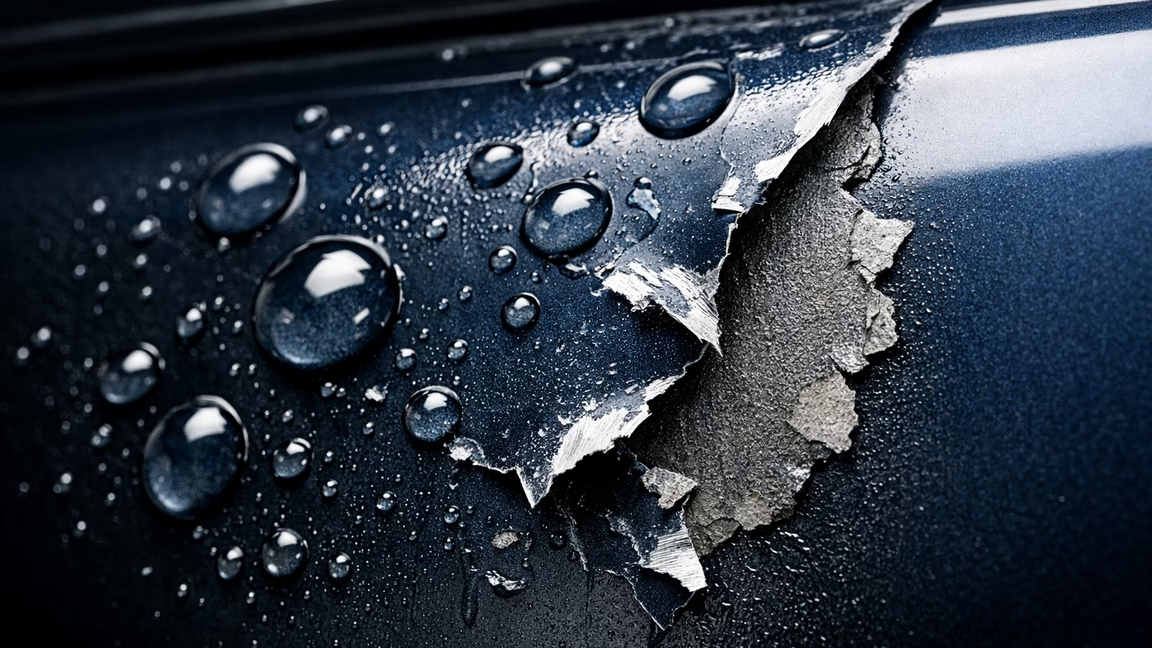
You are washing your car. You spot it. A tiny bubble under the paint. You ignore it at first. But a few weeks later, the paint peels away. It leaves an ugly patch. This is super frustrating.
Car paint does not just bubble and peel for no reason. It is a sign that the paint lost its grip. Moisture, rust, or poor prep work usually cause this. In this guide, we will explore why this happens. We will also show you how to fix and prevent it.
The Science of Car Paint: Why Adhesion Matters
Think of car paint like a sandwich. It has four layers. Each layer has a specific job. If one layer fails, the whole thing falls apart.
The 4 Layers of Auto Paint
- Bare Metal: This is the base of your car. It is strong, but it needs protection from the weather.
- Primer: This layer sticks to the bare metal. It gives the color a smooth base to hold onto.
- Basecoat: This is the actual color of your car. It makes your car look red, blue, or black.
- Clear Coat: This is the top shield. It is clear. It blocks the sun and the rain from hurting the color.
What is Delamination?
Delamination is a big word. It just means the layers are peeling apart. Paint must stick tight to the metal. When it loses that grip, problems start.
When the bond breaks, air or water sneaks in between the layers. This lifts the paint up. That makes a bubble. Once that bubble pops or breaks, the paint starts to peel off.
The Core Causes: What Makes Car Paint Bubble and Peel?
Paint failure is not magic. It always has a cause. Let’s look at the six main reasons your car paint is bubbling and peeling.
1. Moisture Intrusion & Osmotic Blistering
Water is the biggest enemy of car paint. It sneaks into tiny cracks. It gets trapped under the clear coat.
Have you ever heard of osmotic blistering? It sounds complex. But it is a simple process. Salt or dirt gets trapped under the paint. Water wants to dilute that salt. So, water pushes through the clear coat to get to it. This builds up pressure. The pressure lifts the paint into a bubble.
2. Rust and Corrosion
A tiny chip in your paint is bad news. It exposes the bare metal to air and water. Rust starts to form right away.
Rust takes up more space than the bare metal. As rust grows, it pushes outward. It literally lifts the paint off the metal. This creates those ugly bubbles. Soon, the rust eats away the adhesive bond. Then, the paint flakes off.
3. Poor Surface Preparation
Most paint fails because of human error. Rushing the prep phase ruins paint jobs. The paint won’t stick right if the surface is dirty or smooth.
Wax and Grease Contamination
If you paint over wax or oil, the paint will not stick. It creates weak spots. These weak spots bubble up as the paint cures.
Incomplete Sanding
Smooth metal is bad for paint. Paint needs tiny scratches to grab onto. Sanding creates these scratches. We call this “tooth.” Without tooth, the primer just slides off.
Improper Cleaning Between Coats
Dust is a killer. If you do not wipe away dust between coats, the paint cannot bond right. The dust acts like a wall between the layers.
4. Environmental and Chemical Warfare
The sun and nature attack your paint every single day. Your car takes a beating.
UV Radiation & Sun Damage
The sun beats down on your car. UV rays break down the clear coat over time. The clear coat dries out. It gets brittle. Then, it starts to peel away in big flakes.
Acid Rain & Industrial Fallout
Pollution falls on your car. Acid rain and factory smoke land on the paint. They eat tiny holes in the clear coat. Water gets in through those holes.
Road Salt & De-Icers
Salt on winter roads is brutal. It speeds up rust on the lower panels of your car. It eats away at the metal from the inside out.
Bird Droppings & Tree Sap
These are highly acidic. If you leave them on the paint, they eat right through the clear coat. They create a weak spot that turns into a bubble or peel.
5. Painting Mistakes
Even pros make mistakes when spraying paint. The rules of painting are strict.
Flash Time Violations
Paint needs time to dry between coats. This waiting period is called “flash time.” If you spray the next coat too fast, the wet stuff gets trapped underneath. It creates tiny bubbles called solvent pop.
Applying Too Much Paint
Heavy coats cause big problems. The top layer dries first. The bottom layer is still wet. Trapped gases try to escape. They push up through the top layer and make bubbles.
Humidity & Temperature Issues
Never paint in high humidity. Water vapor gets trapped under the paint. Extreme cold also stops the paint from curing right. Both cause bubbling and peeling.
6. Cheap Materials and Collision Repairs
Cheap paint lacks UV blockers. It breaks down fast. Bad body shops often skip vital steps to save time. They might not seal the edges. They might use low-grade primer. This leads to early peeling and bubbling.
Bubbling vs. Peeling: How to Diagnose Your Specific Problem
Look closely at the damage on your car. The way your paint fails tells a story. You can find the root cause just by looking at the signs. Let’s figure out what is happening to your car.
Symptom: Tiny Bubbles Clustering Together
Do you see small bubbles grouped tight together? This usually means solvents got trapped under the paint. The painter did not wait long enough between coats. It could also mean trapped moisture or salt. We call that osmotic blistering.
Symptom: Large, Random Bubbles
Are the bubbles big and spread out? This points to heavy water damage. Water sneaked under the paint and pooled up. It could also mean rust is growing fast under the primer. The expanding rust pushes the paint outward.
Symptom: Clear Coat Peeling in Flakes
Is the top clear layer peeling off in big sheets? The clear coat lost its grip on the color coat. The sun’s harsh UV rays usually cause this. It often starts on the hood, roof, and trunk. These flat areas face the sun all day.
Symptom: Paint Peeling from the Metal
Is the paint falling off down to the bare metal? The primer failed completely. The shop did not prep the metal right. They might have skipped the sanding step. Or, the primer soaked up water over time and let go of the metal.
Can You Fix Bubbling and Peeling Car Paint?
You spotted the problem. Now you want to fix it. Let’s be real about your options.
The Hard Truth: There is No Quick Fix
You cannot glue a bubble back down. The bond is broken forever. You also cannot just spray new clear coat over peeling paint. It will not stick. The new paint will just peel right off with the old paint. You must remove the bad paint first.
DIY Fixes (For Minor, Localized Damage)
Got a tiny bubble or two? You can fix this yourself at home. The sand-and-blend method works well for small spots. Sand the bubble down until it is smooth and flat. Apply a little touch-up paint. Wait for it to dry fully. Then, wet sand it lightly to blend it in with the rest of the car.
Is there rust under the bubble? You must kill the rust first. Buy a rust converter from the auto parts store. Paint it on the bare rust. It stops the rust from growing. Then, you can apply your touch-up paint over it.
When to Call a Professional Body Shop
Some jobs are too big for your garage. Is the bubbling all over the car? Call a pro. Did the rust eat a hole right through the metal? You need a shop to weld in new metal. They also have the right tools to match your car’s exact color.
How to Prevent Car Paint from Bubbling and Peeling
Fixing paint is hard and costly. Preventing it is easy and cheap. Protect your car with these simple habits.
1. Maintenance and Washing Routines
Wash your car often. This removes acid rain, bird droppings, and tree sap. Do not let them sit on the paint. They eat through the clear coat fast. Use the two-bucket wash method. One bucket holds soapy water. The other holds clean water to rinse your sponge. This stops you from scratching the paint with dirt.
2. The Power of Protection
Bare paint is weak. It needs a shield. Wax your car every three to four months. Wax adds a barrier. It keeps water out and blocks the sun.
Want even better protection? Try a ceramic coating. It lasts much longer than wax. It makes water slide right off the car. Paint Protection Film (PPF) is the best shield of all. It is a clear layer that blocks rocks and chips. No chips mean no rust and no bubbling.
3. Smart Parking Habits
The sun destroys clear coat. Park in the shade whenever you can. A garage is the best spot. But, avoid parking under trees. Trees drop sap. Birds sit in trees and drop waste on your car. Both ruin your paint quickly.
4. Address Paint Chips Immediately
A tiny rock chip is an open wound. Exposed metal rusts fast. Fix it today. Buy a touch-up pen for a few dollars. Dab a little paint on that chip. Sealing the bare metal stops water and oxygen. A five-minute fix now saves you from a huge rust repair bill later.
Frequently Asked Questions (FAQs)
Is bubbling car paint covered by warranty?
It depends on the cause. Factory warranties cover paint defects. This includes delamination from poor factory prep. They usually cover this for 3 to 5 years. But they will not cover damage from the environment. They also will not cover rust that started from a rock chip. Did a body shop just paint your car? Check their warranty. Shops usually guarantee their work for 1 to 5 years.
Can I just spray clear coat over peeling paint?
No. Clear coat will not stick to flaking paint. It seems like a quick fix, but it fails fast. The new clear coat will just peel off with the old paint underneath it. You must sand down the damaged area. You need a smooth, solid base before you spray anything new.
Does car insurance cover peeling paint?
Usually, no. Car insurance covers sudden accidents. It pays for damage from a tree branch hitting your car or a shopping cart dent. It does not cover wear and tear. Peeling paint is a maintenance issue. Your insurance will not pay to fix it unless a specific covered event caused the damage.
How fast does bubbling paint spread?
It spreads very fast. A tiny bubble can double in size in just a few weeks. Water and air get under the paint through the bubble. This speeds up the damage. Rust grows quickly when it has constant moisture. Fix those small bubbles right away before they turn into a massive peeling spot.
Conclusion: Don’t Let the Bubbles Win
Bubbling and peeling paint is a clear warning sign. It means your paint lost its grip. Moisture, harsh UV rays, rust, or bad prep work caused the bond to break. Once that bond fails, the paint has to go.
Do not ignore the early signs. Walk out to your car today. Look for chalky clear coat or tiny bubbles. Spot any small rock chips? Fix them right now. A five-minute touch-up saves you a huge headache later.
If the damage is already spreading, take action. You cannot seal a bubble back down. It requires the right fix.
Noticed bubbling or peeling on your vehicle? Don’t wait for rust to eat away at your car’s value. Contact our expert auto body technicians today for a free paint assessment and quote!