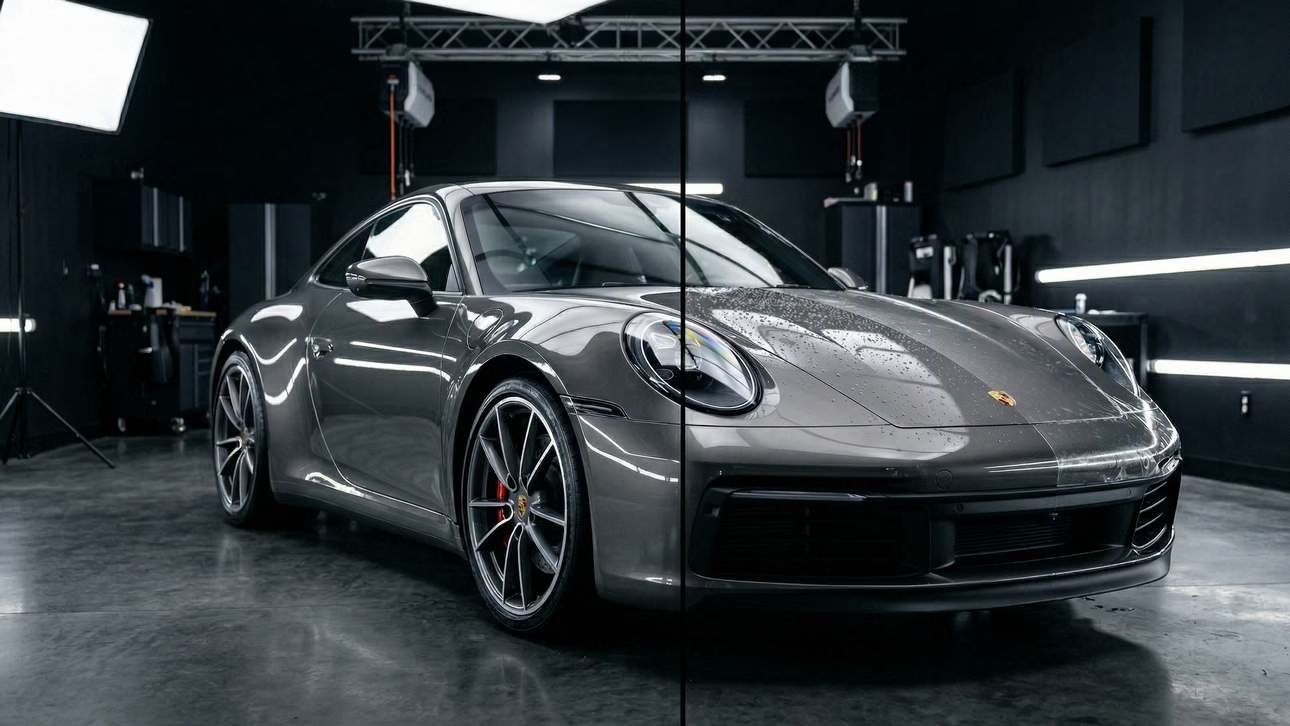
If you want to protect your car’s paint, you have likely seen two popular options: ceramic coating and PPF. At first glance, they can seem similar. Both promise protection. Both can keep your car looking better for longer. But they are not the same thing.
This is where many car owners get stuck.
The real ceramic coating vs ppf debate comes down to one simple fact. These products do different jobs. One helps your car stay cleaner and look glossier. The other acts like a clear shield against road damage. If you expect one to do the job of the other, you may end up disappointed.
In this guide, I’ll break it all down in plain language. You’ll learn how each option works, what each one does well, where each one falls short, and which choice makes the most sense for your car, your budget, and your driving habits.
What Is Ceramic Coating?
Ceramic coating is a liquid product that goes on top of your car’s paint. Once it cures, it forms a very thin protective layer. That layer does not make your paint bulletproof. But it does make daily life with your car easier.
The biggest benefits are simple. Ceramic coating adds gloss. It gives the paint a slick feel. Water beads up and rolls off more easily. Dirt, bird droppings, and road grime do not stick as easily either. That means washing your car takes less effort.
This is why many people love it. Your car looks better. It stays cleaner longer. And routine maintenance becomes less of a chore.
Still, it is important to be realistic. Ceramic coating is not a thick barrier. It will not stop rock chips. It will not prevent deep scratches. It helps protect against contamination, sun exposure, and general wear. It does not serve as armor.
So if you are asking, is ceramic coating better than ppf, the answer depends on what kind of protection you want most.
Recommended Ceramic Coating from Amazon

Gtechniq Crystal Serum Light Ceramic Coating
- Incredible Gloss & Clarity: Simply wipe on and buff for a hard, swirl-resistant, and highly hydrophobic finish that makes water bead right off.
- Chemically Bonds to Paint: Unlike traditional waxes or sealants, this advanced formula actually bonds to the paintwork for up to 5 years of durability.
- The Pinnacle of Protection: Offers superb resistance against dirt, tree sap, hazing, and contaminants for cars, vans, and SUVs.
- Nanotechnology Leader: Formulated by a quantum physicist, utilizing advanced molecular tech to outclass standard market options.
What Is PPF?
PPF stands for paint protection film. Some people also call it clear bra. It is a transparent film that goes over the paint. Unlike ceramic coating, PPF is much thicker. That thickness is what gives it real physical protection.
PPF is built to take the hit before your paint does.
It can help protect your car from rock chips, road debris, light scratches, and swirl marks. Many modern films also have self-healing features. That means light marks can fade when the film warms up in the sun or with heat.
This is why paint protection film vs ceramic coating is not a close match when physical defense is the goal. PPF has a clear edge there.
A good install matters a lot. High-quality film, installed well, can be very hard to notice. Poor film or poor work can lead to visible edges, early wear, or a less clean look.
In simple terms, ceramic coating is more about shine and ease. PPF is more about impact protection.
Recommended Paint Protection Film from Amazon

VViViD 3M Clear Paint Protection Vinyl Film
- Virtually Invisible Protection: This 8mil thick polyurethane film provides a crystal-clear barrier that keeps your car looking newer for longer.
- Durable Shield: Specifically designed to reduce paint chips, scratches, and damage caused by road debris.
- Easy Application: Features an adhesive backing for a secure fit and is virtually invisible once properly installed.
- Complete Toolkit Included: Comes with a VViViD Yellow Detailer Squeegee and two Anti-Scratch Felt Decals for a professional-grade finish.
Ceramic Coating vs PPF: The Quick Answer
If you want the short version, here it is.
Choose ceramic coating if you want:
- Better gloss
- Easier washing
- Water beading
- Protection from dirt, stains, and sun
- A lower upfront cost
Choose PPF if you want:
- Stronger defense against rock chips
- Better protection from road debris
- Help against light scratches
- Long-term paint preservation
- Peace of mind on rough roads
Choose both if you want:
- The best all-around setup
- Strong physical protection
- Easier cleaning
- A polished, premium finish
So when people ask ceramic coating or ppf, the honest answer is this: it depends on what problem you want to solve first.
The Biggest Differences Between Ceramic Coating and PPF
Protection Level
This is the most important difference.
Ceramic coating helps protect against things like water spots, dirt, bird droppings, bug splatter, and UV rays. It also makes the paint easier to clean. That matters a lot if you care about looks and low maintenance.
PPF protects against physical damage. It can absorb the impact of small debris and reduce the risk of chips and light scratches. If you drive on highways often, that matters even more.
When it comes to ppf or ceramic coating which is better for hard protection, PPF wins. No contest.
Appearance
Ceramic coating usually gives your paint a rich, glossy finish. It can make colors pop. Dark paint often looks deeper and cleaner with a quality coating.
PPF is made to protect first. That said, good film can still look great. Many newer films are clear, smooth, and hard to spot. Some even come with a glossy finish.
If your main goal is visual impact, ceramic coating often feels more dramatic. If your main goal is invisible defense, PPF is the stronger choice.
Durability
Ceramic coating can last for years when applied well and cared for properly. But how long it lasts depends on the product, the prep, and how you maintain the car.
PPF also lasts for years and tends to offer longer-lasting physical protection because it is a true film layer.
Both can age well when installed by a skilled professional. Both can also disappoint if the prep work is poor.
Maintenance
Ceramic coating makes washing easier. That is one of its best selling points. Dust and grime release more easily, so the car can stay cleaner with less effort.
PPF also helps protect the paint, but it does not always give the same slick, water-repelling feel unless it has a coating on top.
This is why many people look into ppf and ceramic coating together. The combination gives you impact defense and easier upkeep.
Cost
In most cases, ceramic coating costs less than full-body PPF. PPF uses more material and takes more time to install, so the price is usually much higher.
That does not mean ceramic coating is the better value for every driver. If you spend a lot of time on fast roads, a lower upfront cost may not save you money if your paint gets chipped later.
Can Ceramic Coating Replace PPF?
No. Ceramic coating does not replace PPF.
This is one of the most common misunderstandings in car care.
Ceramic coating is simply too thin to stop rocks, road debris, or serious scratches. It can help with surface contamination and make washing easier, but it does not have the thickness needed to absorb impact.
PPF is designed for that exact job.
So if you are wondering about the difference between ceramic coating and ppf, this is the key point to remember. They are not rivals in the way people think. They are different tools for different problems.
Can You Use Ceramic Coating and PPF Together?
Yes, and in many cases, this is the smartest move.
A lot of owners use PPF on the areas that get hit the most. Think front bumper, hood, fenders, mirror caps, and rocker panels. Then they apply ceramic coating on the rest of the car. Some also coat the film itself for extra slickness and easier cleaning.
This setup gives you the best of both worlds.
You get the chip resistance of PPF where it matters most. You also get the glossy look and easier maintenance of ceramic coating across the vehicle.
If your budget allows it, this is often the premium answer to the ceramic coating vs clear bra question. It is not always about choosing one over the other. Sometimes the best answer is a smart mix of both.
Which Protects Better?
If the question is simple, the answer should be simple too.
PPF protects better against physical damage.
Ceramic coating protects better against dirt, water, stains, and daily grime.
Here is how that plays out in real life.
If you drive long distances on highways, PPF is often the better investment. It helps shield your paint from rock chips and debris kicked up by other cars.
If your car spends more time parked outside under trees or in the sun, ceramic coating can help with bird droppings, bug mess, and easier cleanup.
If you own a weekend car and care most about shine, a ceramic coating may be enough.
If you own a new luxury car and want to keep the paint looking fresh for years, PPF or a blend of both usually makes more sense.
Ceramic Coating vs PPF Cost
Price matters. It always does.
Ceramic coating is usually the more affordable option. But the final cost depends on the size of the car, the condition of the paint, the prep work needed, and the type of coating used.
PPF costs more. The material itself is more expensive, and installation takes more time and skill. Full-body coverage is the premium route. Partial-front coverage is a more budget-friendly middle ground.
A smart strategy for many people is this: install PPF on the areas that take the most abuse, then use ceramic coating on the rest. That can deliver strong protection without the price tag of wrapping the whole car in film.
So if you are stuck on ceramic coating or ppf because of budget, you do not always need to go all in on one option. There is room for a hybrid plan.
Pros and Cons of Ceramic Coating
Pros
Ceramic coating has a lot going for it.
It boosts gloss. It makes the paint look clean and sharp. It helps water roll off fast. It cuts down on how much dirt sticks to the car. And it makes washing easier.
It also tends to cost less than full PPF. For many car owners, that makes it a strong first step.
Cons
Ceramic coating has limits.
It does not stop rock chips. It will not save your paint from deep scratches. It also needs proper prep to look its best. If the paint is not corrected first, flaws can still show through.
And not all coatings perform the same. Product quality matters. Installer skill matters too.
Pros and Cons of PPF
Pros
PPF is the stronger option for physical defense.
It helps protect against road rash, chips, and light scratching. It can keep the front end of a car looking newer for longer. And if you care about preserving factory paint, that matters a lot.
On top of that, many films today have self-healing features. That adds even more value.
Cons
PPF is more expensive. That is the big one.
It also depends heavily on installer skill. A great install can look smooth and clean. A poor install can be obvious. In some cases, edges may still be visible, especially if the coverage is limited.
And while modern films are far better than older ones, lower-grade products may not age as well.
Who Should Choose Ceramic Coating?
Ceramic coating is a great fit if you want your car to look sharp and stay easy to maintain.
It makes sense for people who love a glossy finish. It also works well for drivers who wash their cars often and want that process to be faster and easier.
If your budget is tighter, ceramic coating can be a strong value play. You still get a cleaner look and helpful protection against daily mess without paying for full film coverage.
It is also a good choice for cars that are not driven much on highways or rough roads.
Who Should Choose PPF?
PPF makes the most sense for drivers who want real paint defense.
If you have a new car, a luxury car, a sports car, or any vehicle you plan to keep for a long time, PPF is worth serious thought. The same is true if you drive on highways often or deal with rough roads, gravel, or heavy traffic.
If you hate rock chips, PPF is the product built for that problem.
This is why many people searching ppf vs ceramic coating are really asking one deeper question: how much risk do I want to prevent? If the answer is a lot, PPF usually comes out ahead.
Best Option by Use Case
New Car
For a new car, PPF on the front end often makes the most sense. That is where damage tends to happen first. Adding ceramic coating on the rest can round out the package.
Daily Driver
For a daily driver, your roads matter. If you face heavy highway miles, go with PPF in key areas. If you mostly want easier washing and a cleaner look, ceramic coating can be enough.
Luxury or Sports Car
For higher-end cars, the best answer is often both. You protect the paint where it takes the most abuse, and you keep the whole car looking sleek and easy to maintain.
Budget-Conscious Owner
If cost is the main factor, ceramic coating usually offers more visible value for less money. Your car looks great, and upkeep gets easier.
Highway Driver
If you spend real time on the highway, PPF is hard to beat. The extra protection is usually worth it.
Common Mistakes People Make
Many owners make the same errors.
The first is thinking ceramic coating stops rock chips. It does not.
The second is choosing only by price. Cheap work can cost more later if the finish looks bad or fails early.
The third is ignoring prep. A coating or film is only as good as the surface under it. If the paint has swirls, haze, or flaws, those issues can still show through.
Another mistake is assuming all shops do the same quality of work. They do not. Installer skill can matter more than the brand name on the box.
And here is the big one that many shops skip over: the smartest setup is often not full ceramic coating or full-body film. It is partial-front PPF plus ceramic coating on the rest. That mix often gives the best balance of cost, looks, and real-world protection.
How to Decide Between Ceramic Coating and PPF
If you still feel unsure, ask yourself a few simple questions.
What worries you more: rock chips or cleaning?
Do you drive on highways often?
How long will you keep the car?
Is this a brand-new vehicle or an older one?
What is your real budget?
If your top concern is impact damage, choose PPF.
If your top concern is shine, slickness, and easy care, choose ceramic coating.
If you want the strongest overall result and can afford it, choose both.
That is the most honest answer to ceramic coating vs ppf.
Final Verdict
There is no one winner in the ceramic coating vs ppf debate because the two products are built for different jobs.
Ceramic coating is best for gloss, water beading, and easier maintenance. It helps your car stay cleaner and look sharper with less effort.
PPF is best for physical protection. It stands up better to rock chips, road debris, and light scratches. If you want real defense for your paint, especially on a new car, PPF is the stronger choice.
If you want the best setup possible, combine them. Use PPF on the high-impact areas. Use ceramic coating to enhance the finish and make the whole car easier to maintain.
In the end, the right choice is not about hype. It is about fit. Think about how you drive, what you want to protect against, and how much you are ready to spend. Once you answer those three things, the right option becomes much easier to see.
FAQs About Ceramic Coating vs PPF
Is ceramic coating better than PPF?
Not across the board. Ceramic coating is better for gloss and easier cleaning. PPF is better for stopping damage from rocks and road debris.
Does ceramic coating replace PPF?
No. Ceramic coating does not replace PPF because it cannot absorb impact the way film can.
Can you ceramic coat over PPF?
Yes. Many owners do this to make the film easier to clean and to add a slick finish.
Which is better for a new car?
If you can only choose one, PPF on the front end is often the better first move for a new car. It protects the most vulnerable areas.
Is PPF worth the higher cost?
For many drivers, yes. If you spend a lot of time on highways or want to preserve the paint for years, it can be a smart investment.
What is the best paint protection for cars?
The best paint protection for cars depends on your needs. For easy cleaning and shine, ceramic coating is great. For physical defense, PPF is stronger. For the best all-around result, using both is hard to beat.