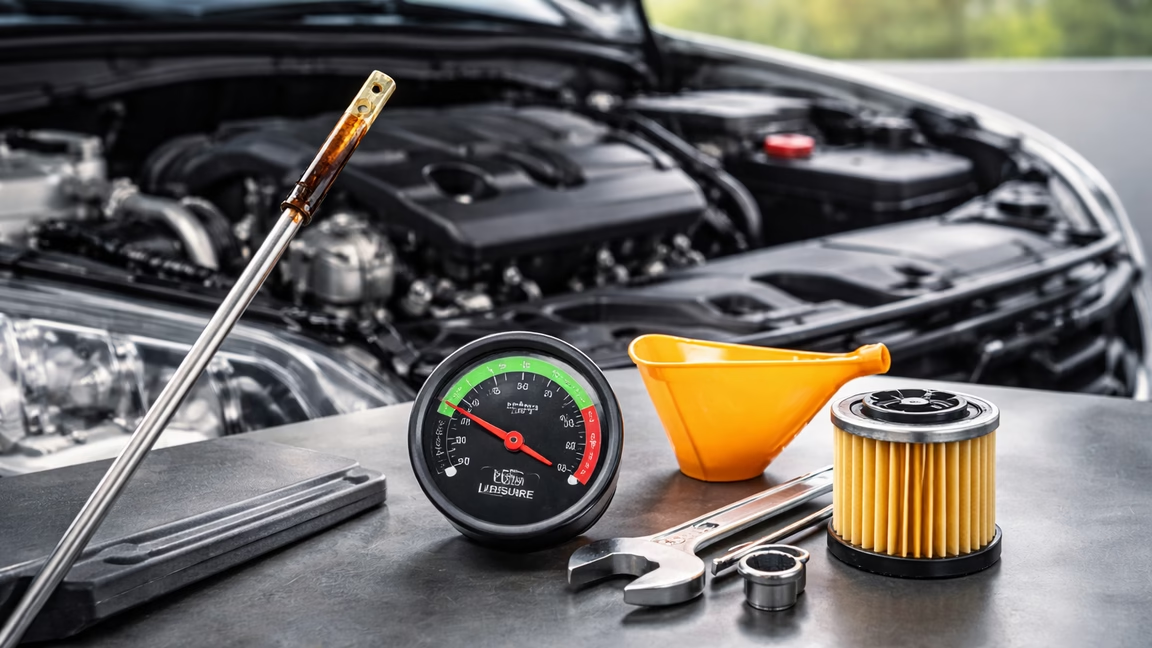
Your oil pressure light just flashed. Your stomach drops. Take a breath. You do not need to panic. Most low pressure warnings point to simple fixes. Many of them require only a few basic tools. I will walk you through every likely cause. You will learn how to check them yourself. I will show you when to stop and call a pro. No fluff. Just clear steps to save your engine and your wallet.
⚠️ First: Is This an Emergency? (The 60-Second Safety Check)
Not every warning light means disaster. But you must act fast. Oil keeps your engine parts from grinding together. Lose that flow and metal hits metal. That damage happens in seconds. Use this quick check to know your next move.
Pull Over Safely If You See These Signs
Look for these red flags right away. Does the light stay solid? Do you hear a loud knock or heavy tick? Smell burning oil or see smoke? Does the car feel weak or run hot? Pull to a safe spot. Turn off the engine. Wait for help. These signs mean serious trouble.
If the Light Is On But Engine Sounds Normal
A quiet engine changes the picture. Park on flat ground. Wait five minutes after you turn it off. Pull the dipstick. Wipe it clean. Slide it back in. Read the mark. Add oil if the level sits low. Use the exact type your manual lists. Start the car again. Watch the light. Does it fade? You might just be low on fluid.
When to Stop Driving Completely
Do not push your luck. If the light stays on after you add oil, stop. If you hear any new noise, stop. If the car loses power, stop. Driving on low pressure ruins bearings. It can crack the engine block. I know you want to reach home. But a tow truck costs less than a new motor. Grab a simple mechanical oil pressure gauge if you want peace of mind. It gives you a true reading before you spend a dime.
How Oil Pressure Actually Works (Simple Explanation)
You do not need a degree to grasp this. Think of oil like blood in your body. Your engine pumps it through narrow paths. That flow creates pressure. The pressure keeps parts floating. It stops heat and friction from eating your motor. Let us break down the cycle.
The Oil Pressure “Loop” in 4 Steps
First, oil rests in the pan at the bottom. Second, a pump pulls it through a fine screen. Third, it pushes through a filter and into tight spaces. Fourth, it coats the moving parts and drains back down. Pressure builds because the oil fights to squeeze through those small gaps. That squeeze is what keeps your engine safe.
Normal Pressure Ranges by Engine Type
Most gas engines run between twenty five and sixty five pounds per square inch when warm. Diesel engines push higher numbers. They need forty to eighty. Your gauge might jump when you first start the car. Cold oil moves slower. That spike is normal. Just watch it once the engine warms up.
Why Pressure Drops = Lubrication Failure
Low pressure means the oil moves too fast or too thin. It skips the tight spots. Metal parts start to touch. Heat spikes quickly. Bearings wear down in minutes. You might not feel it right away. But the damage stacks up fast. Fix the root cause early. Save yourself a massive repair bill.
The 7 Most Common Causes of Low Oil Pressure (Ranked by Likelihood)
I will walk you through each cause. I rank them by how often they actually happen. Start at the top. Check the easy stuff first. Save time. Save money.
#1 Low Oil Level (The Most Common Fix)
Engines lose oil over time. They burn small amounts. They leak from worn seals. Low level means the pump pulls air instead of fluid. Check your dipstick on flat ground. Wipe it clean. Read the mark. If it sits low, add the exact oil your manual lists. Use a clean funnel to avoid spills. Restart the car. Watch the light. If it fades, you solved it. If the level drops fast, you have a leak. Fix the leak before you drive far.
#2 Wrong Oil Thickness or Old, Thin Oil
Oil gets thin as it ages. Fuel can mix with it and thin it further. Using oil that runs too thin for your engine also drops pressure. Rub a drop between your fingers. Feel grit? It is dirty. Feel water? Fuel or coolant leaked inside. Change the oil and filter together. Pick the weight your manufacturer recommends. High mileage blends help older engines seal better. Do not guess the weight. Read the cap or the manual. Wrong oil causes more harm than good.
#3 Clogged or Cheap Oil Filter
Filters trap dirt. They fill up. A full filter blocks flow. Cheap filters collapse under pressure or skip the bypass valve. Check your service records. When did you last change it? If you are overdue, replace it now. Grab a quality filter and a basic wrench. Swap it out. Always tighten it by hand plus a quarter turn. Do not overtighten. A blocked filter forces oil around the filter media. Unfiltered oil destroys bearings quickly.
#4 Faulty Oil Pressure Sensor or Gauge
Your dashboard light lies sometimes. Sensors corrode. Wires break. Gauges stick. The engine might be fine. You just get a bad signal. Test it with a cheap mechanical gauge. Screw it into the sensor port. Start the engine. Read the dial. If the mechanical gauge shows normal pressure, your sensor is bad. Swap it out. These parts cost very little. Clear any stored codes after you replace it. Do not ignore a flickering light at idle. It often points to a weak sensor.
#5 Worn Engine Bearings or Internal Wear
High miles and skipped changes wear out bearings. Worn bearings leave extra gaps. Oil slips through too fast. Pressure drops. Listen closely. Do you hear a deep knock under load? Check your tailpipe for blue smoke. Measure how much oil you use between changes. One quart every thousand miles means serious wear. You can try a slightly thicker oil if your manual allows it. It buys time. But worn parts will not heal. Plan for a rebuild or a replacement engine. Honest advice stops costly guesses.
#6 Failing Oil Pump or Blocked Pickup Screen
The pump sits deep inside. It moves the oil. Sludge or debris can clog the pickup screen. Worn pump gears lose their bite. This fix requires dropping the oil pan. Only attempt it if you have tools and experience. Clean the screen thoroughly. Replace the pump if the gears look chewed. Use fresh engine cleaner before you reassemble. A weak pump often follows long stretches of low oil. Fix the root cause first. Otherwise, the new pump will fail too.
#7 Stuck Oil Pressure Relief Valve
This valve stops pressure from spiking. It opens to dump extra flow. Sometimes it sticks open. Pressure drops to near zero. You must remove the pump or pan to reach it. Inspect the valve and the spring. Clean the seat. Replace the spring if it looks weak. Some pumps seal the valve inside. You must replace the whole pump in that case. Rare issue. But serious. Never ignore a sudden pressure drop.
Your Step-by-Step DIY Diagnostic Flowchart
Guesswork wastes money. Follow this path. Print it out. Keep it in your glove box. Each step tells you exactly what to do next.
Step 1: Check the oil level.
Park on flat ground. Wait five minutes. Read the dipstick.
Low? Top it off with the right oil. Restart the engine. Light off? You are done. Light still on? Move to Step 2.
Normal? Move straight to Step 2.
Step 2: Inspect the oil condition.
Look at the color and texture on the dipstick. Smell it.
Dark, gritty, or thin? Change the oil and filter. Take a short drive. Check the light again. Problem gone? Great. Problem stays? Move to Step 3.
Clean and normal? Move to Step 3.
Step 3: Listen to the engine.
Start the car. Open the hood. Let it idle. Rev it gently.
Hearing knocks, ticks, or rattles? Turn it off. Do not drive. Call a mechanic. You have internal damage.
Quiet and smooth? Move to Step 4.
Step 4: Verify with a mechanical gauge.
Screw a basic analog gauge into the sensor port. Read the dial at idle and at two thousand RPM.
Gauge reads normal? Your dashboard sensor is faulty. Replace the sending unit.
Gauge confirms low pressure? You have a real flow issue. Move to Step 5.
Step 5: Hunt for leaks and track consumption.
Look under the car. Check valve covers and the oil pan.
Finding puddles? Fix the gaskets or seals. Recheck pressure.
No leaks but burning a quart a week? Internal wear is likely. Stop DIY. Book a professional compression test.
Step 6: Still unresolved?
You are likely looking at a weak pump, a blocked pickup, or a stuck valve. This work requires dropping heavy parts. Take it to a trusted shop. Ask for a full pressure test and an itemized quote. Know your limits. Pushing past them breaks things.
Prevention: How to Avoid Low Oil Pressure in the Future
You can stop most problems before they start. Low pressure rarely appears out of nowhere. It builds over time. Follow these steps. Keep your engine humming for years.
A Maintenance Schedule That Actually Works
Do not wait for the warning light. Change your oil and filter on time. Follow the severe service interval if you take short trips. Short trips never let the oil heat up. Moisture and fuel stay trapped inside. They thin the oil. Change it sooner. Check the dipstick every month. Wipe it. Read it. Top off if needed. Scan the ground under your car. Catch small leaks early. They never fix themselves.
Smart Product Choices for Long Life
Not all oil is equal. Stick to brands that meet standard industry approvals. Look for the official certification symbol on the bottle. Consider high mileage formulas once you pass seventy five thousand miles. They contain extra seal conditioners. They reduce small leaks naturally. Buy filters from reputable brands. Cheap filters collapse and clog fast. Try an oil analysis kit once a year. Send a sample to a lab. They spot wear metals early. Catch a bearing issue months before it kills your engine.
Driving Habits That Protect Your Pressure
Your routine matters as much as your oil. Warm up the engine for thirty seconds. Drive gently until the temperature gauge climbs. Cold oil moves slowly. Hard acceleration pushes it too hard. Avoid sustained high RPMs with cold fluid. Monitor the gauge during long trips. Towing or climbing hills raises oil temperature. Thinner oil loses its grip when hot. Pull over if the light flickers during heavy loads. Rest the engine. Let the oil cool. Consistency saves motors. Rushing kills them.
When to Call a Professional (And What to Ask)
I will be straight with you. Some fixes sit outside your garage skills. That is fine. Pushing past your limits wastes time. It costs you more money. Stop the DIY route if you spot these clear signs.
Red Flags That Mean Stop and Call
Watch for these hard limits. The light stays solid after a fresh oil change. A mechanical gauge confirms a true low reading. You hear deep knocks that grow louder with RPM. Oil pressure drops suddenly while you drive. These signs point to internal damage. You need expert hands. You cannot fix worn bearings with a top-off. Do not risk cracking the block. Call a shop. Tow the car. Save your engine.
Questions to Ask Your Mechanic
Do not drop off your keys in silence. Ask the right questions upfront. Request a live mechanical pressure test. A computer scan or a quick road test will not show real flow. Ask if the fault points to a sensor or an internal part. Demand a clear explanation of their findings. A good shop will show you the data. A rushed shop will hand you a bill. Ask how long the diagnostic takes. Ask what tools they use to verify the issue. Transparency builds trust. You deserve both.
How to Get a Fair Quote
Repair shops vary widely in pricing. Protect yourself before work begins. Ask for a fully itemized estimate. Demand a line-by-line breakdown of parts, labor, and diagnostic fees. Check labor hours against standard guides. High numbers often hide padded rates. Ask about the warranty on the repair. Six months or six thousand miles is standard. One year shows real confidence. Get a second opinion if the quote feels too high. Major engine work always deserves a fresh look. Pay for honesty. Skip the guesswork.
FAQ: Quick Answers to Top Reader Questions
You want facts, not fluff. Here are direct answers to the most common questions.
Can low oil pressure fix itself?
Only if low fluid caused the drop. Top off the oil. The light goes out. That is a simple win. Mechanical wear will not heal on its own. A bad sensor will not repair itself. You must act.
How much does it cost to fix low oil pressure?
Prices swing wide. A quart of oil runs around twenty dollars. A new sending unit costs fifty to eighty. A full pump replacement hits eight hundred to fifteen hundred. Rebuilding worn bearings or swapping a motor crosses three thousand. Diagnose first. Pay only for what you truly need.
Will thicker oil raise oil pressure?
It can boost numbers for a short time. Only use thicker oil if your manual explicitly allows it. Wrong viscosity starves parts on cold starts. It creates extra friction in tight spaces. Read the manufacturer specs first. Never guess.
Can a bad oil filter cause low pressure?
Yes. Cheap or old filters clog fast. They collapse under heat and pressure. A blocked filter forces oil around the filter paper. Unfiltered oil tears up bearings quickly. Buy quality parts. Change them on schedule. Your engine deserves it.
Is it safe to drive with the oil pressure light on?
No. Thirty seconds of true low pressure can crack main bearings. One mile of driving can score cylinder walls. Park safely. Check the level. Call for help if the light stays on. Do not gamble with your motor.
Final Takeaway: Act Fast, Stay Calm, Diagnose Smart
Low oil pressure rarely spells instant death for your engine. It gives you a warning. Listen to it. Act fast. Check the dipstick first. Verify the reading with a simple gauge. Change the filter if it looks old or dirty. Swap a faulty sensor before you pull the oil pan. Know when to stop. Hand over the keys when internal parts fail. Smart choices today save massive repairs tomorrow. Keep a basic diagnostic kit in your garage. A few reliable tools give you power and peace of mind. Your engine runs on your care. Treat it right. It will run strong for years.