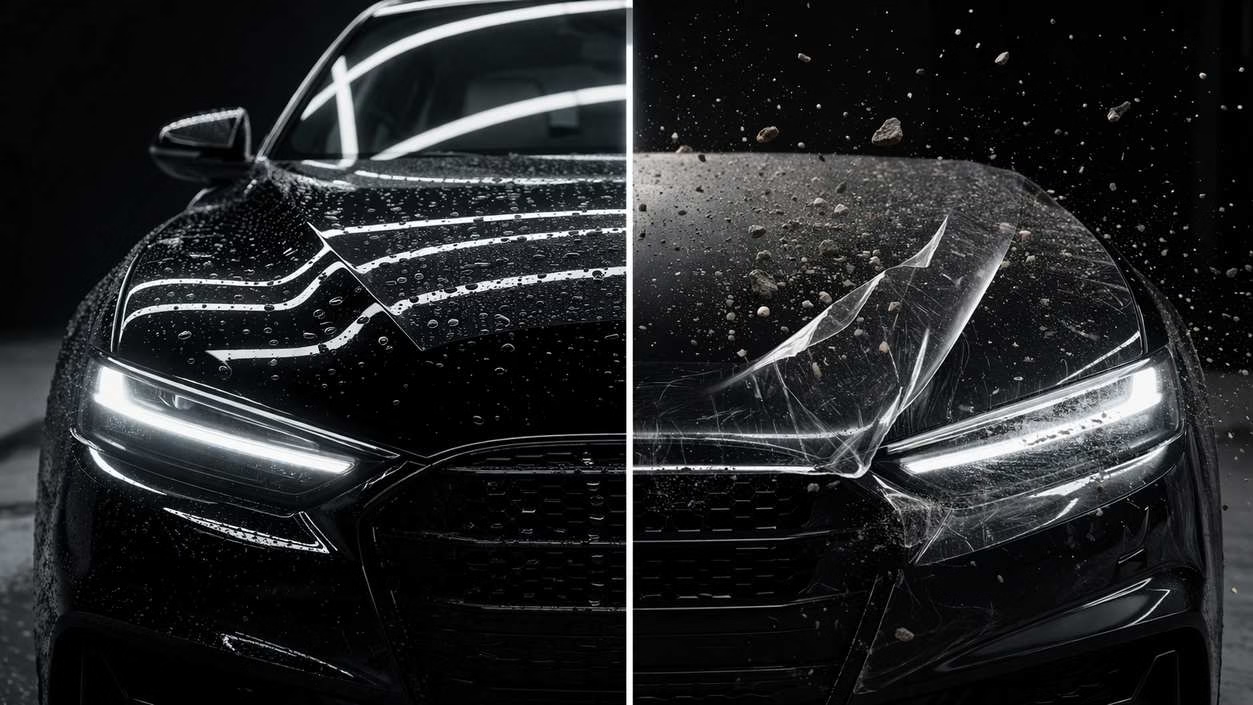
You bought a car you love. Now you want to keep it looking fresh. That is where paint protection comes in.
If you are stuck between graphene coating vs ppf, you are not alone. Many car owners compare these two because both promise better paint care. But they do not do the same job.
One is a thin liquid layer. The other is a clear physical film. One helps with shine and easy cleaning. The other helps stop chips and scratches before they hit your paint.
So which one should you choose?
The short answer is simple. If you want the best defense against rock chips and road rash, go with PPF. If you want strong gloss, water beading, and easier upkeep, graphene coating makes more sense. If you want both beauty and strong protection, a combo setup often works best.
Let’s break it all down in plain language.
What Is Graphene Coating?
Graphene coating is a liquid paint protection product. A pro applies it to the car’s surface. It cures into a very thin layer over the paint.
Think of it like a smart shield. It does not act like armor. Instead, it helps the paint resist water, dirt, UV rays, and some chemical stains. It also boosts gloss and makes washing easier.
Many people compare ppf vs graphene coating as if they are direct rivals. They are not. They solve different problems.
Recommended graphene coating from Amazon
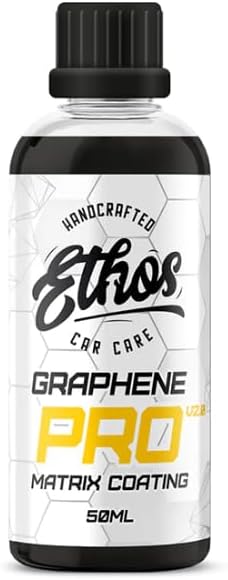
Ethos Graphene Coating PRO V2.0
- Revolutionary Protection: Powered by advanced graphene technology, forming an ultra-strong, flexible layer that outperforms traditional ceramic coatings.
- 10 Years of Proven Protection: Backed by ASTM lab testing to shield your paint from UV rays, oxidation, chemicals, and environmental damage.
- Extreme Hydrophobic Performance: Creates a powerful barrier that repels water, dust, dirt, and road grime, keeping your vehicle cleaner with minimal maintenance.
How Graphene Coating Works
Graphene coating bonds to the top layer of your car’s paint. Once it cures, it leaves behind a slick finish. Water beads up and rolls away. Dirt has a harder time sticking. Your car stays cleaner for longer.
This is one reason graphene coating benefits get so much attention. Owners love the wet look, smooth feel, and lower wash effort.
Main Benefits of Graphene Coating
Graphene coating has a few clear strengths:
- It adds a rich, glossy finish
- It repels water well
- It helps fight UV fade
- It makes cleaning faster and easier
- It can help reduce water spot issues
- It offers a clean, slick look with less effort
If you want your car to pop in the sun and stay easier to maintain, this option is very appealing.
Limits of Graphene Coating
Here is the part that many sales pitches skip.
Graphene coating is thin. Very thin. It does not stop flying stones. It does not block deep scratches. It does not take the hit the way a film does.
So if your real fear is chipped paint from highway driving, graphene coating alone may not be enough.
What Is PPF?
PPF stands for paint protection film. It is a clear film applied over the paint. Unlike a coating, it is not a liquid. It is a real layer that sits on top of the car’s surface.
This is why many people see PPF as the stronger option. It works like a shield. Road debris hits the film first, not your paint.
If you want true physical protection, PPF is hard to beat.
Recommended Paint Protection Film from Amazon

VViViD 3M Clear Paint Protection Vinyl Film
- Virtually Invisible Protection: This 8mil thick polyurethane film provides a crystal-clear barrier that keeps your car looking newer for longer.
- Durable Shield: Specifically designed to reduce paint chips, scratches, and damage caused by road debris.
- Easy Application: Features an adhesive backing for a secure fit and is virtually invisible once properly installed.
- Complete Toolkit Included: Comes with a VViViD Yellow Detailer Squeegee and two Anti-Scratch Felt Decals for a professional-grade finish.
How PPF Works
A trained installer cuts and fits the film to your panels. Once applied, the film covers the paint and absorbs minor impacts.
That is the heart of the ppf benefits list. It protects the paint from things that a coating simply cannot stop.
Main Benefits of PPF
PPF shines in a few key areas:
- It protects against rock chips
- It helps prevent scratches and scuffs
- Many premium films self-heal from light marks
- It keeps factory paint safer for longer
- It is great for highway driving and rough roads
- It helps preserve resale value
If your car sees lots of speed, road debris, or daily wear, PPF is often the safer bet.
Limits of PPF
PPF is not perfect either.
It costs more. It takes longer to install. It should be done by a skilled pro. And while it looks clean, many people still add a coating on top for easier washing and better water behavior.
So yes, PPF protects better. But it is not always the best fit for every budget or every driver.
Graphene Coating vs PPF: The Core Difference
Let’s make this easy.
Graphene coating protects your paint from the environment.
PPF protects your paint from impact.
That one line clears up most of the confusion around graphene coating vs ppf for car owners.
If your car faces sun, dust, rain, bird droppings, and hard water, graphene helps. If your car faces stones, gravel, scratches, and road rash, PPF wins.
Graphene Coating = Appearance + Easy Maintenance
Choose graphene if you care most about:
- Gloss
- Water beading
- Easier cleaning
- UV resistance
- Lower cost than full-body film
It is a great fit for people who love a clean-looking car and want less wash hassle.
PPF = Real Physical Protection
Choose PPF if you care most about:
- Rock chip defense
- Scratch resistance
- Long highway drives
- Keeping paint factory-fresh
- Protecting a premium or new car
That is why the answer to is graphene coating better than ppf is usually: no, not for impact protection.
But that does not make graphene worse. It just means it serves a different goal.
Which One Protects Better Against Scratches and Rock Chips?
This is the biggest question. It is also the easiest one to answer.
PPF wins.
Not by a little. By a lot.
If a stone flies up on the road, PPF takes that hit. Graphene coating does not. If your door gets brushed by a bag, branch, or careless contact, PPF has a better chance of saving the paint underneath.
Graphene may help with minor wash marks and keep dirt from grinding into the paint during cleaning. But it is not a true impact barrier.
So if your top fear is damage, the winner in ppf vs graphene coating is PPF.
Which One Lasts Longer?
In most cases, PPF lasts longer than graphene coating.
A good film can stay in place for years with the right care. Graphene coating also lasts a long time compared with wax or sealants, but it is still a thinner layer and usually will not outlast quality film.
That said, lifespan depends on more than the product.
It depends on:
- How well the paint was prepped
- How skilled the installer was
- How often the car is washed
- Whether the car sits in harsh sun
- How the owner maintains it
So do not chase warranty numbers alone. Real-world care matters more.
Which One Looks Better?
This one depends on what you mean by “better.”
If you mean richer shine and slicker finish, graphene coating usually wins. It gives the paint that polished, glossy look many owners want.
If you mean a nearly invisible protective shell, PPF wins. It sits over the paint and protects it without changing the car’s look much.
Some people say PPF looks best when topped with a coating. That gives you the shield of film plus the slick finish of a coating.
So in pure looks, graphene often takes the lead. In protected appearance, PPF has its own appeal.
Graphene Coating vs PPF Cost
Now let’s talk money.
Graphene coating vs ppf cost is not even close in most cases. PPF costs more. Often much more.
Why? Because film costs more to make, takes more time to install, and needs real skill to fit well. Full-body PPF is a serious investment.
Graphene coating is usually easier on the wallet. It still costs more than basic waxes or entry-level paint protection, but it is more affordable than wrapping the whole car in film.
Which Gives Better Value?
That depends on what you need.
If you drive mostly in the city and want your car to look sharp with less work, graphene coating may offer better value.
If you drive on highways often, own a luxury car, or hate the thought of chipped paint, PPF may be worth every dollar.
Value is not about the lower price. It is about the right fit.
Which Is Better for a New Car?
A lot of buyers ask the same thing: ppf or graphene coating for new car protection?
Here is the smart answer.
If you just bought a new car and want to keep the paint near perfect, PPF is the safer option. New paint chips fast. Once it chips, no coating can undo it.
If you bought a new car but your budget is tight, graphene coating is still a solid step up from doing nothing. It will help with shine, cleanup, and daily surface stress.
If you can stretch the budget, the best path is often partial PPF on high-impact zones and graphene coating on top or on the rest of the car.
That gives you both looks and protection.
Can You Use Graphene Coating and PPF Together?
Yes. In fact, that is one of the best setups.
Many owners ask: can graphene coating be applied over ppf?
In many cases, yes. A coating can go over the film if the installer uses the right product and method. This combo is popular because it pairs the strengths of both systems.
PPF protects the paint from impact.
Graphene coating makes the surface slick, glossy, and easier to clean.
This hybrid setup often looks like this:
- PPF on the front bumper
- PPF on the hood and fenders
- PPF on mirror caps and door edges
- Graphene coating over the film or on the rest of the car
This is one reason the old ppf vs ceramic vs graphene coating debate keeps shifting. More owners now mix products instead of choosing only one.
Who Should Choose Graphene Coating?
Graphene coating is a smart choice if this sounds like you:
- You want a glossy finish
- You care about easy maintenance
- You mostly drive in lower-risk areas
- You want better water beading
- You want protection without paying PPF prices
It works well for daily drivers, city cars, and owners who love the fresh-detail look.
Who Should Choose PPF?
PPF makes more sense if this sounds like you:
- You drive on highways a lot
- You want the best chip protection
- You own a premium or sports car
- You plan to keep the car for years
- You want to preserve factory paint as much as possible
If your car faces rough roads, flying gravel, or heavy daily use, PPF is usually the better move.
What About PPF vs Ceramic vs Graphene Coating?
This comparison comes up a lot, so let’s keep it simple.
Ceramic and graphene coatings live in the same broad family. Both are liquid-applied paint protection systems. Graphene is often sold as the newer option with added perks like better slickness and less water spotting.
PPF sits in a different class. It is not just a surface treatment. It is a real film barrier.
So when people compare ppf vs ceramic vs graphene coating, the key question is not which product sounds more advanced. The key question is what kind of protection you actually need.
Need impact defense? Choose PPF.
Need shine and easier washing? Choose graphene.
Need a balanced setup? Combine them.
Common Mistakes Buyers Make
People often waste money because they buy the wrong product for the wrong reason.
Here are the biggest mistakes:
Thinking a Coating Stops Chips
It does not. A coating is not armor.
Thinking PPF Means Zero Maintenance
It still needs care. Dirt, stains, and neglect can still hurt the finish.
Picking by Hype Alone
Fancy branding means little if the installer is poor. Prep and skill matter a lot.
Ignoring Driving Style
A city commuter and a highway traveler do not need the same protection plan.
If you avoid these mistakes, you make a much smarter buy.
Final Verdict: Graphene Coating vs PPF
So, which one wins?
If you want the best protection against chips, scratches, and road abuse, PPF wins. It is the stronger defense. It gives you real peace of mind.
If you want strong shine, easier washing, and better day-to-day surface care, graphene coating is a great choice. It looks good. It feels good. And it costs less than full-body film.
If you want the best of both worlds, combine them.
That is the real answer to graphene coating vs ppf.
PPF protects your paint from impact.
Graphene coating protects your finish from the environment.
The right choice depends on what your car faces every day.
Quick Buyer Summary
Choose graphene coating if:
- You want gloss and slickness
- You want easier cleaning
- You want lower cost than PPF
- You mostly drive in lower-impact conditions
Choose PPF if:
- You want rock chip defense
- You drive on highways
- You own a new or expensive car
- You want stronger long-term paint protection
Choose both if:
- You want top-tier protection and easy maintenance
- You want high-impact panels covered
- You want your car to look sharp and stay safer longer
If you are still deciding between graphene coating vs ppf for car care, start with one simple question:
Do you want your protection to fight dirt, or do you want it to fight damage?
Your answer will tell you what to do next.