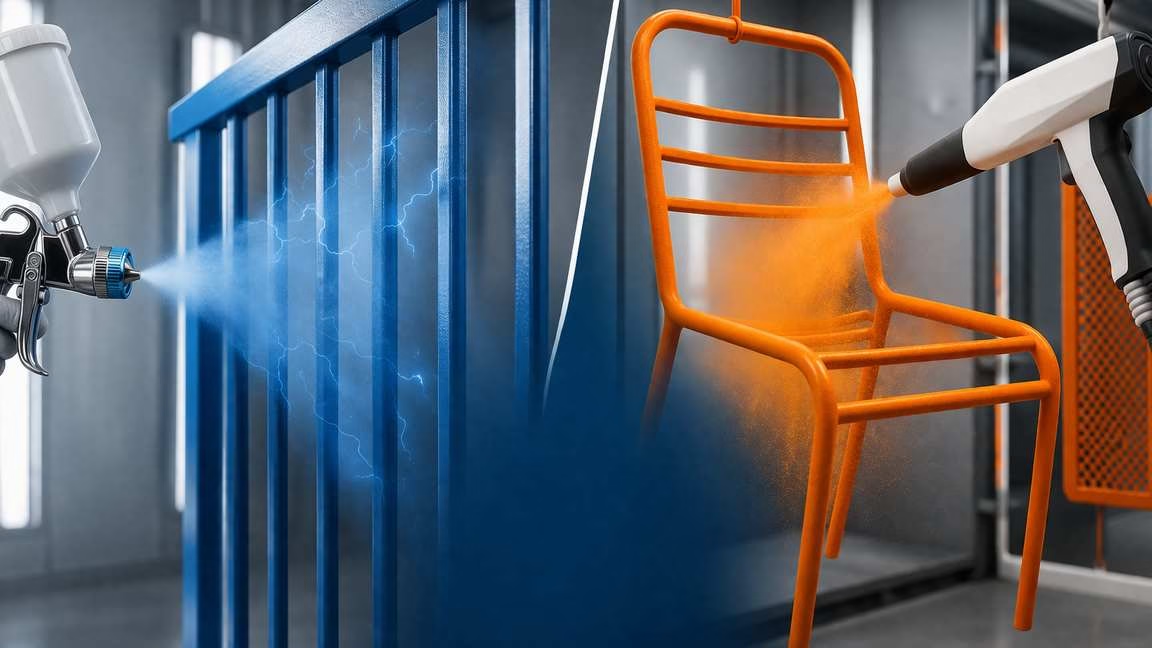
If you work with metal, this question shows up fast. Should you choose electrostatic paint or powder coating?
At first glance, they seem close. Both can give metal a clean, even finish. Both are popular in factories, workshops, and commercial projects. Both can improve looks and protect the surface.
But they are not the same.
The biggest difference is simple. Electrostatic painting is usually a way to apply liquid paint. Powder coating is a dry finishing process that uses heat to cure the surface. That one difference changes everything. It affects durability, cost, repair, appearance, and where each method works best.
In this guide, you will get a clear answer. We will break down electrostatic paint vs powder coating in plain language. We will compare how they work, where they shine, and which one makes more sense for your project.
Quick Comparison Guide
Electrostatic Paint vs. Powder Coating
Wins on raw toughness. Resists chips, scratches, and wear better. High-performance in high-use settings.
Easier to use on large pieces and applies perfectly when baking is not an option.
Often easier to repaint or touch up a damaged area seamlessly.
Better fit for production work and repeatable, high-volume jobs.
What Is Electrostatic Paint?
Electrostatic paint usually means electrostatic painting. It is not always a special kind of paint by itself. It is a method of applying paint.
Here is the simple idea. The paint is sprayed through special equipment. The paint particles get an electrical charge. The metal object being painted is grounded or carries the opposite charge. Because opposite charges attract, the paint pulls toward the surface.
That gives two big benefits. First, the paint lands more evenly. Second, less paint drifts away as overspray.
This method works especially well on metal. You will often see electrostatic coating for metal on office furniture, lockers, shelving, cabinets, railings, and machine parts. It is also useful for complex shapes because the paint can wrap around corners and curves more easily than normal spray paint.
Many people use the phrase electrostatic spray paint when they mean this process. That wording is common, but the real value comes from the spray method, not just the coating itself.
What Is Powder Coating?
Powder coating is a different process. It uses dry powder instead of liquid paint.
The powder is sprayed onto a surface, often with an electrostatic charge. That helps the powder stick to the metal. Then the coated part goes into an oven. Heat melts the powder, helps it flow out, and cures it into a hard finish.
That is the key point. Powder coating is not wet paint. It starts as dry powder and becomes a solid coating after baking.
This process is well known for strength. It creates a durable finish for metal furniture, gates, fences, wheels, frames, and many industrial parts. If you want a tough, factory-style finish, powder coating is often high on the list.
It also gives a wide range of looks. You can get matte, gloss, satin, textured, or metallic finishes. That is one reason it is so common in both residential and industrial metal finishing options.
Recommended powder coating from Amazon

Powder Coating Paint, Gold/Silver/Rose
- Premium Specificities: Antirust, anticorrosive, fireproof, high heat resistance, and environmentally friendly with strong adhesion.
- Versatile Application: A simple and effective way to coat any metal, steel, iron, or aluminum surface including cars, boats, motorcycles, and furniture.
- Superior Coverage & Protection: Offers excellent protection against corrosion; super durable for color refurbishment and surface repair.
- Simple to Use: Apply via electrostatic spraying or fluidized bed dip coating, then bake to melt, level, and solidify into a protective film.
- Dazzling Finish: Ideal for metal doors, windows, wheels, and frames, providing a beautiful color selection for your metal projects.
Electrostatic Paint vs Powder Coating: The Core Difference
Now let’s get to the heart of it.
When people compare powder coating vs electrostatic painting, they often focus on the final look. That matters, of course. But the real difference starts earlier, in the process itself.
Application Method
Electrostatic paint uses liquid paint. The system charges the paint particles and pulls them toward the grounded metal surface.
Powder coating uses dry powder. The powder sticks to the metal and then gets baked in an oven.
So if you want the short version, here it is: one is a charged liquid coating, and the other is a charged dry powder that gets heat-cured.
Material Form
Electrostatic painting uses a wet coating.
Powder coating uses a dry coating.
That may sound basic, but it changes how each finish behaves. It also affects cleanup, curing, thickness, and repair.
Curing Process
Electrostatic paint may air dry or cure through a chemical process, depending on the product.
Powder coating must be cured with heat. That usually means an oven.
This is why powder coating is often easier in a factory setting than on a large installed structure. If the part cannot go into an oven, powder coating becomes much harder to use.
Equipment Needed
Electrostatic painting needs spray equipment, a grounded surface, and the right safety setup.
Powder coating needs a spray gun too, but it also needs curing equipment. That usually means a powder booth and an oven.
So the difference between powder coating and electrostatic painting is not just about coating type. It is also about the full setup.
Surface Suitability
Both methods work very well on metal.
Powder coating works best when the part can be cleaned, coated, and baked in a controlled space.
Electrostatic painting can be more flexible for large metal items, installed fixtures, or jobs where oven curing is not practical.
Which Is More Durable?
If durability is your top concern, powder coating often comes out ahead.
It forms a hard shell after curing. That shell can handle scratches, chips, and daily wear better than many liquid coatings. It also offers strong corrosion resistance when paired with proper surface preparation.
That said, electrostatic paint should not be dismissed. A high-quality paint system applied well can still perform very well. In many real projects, the paint lasts for years and looks great the whole time.
The truth is simple. Durability is not only about the coating. It also depends on cleaning, priming, coating thickness, curing, and the environment. Sun, rain, salt, chemicals, and rough handling all matter.
So which lasts longer: powder coating or electrostatic paint? In many cases, powder coating does. But the gap can narrow when the paint system is strong and the application is done right.
Which One Looks Better?
This part is more personal.
Electrostatic painting can produce a very smooth, even finish. It works well when you want a clean painted look on furniture, cabinets, railings, or metal displays. The coating can appear sleek and refined.
Powder coating often looks thicker and more solid. Many people describe it as a factory-grade finish. It can also offer more texture choices, which helps hide small surface flaws and adds visual depth.
For modern office furniture, both can work well.
For gates, grills, and outdoor frames, powder coating often feels more premium because of its thickness and toughness.
For fine color matching or projects that may need future repainting, electrostatic painting can be more practical.
So which one looks better? There is no universal winner. It depends on the style you want, the product you are coating, and whether appearance or service life matters more.
Which Option Costs More?
Cost is rarely simple. Still, there are clear patterns.
Powder coating may cost more at the start. The process often needs more setup, more controlled handling, and oven curing. Small custom jobs can feel expensive because the equipment and process are more involved.
Electrostatic painting can be more cost-effective in many cases, especially when the project is large, on-site, or better suited to liquid coating.
But do not stop at the upfront number.
A cheap finish that fails early can cost more later. Rework, touch-up, rust repair, and repeat labor add up fast. That is why many buyers look at total life cost, not just the first invoice.
If you are asking, “Is powder coating more expensive than electrostatic paint?” the honest answer is yes, often upfront. But it may offer better value over time if durability is the main goal.
Which Is Better for Outdoor Use?
Outdoor use changes the decision.
Sun, rain, moisture, dust, and pollution put pressure on any finish. If the metal stays outside year after year, you need strong protection.
Powder coating is often the preferred choice for outdoor metal. It usually offers better resistance to wear and weather. This makes it popular for gates, balcony railings, metal chairs, fences, and many exterior fixtures.
Still, electrostatic paint can also perform well outdoors when you use the right paint system. The quality of the primer matters a lot. So does rust prevention, surface cleaning, and regular maintenance.
If the project faces harsh weather and heavy use, powder coating often has the advantage.
If the project may need future repairs, repainting, or on-site maintenance, electrostatic painting may still be the better fit.
Which One Is Easier to Repair or Touch Up?
This is where electrostatic painting usually pulls ahead.
Liquid paint is often easier to repair. If the finish gets scratched or damaged, a painter can usually sand, prime, and repaint the area without replacing the entire coating system.
Powder coating is harder to touch up neatly. Small patch jobs can stand out. Color match can be tricky. Texture match can be even harder.
That matters more than people think.
A finish may look perfect on day one. But what happens after years of use? If the item is likely to get bumped, moved, or repaired, future touch-up becomes part of the real cost.
So if you care about maintenance, electrostatic paint vs powder coating becomes a lifecycle question, not just a finish question.
Best Use Cases for Electrostatic Painting
Electrostatic painting is a strong option when flexibility matters.
It often works well for:
- metal office furniture
- lockers and shelving
- cabinets
- railings
- machinery
- installed metal structures
- maintenance repainting
- projects where oven curing is not possible
It is also useful when you want efficient liquid coating on metal with less overspray than standard spraying.
If the part is too large to bake or needs future repair, electrostatic painting can be the smart move.
Best Use Cases for Powder Coating
Powder coating is often best when you want a hard, durable finish and the item can be cured in an oven.
It is a popular choice for:
- gates and fences
- bicycle frames
- car wheels
- window and door frames
- outdoor furniture
- appliances
- industrial components
- factory-made metal products
- parts exposed to regular wear
If you want a finish that feels strong, lasts long, and looks uniform across many pieces, powder coating is hard to beat.
Pros and Cons of Electrostatic Paint
Pros
Electrostatic painting gives efficient coverage. It can reduce overspray and help paint reach difficult areas. It works very well on metal and can create a smooth, attractive finish. It is often easier to repair later, which is a major plus for long-term upkeep.
Cons
It may not match powder coating for hardness and wear resistance. Results can vary more based on paint type and application quality. In some heavy-duty settings, it may need more maintenance over time.
Pros and Cons of Powder Coating
Pros
Powder coating is known for durability. It resists chips, scratches, and wear very well. It offers many colors and textures. It suits high-volume production and creates a clean, uniform finish that often feels premium.
Cons
It needs curing heat, which limits where and how you can use it. It is harder to repair cleanly. Small jobs can be costly. On-site work is less practical because the full process needs controlled equipment.
Electrostatic Paint vs Powder Coating: Which Should You Choose?
Now for the real question. Which is better: powder coating or electrostatic paint?
Choose electrostatic painting if:
- the item cannot be oven-cured
- you expect future touch-ups
- the work must happen on-site
- you want a smooth liquid paint finish
- maintenance and repair matter more than maximum hardness
Choose powder coating if:
- durability is your top goal
- the item can go through oven curing
- the finish will face rough use
- the project is outdoors
- you want a thick, factory-style surface
In short, powder coating often wins on toughness. Electrostatic painting often wins on flexibility.
The best coating for metal surfaces depends on the real job. Think about where the item will sit, how much abuse it will take, how often it may need repair, and how much you want to spend now versus later.
That is the smart way to choose.
Frequently Asked Questions
Is powder coating better than electrostatic paint?
It depends on what you need. Powder coating is usually more durable. Electrostatic paint is often easier to repair and may work better when oven curing is not possible.
Is electrostatic painting the same as powder coating?
No. Electrostatic painting is usually a way to apply liquid paint with an electrical charge. Powder coating uses dry powder and then cures it with heat.
Which lasts longer: powder coating or electrostatic paint?
In many cases, powder coating lasts longer. It usually handles wear, chips, and scratches better. But a high-quality paint system with proper prep can still last a long time.
Is powder coating more expensive than electrostatic painting?
It can be. Powder coating often costs more upfront because the process is more involved. Still, it may save money later if it reduces maintenance and repainting.
Can electrostatic paint be used outdoors?
Yes. It can work well outdoors when the right paint system and prep are used. But powder coating is often favored for demanding outdoor projects.
Which is better for metal furniture?
Both can work. Powder coating is often chosen for heavy-use furniture because of its toughness. Electrostatic painting can be a great option when smooth finish, easier repair, or lower setup cost matters more.
Final Thoughts
The debate around electrostatic paint vs powder coating is not really about which finish is always better. It is about which finish is better for your specific project.
If you need a rugged, long-lasting finish for metal parts that can be baked, powder coating is often the stronger choice.
If you need a practical finish for large metal items, installed structures, or projects that may need easy maintenance later, electrostatic painting may be the better answer.
Both methods have clear strengths. Both can look great. Both can protect metal well when the prep work is done right.
So do not choose based on buzzwords alone. Choose based on use, environment, repair needs, and budget.
That is how you get a finish that not only looks good on day one, but still performs years later.
Need Help Choosing the Right Finish?
If you are comparing options for a metal product, furniture line, gate, railing, or industrial part, start with the real-world use case. The right finish should match the job, not just the brochure.