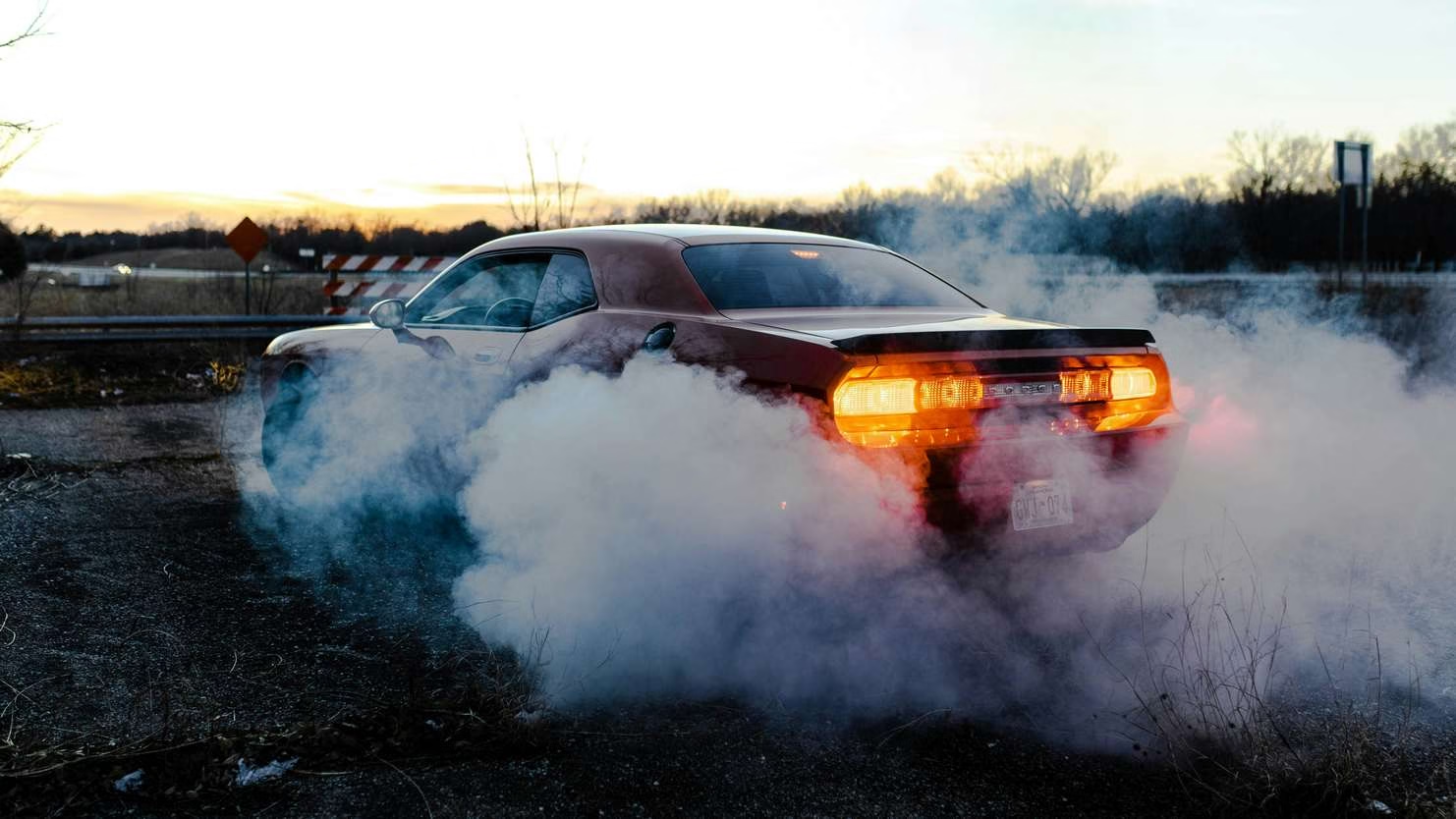
Seeing white smoke come out of your car can feel scary. Your mind jumps to the worst. Is the engine failing? Is it safe to drive? Will this turn into a huge repair bill?
Take a breath.
White smoke does not always mean disaster. In some cases, it is just water vapor on a cold morning. That is normal. But if the smoke is thick, keeps coming back, or has a sweet smell, your car may be warning you about a real problem.
This guide will help you figure out what white smoke means, when it is harmless, and when you need to act fast.
What Does White Smoke From a Car Usually Mean?
White smoke usually means one of two things. Your car is burning off moisture, or it is burning coolant.
The first one is no big deal. The second one can be serious.
If the smoke looks light and disappears after a few minutes, it is often just condensation in the exhaust. This happens a lot in cool or damp weather.
If the smoke is thick, hangs in the air, and keeps coming out while you drive, the problem may be inside the engine. Coolant may be leaking into a place where it should not be. When that happens, the engine burns it, and white smoke comes out of the tailpipe.
That is when you need to pay attention.
Is White Smoke Ever Normal?
Yes. Sometimes white smoke is completely normal.
When you start your car on a cold morning, the exhaust system may have moisture in it. As the engine warms up, that moisture turns into vapor. You see a little white mist. Then it fades away.
That kind of smoke is usually harmless.
Here is what normal white smoke looks like:
Signs It Is Probably Normal
- It appears right after startup
- It looks thin and light
- It disappears after a short time
- The car drives normally
- You do not notice any strange smell
- The engine temperature stays normal
If that sounds like your car, you may not have anything to worry about.
But if the smoke stays thick after the engine warms up, it is time to dig deeper.
When White Smoke Is a Problem
White smoke becomes a concern when it does not go away. It can mean your car is burning coolant. Coolant helps keep your engine from overheating. If it leaks into the engine, things can go bad fast.
You should take white smoke seriously if:
Warning Signs to Watch For
- The smoke keeps coming out while driving
- It looks dense or heavy
- It smells sweet
- Your engine starts running rough
- The car loses power
- The temperature gauge climbs
- You keep losing coolant
- A warning light comes on
If you notice even a few of these signs, do not ignore them. Small engine issues often grow into big ones.
Common Reasons Your Car Is Blowing White Smoke
There are a few common causes behind white smoke. Some are mild. Some are expensive. The key is spotting the signs early.
Condensation in the Exhaust
This is the most harmless cause.
Moisture can build up inside the exhaust system when the car sits. Once you start the engine, that moisture turns into vapor. You see a light white mist for a short time.
This usually happens in the morning or in cooler weather. If the smoke stops after the engine warms up, this is likely the reason.
No repair needed.
Coolant Leaking Into the Engine
This is one of the most common serious causes.
Coolant should stay inside the cooling system. If it leaks into the engine, the heat burns it. That creates thick white smoke from the exhaust.
A coolant leak inside the engine often comes with other clues. You may smell something sweet. Your coolant level may keep dropping. The engine may start to feel rough or weak.
This is not something to put off.
Blown Head Gasket
A blown head gasket is a common reason for heavy white smoke.
The head gasket seals key parts of the engine. When it fails, coolant can leak into the combustion chamber. That coolant burns and comes out as white smoke.
A blown head gasket can also cause:
- Overheating
- Poor acceleration
- Rough idling
- Milky oil
- Loss of coolant with no visible leak
This problem can get worse quickly. If you suspect it, stop driving as soon as you safely can.
Cracked Cylinder Head
A cracked cylinder head can create the same kind of issue.
If the crack allows coolant to leak into the engine, you may see steady white smoke. The engine may also misfire or run unevenly. This problem can be hard to spot without a proper inspection.
It is not as common as a head gasket issue, but it can be just as serious.
Cracked Engine Block
This is one of the more severe causes.
A cracked engine block can let coolant seep into areas where it gets burned. White smoke follows. So do major repair costs.
The signs can look similar to a blown head gasket. The difference is the repair is often much bigger.
If your car has persistent white smoke, overheating, and coolant loss, this is one possible cause.
Fuel System Issues in Diesel Vehicles
If you drive a diesel car or truck, white smoke can also come from fuel issues.
Sometimes the fuel is not burning the way it should. That can create smoke that looks white or gray. The engine may also feel rough or sluggish.
This cause is more common in diesel vehicles than gas cars. If you drive diesel, it is worth mentioning to your mechanic.
Rare Older Vehicle Issues
In some older cars, white smoke can happen if transmission fluid gets pulled into the engine. This is not common today, but it can still happen in older setups.
If you drive an older model and the smoke does not fit the usual pattern, ask a mechanic to check for less common causes.
What the Smoke Color and Smell Can Tell You
Not all white smoke looks the same. The shade, thickness, and smell can help you narrow down the cause.
Thin White Mist
This usually points to condensation.
It tends to show up on startup. It disappears fast. It does not smell unusual. The car drives fine.
Thick White Smoke
This is more serious.
Heavy smoke that lingers often means coolant is getting burned. If it keeps coming out after the engine warms up, do not brush it off.
Sweet-Smelling White Smoke
A sweet smell is a big clue.
Coolant has a sweet odor. If your exhaust smells sweet and looks white, there is a strong chance coolant is leaking into the engine.
White Smoke Only on Startup
This can go either way.
If it happens once in a while on a cold day, it may be normal. If it happens every day, lasts longer, or gets worse over time, it may be the early sign of a leak.
White Smoke While Accelerating
This is more concerning.
Smoke during acceleration can mean the engine is under stress and the problem shows up more when the car works harder. That often points to an internal engine issue.
How to Check the Problem at Home
You do not need to be a mechanic to spot the basic signs. A few simple checks can tell you a lot.
1. Watch How Long the Smoke Lasts
Start the car and pay attention.
Does the smoke fade after a few minutes? Or does it keep going? Short-lived mist is usually fine. Long-lasting smoke is not.
2. Check the Coolant Level
Look at the coolant reservoir when the engine is cool.
If the level keeps dropping and you do not see a leak under the car, coolant may be going into the engine.
3. Watch the Temperature Gauge
If your engine starts running hotter than usual, that matters.
White smoke plus overheating is a sign you should stop driving and get the car checked.
4. Look Under the Oil Cap
If the oil looks milky or creamy, that can mean coolant is mixing with oil.
That is a strong sign of an internal engine problem.
5. Notice the Smell
Does the smoke smell sweet? If yes, coolant is likely involved.
6. Pay Attention to How the Car Runs
Does it idle rough? Shake at stoplights? Lose power? Struggle to accelerate?
These symptoms matter. White smoke with rough performance often points to something more serious than simple condensation.
Can I Keep Driving If My Car Is Blowing White Smoke?
Sometimes yes. Often no.
If the smoke is light, shows up on startup, and disappears quickly, you can usually keep driving. That is often just normal moisture.
But if the smoke is thick, constant, or comes with overheating or coolant loss, do not keep driving unless you absolutely must move the car to safety.
Driving with coolant leaking into the engine can cause major damage. What starts as a repair may turn into an engine rebuild or full replacement.
If you are unsure, it is safer to stop and get it checked.
Most Likely Fixes
The right fix depends on the cause. White smoke is not one problem. It is a symptom.
Here is what the repair may look like:
If It Is Condensation
You do not need a repair.
Let the engine warm up. The smoke should go away on its own.
If It Is a Coolant Leak
A mechanic will need to find where the coolant is escaping.
It may be a gasket issue, a cracked part, or another cooling system fault. The repair can range from moderate to major, depending on where the leak is.
If It Is a Blown Head Gasket
This usually needs a real repair, not a quick patch.
A head gasket job can take time and cost a fair amount, but ignoring it almost always makes things worse.
If It Is a Cracked Head or Engine Block
These are major repairs.
In some cases, the part can be repaired. In others, it may need to be replaced. Sometimes the most cost-effective move is replacing the engine.
If It Is a Diesel Fuel Issue
The fuel system may need cleaning, testing, or part replacement.
A proper diagnosis matters here because white smoke in diesel engines can come from more than one source.
How Much Can It Cost to Fix?
Repair costs vary a lot.
If the smoke is just condensation, the cost is zero.
If the issue is a minor leak or a small cooling system problem, the cost may stay manageable. But if you are dealing with a blown head gasket, cracked cylinder head, or damaged engine block, the bill can climb fast.
That is why early action matters. Catching the issue sooner can save a lot of money later.
When You Should See a Mechanic Right Away
Some signs mean do not wait.
Get Help Fast If You Notice:
- Thick white smoke that does not stop
- A sweet smell from the exhaust
- Rising engine temperature
- Coolant that keeps disappearing
- Rough idling or shaking
- Poor acceleration
- Milky oil
- Warning lights on the dash
These are not small hints. They are red flags.
The longer you drive with them, the more damage you risk.
How to Prevent White Smoke Problems
You cannot prevent every problem, but you can lower the odds.
Simple Ways to Protect Your Engine
- Check coolant levels often
- Fix overheating problems early
- Pay attention to warning lights
- Do not ignore rough idling or power loss
- Keep up with routine maintenance
- Have leaks checked before they get worse
Cars usually give warnings before a big breakdown. The trick is listening early.
Final Thoughts
White smoke from your car is not always bad news. Sometimes it is just normal vapor from moisture in the exhaust. But if the smoke is thick, persistent, sweet-smelling, or paired with overheating, do not ignore it.
That kind of smoke often points to coolant getting burned inside the engine. And that can lead to bigger trouble fast.
If the smoke fades quickly after startup, you are probably fine. If it keeps coming back, gets worse, or shows up while driving, it is time to act.
A quick inspection now can save you from a much bigger repair later.
FAQ
Why is my car blowing white smoke but not overheating?
It may just be condensation, especially if the smoke disappears fast. But it can also be an early sign of coolant leaking into the engine before the temperature starts to rise.
Is white smoke always a blown head gasket?
No. White smoke can come from normal moisture, a coolant leak, a cracked part, or other issues. A blown head gasket is common, but it is not the only cause.
Why does my car blow white smoke only when I start it?
If it only happens for a short time, moisture in the exhaust is the likely cause. If it happens often and lasts longer, the problem may be starting to develop.
What does sweet-smelling white smoke mean?
That usually means coolant is being burned. It is a sign you should get the car checked soon.
Can low coolant cause white smoke?
Yes. If coolant is leaking into the engine and getting burned, white smoke can come out of the exhaust.
How do I know if it is serious?
Look for thick smoke, a sweet smell, overheating, rough running, or coolant loss. Those signs often point to a real engine issue.