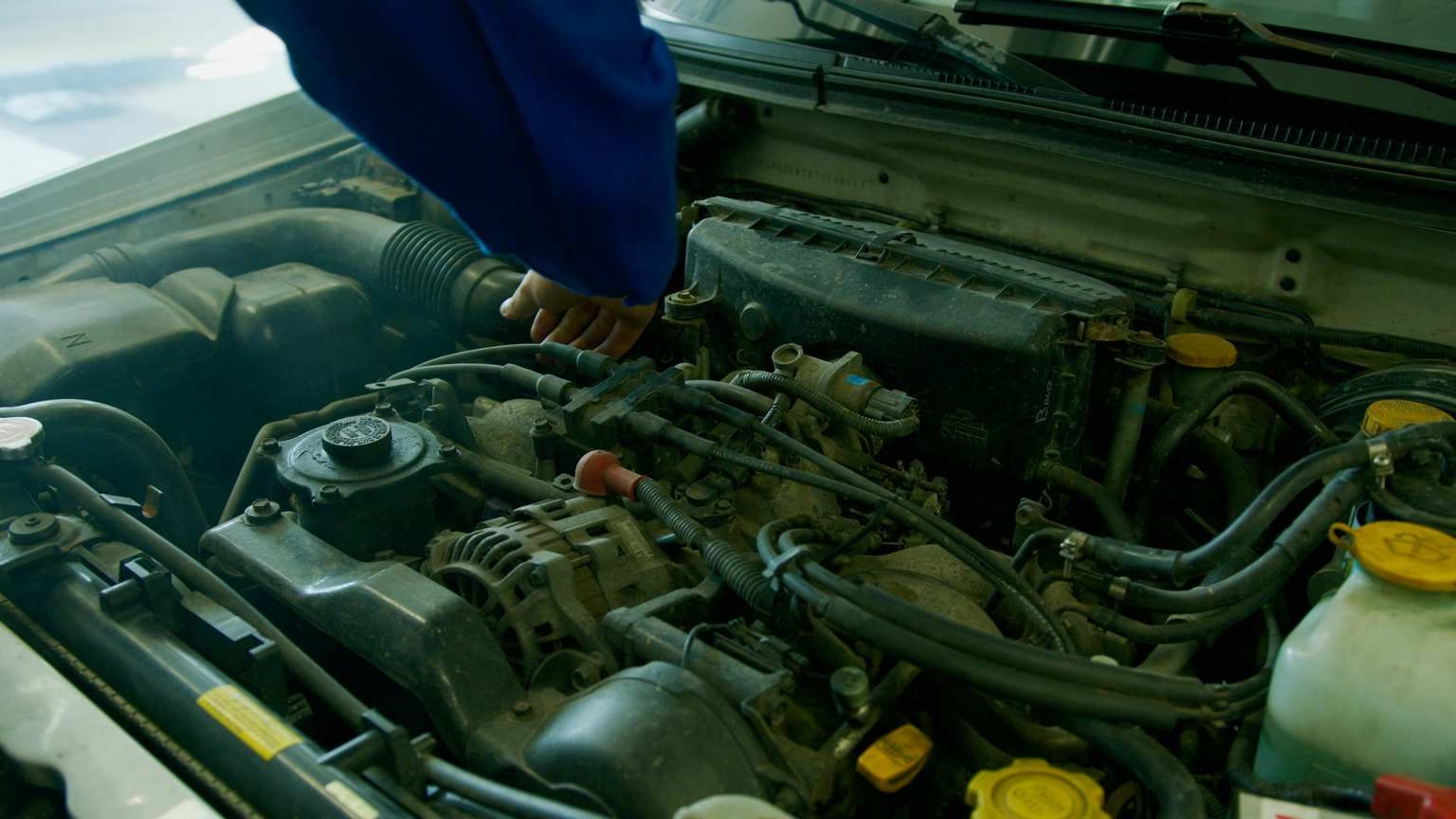
Disclaimer: This article gives general guidance only. Cars can overheat for many reasons, and driving an overheating car can damage the engine fast. If you see steam, smell burning, or the temperature keeps rising, pull over when it is safe and get help. Never open the radiator cap while the engine is hot.
Few car problems feel as urgent as an overheating engine. One minute, everything seems fine. The next, the temperature gauge climbs, a warning light pops on, and panic kicks in.
If you are asking, “Why is my car overheating?” the short answer is this: your engine is getting too hot because the cooling system is not doing its job. That can happen from low coolant, a leak, a stuck thermostat, a bad fan, a weak water pump, or a clogged radiator.
Some causes are simple. Others can get expensive fast. The key is to act early. In this guide, you will learn what overheating means, what causes it, what to do right away, and when it is time to stop driving and call for help.
What Does It Mean When a Car Overheats?
Your engine creates a lot of heat every time you drive. That is normal. Your cooling system is there to keep that heat under control. When that system fails, engine temperature rises too high. That is when your car overheats.
You may notice one or more warning signs:
- The temperature gauge moves into the red
- A dashboard warning light turns on
- Steam comes from under the hood
- You smell something hot or sweet
- The car feels weak or rough
- The air conditioner stops blowing cold air
An overheating engine is not a small issue. If you ignore it, you can end up with a warped engine part, a blown head gasket, or even total engine failure. That is why it helps to know what is causing it.
The Most Common Reasons Your Car Is Overheating
There is no single answer for every car. Still, most overheating problems come from the same handful of causes.
Low Coolant Level
Coolant helps carry heat away from the engine. If the coolant level drops too low, the system cannot control temperature the way it should.
This is one of the most common reasons a car overheats. It can happen from a leak, poor upkeep, or old coolant that has not been checked in a long time.
Signs of low coolant often include:
- A low level in the coolant tank
- A warning light on the dash
- A sweet smell
- Heat that works poorly inside the car
- The need to top up coolant more than once
If the coolant is low, something usually caused it. Coolant does not just vanish for no reason.
Coolant Leak
A leak can start in a hose, the radiator, the water pump, or the tank that holds extra coolant. Even a small leak can become a big problem over time. To diagnose the source of your coolant leak, please refer to this comprehensive guide on coolant leak causes.
You may notice:
- Puddles under the car
- Bright fluid near the front of the vehicle
- A sweet smell after parking
- The coolant level dropping again and again
A leak often starts small. That is what makes it tricky. The car may seem fine for a while, then overheat when you least expect it.
Faulty Thermostat
The thermostat controls when coolant flows through the engine. If it sticks shut, coolant cannot move the way it should. Heat builds fast.
This problem often shows up as:
- A quick jump in temperature
- Overheating soon after you start driving
- Heat that comes and goes
- A gauge that rises fast with no clear reason
A bad thermostat can look like a larger problem. That is why it often gets missed at first.
Bad Radiator
The radiator helps cool the coolant after it absorbs heat from the engine. If the radiator is blocked, damaged, or worn out, it cannot release heat well enough.
Common clues include:
- Overheating in traffic
- Coolant around the front of the car
- Rust or buildup near the radiator
- A car that runs hotter on warm days
A weak radiator may still work a little. That is why overheating can feel random at first.
Failing Water Pump
The water pump moves coolant through the engine and radiator. If it fails, coolant flow slows down or stops. That causes heat to build quickly.
Possible signs include:
- A whining or grinding noise
- Coolant leaking near the pump area
- The engine running hot at all speeds
- Repeat overheating even after adding coolant
If the water pump is failing, the problem usually gets worse, not better.
Broken Radiator Fan
The radiator fan helps cool the engine when the car is not moving fast enough for air to flow through the radiator on its own. That makes the fan extra important in traffic and at stoplights.
A fan problem often looks like this:
- The car overheats while idling
- It runs cooler once you start moving
- The air conditioner stops working well at low speed
- You do not hear the fan when the engine is hot
If your car overheats mostly in traffic, the fan is a strong suspect.
Clogged Cooling System
Over time, old coolant can leave buildup behind. Dirt and rust can also collect inside the system. That blocks flow and reduces cooling power.
Signs may include:
- Repeat overheating
- Weak heat inside the cabin
- Dirty or dark coolant
- Temperature changes that seem odd or uneven
This problem often builds slowly. You may notice small warning signs before a full overheating event happens.
Blown Head Gasket
This is one of the more serious causes. A head gasket seals key parts of the engine. If it fails, coolant and engine gases can mix in ways they should not.
Possible warning signs include:
- White smoke from the exhaust
- Milky-looking oil
- Bubbles in the coolant tank
- Coolant loss with no clear leak
- Rough running or misfires
A blown head gasket is not something to put off. If you suspect it, get the car checked as soon as possible.
Why Is My Car Overheating But It Has Coolant?
This is a very common question. Many drivers check the coolant tank, see that it is not empty, and feel confused. If there is coolant in the car, why is it still running hot?
The answer is simple. Coolant alone is not enough. It also has to move, cool, and flow the right way.
Your car can still overheat with coolant in the system if:
- The thermostat is stuck
- The water pump is weak or broken
- The radiator fan is not working
- The radiator is blocked
- Air is trapped in the cooling system
- The temperature sensor is wrong
- A head gasket issue is causing hidden trouble
So yes, full coolant does not always mean the system is healthy.
What To Do Right Away If Your Car Starts Overheating
If your car starts to overheat, stay calm. The goal is to lower stress on the engine and get to safety.
Turn Off the Air Conditioner
The air conditioner adds extra load. Turning it off can help reduce stress on the engine.
Turn On the Heater
This may sound strange, but it can help pull some heat away from the engine. It may make the cabin uncomfortable, but it can buy you time.
Pull Over as Soon as It Is Safe
If the gauge keeps rising, do not keep driving to “see if it gets better.” Find a safe place to stop.
Shut Off the Engine and Let It Cool
Once you stop, turn the engine off and give it time to cool down. Do not rush this part.
Do Not Open the Radiator Cap
This is important. A hot cooling system is under pressure. Opening it too soon can cause serious burns.
Look for Obvious Signs
After the engine cools, you can look for clear clues like:
- Coolant under the car
- A cracked hose
- Steam marks
- A very low coolant tank
If you do not see anything obvious, that does not mean the problem is minor. Some issues stay hidden.
Get Help If Needed
If you see steam, smell burning, or the temperature shot into the red, it is smart to get roadside help or have the car checked by a mechanic. That is often cheaper than replacing an engine later.
Can You Drive a Car That Is Overheating?
In most cases, no. If the car is overheating, driving it further can turn a small repair into a huge bill.
You may risk:
- Severe engine damage
- A blown head gasket
- Warped metal parts
- Engine seizure
If you only need to move the car a very short distance to get out of danger, do so with care. But if the warning light stays on, the gauge keeps climbing, or steam appears, stop driving.
This is one of those moments when “just a few more miles” can cost you a lot.
How To Narrow Down the Cause
You do not need to be a mechanic to notice patterns. Paying attention to when the overheating happens can point you in the right direction.
If It Overheats in Traffic but Not on the Highway
The radiator fan may not be working. Low-speed cooling depends more on the fan.
If It Overheats Soon After You Start Driving
The thermostat may be stuck, or coolant may not be flowing right.
If It Overheats at All Speeds
The issue may be low coolant, a water pump problem, a serious leak, or a blocked system.
If It Overheats Only With the Air Conditioner On
The engine may already be under strain, and the extra load pushes it over the edge.
If the Heater Stops Blowing Warm Air
That can point to low coolant or poor coolant flow.
If Coolant Keeps Dropping
There is likely a leak, even if you do not see one right away.
These signs do not replace a proper inspection, but they can help you describe the problem clearly and avoid guessing.
When Overheating Means a Serious Repair
Some symptoms are bigger red flags than others. If you notice any of the signs below, do not wait too long.
Watch for:
- White smoke from the exhaust
- Milky oil
- Bubbles in the coolant tank
- Coolant that keeps disappearing
- Repeated overheating after topping up coolant
- Rough engine performance
- A strong sweet smell inside or outside the car
These signs can point to a deeper engine problem. The sooner you act, the better your chance of avoiding major damage.
How To Help Prevent Your Car From Overheating Again
The best fix is the one you never need. A little routine care can go a long way.
Check Coolant on a Regular Basis
Make it part of your basic car routine. If the level drops, do not ignore it.
Fix Small Leaks Early
A tiny leak today can become a breakdown tomorrow.
Replace Worn Hoses and Parts
Rubber hoses and seals do not last forever. Replacing weak parts early can save you trouble later.
Flush Old Coolant When Needed
Old coolant loses strength and can leave buildup behind. Fresh coolant helps the system work the way it should.
Watch the Temperature Gauge
Most drivers ignore it until something goes wrong. A quick glance now and then can help you catch trouble early.
Pay Attention to New Smells or Sounds
A sweet smell, a hot smell, or a new whining noise can be an early warning sign. Trust your senses.
The Bottom Line
So, why is your car overheating? Most of the time, it comes down to a cooling system issue. Low coolant, leaks, a stuck thermostat, a bad radiator fan, a weak water pump, or a clogged radiator are all common causes.
The worst thing you can do is ignore it. If your car overheats, act fast. Turn off the air conditioner, pull over safely, let the engine cool, and do not open the radiator cap while it is hot.
If the problem happens more than once, or you notice steam, smoke, or coolant loss, get the car checked right away. A quick repair now can save you from a much bigger repair later.
Frequently Asked Questions
Why is my car overheating when idle but not while driving?
This often points to a radiator fan problem. At low speed, your car depends more on the fan to cool the engine.
Why is my car overheating after adding coolant?
Adding coolant may help for a short time, but it does not fix the root problem. You may still have a leak, a stuck thermostat, trapped air, or a failing water pump.
Why is my car overheating with no visible leak?
Some leaks are hard to spot. You could also have a bad thermostat, a blocked radiator, a fan problem, or an internal engine issue.
Can low oil cause a car to overheat?
Yes, it can. Oil helps reduce friction and heat. If oil gets too low, the engine can run hotter than normal.
How long can an engine run while overheating?
Not long without risk. Even a short drive while overheating can cause major damage. It is safer to stop early than to push your luck.
Need Help With an Overheating Car?
If your car keeps running hot, do not wait for it to get worse. A fast inspection can catch the cause before it turns into engine damage. If you run an auto repair shop or service page, this is a great place to invite readers to book a cooling system check, leak inspection, or radiator service.