You walk out to your car and spot a dark stain on the driveway. Not great. Your first thought is simple. Why is my car leaking oil?
The good news is this. An oil leak does not always mean a huge repair bill. In some cases, the fix is small and easy. In other cases, the leak points to a bigger problem that needs fast attention.
Either way, you should not ignore it.
Oil helps keep your engine cool, smooth, and protected. When oil leaks out, your engine loses that protection. If the level drops too low, parts can wear out fast. That can turn a small issue into a costly one.
In this guide, I will walk you through the most common reasons a car leaks oil, the warning signs to watch for, and what you should do next.
How to Tell If the Fluid Is Really Engine Oil
Before you jump to conclusions, make sure the fluid under your car is actually oil. Cars can leak other fluids too, and each one points to a different issue.
Fresh engine oil usually looks amber or light brown. Older oil tends to look dark brown or black. It feels slick and greasy when you rub a tiny bit between your fingers.
The spot also matters. Engine oil often drips from the front or middle area under the car. If the stain shows up in that zone, oil is a strong possibility.
Still, not every dark puddle is engine oil. Transmission fluid can look red or brown. Coolant often looks green, orange, or pink. Brake fluid can appear light brown. If you are unsure, check the color and feel before you assume the worst.
Why Is My Car Leaking Oil? The Most Common Causes
Oil leaks happen for a reason. In most cases, one worn part or one simple mistake causes the problem. Here are the most likely reasons.
Worn Valve Cover Gasket
This is one of the most common causes of an oil leak. The valve cover sits on top of the engine, and a rubber seal keeps oil from slipping out. Over time, that seal can dry out, crack, or shrink.
When that happens, oil starts to seep around the edges. You may notice a burning smell too. That happens when leaking oil lands on hot engine parts.
This problem often starts small. Still, it should not sit too long. A small seep can turn into a bigger leak.
Damaged Oil Pan or Oil Pan Gasket
The oil pan holds the engine oil at the bottom of the engine. It sits low, which means it can take hits from road debris, potholes, or rough surfaces.
If the pan cracks or the seal around it wears out, oil can drip from the bottom of the engine. This leak may be easy to spot because the oil often lands right under the middle of the car.
A damaged oil pan needs attention soon. If the crack grows, the oil can drain out faster than you expect.
Loose or Worn Drain Plug
Every oil change involves removing and replacing the drain plug. If that plug is loose, worn, or fitted with a bad washer, oil can leak out after service.
This type of leak is easy to miss at first. You may only see a few drops at first. Then the stain gets bigger day by day.
If your car started leaking oil right after an oil change, this is one of the first things to check.
Bad or Loose Oil Filter
The oil filter also gets changed during routine service. If it is not tightened the right way, or if the wrong filter was used, oil can leak around it.
In some cases, the old filter seal sticks to the engine. Then the new filter goes on top of it. That creates a poor seal and causes a leak.
This issue can go from minor to messy very fast. If the filter is very loose, oil can escape quickly.
Failing Front or Rear Main Seal
These seals help keep oil inside the engine where moving parts meet. When one of them wears out, oil can leak from deep inside the engine area.
These leaks are harder to spot. You may not see oil high up on the engine. Instead, you may only notice drips under the car or oil buildup underneath.
Main seal problems often cost more to fix because the repair takes more time. It is not always urgent on day one, but it should not wait too long.
Too Much Oil in the Engine
More oil does not mean better protection. In fact, too much oil can create extra pressure inside the engine. That pressure can push oil past seals and gaskets.
This often happens after a do-it-yourself oil change. If someone added too much oil, the engine may start leaking even though nothing is broken.
The fix can be simple if you catch it early. But if you keep driving, the extra pressure can stress other parts.
Cracked Engine Block or Serious Engine Damage
This is the least common cause, but it is also the most serious. A crack in the engine block can let oil leak out and cause major problems.
If this is the issue, you may notice other warning signs too. The engine may overheat. You may hear odd sounds. The car may run rough. The leak may also be severe.
This is not a wait-and-see problem. If you suspect major engine damage, stop driving and get it checked right away.
Common Signs Your Car Has an Oil Leak
Sometimes the leak is obvious. Other times, the signs are more subtle. Here is what to watch for.
Oil Spots Under the Car
This is usually the first clue. A few drops may not seem like much, but they still matter. Check whether the spots keep coming back. If they do, you likely have an active leak.
Burning Oil Smell
Oil that drips onto hot engine parts can burn and create a sharp smell. If you notice that smell after a drive, do not ignore it.
Smoke From the Engine Area
If leaking oil hits very hot parts, it can smoke. That does not always mean fire, but it does mean the leak needs attention fast.
Low Oil Level
If you keep topping off your oil, something is wrong. A healthy engine should not lose oil that quickly between services.
Oil Warning Light
This is a serious sign. If the oil light comes on, your engine may not have enough oil pressure. Driving like that can cause major damage.
Dirty, Oily Engine Parts
Open the hood and look around. If you see wet, greasy buildup on engine parts, oil may be leaking and spreading across the area.
Why Does My Car Leak Oil When Parked?
Many drivers notice oil leaks most when the car sits overnight. That is common.
When you turn off the engine, oil settles. If a seal or gasket has worn out, the oil may slowly drip down and land on the ground. That makes the leak easier to see when the car has been parked for a while.
A parked-car leak often points to a gasket problem, an oil pan issue, or a loose drain plug. Even if the car seems fine while driving, the leak still matters.
Is It Safe to Drive With an Oil Leak?
That depends on how bad the leak is. A tiny seep may not stop you from driving a short distance. But a fast leak can destroy an engine.
If the oil level is full, there is no warning light, and the leak is very small, you may be able to drive a short trip to a repair shop. Keep it brief and check the oil first.
Do not keep driving if any of these signs show up:
The Oil Light Is On
This is the big one. Low oil pressure can damage your engine in minutes.
The Leak Is Getting Worse Fast
If the puddle is growing, the leak is active and serious enough to act on now.
You See Smoke or Smell Burning Oil
This raises the risk of damage and creates a real safety issue.
The Engine Sounds Louder or Rougher
Lack of oil can make the engine work harder. Strange sounds are a warning.
If you are in doubt, play it safe. It is cheaper to tow a car than replace an engine.
How to Find Where the Oil Leak Is Coming From
You do not need to be a mechanic to do a basic check. A simple look can help you narrow down the cause.
Check the Color and Location of the Puddle
Look at where the stain forms under the car. A leak near the front or center often points to engine oil. Check the color too.
Check the Oil Level
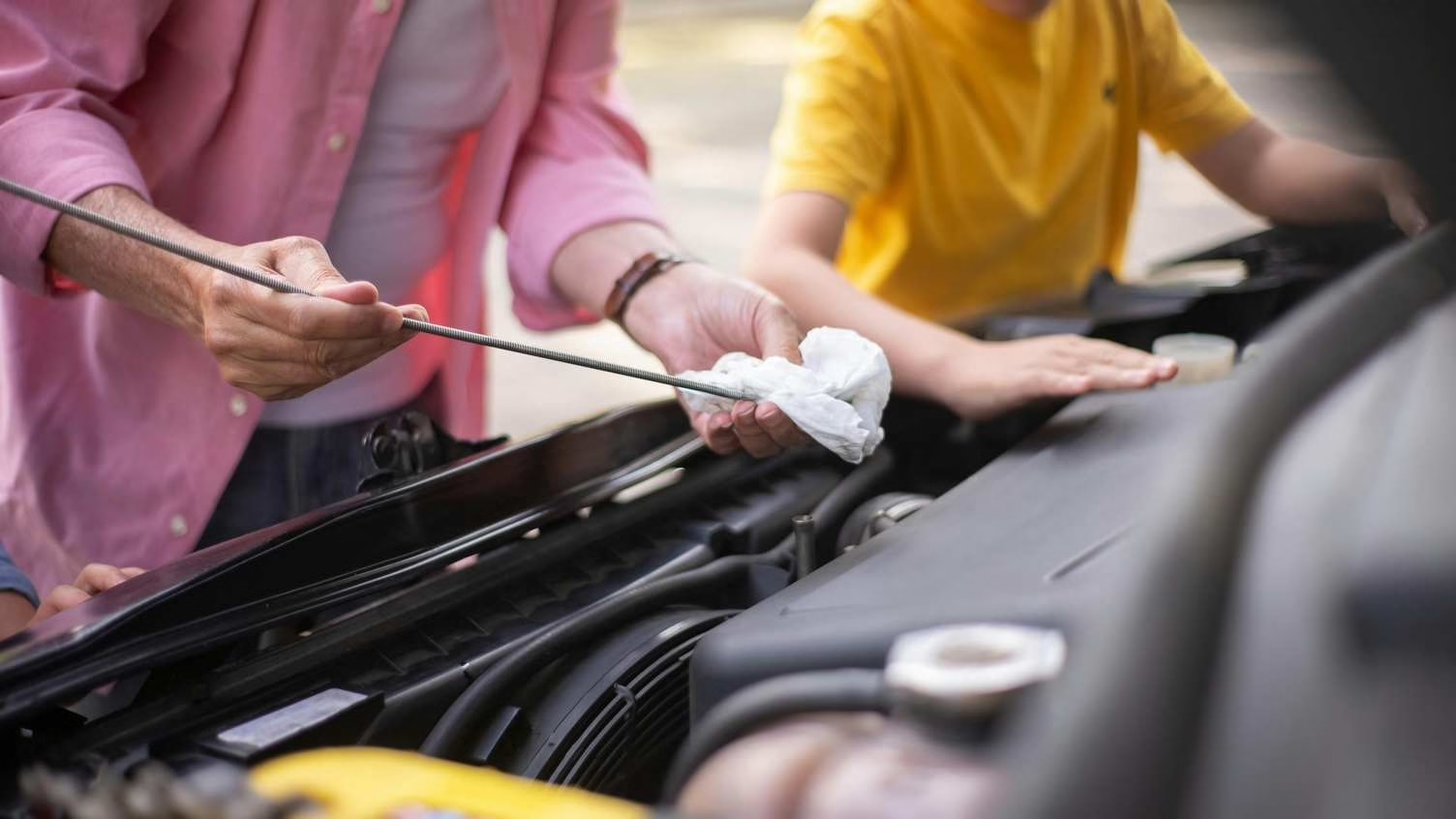
Use the dipstick when the car is parked on level ground. If the oil is low, the leak may be more serious than it looks.
Look Around Common Leak Points
Take a careful look around the valve cover, oil pan, drain plug, and oil filter. If one area looks wet or dirty with fresh oil, that may be the source.
Put Cardboard Under the Car Overnight
This simple trick works well. Place clean cardboard under the engine area and leave it overnight. In the morning, the drip pattern can help show where the leak starts.
Clean the Area and Watch for Fresh Oil
If the area is already dirty, it can be hard to spot the source. Cleaning it first can make a fresh leak easier to find.
Get Help If the Source Is Not Clear
Some leaks hide deep inside the engine area. If you cannot find it, a repair shop can trace it faster.
What Causes Oil Leaks After an Oil Change?
If your car started leaking right after service, the timing is a clue. The problem may be linked to the oil change itself.
A loose drain plug is one common cause. A damaged plug washer is another. A loose or wrong oil filter can also leak. In some cases, the engine was overfilled with oil. In others, spilled oil during service gets mistaken for a leak, even though nothing is actually broken.
If the leak showed up right after an oil change, do not wait. Go back and get it checked.
How Much Does It Cost to Fix an Oil Leak?
The cost depends on the cause. Some repairs are simple. Others take more labor and cost much more.
A drain plug or oil filter issue is usually on the lower end. A valve cover gasket tends to fall in the middle. An oil pan gasket can cost more, especially if access is tight. Main seal repairs often cost a lot because they take more time. Major engine damage is the most expensive by far.
The big lesson is simple. Early fixes cost less. Waiting almost always costs more.
What to Do If Your Car Is Leaking Oil
If you think your car has an oil leak, take these steps right away.
Check the Oil Level
This tells you how urgent the problem may be. If the level is low, do not ignore it.
Watch for Warning Lights
If the oil light comes on, stop driving as soon as it is safe.
Top Off the Oil if Needed
If the level is low and you know the right oil to use, adding a little may help protect the engine until you get the leak checked. Do not overfill it.
Avoid Long Drives
Even a small leak can become a big one. Keep driving to a minimum until you know the cause.
Book an Inspection Soon
A quick check now can prevent a major repair later.
Can You Prevent Oil Leaks?
You cannot prevent every leak, but you can lower the risk.
Regular oil changes help a lot. So does using the right oil and the right amount. Routine checks also matter. Catching a worn seal early can save you from a larger repair later.
It also helps to pay attention to small signs. A faint smell, a tiny drip, or a slow drop in oil level can all be early warnings. When you act early, you usually save money.
Frequently Asked Questions
Why Is My Car Leaking Oil but Still Running Fine?
A car can keep running well even with a small oil leak. That does not mean the problem is harmless. The engine may still lose oil over time, and the leak can get worse.
Why Does My Car Leak Oil Only When Parked?
Oil often settles and drips down after the engine turns off. That makes the leak easier to see when the car sits still.
Can I Drive My Car if It Is Leaking Oil?
Maybe, but only if the leak is very small, the oil level is safe, and there are no warning lights or smoke. If you are unsure, do not risk it.
How Serious Is an Engine Oil Leak?
It can be minor or severe. A small gasket leak is very different from a failing main seal or cracked engine part. The safest move is to find the cause early.
Does an Oil Leak Mean I Need a New Engine?
Usually not. Most oil leaks come from seals, gaskets, filters, or plugs. A new engine is only needed in the most severe cases.
Final Thoughts
So, why is your car leaking oil?
In many cases, the cause is a worn gasket, a loose drain plug, a bad oil filter, or a damaged oil pan. Sometimes the fix is simple. Sometimes it takes more work. The key is to act before the engine runs low on oil.
Do not wait for a small drip to turn into a major repair.
If you see fresh oil spots, smell burning oil, or notice your oil level dropping, get the leak checked as soon as you can. A fast diagnosis can save your engine and your wallet.