This guide is for general information only and does not replace medical advice.
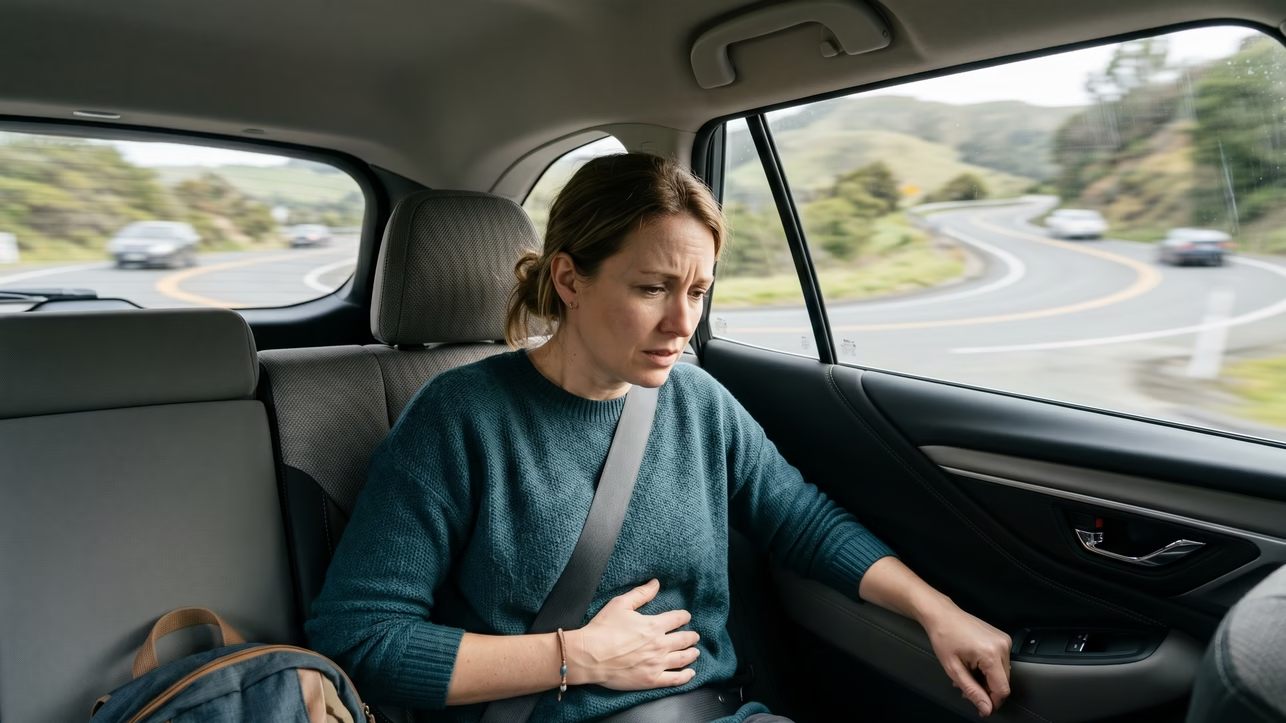
You get in the car feeling fine. Then the ride starts. A few minutes later, your stomach turns. You feel warm, dizzy, or tired. Maybe you start to sweat. Maybe you need to stop the car right away.
If this sounds familiar, you are not alone.
Car sickness is common in both adults and kids. The good news is that it usually has a clear cause. Better yet, there are simple ways to prevent it and calm it fast.
In this guide, you will learn what causes car sickness, why some people get it more than others, and what you can do before and during a ride to feel better. You will also find easy home fixes, smart travel habits, and simple tips for long trips.
What Is Car Sickness?
Car sickness is a type of motion sickness. It happens when your body senses movement, but your brain gets mixed signals about that movement.
Think of it like this. Your inner ear feels the car moving. Your body feels the bumps and turns. But your eyes may be looking at a still seat, a phone screen, or the inside of the car. Your brain tries to make sense of these signals, and that mismatch can make you feel sick.
That is why motion sickness in car rides often shows up when you are reading, looking at a screen, or sitting in the back seat.
What Causes Car Sickness?
The main reason car sickness happens is a signal mix-up between your eyes, your inner ear, and your brain.
Your inner ear helps you sense balance and movement. When the car speeds up, slows down, turns, or hits bumps, your inner ear notices. But if your eyes are fixed on something inside the car, they may not fully register that movement. Your brain gets two different stories at once.
That is what causes car sickness for most people.
Your brain does not like this confusion. It reacts by setting off symptoms like nausea, sweating, dizziness, and stomach discomfort. This is why car sickness causes such a strong physical response even though nothing is “wrong” with your stomach.
So, why do people get car sick in some rides but not others? Because certain driving conditions make the signal mismatch worse. Winding roads, stop and go traffic, sudden braking, and screen use can all make symptoms show up fast.
If you have ever wondered why does car sickness happen more on some trips than others, that is usually the reason.
Common Symptoms of Car Sickness
Car sickness can feel mild at first. Then it can build quickly. Knowing the early signs helps you act sooner.
Common symptoms include:
- Nausea
- Dizziness
- Cold sweat
- Headache
- Yawning
- Pale skin
- Fatigue
- Extra saliva
- Stomach discomfort
- Vomiting
Early warning signs are often easy to miss. You may feel warm. Your stomach may feel “off.” You may get quiet or lose focus. Children may become pale, sleepy, or cranky before they say they feel sick.
Catching these signs early can help you stop the spiral before it gets worse.
Why Some People Get Car Sick More Easily Than Others
Some people can read in the back seat for hours. Others feel sick in ten minutes. That difference is real.
Age can play a big role
Children often get car sick more than adults. Their balance system is still developing, and they may be more sensitive to movement. Some kids outgrow it. Some do not.
Some people are simply more sensitive
Motion affects people in different ways. If you are already sensitive to spinning, amusement rides, or boat travel, you may be more likely to get car sick too. This is one reason car sickness causes trouble for some people even on short drives.
Migraine and headaches can make it worse
People who get migraines or frequent headaches often seem more sensitive to motion. Even a normal ride can feel harder on days when they already feel off.
Stress and anxiety matter
Worry can make symptoms stronger. If you expect to get sick, your body may tense up before the ride even starts. That does not mean the symptoms are “in your head.” It means stress can add fuel to the fire.
Fatigue and hormonal changes can lower your tolerance
Poor sleep can make you less able to handle motion. Some people also notice more sensitivity during pregnancy or other hormonal shifts.
Top Triggers That Make Car Sickness Worse
You may already know you get car sick. But the real breakthrough comes when you learn what makes it worse.
Looking at a phone or book
This is one of the biggest triggers. Your eyes lock onto something still while your body feels the road. That creates the perfect setup for nausea.
Sitting in the back seat
The back seat often gives you less view of the road ahead. It can also feel bumpier or more side to side, especially on rough roads.
Heat and stuffy air
Warm, stale air can make nausea hit faster. Strong smells can make it worse too. Perfume, food, smoke, and even air fresheners can be a problem.
Heavy or greasy meals
A very full stomach can make motion feel worse. Greasy, spicy, or rich foods may sit heavily before a ride.
Sharp turns and stop and go traffic
Your body keeps adjusting to changing motion. That makes it harder for your brain to keep up.
Not getting enough sleep
When you are tired, your body is less steady and less calm. Motion may bother you more than usual.
These triggers help explain why do people get car sick during one trip, then feel fine on another. The ride itself matters, but your habits matter too.
How to Stop Car Sickness Fast During a Ride
When symptoms start, act fast. Small steps can make a big difference.
Look out the front window
Focus on the road ahead or the horizon. This helps your eyes and inner ear agree on what is happening. It is one of the quickest ways to reduce the signal mismatch.
Stop reading and put your phone away
If you are looking down, stop right away. Screens can make symptoms worse in minutes. If you need entertainment, switch to music, a podcast, or an audiobook.
Get cool fresh air
Open a window if you can. Turn on cool air. Fresh air can ease nausea and help you feel more in control.
Keep your head still
Lean back against the headrest. Try not to turn your head too much. Less motion often means less discomfort.
Sit in a better spot if possible
The front passenger seat is often the best place for adults. If you cannot move, try to sit upright and face forward.
Breathe slowly
Take slow, steady breaths. In through your nose. Out through your mouth. This can help calm both nausea and anxiety.
Try a simple remedy
Some people feel better with ginger chews, peppermint mints, or bland crackers. These are not magic, but they can help settle the stomach.
Take a short break
If the ride is long, stop and step out for a few minutes. Walk a bit. Let your body reset.
If you need the fastest answer to what helps with nausea in the car, start with these steps: look ahead, cool the air, stop using screens, and steady your head.
DIY Ways to Prevent Car Sickness Before It Starts
The best fix is often prevention. A few smart choices before the ride can change the whole trip.
Choose the right seat
Where you sit matters more than many people think. Adults often do best in the front passenger seat. Kids who are old enough may do better where they can see forward clearly. Facing forward is key.
If you have asked what causes car sickness in adults, seat choice is part of the answer. The less visual confusion, the better.
Eat light before travel
Do not start a trip stuffed. But do not travel very hungry if that makes you feel shaky. Aim for a small, light meal or snack. Crackers, toast, fruit, rice, or plain yogurt can work well for many people.
Try to avoid:
- Greasy foods
- Very spicy meals
- Very large portions
- Alcohol before travel
Sip water, not too much caffeine
Hydration helps. Sip water before and during the ride. Too much coffee or energy drinks can make some people feel worse, especially if they already feel nervous or uneasy.
Avoid visual triggers
This is a big one. If you know you get car sick, skip the phone, tablet, and book. Listen instead. Audio keeps your mind busy without making the symptom loop worse.
Keep the car cool and fresh
Set the temperature to a comfortable level. Use outside air if possible. Avoid strong smells from food, perfume, or smoke.
Travel when you are well rested
If you can choose your timing, avoid long trips when you are exhausted. Sleep matters more than most people realize.
Build tolerance slowly
If car sickness is a frequent problem, try shorter rides more often. Start with calm routes. Use the same simple routine each time. Over time, your body may handle travel better.
Pack a simple car sickness kit
A small kit can save a trip. Keep these in the car:
- Water bottle
- Ginger chews
- Peppermint mints
- Tissues
- Wet wipes
- Disposable bags
- Bland crackers
- Cooling towel
- Extra shirt for kids
This turns stress into a plan. And a plan makes travel feel easier.
Best Natural and At-Home Remedies for Car Sickness
A lot of people want to know how to prevent car sickness naturally. The best natural remedies are simple, safe for many people, and easy to carry.
Ginger
Ginger is one of the most popular home remedies for car sickness. Many people like it as tea, chews, candies, or capsules. If it works for you, use it before the ride or at the first sign of nausea.
Peppermint
Peppermint mints or tea can feel soothing. Some people like the scent. Others prefer a mint they can slowly suck on during the ride.
Acupressure wrist bands
Some travelers use wrist bands designed for nausea relief. They are easy to wear and do not make you drowsy. They may not work for everyone, but some people swear by them.
Bland snacks
Dry foods can help settle a touchy stomach. Crackers, toast, dry cereal, or plain bread are easy options.
Calm breathing
This sounds basic, but it helps. Slow breathing lowers tension. Lower tension can mean less nausea.
Natural remedies work best as part of a full routine. They are more helpful when paired with the right seat, cool air, and no screen use.
How to Prevent Car Sickness in Kids
Kids often struggle to explain how they feel. That is why prevention matters so much.
Help them look outside
Encourage them to look ahead, not down. Point out things on the road. Make a game out of spotting signs, trucks, or colors.
Skip screens and books
Tablets and books are common triggers. Use songs, stories, or simple car games instead. Audio is your friend.
Give light snacks before the trip
A small, bland snack can help. Avoid greasy fast food, too much sugar, or very large meals right before the ride.
Keep the car cool
Fresh air helps kids too. Crack a window or run cool air in the car.
Watch for early signs
Kids may not say “I feel sick” right away. They may go quiet. They may yawn, look pale, or say their tummy feels funny. When you see early signs, act fast.
Plan more breaks
Long rides are harder for kids. Short stops can help a lot, especially on winding roads or during hot weather.
If you have been asking what causes car sickness in kids, it is usually the same basic issue as adults. The difference is that kids are often more sensitive and less able to manage the symptoms once they start.
Can Medicine Help?
Some people use motion sickness medicine for travel. It can help in some cases, especially for long rides or known problem routes. But some products can cause drowsiness or dry mouth.
Read the label carefully. If you are not sure what is right for you or your child, ask a doctor or pharmacist.
Medicine can be useful, but it works best when paired with smart travel habits. It should not be the only plan.
When Car Sickness Might Be Something Else
Most of the time, car sickness is just car sickness. But sometimes symptoms point to a different issue.
Talk to a doctor if:
- You feel dizzy even when you are not traveling
- Symptoms are severe or keep getting worse
- You have hearing changes
- You faint
- You vomit often
- You have balance problems outside the car
- The problem starts suddenly with no clear reason
If the pattern feels unusual, do not ignore it.
A Simple Car Sickness Routine for Long Trips
If you travel often, do not rely on luck. Use a routine.
Before the trip
Sleep well the night before. Eat a light meal. Fill a water bottle. Pack ginger, crackers, wipes, and a bag. Choose the best seat you can.
During the trip
Look ahead. Keep the air cool. Avoid screens. Sip water. Stop every so often if the ride is long.
If symptoms start
Put the phone away. Focus on the road ahead. Breathe slowly. Try fresh air. Use your go to remedy. Take a short break if needed.
A repeatable routine takes the guesswork out of travel. It can also lower the anxiety that often makes symptoms worse.
FAQ About Car Sickness
Why do I get car sick even when I am not driving?
You do not need to be the driver to feel motion. In fact, passengers often feel it more because they are not focused on the road. Your body senses the movement, but your eyes may not track it well.
Why is car sickness worse in the back seat?
The back seat often gives you less view of the road ahead. It can also feel more bumpy or side to side. That can increase the mismatch between what your eyes see and what your body feels.
Does looking at your phone make car sickness worse?
Yes, it often does. A phone screen stays still while the car moves, and that can trigger symptoms fast.
What is the fastest way to relieve car sickness?
Look out the front window, stop reading, get fresh air, and keep your head still. Those steps often help the fastest.
What foods help prevent car sickness?
Light, bland foods tend to work best. Crackers, toast, rice, bananas, and plain snacks are usually easier than greasy or spicy foods.
Can anxiety make car sickness worse?
Yes. Anxiety can increase tension and make symptoms feel stronger. A calm routine can help.
Do ginger and peppermint really help?
They help some people. They are simple to try and easy to pack, which is why they are so popular.
When should I see a doctor about car sickness?
See a doctor if symptoms are severe, happen often outside travel, or come with hearing loss, fainting, or ongoing balance problems.
Final Thoughts
So, what causes car sickness?
In most cases, it comes down to mixed signals. Your inner ear senses motion. Your eyes may not match it. Your brain gets confused, and your body responds with nausea, dizziness, and discomfort.
The good news is that you can do a lot about it.
Choose a better seat. Keep the air cool. Skip the screen. Eat light. Travel rested. Carry a few simple remedies. Use the same routine each time.
Small changes can make a big difference. And once you know why does car sickness happen, it gets much easier to stop it before it ruins the ride.