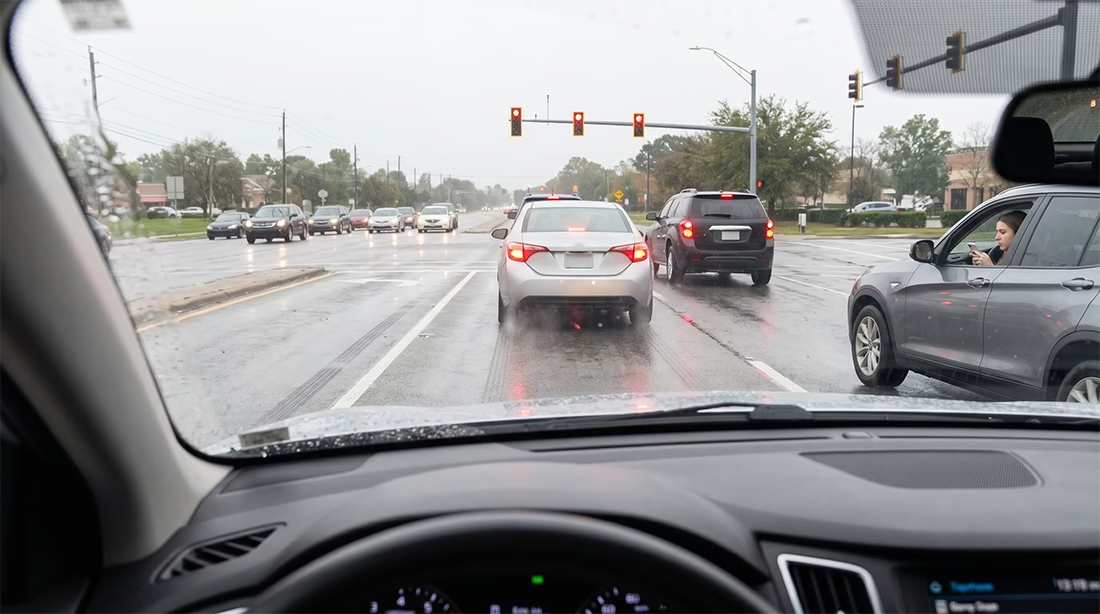
What causes car accidents? Most people think crashes come out of nowhere. But that is rarely true. In many cases, there is a clear reason behind the crash. Sometimes it is one bad choice. Sometimes it is a few small risks stacking up at the same time.
That is the good news too. If you know what raises your risk, you can lower it. You do not need to be a driving expert. You just need better habits, more awareness, and a few simple checks before you hit the road.
In this guide, you will learn the common causes of car accidents, why they happen, and what you can do about them. You will also get an easy DIY prevention plan you can start today. If you have ever wondered why do car accidents happen so often, this article will give you real answers in plain language.
Quick Answer: What Causes Car Accidents Most Often?
The most common causes of car accidents are distracted driving, speeding, tired driving, impaired driving, following too closely, poor weather, unsafe lane changes, running lights or signs, and poor vehicle upkeep. In most cases, crashes are not caused by luck. They happen because a driver makes a mistake, reacts too late, or ignores a growing risk.
The Most Common Causes of Car Accidents
1. Distracted Driving
Distracted driving is one of the biggest reasons crashes happen. Your eyes drift. Your hands leave the wheel. Your mind leaves the road. That is all it takes.
Phones are a major problem. So are food, music apps, passengers, and even your own thoughts. Many distracted driving accidents happen in just a few seconds. A driver glances down, traffic slows, and the crash happens before they can recover.
You can cut this risk fast with a few simple habits:
- Put your phone on driving mode before you start the car
- Set your route before you move
- Keep snacks, water, and sunglasses within reach
- Pull over if you need to reply, search, or fix something
A strong rule helps here. If the car is moving, you do not touch the phone. That one habit can change everything.
2. Speeding
Accidents caused by speeding are common for one simple reason. Speed steals time. You have less time to notice danger, less time to think, and less time to stop.
Speed also makes every mistake worse. A small slide becomes a major loss of control. A short stop becomes a hard crash. On wet roads, the danger rises even more.
People often speed without thinking about it. They are late. The road looks empty. Traffic feels slow. But the result is the same.
If you want to lower your risk, try this:
- Leave ten minutes earlier than you think you need
- Use cruise control on long, open roads when safe
- Watch your speed on turns, in rain, and at night
- Remind yourself that arriving calm beats arriving fast
Many people ask about the main cause of car accidents. There is no single answer for every crash. But speeding is one of the most dangerous habits because it turns a small problem into a big one.
3. Driving Under the Influence
Alcohol and drugs make safe driving harder. They slow your reaction time. They affect judgment. They make simple choices feel harder than they should.
The problem is not only being drunk. Even mild impairment can be risky. A driver may feel fine and still miss a light, drift out of a lane, or brake too late.
The best fix is simple. Plan before you go out.
- Choose a sober driver
- Book a ride home in advance
- Stay where you are if you are not safe to drive
- Make it a hard rule, not a maybe
Do not trust “I feel okay.” Trust a plan you made before the night started.
4. Fatigue and Drowsy Driving
Tired driving is often ignored, but it is a real danger. A sleepy driver may miss signs, drift in the lane, or react too slowly to traffic. In some cases, they may even fall asleep for a second or two. That is more than enough time for a crash.
This happens a lot on long drives, late nights, and early mornings. It also happens after poor sleep, long work shifts, or stressful days.
Here is how to reduce the risk:
- Do not start a long trip when you are already tired
- Stop every two hours and stretch
- Share the drive if you can
- If your eyes feel heavy, pull over and rest
Coffee can help for a short time. It cannot replace real rest. If your body says no, listen.
5. Tailgating
Following too closely is a major cause of rear-end crashes. When you tailgate, you leave no room for surprise. If the car ahead brakes, you may not have enough distance to stop.
This gets worse in traffic, rain, fog, or poor light. Many driver error car accidents begin with a simple bad habit like this.
A better rule is easy to remember. Leave at least three seconds between you and the car ahead in normal weather. Add more space in rain, darkness, or heavy traffic.
If someone tailgates you, do not brake-check them. That only raises the danger. Stay calm. Keep your speed steady. If safe, move over and let them pass.
6. Poor Weather Conditions
Weather changes everything. Roads get slick. Braking takes longer. Visibility drops. Other drivers become harder to read. That is why weather-related car accidents happen so often.
Rain is a big one. So are fog, wind, and glare from the sun. In each case, the road may look safe at first, but the risk grows fast.
A few easy steps help a lot:
- Slow down before the road feels dangerous
- Turn on your headlights when visibility drops
- Leave extra space between cars
- Avoid hard turns and sudden braking
- Check your tire tread and wiper blades often
Bad weather does not cause every crash by itself. It usually works with another issue, like speed, worn tires, or poor focus. That is why smart drivers adjust early.
7. Running Red Lights or Stop Signs
Intersections are high-risk zones. Cars cross paths from different directions. Speeds vary. Drivers make quick choices. One mistake there can lead to a serious crash.
Running a red light or rolling through a stop sign may save a second. It can also lead to a hard side-impact collision. Those crashes are often severe because there is little time to react.
A safer habit is to pause before you go, even when the light turns green. Scan left, right, then left again. Make sure other cars are slowing down the way they should.
Defensive driving tips matter most at intersections. Do not drive only by the signal. Drive by what you see.
8. Unsafe Lane Changes and Blind Spots
Some drivers change lanes like they are changing seats. Quick move. No full check. No signal. That is how sideswipes and merge crashes happen.
Blind spots are part of the problem. Mirrors help, but they do not show everything. If you move too fast or cut too close, you may hit a car you never saw.
Use a simple routine every time:
- Check your mirror
- Turn on your signal
- Glance over your shoulder
- Move only when the lane is clear
Also, avoid hanging out in another driver’s blind spot. Either pass with care or fall back. Sitting beside another car for too long raises the risk for both of you.
9. Aggressive Driving
Aggressive driving shows up in many ways. Weaving through traffic. Blocking merges. Racing lights. Refusing to let someone in. Driving angry. These choices create tension, and tension leads to mistakes.
Road rage makes things worse. A driver who feels attacked may stop thinking clearly. They may speed up, brake hard, or chase another car. That puts everyone at risk.
The best response is calm distance.
- Do not answer anger with anger
- Do not stare, shout, or gesture
- Let aggressive drivers go ahead
- Focus on getting away, not getting even
Driving is not a contest. The goal is not to win. The goal is to arrive safely.
10. Inexperienced Driving
New drivers have less practice reading the road. They may not spot trouble early. They may panic when traffic changes fast. They may also feel too confident too soon.
That mix can be dangerous. Inexperienced drivers often struggle with lane position, speed control, merges, parking, and emergency decisions.
Practice helps more than theory. So does building skill in stages.
- Start in low-stress areas
- Practice in rain only after basic control feels solid
- Learn how your brakes feel during firm stops
- Keep all distractions off during early driving months
Parents can help too. Calm coaching beats constant criticism. A driver learns more when they feel alert, not afraid.
11. Vehicle Maintenance Problems
Sometimes the car is part of the problem. Worn tires, weak brakes, bad lights, poor alignment, and old wipers can all raise your crash risk. Vehicle maintenance accident prevention is not flashy, but it works.
The good news is that many checks are easy to do at home.
DIY checks you can do in minutes
- Look at your tires for low tread or uneven wear
- Check tire pressure once a month
- Test your headlights, brake lights, and turn signals
- Replace wiper blades when they smear or skip
- Listen for brake squeaks or grinding
- Pay attention to warning lights on the dashboard
A well-kept car gives you more control. A neglected car takes options away when you need them most.
12. Poor Road Conditions
Not every hazard comes from the driver or the car. Roads can create danger too. Potholes, loose gravel, faded lane lines, poor signs, sharp edges, and work zones all add risk.
You cannot fix the road yourself, but you can respond better.
- Scan farther ahead
- Slow down when the road looks rough
- Avoid sudden swerves around potholes
- Leave extra space in work zones
- Watch for debris near turns and exits
A smart driver expects the road to change. That mindset helps you react sooner and smoother.
13. Night Driving
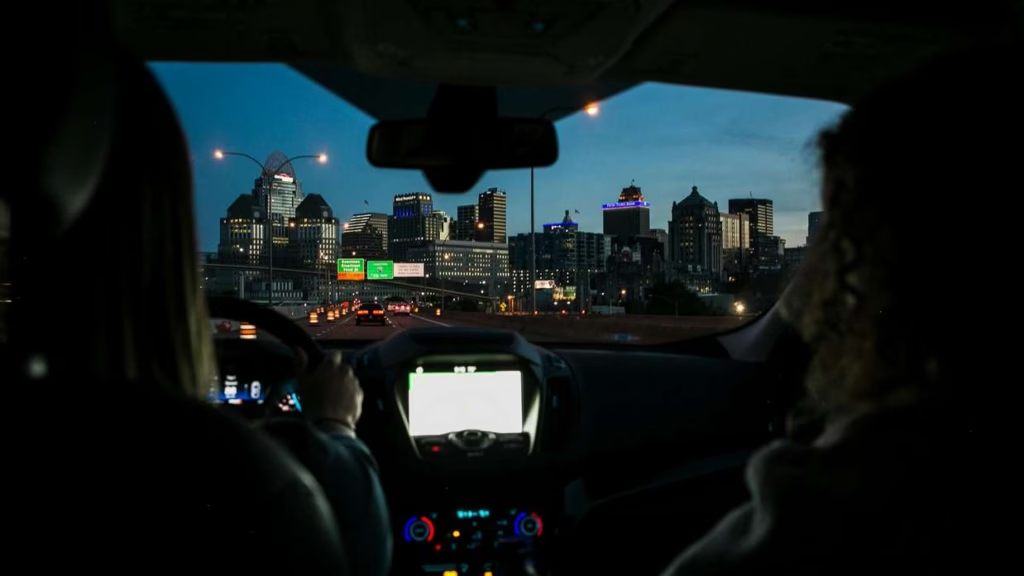
Driving at night is harder than many people think. Your view shrinks. Glare grows. Depth becomes harder to judge. Tiredness often kicks in too. That is why more crashes happen after dark.
Night driving becomes even riskier when roads are wet, rural, or poorly lit. On top of that, impaired drivers are more likely to be out late.
Here are a few ways to make night driving safer:
- Clean your windshield inside and out
- Make sure your headlights are clear and working
- Reduce speed on dark roads
- Avoid staring at oncoming lights
- Use high beams only when it is safe and legal
If a night drive feels harder than usual, trust that feeling. Slow down and give yourself more space.
14. Poor Decisions in Emergencies
Emergencies test your habits. If a car cuts in. If a tire blows. If traffic stops fast. If an animal runs out. In those moments, panic can cause a second crash or make the first one worse.
Common panic moves include slamming the brakes, yanking the wheel, or freezing for too long. These reactions are human, but they are risky.
You can build better responses with simple practice:
- Keep both hands ready on the wheel
- Look where you want the car to go, not at the danger
- Learn how your brakes feel during hard stops
- Breathe out and steer smoothly
You do not need race-car skills. You need calm basics you can trust under stress.
15. Multiple Small Risks Adding Up
This is the cause many people miss. One risk alone may not lead to a crash. But several small risks together can create a dangerous drive.
Picture this. You are tired. It is raining. You are late. Your tires are worn. You are also checking the map now and then. None of those may seem huge on their own. Together, they form a serious risk stack.
This is a better way to think about how to avoid a car accident. Do a quick scan before you leave.
Ask yourself:
- Am I tired?
- Am I rushed?
- Is the weather bad?
- Is my car in good shape?
- Is this route stressful today?
That thirty-second check can stop a bad chain before it starts.
A DIY Car Accident Prevention Plan You Can Start Today
If you want to know how to prevent car accidents in real life, start with a simple routine. You do not need a full life reset. You need a few repeatable actions.
Step 1: Do a 5-Minute Vehicle Safety Check
Before a longer drive, take five minutes and walk around the car.
Check:
- Tires look inflated and healthy
- Lights are working
- Mirrors are clean and set right
- Windshield is clear
- Wipers work well
- No warning lights are showing
This one habit catches many problems early.
Step 2: Build Safer Driving Habits
Good driving is often boring in the best way. Smooth. Calm. Predictable.
Focus on these habits:
- No phone in hand while moving
- More space between cars
- Slower speeds in poor conditions
- Eyes scanning ahead, not just at the hood
- No rushing through lights or turns
Safe habits reduce stress too. You make fewer sudden moves. The whole drive feels easier.
Step 3: Know Your Personal Risk Triggers
Everyone has weak spots. Some people speed when late. Some get distracted in traffic. Some drive tired more often than they admit.
Be honest with yourself. Your patterns matter more than general advice.
Write down your top triggers:
- Driving angry
- Driving sleepy
- Driving in heavy rain
- Driving in unfamiliar places
- Using the phone at red lights
- Leaving too late every morning
Once you know your triggers, you can plan around them.
Step 4: Keep a Basic Emergency Kit in the Car
A small kit can make a bad day easier.
Include:
- Flashlight
- Phone charger
- Reflective triangle
- First-aid basics
- Water
- Tire pressure gauge
- Paper and pen
This will not stop a crash, but it helps if something goes wrong. It also makes you feel more prepared, which helps you stay calm.
Step 5: Practice One Defensive Habit Each Week
Do not try to fix everything in one day. Choose one skill and focus on it for a week.
Week ideas:
- Week 1: no phone handling at all
- Week 2: improve following distance
- Week 3: smoother braking
- Week 4: better mirror checks
- Week 5: slower turns in wet weather
Small steps work because they stick.
Step 6: Review Your Driving Once a Month
Most people never reflect on close calls. That is a missed chance.
At the end of the month, ask:
- Did I speed more than usual?
- Did I drive tired?
- Did I ignore any warning signs on my car?
- What almost caused my last close call?
- What habit needs work next month?
This quick review turns random experience into real progress.
What to Do If You Notice One of These Accident Risks
Sometimes the warning signs are already there. The smart move is to act early.
If Your Brakes Feel Weak
Do not ignore it. Weak brakes can turn a near miss into a crash. If the pedal feels soft, the car shakes, or stopping takes longer, get the issue checked right away. Avoid driving until you know the car is safe.
If Your Tires Look Worn
Low tread means less grip, especially in rain. Replace worn tires before a long trip or bad weather drive. Better tires improve braking, cornering, and control.
If You Keep Using Your Phone While Driving
Do not rely on self-control alone. Remove the temptation. Use driving mode. Put the phone in the glove box. Let calls wait. A system beats willpower.
If You Panic in Heavy Traffic
Try this. Leave earlier. Use calmer routes when you can. Keep more space ahead. Take one deep breath at each red light. Stress feeds mistakes. Calm reduces them.
If Weather Turns Bad Mid-Drive
Slow down early. Turn on your lights. Leave more space. If visibility drops too much, pull over in a safe place and wait it out. Pushing through severe weather is rarely worth it.
What to Do After a Minor Car Accident
Many people search what to do after a minor car accident because stress makes simple steps hard to remember. A clear plan helps.
Start with safety.
- Move to a safe spot if you can
- Turn on hazard lights
- Check yourself and others for injuries
- Call emergency help if anyone is hurt
Then handle the basics.
- Exchange contact and vehicle details
- Take photos of damage and the scene
- Note the time, place, and road conditions
- Stay calm and avoid arguing about fault
- Report the incident as needed
Even a small crash deserves care. Adrenaline can hide pain, and damage is not always obvious at first.
Frequently Asked Questions
What is the number one cause of car accidents?
There is no single answer for every road and every country, but distracted driving is one of the most common and preventable causes. Speeding and driver error also rank high in many crash patterns.
Are most car accidents caused by driver error?
Yes, many crashes involve driver choices. That includes distraction, speeding, poor judgment, fatigue, and unsafe following distance. Road and weather matter too, but human choices often trigger the final mistake.
Can poor car maintenance cause accidents?
Yes. Worn tires, weak brakes, bad lights, and poor visibility can all raise crash risk. Regular upkeep is one of the easiest ways to support safer driving.
How can I reduce my chances of getting into a car accident?
Focus on the basics. Put the phone away. Slow down. Leave more space. Do not drive tired. Keep your car in good shape. Use defensive driving tips every day, not just in bad weather.
Why are accidents more common in bad weather?
Weather reduces traction and visibility. It also makes braking and turning harder. If drivers fail to slow down and adapt, the chance of a crash goes up fast.
Are new drivers more likely to crash?
Yes. New drivers have less practice spotting risk and reacting under pressure. The risk drops as skill, experience, and calm habits grow.
Final Thoughts
So, what causes car accidents? In most cases, it comes down to a short list of repeat problems. Distraction. Speed. Tiredness. Poor choices. Weak upkeep. Bad conditions. The pattern is simple, even when the crash is not.
That is also why this topic matters so much. Many crashes can be prevented. You may not control the road or other drivers, but you do control a lot more than you think.
Start small. Check your tires. Put your phone away. Leave earlier. Give yourself more space. These are not dramatic changes. But they work.
If you want a safer drive, do not wait for a close call to be your warning. Build better habits now. Small actions today can make a big difference the next time you turn the key.