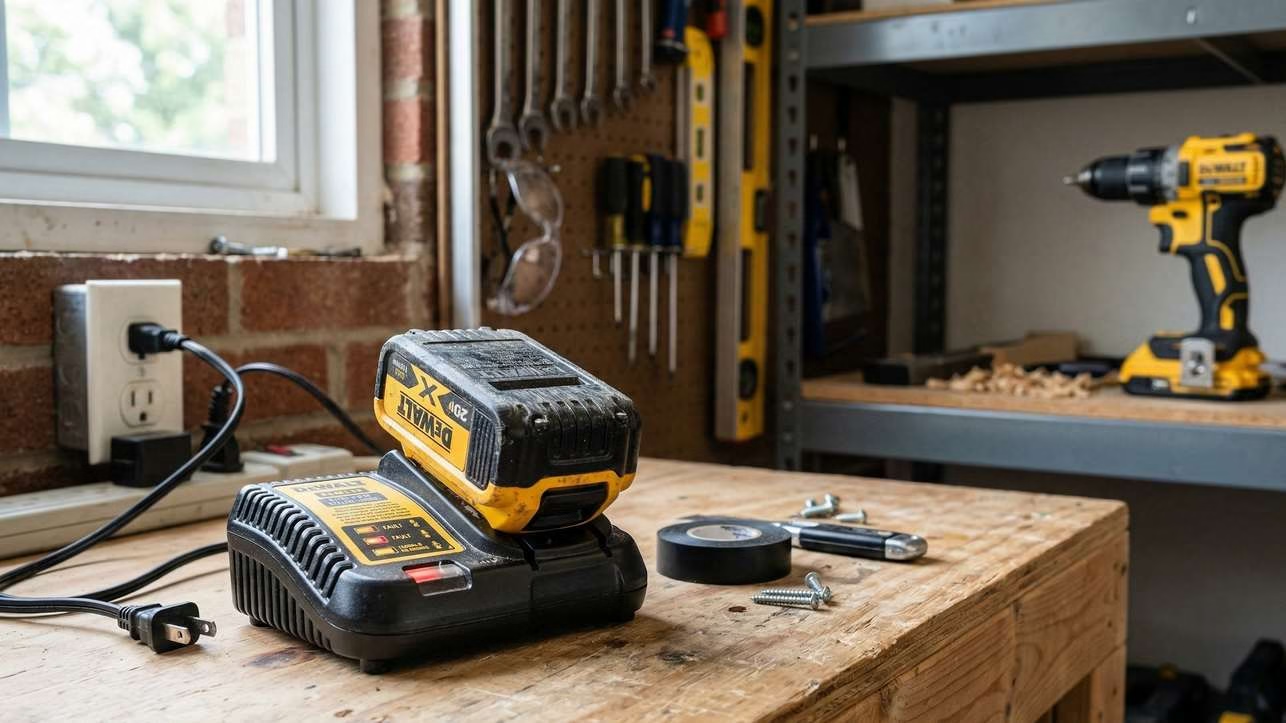
A dead tool battery can stop your whole day. You grab your drill, press the trigger, and nothing happens. Then you search for a fast fix and land on the idea of jump starting the pack.
It sounds simple. It is not.
If you are looking for how to jump start a DeWalt battery, the safest answer is this: do not try to force power into the battery or bypass its built-in safety features. That can damage the pack, ruin the charger, or create a real safety risk.
The good news is that a battery that seems dead is not always beyond help. In many cases, the problem is heat, cold, dirty contacts, a weak charger, or an old pack that has reached the end of its life. This guide walks you through safe steps that can help you figure out what is wrong and what to do next.
What People Mean by “Jump Starting” a DeWalt Battery
Most people do not mean the same thing they mean with a car battery. They usually mean one of these things:
- getting a battery to charge again after it looks fully dead
- making the charger recognize a pack that will not respond
- trying to revive a battery that has sat unused for a long time
That search often comes from stress. You have work to do. You do not want to buy a new pack. You want a quick win.
That makes sense. But with lithium-ion packs, quick hacks can turn into costly mistakes. A better plan is to find the real cause first. Many cases of a DeWalt battery not charging come down to simple issues you can check in a few minutes.
Is It Safe to Jump Start a DeWalt Battery?
In plain terms, no. Not in the way many videos and forum posts suggest.
A DeWalt battery has built-in protection for a reason. Those safety controls help prevent heat damage, short circuits, and charging problems. If the pack does not charge, that may be the battery trying to protect itself.
When people try to “jump start” a battery, they often mean pushing power into it from another source. That can go wrong fast. It may overheat the cells. It may weaken the battery even if it seems to work for a short time. In the worst case, it can create smoke, swelling, or fire risk.
So if your goal is to revive a DeWalt battery, skip the risky tricks. Use safe checks first. They are easier, smarter, and often enough to solve the problem.
Why a DeWalt Battery Stops Charging
Before you can fix the issue, you need to know why it happens. A DeWalt battery dead on the charger does not always mean the pack is ruined.
Here are the most common reasons.
The Battery Is Too Hot or Too Cold
Battery packs do not like extreme temperatures. If the pack was left in a hot truck or cold garage, the charger may refuse to charge it right away. That is normal. It is a safety step, not always a sign of failure.
The Contacts Are Dirty
Dust, grime, and light corrosion can block the connection between the charger and the battery. That small layer of dirt can keep the pack from charging as it should.
The Charger Has a Problem
Sometimes the battery is fine. The charger is the issue. A bad outlet, a weak charger, or the wrong charger for the pack can all make it look like the battery has failed.
The Pack Is Old
All batteries wear out over time. If your battery once lasted an hour and now dies in ten minutes, age may be the real problem. This is common with older packs that see heavy use.
The Battery Was Left Empty Too Long
If a pack sits drained for a long time, it may fall into a state where the charger no longer wants to charge it. This can happen after long storage or months without use.
There Is Internal Damage
If the battery was dropped, crushed, soaked, or overheated, the damage may be inside the pack. When that happens, the safest move is to stop using it.
Safe Steps to Try Before Replacing the Battery
If your DeWalt battery won’t charge, start with the basics. These steps are safe, simple, and worth trying before you buy a replacement.
Let the Battery Return to Room Temperature
If the pack feels very hot or very cold, do not charge it right away. Bring it indoors. Set it on a dry surface. Let it rest until it reaches room temperature.
Do not put it near a heater. Do not cool it in a fridge or freezer. Just give it time.
This one step solves more charging issues than many people expect.
Check the Charger and Power Source
Plug the charger into a known working outlet. If possible, test the outlet with another device. Then place the battery back on the charger and watch the lights.
If you have another charger that fits the same pack, test that too. This helps you figure out whether you have a bad battery, a bad charger, or both.
If you own more than one battery, try charging a different pack on the same charger. If that second pack works, the charger may be fine and the first battery may be the issue.
Clean the Battery Contacts
Take the battery off the charger. Look at the metal contact points on both the battery and the charger. If you see dust or dirt, wipe the area with a dry, soft cloth.
Do not soak the battery. Do not use harsh cleaners. Keep it simple. A clean connection helps the charger detect the pack and deliver power the right way.
This is one of the easiest ways to troubleshoot a DeWalt 20V battery.
Remove and Reinsert the Battery
Sometimes the battery is not seated well. Remove it. Place it back on the charger with a firm, normal fit. Then wait a few moments and check the charger lights again.
It sounds too easy, but loose contact is a real issue.
Try Another Known-Good Battery
This is one of the best tests you can run. If another battery charges on the same charger, that tells you a lot. It points to a fault in the first pack. If no battery charges, the charger may be the problem.
This simple swap can save you from buying the wrong part.
Check for Signs of Damage
Look over the outside of the battery. Watch for:
- cracks
- swelling
- melted spots
- burn marks
- leaking
- a strong odd smell
If you see any of those signs, stop. Do not charge the pack again. Do not use it in a tool. A damaged battery is not worth the risk.
Think About the Battery’s Age
If the battery is several years old and has seen hard use, it may simply be worn out. A weak old pack can act like a DeWalt battery not charging when the real issue is cell wear.
At that point, a replacement may be the smarter and cheaper choice.
What to Do If the Charger Blinks but the Battery Still Won’t Charge
A blinking charger light can feel confusing. You put the pack on the charger, see activity, and assume it is working. Then an hour later, the battery is still dead.
This often points to one of three things:
- the battery is too hot or too cold
- the battery is not making a clean contact
- the charger sees a fault in the pack
Start with temperature. Let the battery rest at room temperature, then try again.
Next, clean the contacts and reseat the battery.
Then test with another battery on the same charger. That helps you pin down the real problem.
If the charger keeps blinking and the pack never gains charge, the battery may be near the end of its life.
Can a DeWalt Battery Be Reset?
People often search for a DeWalt battery reset when a pack stops responding. In most cases, they are not talking about a secret button or hidden mode. They just want the charger to see the battery again.
A safe “reset” usually means doing the basics:
- let the pack return to room temperature
- clean the contacts
- reseat it on the charger
- test it on a known good charger
- compare it against another working battery
These steps may help the charger detect the pack if the issue is minor. But they will not fix broken cells or internal damage. If the battery still fails after safe checks, it is time to stop pushing it.
When the Battery Is No Longer Safe to Use
Some warning signs mean the pack should be retired right away.
Swelling
A swollen battery is not safe. Do not charge it. Do not store it inside your tool bag. Set it aside and plan for proper recycling.
Excess Heat
If the pack gets very hot during normal use or charging, that is a red flag. A little warmth can be normal. A lot of heat is not.
Leaking or Smell
Any leak or strong chemical smell means the battery is no longer safe to use.
Cracks or Burn Marks
Physical damage can lead to bigger problems later. Even if the pack still powers a tool, it may fail without warning.
It Will Not Hold a Charge
If the battery charges, then dies almost at once, the pack may be worn out. That is one of the clearest bad DeWalt battery signs.
Better Alternatives to Jump Starting a DeWalt Battery
If you hoped for a quick trick, this may feel less exciting. But these options are the ones that make sense.
Use the Correct Charger
Always use a charger made for your battery line. If you have more than one charger, test the pack on another compatible unit. This is one of the fastest ways to check whether the problem is the battery or the charger.
Replace the Battery if It Is Worn Out
Sometimes the smart move is the simple one. A new battery saves time, stress, and repeat failure. If your old pack has poor runtime, overheats, or refuses to charge after safe checks, replacement is often the best path.
Contact Support if the Battery Is Still Under Warranty
If the pack is still within warranty, check your options before you spend money. A battery that fails early may qualify for support or replacement.
Recycle the Old Pack the Right Way
Do not throw power tool batteries in household trash. Set the old pack aside and recycle it through a proper battery drop-off program.
How Long Should a DeWalt Battery Last?
There is no perfect number because use matters a lot. A battery used every day on heavy jobs will age faster than one used once a month around the house.
That said, most packs show wear over time. Heat speeds that up. So does deep drain, rough storage, and constant heavy use.
Here are common signs that a battery is aging:
- shorter runtime
- slower charging
- more heat during use
- weak power under load
- trouble holding charge between uses
If you notice several of these at once, you may be dealing with an old pack, not a charger problem.
How to Prevent the Problem in the Future
Want to avoid another dead pack? A few habits make a big difference.
Store Batteries in a Mild, Dry Place
Avoid hot cars, damp sheds, and freezing spaces. Heat and cold both shorten battery life.
Do Not Leave a Pack Empty for Long
If a battery is drained, recharge it soon. Long-term deep discharge is hard on the pack.
Keep the Contacts Clean
A quick wipe now and then helps the charger and tool make a solid connection.
Use the Right Charger Every Time
Stick with a charger designed for your battery line. That lowers the chance of charging issues and helps the pack age in a healthier way.
Rotate Batteries if You Own Several
If you always use the same pack and ignore the rest, that one pack will wear out faster. Rotation helps spread out the load.
Check Packs Before Long Storage
If you are putting tools away for weeks or months, inspect the batteries first. Make sure they are clean, dry, and stored in a safe place.
Replace or Recover: How to Decide
If you are on the fence, use this simple test.
Try safe troubleshooting if:
- the battery is fairly new
- there is no visible damage
- the pack was exposed to heat or cold
- the contacts were dirty
- you have not yet tested another charger
Replace the battery if:
- it is swollen, cracked, leaking, or burnt
- it gets too hot during use or charging
- it charges but dies very fast
- it fails on more than one charger
- it is old and has poor runtime
This clear line helps you avoid wasting time on a pack that is already done.
FAQ
Can you jump start a DeWalt battery?
It is not a good idea to force power into a tool battery or bypass its safety features. A safer path is to check the charger, clean the contacts, let the pack reach room temperature, and replace it if needed.
Why is my DeWalt battery not charging?
The most common causes are heat, cold, dirty contacts, charger trouble, old age, or internal damage.
How do I know if my DeWalt battery is bad?
Look for swelling, overheating, very short runtime, a failure to hold charge, leaking, odd smell, or damage to the case.
What does a blinking light on the charger mean?
It can mean the battery is too hot, too cold, not seated well, or has a fault. Test another battery on the same charger to help narrow it down.
Can a fully dead lithium-ion battery be recovered?
Sometimes a battery that seems dead can charge again after safe checks. But if it has been empty for too long or has internal damage, it may not recover.
Is it better to repair or replace a DeWalt battery?
For most users, replacement is the better choice when the pack shows damage, poor runtime, or repeat charging failure. It is safer and saves time.
How should I store DeWalt batteries when not in use?
Keep them in a cool, dry place away from extreme heat, freezing temperatures, and moisture.
Final Verdict
If you searched for how to jump start a DeWalt battery, the real answer is not about hacks. It is about safe troubleshooting.
Start with the basics. Let the pack return to room temperature. Check the charger. Clean the contacts. Test another battery. Look for damage. Think about age.
These steps solve a lot of problems without risk.
If the pack is swollen, hot, cracked, leaking, or simply worn out, do not force it. Replace it and move on. That choice is safer, faster, and often cheaper than chasing a fix that will not last.