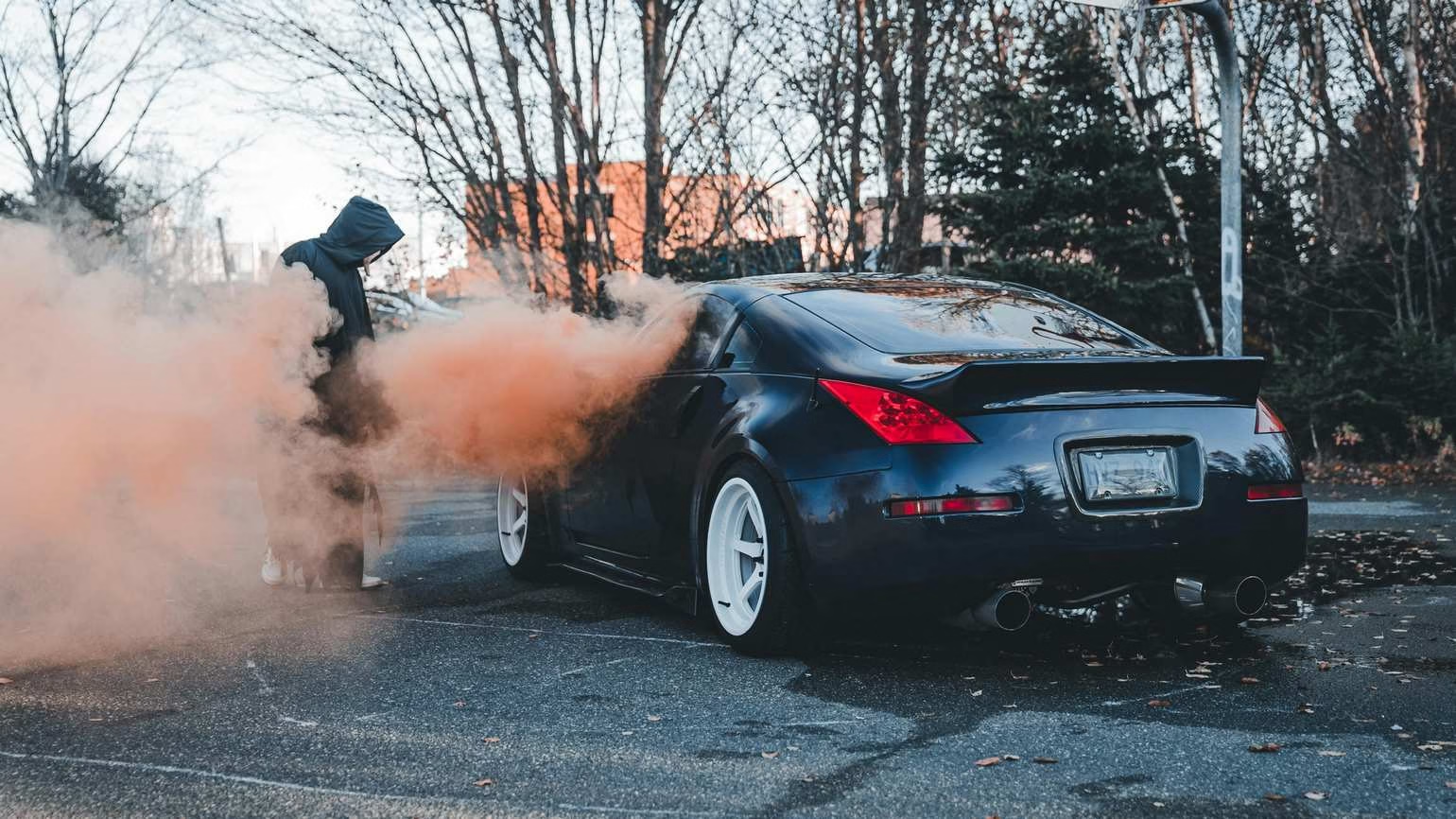
A burning smell from your car can feel scary. Sometimes the cause is small. Other times, it points to a bigger issue that needs fast attention. The key is simple. Do not guess. Find out what kind of burning smell you notice, when it happens, and where it seems to come from.
This guide will help you do that. You will learn the most common causes, what you can check at home, which DIY fixes are worth trying, and when you should stop driving right away. The goal is to help you act fast, stay safe, and avoid bigger repair bills later.
✨ Recommended Car Air Fresheners | Breathe New Life Into Every Drive ✨
Smart car diffusers & premium air fresheners — elegant design, long-lasting freshness

Aromatherapy Diffuser

Air Freshener

Air Freshener

Air Freshener

Diffuser
Is It Safe to Drive If Your Car Smells Like Burning?
It depends on the smell, the timing, and what else your car is doing.
If the smell is light and fades fast, you may be dealing with something minor. A little oil may have spilled during an oil change. A plastic bag may have touched the exhaust. A cabin filter may be full of dust and heat.
But if the smell is strong, sudden, or keeps coming back, take it seriously. Pull over if you see smoke, feel weak brakes, notice a warning light, or hear odd sounds. A burning smell can come from hot brakes, leaking oil, a slipping belt, bad wiring, or overheated fluid. Some of those problems can get worse fast.
Here is the simple rule. If the smell comes with smoke, heat, poor braking, engine trouble, or a melted plastic odor, stop driving and get the car checked.
First, Figure Out What the Burning Smell Resembles
Not all burning smells mean the same thing. The type of odor gives you your first big clue.
Burning Rubber Smell
A rubber smell often points to a slipping belt, a loose hose touching a hot part, a tire rubbing where it should not, or brakes that are running too hot. It can also happen if road debris gets trapped under the car.
This smell often shows up after a long drive, hard braking, or when the engine is under load.
Burning Oil Smell
Burning oil has a sharp, heavy smell. You may notice it more after the engine warms up. In many cases, oil is leaking onto a hot engine part. It can also happen after an oil change if some oil spilled and was not cleaned off.
If you notice light smoke under the hood with this smell, a leak becomes more likely.
Burning Plastic Smell
This smell often means plastic touched a hot surface. A bag may have stuck to the exhaust. A loose cover may be melting. In some cases, wiring insulation may be getting too hot.
A burning plastic odor should never be ignored, especially if it gets stronger when you use the heater or air conditioner.
Electrical Burning Smell
An electrical smell is often sharp, dry, and harsh. It can remind you of hot wires or a melting plug. This is one of the most serious smells on the list. It may mean a short, a hot motor, or damaged wiring.
If you smell this, do not keep driving just to see if it goes away.
Burnt Paper or Chemical Smell
This kind of smell often points to brakes, clutch wear, or transmission heat. Manual cars can give off a burnt paper smell when the clutch slips. Hot brakes can make a similar odor after downhill driving or stop-and-go traffic.
If the smell comes right after braking, the brake system deserves a close look.
9 Common Reasons Your Car Smells Like Burning
Now let’s get into the most likely causes.
1. Oil Leaks Onto a Hot Engine
This is one of the most common reasons for a burning smell. Oil can leak from a gasket or around the oil cap area. Once that oil hits a hot engine surface, it burns and creates a strong odor.
You may smell it most after driving for a while. You might also notice a little smoke from under the hood.
If you recently had an oil change, check for a loose cap or spilled oil near the top of the engine.
2. The Serpentine Belt Is Slipping
Your serpentine belt helps run key parts like the alternator and air conditioner. If it is worn, loose, or glazed, it may slip and create heat. That heat can smell like burning rubber.
You may also hear a squeal when the car starts or when you press the gas.
A worn belt is often easy to spot. Look for cracks, frayed edges, or a shiny surface.
3. The Brakes Are Overheating
Brakes create heat by design. But too much heat leads to trouble. Hard braking, mountain roads, heavy traffic, or a stuck caliper can make the brakes run hot enough to smell burnt.
You may notice the smell near one wheel. The car may pull to one side. The brakes may also feel soft or weak.
Hot brakes need attention fast. Brake problems affect safety right away.
4. The Clutch Is Slipping
If you drive a manual car, the clutch may be the source. A slipping clutch often smells like burnt paper or chemicals. This can happen after hill starts, heavy traffic, or from resting your foot on the clutch pedal too often.
You may also notice that the engine revs up, but the car does not pick up speed the way it should.
A worn clutch will not heal on its own. It usually gets worse with time.
5. Transmission Fluid Is Too Hot
Hot transmission fluid can produce a sharp burning smell. This may happen after towing, long highway drives, or when the fluid is old or low.
You may also feel rough shifts, delayed gear changes, or poor response.
If you catch this early, a fluid service may help. If you ignore it, the repair bill can grow fast.
6. Electrical Parts Are Overheating
Bad wiring, loose battery connections, a failing alternator, or a hot blower motor can all create a burning smell. In many cases, the odor smells like hot plastic or wires.
You may also notice flickering lights, weak battery power, or problems with the heater or AC fan.
Electrical issues can turn dangerous quickly. Treat them with care.
7. Debris Is Stuck to the Exhaust
This one is simple, but common. A plastic bag, leaves, or road trash can stick to the exhaust. Once the metal gets hot, the debris starts to melt or burn.
The smell may appear all at once after driving over something in the road. It often fades after the debris burns off or gets removed.
Always let the exhaust cool fully before checking underneath.
8. The Heater or AC System Has a Problem
If the smell only shows up when you use the heater or air conditioner, the issue may be in the cabin air system. A dirty cabin air filter, hot blower motor, or failing resistor can cause odd burning odors through the vents.
This smell may seem stronger inside the cabin than outside the car.
Start with the easy fix. Check the cabin filter first.
9. A Hose, Tire, or Plastic Part Is Rubbing
A loose engine cover, sagging splash shield, bad clip, or rubbing tire can all create a burning smell. This often happens after a repair, a bump in the road, or a missing fastener.
The smell may come and go as the car moves. It may be stronger after the engine warms up.
A quick visual check can often reveal the problem.
DIY Diagnosis Checklist: What to Check First
Before you call a mechanic, do a calm and safe check.
Step 1: Park and Let the Car Cool
Park on a flat surface. Turn the engine off. Give the car time to cool. Do not touch hot engine parts. Do not reach near the exhaust right away.
Step 2: Look for Smoke, Leaks, or Warning Lights
Check under the hood. Look under the car. Peek near the wheels. If you see fresh fluid, smoke, or a warning light, that matters.
Step 3: Match the Smell
Ask yourself what the smell reminds you of. Rubber? Oil? Plastic? Hot brakes? This helps narrow the cause fast.
Step 4: Notice When It Happens
Does the smell show up after braking? Only with the AC on? After a long drive? When you press the gas? Timing is a big clue.
Step 5: Check These Areas
Look at the belt. Scan for oil around the engine. Check for plastic stuck under the car. Inspect the wheel wells. Look for loose hoses, sagging covers, or signs of rubbing.
Extended DIY Solutions You Can Try at Home
If the smell is mild and there are no major warning signs, try these safe DIY fixes.
DIY Fix 1: Clean Spilled Oil Off the Engine
If the smell started after an oil change, spilled oil is a strong possibility.
What you need
- Gloves
- Shop towels
- Engine-safe degreaser
- Soft brush
What to do
Make sure the engine is cool. Find the oily area around the oil cap, valve cover, or filter area. Spray the degreaser on the spill. Let it sit for a short time. Wipe the area clean. Use the brush if needed. Once clean, start the car and see if the smell fades over the next few trips.
If the smell keeps coming back, you may have a real leak.
DIY Fix 2: Inspect and Replace a Worn Serpentine Belt
A worn belt can be easy to spot.
What you need
- Flashlight
- Basic wrench or socket set
- Replacement belt
- Belt routing guide
What to do
With the engine off, inspect the belt. Look for cracks, fraying, missing ribs, or a shiny glazed surface. If the belt looks bad, replace it. Follow the routing guide carefully. Release the tensioner, remove the old belt, and fit the new one in the same path.
If the belt squeals after replacement, the tensioner or pulley may also need work.
DIY Fix 3: Remove Debris from the Exhaust
If you drove over road trash, check under the car once it cools.
What you need
- Gloves
- Flashlight
What to do
Wait until the exhaust is fully cool. Then inspect for plastic bags, leaves, or other debris stuck to the exhaust pipe or heat shield. Remove it gently. If a little melted residue remains, it may burn off over time, but the smell should weaken.
Never crawl under a car that is not safely supported.
DIY Fix 4: Replace the Cabin Air Filter
A dirty filter can hold dust, old smells, and heat.
What you need
- New cabin air filter
- Clean cloth
What to do
Find the filter housing, which is often behind the glove box. Remove the old filter. Wipe out the housing. Install the new filter in the correct direction. Then test the heater and AC.
This is simple, cheap, and often worth trying first.
DIY Fix 5: Secure Loose Hoses or Covers
A loose part can create a smell fast.
What you need
- Flashlight
- Replacement clips or ties if needed
What to do
Check for hoses resting too close to hot metal. Look for covers, shields, or liners that have dropped or shifted. Secure anything that has come loose. Replace broken clips if you can.
If you see a hose that looks worn or melted, replace it soon.
DIY Fix 6: Check for Brake Heat
Brakes that run too hot need attention.
What to do
After a short drive, park safely. Without touching the wheel directly, feel for heat near each wheel from a safe distance. If one area feels much hotter than the others, a brake may be sticking.
This is not the time for a long drive. Have the brakes checked before the problem gets worse.
DIY Fix 7: Inspect the Battery and Fuse Area
A loose connection can create heat.
What to do
Turn the car off. Look at the battery terminals and fuse box. Check for corrosion, melted plastic, or a burnt smell. Tighten a loose battery terminal if it is clearly loose. Replace a blown fuse only with the same type and rating.
If you see melted wires or damaged connectors, stop there and get help.
Burning Smell by Situation: Quick Troubleshooting
Sometimes the timing tells you more than the smell itself.
Car Smells Like Burning After Driving
This often points to oil leaks, hot brakes, exhaust debris, or transmission heat. Heat builds during the drive, so the smell may only appear when you stop.
Car Smells Like Burning When Accelerating
Think about a slipping belt, oil leak, transmission issue, or clutch slip. The added engine load can make the smell stronger.
Car Smells Like Burning Rubber
Start with the belt, hoses, tire rub, and brake heat. Rubber smells often come from friction or contact.
Car Smells Like Burning Oil
Focus on engine leaks, spilled oil, and hot engine surfaces. Look near the top and sides of the engine first.
Car Smells Like Burning Plastic
Check the exhaust, loose covers, and electrical parts. If the smell is strong inside the cabin, inspect the heater and AC system too.
Car Smells Like Burning When the AC or Heater Is On
The blower motor, resistor, or cabin filter may be to blame. If the smell grows stronger with fan speed, the air system becomes more likely.
When a DIY Fix Is Enough and When You Need a Mechanic
DIY makes sense when the cause is simple and clear. That includes spilled oil, a dirty cabin filter, loose trim, or debris stuck under the car. These problems are often cheap and easy to solve.
You need a mechanic if the smell is electrical, keeps returning, or comes with smoke, warning lights, rough shifting, slipping, weak brakes, or fluid leaks. Those signs point to a deeper problem. Waiting can turn a small repair into a major one.
When in doubt, do not keep testing the car on longer trips. A short inspection now can save money later.
Estimated Repair Costs for Common Burning Smell Problems
Costs vary by car, location, and shop. Still, broad ranges can help set expectations.
A cabin air filter is usually one of the least costly fixes. A serpentine belt replacement is also fairly affordable. Oil leak repairs can range from simple to expensive, depending on the gasket or seal involved. Brake work sits in the middle, but costs rise if calipers, rotors, and pads all need service. Clutch and transmission repairs are usually the most expensive on this list. Electrical repairs can also climb in cost because tracing the source takes time.
The smart move is early diagnosis. The sooner you find the cause, the more likely you can keep the repair bill under control.
How to Prevent Burning Smells in Your Car
You cannot stop every problem, but you can lower the risk.
Check for fluid leaks now and then. Do not ignore a squealing belt. Replace filters on time. Pay attention to brake feel. Avoid resting your foot on the clutch if you drive a manual. Fix loose covers, clips, and hoses before they start rubbing. If your car has towing or heavy-use demands, stay on top of fluid service.
Small habits prevent big problems.
Frequently Asked Questions
Why does my car smell like burning but nothing looks wrong?
Some problems leave no obvious sign at first. A small oil leak, early belt wear, light brake heat, or debris on the exhaust can create a smell before you see smoke or damage.
Can low oil cause a burning smell?
Yes. Low oil can raise engine heat. Oil that leaks or spills can also burn on hot parts and create a strong odor.
Why does my car smell like burning rubber after a long drive?
A slipping belt, rubbing tire, hot brakes, or a loose hose near a hot surface are all common reasons.
Why does my car smell like burning when I turn on the heat or AC?
The cabin air system may be the source. Start by checking the cabin filter. If that does not help, the blower motor or resistor may be running too hot.
How do I know if the smell is from brakes or oil?
Brake smells often show up after hard stops or downhill driving and may seem stronger near one wheel. Oil smells usually come from the engine bay and get stronger after the engine warms up.
Should I keep driving if my car smells like burning plastic?
No. Not if the smell is strong, sudden, or keeps coming back. Burning plastic can mean hot wiring or a melting part, and that needs fast attention.
Final Thoughts
If your car smells like burning, do not ignore it and hope for the best. Start with the smell type. Pay attention to when it happens. Then do a safe visual check. In many cases, the cause is something simple like spilled oil, road debris, or a dirty cabin filter. But some smells warn you about brakes, wiring, or overheating parts that can turn serious fast.
The best move is quick action. A short inspection today can save you from a bigger repair tomorrow. And if the smell is strong, electrical, or paired with smoke, stop driving and get the car checked right away.