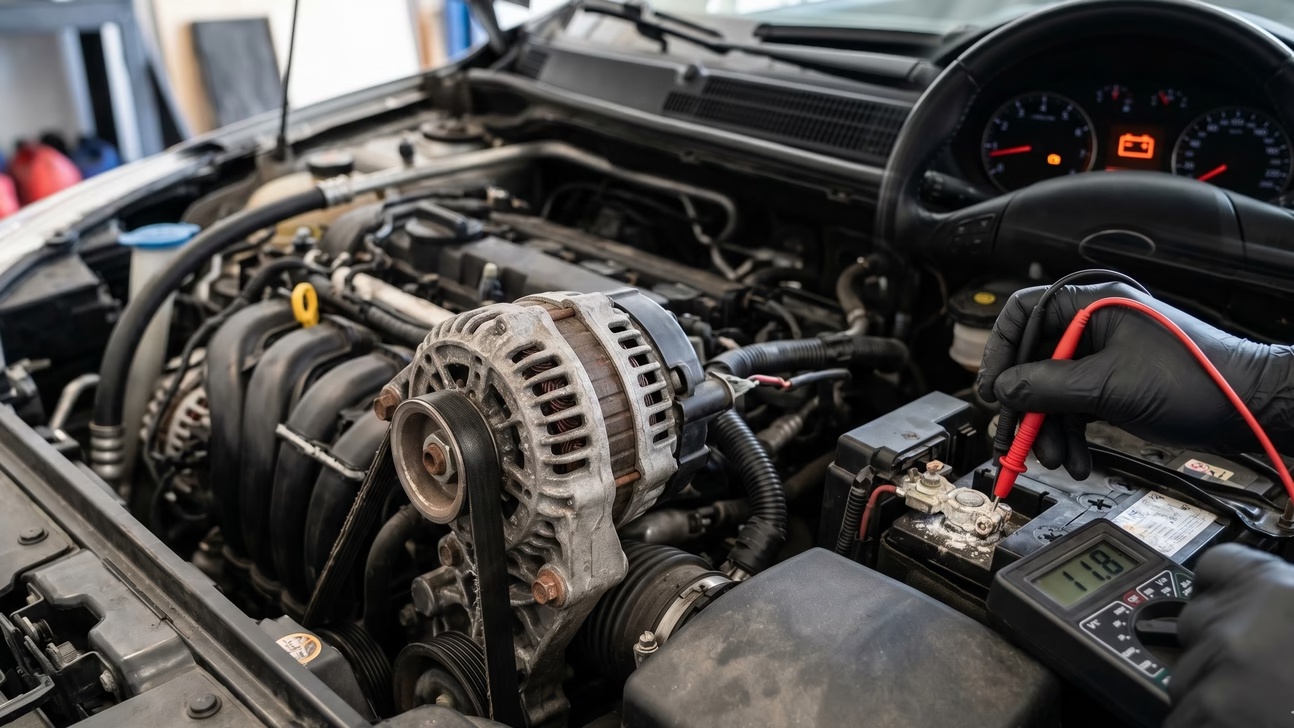
What Causes Alternator to Go Bad?
Your car starts fine one week. Then the battery light pops on. The headlights look weak. The windows move slow. Soon, the car struggles to crank.
Most drivers blame the battery first. That makes sense. But the real problem may be the alternator, or something else that is pushing the alternator too hard.
An alternator does not usually fail for no reason. It wears out over time. It can also get damaged by heat, leaks, corrosion, belt trouble, or a weak battery that forces it to work harder than it should. That is why the smart move is not to guess. It is to track down the real cause.
In this guide, you will learn why alternators fail, how to spot the warning signs, and how to test the system yourself. You will also get clear DIY fixes that can save money and help you avoid replacing parts that are still good.
What Does an Alternator Do in a Car?
The alternator is the part that makes electricity while the engine runs. It keeps the battery charged and powers the car’s lights, radio, sensors, fans, and other electrical parts.
Think of it this way. The battery helps start the car. The alternator keeps the car alive after that.
This is why bad alternator symptoms can feel a lot like battery trouble. Both can cause a hard start, dim lights, or a dead battery. That overlap confuses a lot of people. It also leads to wasted money when someone replaces the battery but ignores the real issue.
If your battery keeps going flat, do not stop at the battery. Check the charging system too.
10 Most Common Causes of Alternator Failure
1) Normal wear and age
Sometimes the answer is simple. The alternator is old.
Inside the unit are moving parts and electrical parts that wear down with time. Bearings get rough. Brushes wear out. Internal parts lose strength. After enough years and miles, the alternator just cannot keep up.
If your car is older and the alternator has never been replaced, age alone may be the reason it is going bad.
2) A weak battery overworks the alternator
This is one of the most missed causes of alternator failure.
A bad battery can force the alternator to stay at high output for long periods. That extra load creates heat. Heat is hard on the alternator. If this keeps happening, the alternator may fail early.
This is why a new alternator sometimes dies again not long after replacement. The old battery was the real problem all along.
If you want to know why alternators fail faster than expected, start here. A weak battery can quietly destroy a good charging system.
3) Corroded battery terminals or bad cables
Corrosion acts like a roadblock. Power cannot move as well through dirty or damaged connections. That raises resistance. The alternator must then work harder to push power through the system.
Look at the battery posts and cable ends. If you see white, green, or blue crust, do not ignore it. That buildup can lead to charging problems, low voltage, and repeat electrical issues.
Bad battery vs bad alternator is a common question. Dirty connections make that mystery worse because they can mimic both.
4) A loose or worn serpentine belt
The alternator relies on the belt to spin. If the belt slips, the alternator cannot make enough power.
A worn belt may squeal. It may crack, glaze, or feel loose. You may notice dim lights at idle that get brighter when you rev the engine. That is a strong clue.
Sometimes people think they have a failing alternator when the real problem is a simple serpentine belt alternator problem.
5) A bad belt tensioner or pulley issue
A good belt still needs the right tension. If the tensioner is weak, the belt may slip even if the belt looks fine. A bad pulley or poor alignment can also stress the alternator and damage the bearings.
This is another hidden reason behind repeated alternator failure. You replace the unit, but the new one fails too because the belt system was never fixed.
6) Oil or coolant leaking onto the alternator
Fluid and electronics do not mix well.
If oil or coolant drips onto the alternator, it can ruin the internals over time. Leaks also trap dirt and grime, which makes heat problems worse.
If you replace an alternator without fixing the leak above it, you may be setting up the new part to fail the same way.
7) Too much heat
Heat is one of the biggest enemies of the charging system.
The engine bay gets hot already. Add long drives, heavy electrical use, traffic, and a weak battery, and the alternator may stay under strain for too long. That stress wears down internal parts faster.
This is one reason alternator going bad signs often show up after a heat wave, a long road trip, or a stretch of stop-and-go driving.
8) A bad voltage regulator
The voltage regulator controls how much power the alternator sends out. If it fails, the alternator may undercharge or overcharge.
Undercharging means the battery never gets enough power. Overcharging can damage the battery and other electrical parts.
Bad voltage regulator symptoms can include weird electrical behavior, short bulb life, battery trouble, and charging readings that are too high or too low.
9) Worn bearings, bad brushes, or failed diodes
These are common internal failures.
Bad bearings often cause a whine, growl, or grinding sound. Worn brushes can reduce output. Bad diodes can cause weak charging, battery drain, or strange electrical issues.
If the alternator is noisy and the noise changes with engine speed, internal wear is likely.
10) Unsafe jump-starting or bad DIY habits
A lot of people still use old tricks that can do more harm than good.
The biggest one is disconnecting the battery while the engine is running to “test” the alternator. Do not do that. It can create a voltage spike and damage the charging system or vehicle electronics.
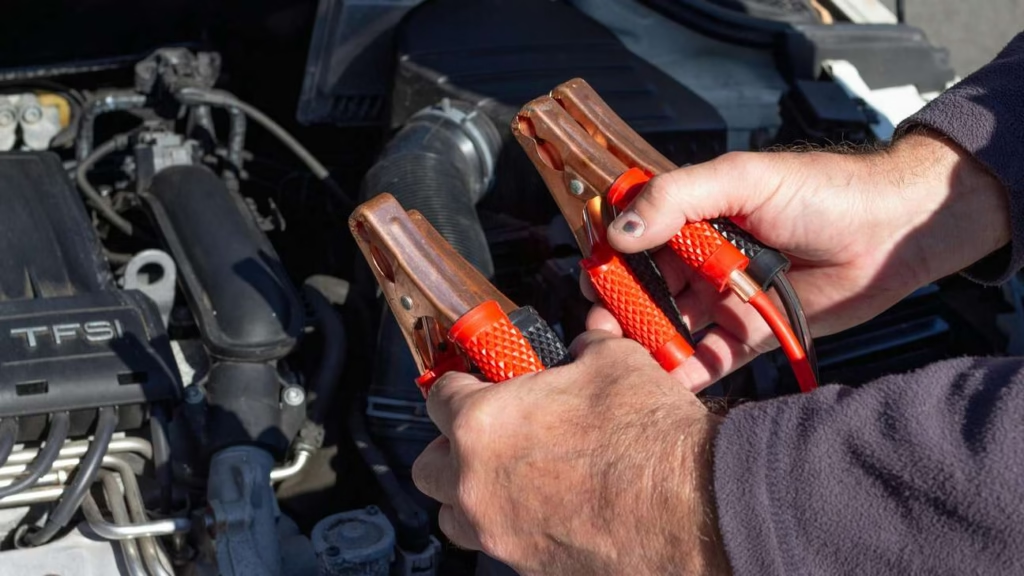
Poor jump-starting habits can also stress the alternator, especially if the battery is deeply drained and the car is forced to recover it the hard way.
Symptoms of a Bad Alternator
Bad alternator symptoms usually start small. Then they get harder to ignore.
Watch for these signs:
Battery warning light
This is often the first clue. It does not always mean the battery is bad. It often means the charging system has a problem.
Dim or flickering lights
Headlights may look weak. Dash lights may pulse. Interior lights may dim at idle.
Slow electrical accessories
Power windows, seats, locks, or fans may move slower than normal.
Repeated dead battery
If you charge the battery or replace it, but it still dies, think alternator not charging battery.
Strange noises
A whining, growling, chirping, or squealing sound under the hood can point to a worn alternator or belt issue.
Hard starting or stalling
If the alternator stops supplying enough power, the battery drains fast. Then the engine may stall while driving.
Burning smell
A hot electrical smell can mean overheating wires or an overworked alternator.
If you notice more than one of these signs at once, act fast. Alternator problems tend to get worse, not better.
Bad Battery or Bad Alternator? How to Tell the Difference
This is the question almost everyone asks.
A bad battery often shows up as a slow crank, a clicking sound, or a no-start after the car sits. The battery may also be old.
A bad alternator is more likely when the battery keeps dying after a jump, the lights brighten with engine speed, or the car starts but later stalls. A warning light on the dash also points more toward the charging system.
The key is to test both. Never assume.
If you only replace the battery and the alternator is weak, you will be right back where you started.
DIY Checklist: How to Diagnose Why Your Alternator Went Bad
This is the part that saves you money.
You do not need a full shop to do a smart check. You need patience, a few tools, and a step-by-step plan.
Tools you need
Basic gear
- Digital multimeter
- Gloves
- Safety glasses
- Flashlight
- Socket set or wrench set
- Battery terminal brush or wire brush
Step 1: Inspect the belt
With the engine off, look at the serpentine belt.
Check for cracks, shiny spots, fraying, or looseness. If the belt looks worn or sounds squealy, that may be the whole issue.
Also look at the tensioner if you can see it. A weak tensioner can let the belt slip.
Step 2: Check battery terminals and cables
Look for corrosion, loose clamps, broken cable ends, or swollen wire insulation.
A clean connection matters. Dirty or loose cables can cause low voltage and fake bad alternator symptoms.
Step 3: Look for leaks
Check above and around the alternator for oil or coolant.
If the alternator is wet, dirty, or coated in grime, a leak may have helped kill it.
Step 4: Test battery voltage with the engine off
Set the multimeter to DC volts. Touch red to positive and black to negative.
A healthy battery at rest often reads close to 12.6 volts. If it is much lower, charge the battery first before judging the alternator.
This step matters because how to test an alternator starts with making sure the battery is not dragging the result down.
Step 5: Test charging voltage with the engine running
Start the car and test again at the battery.
A healthy charging system often reads around 13.8 to 14.5 volts. If the voltage stays near resting battery voltage, the alternator may not be charging well. If it goes too high, you may have an alternator overcharging issue or regulator problem.
Step 6: Add electrical load
Turn on the headlights, blower fan, and rear defroster if you have one.
Watch the meter. A small drop is normal. A big drop or unstable reading suggests the alternator is struggling under load.
Step 7: Listen for noise
Stand near the engine with care. Listen for whining, grinding, or growling that changes with RPM.
Alternator bearing noise is a strong clue that the unit is worn out inside.
Step 8: Think about the pattern
Ask yourself:
- Did the battery die more than once?
- Did the lights dim before the battery failed?
- Did the problem start after a coolant or oil leak?
- Did the alternator fail soon after a new battery was ignored?
Patterns matter. They help reveal the real cause of alternator failure.
Step 9: Do not use risky test methods
Do not disconnect the battery while the engine is running.
That old trick is not smart. It can damage electronics and lead to a much bigger repair bill.
DIY Fixes for Common Alternator Problems
Not every charging problem means you need a new alternator. Here are the fixes worth trying first.
Fix #1: Replace a worn serpentine belt
If the belt is cracked, glazed, or loose, replace it.
This is often a low-cost fix. It can restore proper charging if the alternator was not spinning fast enough.
Fix #2: Clean corroded terminals
Disconnect the battery. Clean the terminals and cable ends with a wire brush. Tighten everything when done.
This can solve low-voltage problems fast. If the cables are badly damaged, replace them.
Fix #3: Charge and test the battery
A weak battery can make a good alternator look bad.
Charge the battery fully. Then test the system again. If the battery will not hold a charge, replace it before blaming the alternator.
Fix #4: Repair fluid leaks
If oil or coolant is leaking onto the alternator, fix the leak first.
This step is not optional. A new alternator will not last if the same fluid keeps dripping onto it.
Fix #5: Replace a bad tensioner
If the belt keeps slipping or bouncing, the tensioner may be weak.
This fix is easy to miss, but it can be the real answer behind repeated alternator failure.
Fix #6: Replace the alternator
If the alternator is noisy, tests low, overcharges, or has clearly failed, replacement is the smart move.
For most drivers, replacement makes more sense than trying to rebuild the unit. It is faster, simpler, and more reliable.
Can You Repair an Alternator Instead of Replacing It?
Sometimes, yes.
If the issue is a small one outside the alternator, like a belt or cable, repair is the right call. In some older cars, people also rebuild the alternator by replacing internal parts.
But for most drivers, a failing alternator is best replaced. Internal repairs take time, tools, and skill. If multiple parts inside are worn, a rebuild may not be worth the effort.
The simple rule is this: repair the cause around the alternator, but replace the alternator if the alternator itself is worn out.
How to Prevent an Alternator From Going Bad Again
A little care goes a long way.
Keep the battery healthy
Test the battery if the car starts slow. Replace it when it gets weak. Do not force the alternator to rescue a dying battery over and over.
Clean battery terminals
Check for corrosion a few times a year. Clean buildup early.
Watch the belt system
Replace worn belts. Listen for squeals. Do not ignore a shaky tensioner.
Fix leaks fast
Oil and coolant leaks do more than make a mess. They can kill expensive parts.
Use safe jump-starting habits
Follow the proper order. Do not rush. And never use unsafe alternator tests.
Pay attention to early signs
Dim lights, a battery warning light, and slow accessories are your chance to fix the issue before the car leaves you stranded.
When You Should Stop DIY and See a Mechanic
DIY is great, but there is a limit.
Get professional help if:
- The voltage readings are unstable or confusing
- The battery and alternator both seem weak
- The car stalls while driving
- You suspect wiring damage
- The alternator is hard to access
- The new alternator failed again quickly
At that point, guessing gets expensive. A proper diagnosis is cheaper than replacing the wrong part twice.
Final Answer: What Causes an Alternator to Go Bad?
An alternator usually goes bad because of age, heat, a weak battery, corroded cables, a loose belt, a bad tensioner, fluid leaks, voltage regulator trouble, or internal wear such as bad bearings, brushes, or diodes.
The best way to solve the problem is not to guess. Check the belt. Check the battery. Check the cables. Look for leaks. Test the voltage. Then fix the root cause before you replace parts.
That is how you avoid repeat failures. That is also how you save money.
FAQs
Can a bad battery ruin an alternator?
Yes. A weak battery can force the alternator to work too hard for too long. That extra load creates heat and can shorten alternator life.
Can an alternator fail suddenly?
Yes. Some fail slowly. Others quit fast. A bearing can go bad, a diode can fail, or a regulator can stop working with little warning.
What is the first sign of a bad alternator?
The most common early clues are a battery warning light, dim lights, and slow electrical accessories.
Can I drive with a bad alternator?
Maybe for a short distance, but it is risky. Once the alternator stops charging, the battery will drain and the car may stall.
What voltage should a good alternator show?
Many vehicles show around 13.8 to 14.5 volts at the battery while the engine is running.
Is it always the alternator when the battery light comes on?
No. The battery light points to the charging system as a whole. The alternator is a common cause, but bad cables, belt trouble, or battery issues can also trigger it.