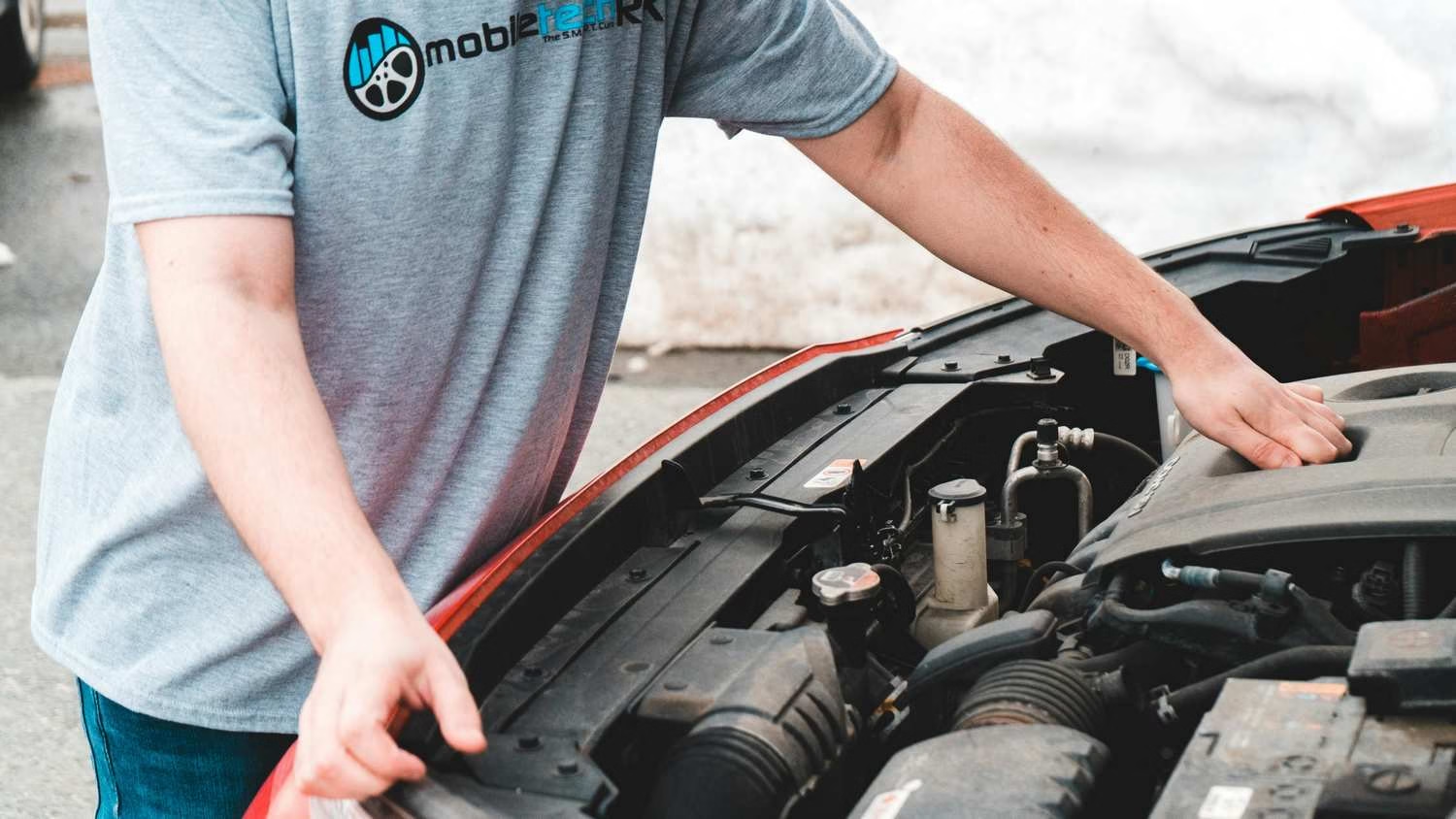
If you keep adding coolant, you are not alone. It is a common problem. But it is not one you should ignore.
A healthy cooling system should not need constant top-offs. If the level keeps dropping, your car is trying to tell you something. The cause may be small, like a loose hose clamp. Or it may be serious, like a bad head gasket. If you are experiencing unexplained fluid loss, see this troubleshooting guide covering potential coolant leak origins.
The good news is this: you can check many of the common causes at home. You do not need to guess. And you do not need to replace parts at random.
In this guide, you will learn why your car is using so much coolant, where the coolant may be going, and what DIY steps can help you find the problem fast.
Why Is My Car Using So Much Coolant?
A car uses too much coolant when there is a leak, a weak cooling system part, or an internal engine problem. Common causes include a bad radiator cap, a cracked hose, a leaking radiator, a failing water pump, or coolant burning inside the engine. If the coolant level drops fast, the issue needs quick attention.
Is It Normal for a Car to Lose Coolant?
A small change in coolant level can happen now and then. Heat makes coolant expand. Cold makes it shrink. So a tiny shift in the level is normal.
But repeated coolant loss is not normal.
If you have to add coolant every week, every few days, or even every month, there is likely a problem. The same goes for a low coolant warning that keeps coming back.
Here are the biggest warning signs:
Signs Coolant Loss Is Not Normal
- You keep topping off the reservoir
- The low coolant light comes on again
- You smell something sweet near the car
- The engine runs hot
- You see white smoke from the exhaust
- There are wet spots or crusty marks near hoses or the radiator
If any of these sound familiar, your car is not “just using coolant.” It is losing it.
10 Common Reasons Your Car Is Using So Much Coolant
Let’s start with the most likely causes. Some are easy to fix. Some are not.
1. A Leaking Radiator
Radiators can crack, rust, or leak at the seams. Plastic end tanks often fail with age. Older metal radiators can corrode over time.
You may see:
- Wet spots near the front of the car
- Dried white or colored crust on the radiator
- Coolant dripping after the engine gets hot
2. A Cracked Coolant Reservoir
The reservoir tank can crack, especially near the seam or hose connection. The cap can also fail and let coolant escape when the system gets hot.
Look for:
- A damp tank
- Streaks down the side of the bottle
- Coolant smell after driving
3. A Bad or Loose Hose
Coolant hoses live a hard life. Heat, pressure, and age wear them out. A hose can split, get soft, turn brittle, or leak at the clamp.
Check for:
- Bulges
- Small cracks
- Wet hose ends
- Loose clamps
4. A Weak Radiator Cap
This small part does a big job. It keeps the system under pressure. If the cap fails, coolant may escape too soon or boil at a lower temp.
Signs include:
- Coolant pushed out of the overflow
- No obvious leak, but the level keeps dropping
- Cracks or wear on the cap seal
5. A Failing Water Pump
The water pump moves coolant through the engine. When it starts to fail, it may leak from a small hole called the weep hole.
You may notice:
- Coolant near the front of the engine
- A small drip under the car
- Noise from the pump area
6. A Leaking Thermostat Housing
Some cars use plastic thermostat housings. Over time, these can warp or crack. Gaskets can also fail.
Watch for:
- A slow leak near the engine
- Coolant smell after a drive
- Wet spots around the housing
7. A Heater Core Leak
The heater core sits inside the dash. It uses hot coolant to warm the cabin. If it leaks, coolant may drip inside the car.
Classic signs are:
- Sweet smell inside the cabin
- Foggy windows
- Damp carpet, often on the passenger side
8. An Intake Gasket Leak
On some engines, coolant passes through the intake area. A worn gasket can let coolant leak outside or into the engine.
Possible clues:
- Slow coolant loss
- Rough idle
- No puddle, but the level keeps falling
9. A Blown Head Gasket
This is one of the more serious causes. A bad head gasket can let coolant enter the engine, mix with oil, or leak into a cylinder.
Common signs include:
- White smoke from the exhaust
- Milky oil
- Overheating
- Bubbling in the coolant reservoir
10. A Cracked Engine Block or Cylinder Head
This is less common, but it can happen after severe overheating or on high-mile engines. Coolant may leak inside or outside the engine.
You may see:
- Fast coolant loss
- Hard starts
- Rough running
- Overheating that will not go away
Signs That Tell You Where the Coolant Is Going
This is where things get easier. The symptoms often point you in the right direction.
If You See Coolant Under the Car
That usually means an external leak. Start with:
- Radiator
- Hoses
- Reservoir
- Water pump
- Thermostat housing
Coolant often looks green, orange, pink, or yellow. It may also leave a white crust when it dries.
If There Is No Leak on the Ground
Do not assume everything is fine. Small leaks can burn off on hot engine parts. The heater core may leak inside the cabin. Or the engine may be burning coolant.
If You Smell Something Sweet
That smell often means coolant. If the smell is outside the car, look under the hood. If the smell is inside the cabin, think heater core.
If White Smoke Comes from the Exhaust
A little white vapor on a cold morning can be normal. But thick white smoke after the engine warms up is not. That can mean coolant is getting into the engine.
If the Engine Starts Running Hot
Low coolant can lead to overheating. Overheating can then cause bigger damage. This is when a small leak can turn into a very costly repair.
How to Diagnose Coolant Loss at Home
You do not need a full shop to do some smart checks. Work slowly. Be safe. And never open a hot radiator cap.
Safety First
Before you inspect anything:
- Let the engine cool fully
- Park on level ground
- Wear gloves
- Keep your face away from the cap
- Never open the radiator when it is hot
Step 1: Check the Coolant Level the Right Way
Start with the reservoir. Look at the marks on the side. If your car has a radiator cap, only open it when the engine is cold.
Write down the level. Then check it again after a few days. If it drops, you have a real loss.
Step 2: Look for Visible Leaks
Use a flashlight and check these spots:
- Around the radiator
- Hose connections
- Under the water pump
- Around the thermostat housing
- At the bottom of the reservoir
- Under the car after it has been parked
A leak may only show up after a drive, so check both cold and warm.
Step 3: Look for Dried Coolant Residue
Not all leaks drip. Some seep. When coolant dries, it often leaves a chalky or crusty mark.
Look for:
- White crust
- Sticky residue
- Colored stains around joints and seams
This is one of the easiest ways to find a slow leak.
Step 4: Inspect the Radiator Cap
A weak cap can cause real trouble. Pull it off only when the engine is cool.
Check for:
- Cracked rubber seal
- Rust
- Dirt on the sealing surface
- A spring that feels weak
If the cap looks old, replacing it is often cheap and easy.
Step 5: Check for Heater Core Signs
Turn on the heat. Do the windows fog up fast? Do you smell coolant inside? Is the carpet damp?
If yes, the heater core may be leaking.
Step 6: Watch the Exhaust
Start the engine once it is cool. Let it warm up. Then check the exhaust.
If you see thick white smoke after warm-up, or smell a sweet scent, coolant may be burning in the engine.
Step 7: Check the Oil
Pull the dipstick. Look at the oil. Then look under the oil cap.
If the oil looks milky, foamy, or creamy, coolant may be mixing with it. That is a major warning sign. Do not ignore it.
Step 8: Pressure Test the Cooling System
This is one of the best DIY checks. A cooling system pressure tester lets you add pressure to the system while the engine is off. If pressure drops, coolant is escaping somewhere.
You can often rent this tool.
How to do it:
What You Need
- A cooling system pressure tester
- Gloves
- Flashlight
Basic Steps
- Make sure the engine is cold
- Remove the cap
- Attach the tester
- Pump it to the pressure listed for your system
- Wait and watch
- Look for leaks around hoses, the radiator, the pump, and the thermostat housing
If the pressure drops and you see coolant, you found the leak. If it drops and you do not see a leak, the problem may be hidden or internal.
Step 9: Use UV Dye for Hidden Leaks
If you still cannot find the leak, UV dye can help. Add the dye to the coolant, drive the car, then use a UV light to inspect the system.
Small leaks often glow and stand out right away.
Step 10: Check for a Blown Head Gasket
There are a few simple clues:
- White smoke from the exhaust
- Bubbles in the reservoir
- Milky oil
- Repeated overheating
- Coolant loss with no visible leak
You can also use a combustion leak tester. It checks for exhaust gases in the cooling system. If that test is positive, you likely have an internal engine issue.
DIY Fixes You Can Try Yourself
Not every coolant problem needs a big repair. Here are the jobs many car owners can do at home.
Easy DIY Fixes
These are beginner-friendly:
- Tighten a loose hose clamp
- Replace a worn radiator cap
- Swap a cracked reservoir tank
- Add the correct coolant mix
- Bleed trapped air from the system
These fixes are low cost and often solve simple problems.
Moderate DIY Repairs
These take more time, but many people still do them at home:
- Replace an upper or lower radiator hose
- Change the thermostat and housing
- Replace a small coolant line
- Flush and refill the cooling system
Go slow. Label parts. Take photos before you remove anything.
Advanced DIY Repairs
These are more involved:
- Replace the radiator
- Replace the water pump
- Pressure test the system
- Use a combustion leak tester
These jobs need more tools and more care. If you feel unsure, it is smart to stop and ask for help.
Repairs Best Left to a Professional
Some jobs are not worth the risk if you are not experienced:
- Head gasket replacement
- Intake gasket replacement on a hard-to-reach engine
- Cracked cylinder head repair
- Cracked engine block repair
These repairs can get costly fast if done wrong.
How to Top Off Coolant the Right Way
Topping off coolant is simple. But doing it wrong can cause more trouble.
Use the Right Coolant
Do not mix random types if you can avoid it. Check your owner’s manual. If you are not sure, buy the correct premixed coolant for your vehicle.
Only Fill It When the Engine Is Cool
This is non-negotiable. A hot cooling system is under pressure. Opening it too soon can cause burns.
Do Not Treat Top-Offs as the Fix
If the level keeps dropping, the top-off is only a short-term move. The real fix is to find the cause.
When Coolant Loss Becomes Dangerous
Some signs mean you should stop driving right away.
Stop Driving If You Notice Any of These
- The engine is overheating
- Steam comes from under the hood
- The coolant warning returns fast
- Thick white smoke comes from the exhaust
- The oil looks milky
- The engine shakes or misfires after startup
At that point, the risk of engine damage goes way up.
Why Ignoring Coolant Loss Gets Expensive
A small leak may seem harmless. But low coolant can cause overheating. Overheating can warp the cylinder head, blow the head gasket, or even ruin the engine.
That is why quick action matters.
Repair Cost Guide by Cause
Costs vary by car, parts, and labor. But here is the simple version.
Lower-Cost Fixes
- Radiator cap
- Hose clamp
- Small hose
- Coolant reservoir
Mid-Range Repairs
- Thermostat housing
- Larger hose replacement
- Coolant flush
- Radiator replacement on simpler cars
Higher-Cost Repairs
- Water pump
- Heater core
- Intake gasket
Very Expensive Repairs
- Head gasket
- Cracked cylinder head
- Cracked engine block
This is why it pays to catch the problem early.
How to Prevent Coolant Loss in the Future
You cannot prevent every failure. But you can lower the odds.
Smart Habits That Help
- Check coolant level once a month
- Replace old hoses before they fail
- Use the correct coolant
- Follow the service schedule
- Watch the temp gauge
- Fix small leaks before they grow
A little attention now can save you a big repair later.
Common Mistakes to Avoid
Many people make these errors when dealing with coolant loss:
Opening the Cap Too Soon
This is dangerous and can cause burns.
Mixing Coolant Types
This can reduce protection and create sludge in some systems.
Replacing Parts Without Testing
Guessing can waste money. Start with a good inspection.
Ignoring Air in the System
After a repair, trapped air can make the level look wrong and cause hot spots.
Driving Too Long with Low Coolant
This is where small problems turn into engine damage.
Quick Symptom Checker
Use this as a fast guide:
Low Coolant + Wet Carpet
The heater core may be leaking.
Low Coolant + White Smoke
The engine may be burning coolant.
Low Coolant + Crust Around a Hose Joint
A hose or clamp may be leaking.
Low Coolant + Sweet Smell Under the Hood
Look for a leak near the radiator, reservoir, or thermostat housing.
Low Coolant + Overheating
The issue may already be getting worse. Stop and inspect the system right away.
FAQ
Why Is My Coolant Low but There Is No Leak?
You may have a small leak that only shows when the engine is hot. It could also be a heater core leak or an internal engine leak.
Can a Car Lose Coolant Without Overheating?
Yes. Small leaks often start before the engine gets hot.
Why Do I Have to Add Coolant Every Few Days?
That usually means there is an active leak or a more serious internal problem.
Can a Bad Radiator Cap Cause Coolant Loss?
Yes. A weak cap can let coolant escape and stop the system from holding proper pressure.
Is It Safe to Drive if My Coolant Keeps Going Down?
Not for long. The longer you wait, the more likely you are to overheat the engine.
Why Is My Car Using Coolant but Not Leaking?
It may be burning coolant inside the engine or leaking in a hidden area.
Can Air in the Cooling System Make Coolant Seem Low?
Yes. After a refill or repair, trapped air can make the level drop until the system is fully bled.
💧 Related Guides: Coolant Loss, Leaks & Overheating
Excessive coolant consumption often points to leaks, head gasket failure, or cooling system issues. Dive deeper with these expert articles.
Final Takeaway
If your car keeps using coolant, do not brush it off. A cooling system should not need constant topping up. The coolant is going somewhere. Your job is to find out where before the problem gets worse.
Start with the easy checks. Look for wet spots, dried residue, a bad cap, or a weak hose. If that does not reveal the cause, move on to a pressure test or UV dye. And if you see white smoke, milky oil, or overheating, treat it as urgent.
The sooner you find the cause, the better your odds of fixing it before it turns into a major engine repair.