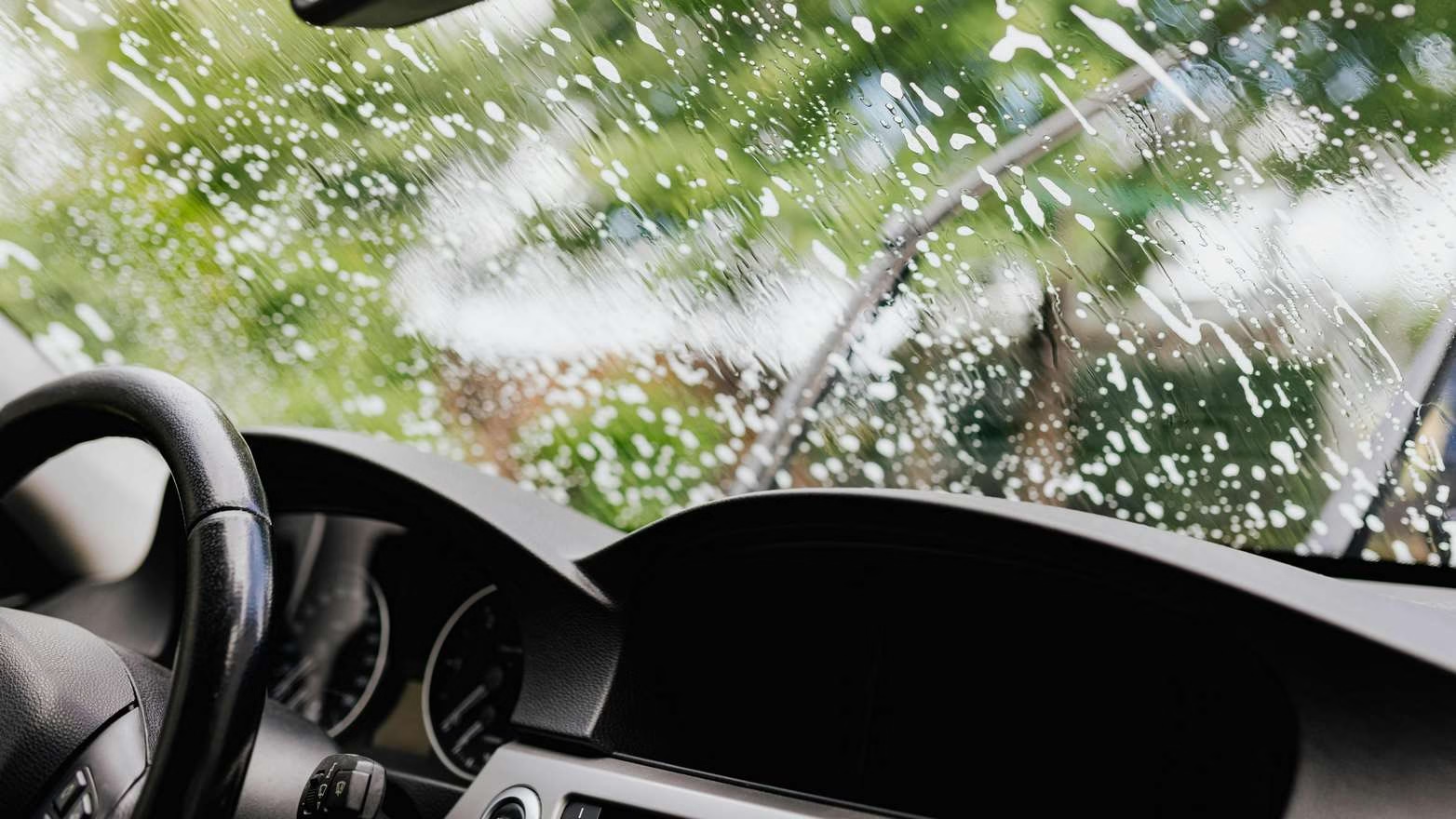
You get in the car. You start driving. Then your windshield fogs up again.
It feels annoying. It feels unsafe. And it always seems to happen when you need a clear view the most. We recommend reviewing this resource on diagnosing car whistling noises and determining the right repair approach.
If you keep asking, “why does my windshield keep fogging up?”, the short answer is simple. There is too much moisture in the air inside your car. When that warm, damp air hits the cooler glass, it turns into condensation. That cloudy layer is what blocks your view.
The good news? In many cases, you can fix it yourself. A few small changes can clear the glass fast and help stop the problem from coming back.
In this guide, you will learn what causes windshield fog, how to clear it quickly, and which DIY fixes work best.
Why Does My Windshield Keep Fogging Up?
Your windshield fogs up when moist air inside your car touches cooler glass. The moisture in the air turns into tiny drops of water. Those drops create the foggy film you see.
This happens more often when it is cold outside. It also happens on rainy days, humid days, and early mornings. But weather is only part of the story.
If your windshield keeps fogging up again and again, your car may have trapped moisture inside. Dirty glass can make it worse. Poor airflow can make it worse too. In some cases, a clogged cabin air filter or a small leak is the real problem.
So if the fog keeps coming back, do not treat it like bad luck. Treat it like a clue.
The Most Common Reasons Your Windshield Keeps Fogging Up
Too Much Moisture Inside the Car
This is the most common cause.
Water gets into cars more easily than most people think. You track in rain on your shoes. Snow melts off your boots. Wet umbrellas drip on the floor. A spilled drink soaks into the carpet. Over time, all that moisture builds up.
Once that damp air gets trapped inside, it has to go somewhere. It often ends up on the windshield.
Check your floor mats first. Then check the carpet under them. Feel the seats. Look in the trunk too. If anything feels damp, you may have found the problem.
Dirty Windshield Glass
A windshield can look clean and still be dirty.
The inside of the glass often collects a thin film of dust, body oils, smoke residue, and vapor from dashboard plastics. That film gives moisture something to cling to. The result is faster fogging and worse glare.
If your windshield looks hazy at night or in the rain, this may be part of the problem.
The fix is simple. Clean the inside glass well. Many drivers skip this step, but it makes a big difference.
Poor Air Circulation
Your car needs airflow to control humidity.
If the air inside gets trapped, moisture stays in the cabin. Then it condenses on the glass. Weak airflow can happen when vents are blocked, the fan is set too low, or recirculate mode stays on for too long.
Even a car full of bags, clothes, or gear can affect airflow more than you might think.
If your defroster feels weak, do not ignore it. Bad airflow almost always makes fogging worse.
A Dirty Cabin Air Filter
A clogged cabin air filter can choke the air moving through your heating and cooling system. That means less air reaches the windshield. And less airflow means slower defogging.
You may also notice weak air from the vents, stale smells, or more dust inside the car.
The good news is that this is often an easy DIY job. Many cabin air filters are simple to reach and simple to replace.
The AC Is Not Drying the Air
A lot of drivers think air conditioning only matters in summer. That is not true.
Your AC does more than cool the cabin. It also helps remove moisture from the air. That is why the defroster works better when the AC is on.
If your windshield takes forever to clear, and the air feels damp, your AC may not be doing its job. The heat may still work, but the air may stay too humid.
Wrong Defroster Settings
Sometimes the problem is not a part that failed. Sometimes it is the setting you use.
If you keep the system on recirculate, you trap humid air inside the car. If the fan speed is too low, the windshield clears slowly. If the airflow points at your feet instead of the glass, fog lingers.
The right settings matter more than many people realize.
A Heater Core Leak
This one is less common, but it is important.
A heater core leak can add warm moisture to the cabin. That can make your windshield fog up again and again. You may also notice a sweet smell inside the car. In some cases, the inside of the glass gets a greasy or oily film.
If your coolant level drops and your windshield keeps fogging up, pay attention. This is a bigger issue than normal condensation.
Weather Conditions
Cold mornings. Rainy afternoons. Humid evenings. Big swings in temperature.
All of these can trigger windshield fog. Even if your car is in decent shape, weather can still push moisture onto the glass fast.
That said, weather should not cause nonstop fogging every day. If it does, there is likely another problem in the mix.
How to Clear a Foggy Windshield Fast
When your windshield fogs up, you need a quick fix first.
Here is the fastest way to clear it.
Step 1: Turn On the Front Defroster
Start with the front defrost setting. This directs air to the windshield where you need it most.
Step 2: Set the Fan to Medium or High
You need strong airflow. A weak fan will not move enough air across the glass.
Step 3: Turn On the AC
Yes, even when it is cold. The AC helps dry the air. Drier air clears fog faster.
Step 4: Switch to Fresh Air Mode
Do not keep the system on recirculate. Fresh air helps push humid cabin air out and brings in drier air from outside.
Step 5: Warm the Cabin Gradually
As the engine warms up, warmer air will help the windshield clear even faster.
If the fog is very heavy, crack a window slightly if it is safe to do so. That can let trapped moisture escape. If you need to wipe the glass, use a clean microfiber cloth. Do not smear it with your sleeve or a dirty rag. That often makes the haze worse.
DIY Solutions to Stop Your Windshield From Fogging Up
Quick fixes help in the moment. But if you want the problem gone for good, you need to deal with the cause.
Here are the best DIY solutions.
DIY Fix #1: Deep-Clean the Inside of the Windshield
Start here. It is easy, cheap, and often very effective.
Use a clean microfiber towel and a glass cleaner made for cars. You can also use a mild vinegar and water mix if you prefer a simple home option. Spray the towel, not the glass, so you do not get cleaner on the dashboard.
Wipe in slow, overlapping passes. Then use a second dry towel to buff the glass. Do not skip the corners and edges. That film likes to hide there.
A clean windshield fogs less. It also gives you better visibility at night.
DIY Fix #2: Dry Out the Interior
If moisture is trapped inside the car, the windshield will keep fogging up.
Remove wet floor mats and let them dry fully. Check the carpet under the mats too. If it feels damp, blot it with dry towels. On a dry day, leave the windows open for a while if it is safe. Let the car air out.
Look under the seats. Check the trunk. Feel the seats and seat backs. Even small damp spots can add a lot of humidity to the cabin over time.
You can also place a moisture absorber inside the car. It will not fix a leak, but it can help reduce damp air.
DIY Fix #3: Check for Water Leaks
If the inside keeps getting damp, there may be a leak.
Look at the door seals. Check around the windows. Inspect the windshield edges. If your car has a sunroof, make sure the drains are not clogged. Check the trunk seal too.
Watch for mildew smells, water stains, or damp carpet that keeps coming back.
If you want to test for leaks, use a hose and spray one area at a time while someone checks inside. Keep it gentle. You are trying to spot where water gets in, not flood the car.
DIY Fix #4: Replace the Cabin Air Filter
A fresh cabin air filter can improve airflow fast.
In many cars, the filter sits behind the glove box. In others, it may be under a panel near the windshield. Check your owner’s manual for the exact spot.
Once you find it, remove the old filter and look at it. If it is dark, dusty, or packed with debris, replace it. Be sure to install the new filter in the correct direction.
Then turn on the fan and test the airflow. If the air feels stronger, you likely solved part of the problem.
DIY Fix #5: Use the Right Defroster Settings Every Time
This costs nothing, but it works.
When the windshield starts to fog, use this setup:
Best Anti-Fog Settings
- Front defrost mode
- Fresh air mode
- AC on
- Medium to high fan speed
- Warm air once the engine heats up
Avoid leaving the system on recirculate in damp weather. That keeps humid air inside and often makes fog worse.
DIY Fix #6: Remove Common Sources of Humidity
A lot of daily items add moisture to your car.
Wet umbrellas. Gym clothes. Snowy boots. Pet blankets. Damp groceries. Even a towel left in the trunk can add humidity over time.
If your windshield keeps fogging up, get in the habit of removing wet items right away. This simple step helps more than most people expect.
DIY Fix #7: Try an Anti-Fog Treatment
An anti-fog spray or wipe can help reduce fog on the inside of the glass.
It works best on a clean windshield. Apply it exactly as the product says. Then buff the glass well so you do not leave streaks.
This is a nice extra step. But remember, it is not a real fix if your car has trapped moisture or a leak. Think of it as support, not the main solution.
Signs the Problem Is More Than Normal Condensation
Some fogging is normal. Constant fogging is not.
Watch for these warning signs:
Sweet Smell Inside the Cabin
A sweet smell can point to coolant. That may mean a heater core leak.
Oily Film on the Windshield
If the inside glass feels greasy or leaves a smear that returns fast, it may be more than dirt.
Wet Carpet on the Passenger Side
That can point to a leak. In some cars, it can also point to heater core trouble.
Coolant Level Keeps Dropping
If you add coolant often and your windshield fogs up a lot, do not brush it off.
Defroster Airflow Stays Weak
If a new cabin air filter does not help, something else may be wrong with the blower or airflow system.
When You Can Fix It Yourself and When You Should Get It Checked
Many windshield fog issues are easy to handle at home.
You Can Usually Fix It Yourself If:
- The inside glass is dirty
- The mats or carpet are damp
- You have been using the wrong defroster settings
- The cabin air filter is old
- The problem happens only in cold or rainy weather
It Is Smart to Get It Checked If:
- The windshield fogs up all the time
- You smell something sweet inside the car
- The glass gets oily fast
- The coolant level keeps dropping
- The floor stays wet and you cannot find the leak
- The airflow stays weak even after basic fixes
If you catch a bigger issue early, you may save money and avoid a more serious repair later.
How to Prevent Your Windshield From Fogging Up Again
Prevention is easier than dealing with a foggy windshield every morning.
Use this simple checklist:
Keep the Inside Glass Clean
A clean windshield gives moisture less to stick to.
Dry Out Wet Mats and Carpet Fast
Do not let damp fabric sit in the car for days.
Replace the Cabin Air Filter on Time
A clean filter helps the defroster move air better.
Use Fresh Air Mode in Humid Weather
Fresh air helps move moisture out of the cabin.
Turn On the AC With the Defroster
That helps dry the air and clear the glass faster.
Remove Wet Items From the Car
Umbrellas, towels, and wet shoes all add humidity.
Fix Small Leaks Early
A tiny leak today can turn into mold, smells, and endless condensation later.
Frequently Asked Questions
Why does my windshield fog up on the inside but not the outside?
That usually means the moisture is coming from inside the car. The air in the cabin is damp, and the inside of the glass is cooler.
Should I use hot or cold air to defog the windshield?
Warm air helps, but the best setup is usually defrost plus AC plus fresh air. That combination clears fog faster than heat alone.
Does AC really help stop windshield fogging?
Yes. The AC helps remove moisture from the air. Drier air clears the windshield more quickly.
Can a bad cabin air filter cause windshield fogging?
Yes. A clogged filter can reduce airflow and make the defroster less effective.
Why does my windshield keep fogging up even after I cleaned it?
Cleaning helps, but it only fixes one part of the problem. If your car has damp carpet, poor airflow, or a leak, the fog will keep coming back.
Can a heater core leak cause windshield fogging?
Yes. It can add warm moisture to the cabin and leave a smell or film on the glass.
Final Thoughts
If you have been wondering, “why does my windshield keep fogging up?”, the answer usually comes down to moisture, airflow, or both.
Start with the simple fixes first. Clean the inside glass. Dry out the cabin. Use the right defroster settings. Replace the cabin air filter if it is old. Check for wet carpet or small leaks.
These steps solve the problem for many drivers.
But if the fog keeps coming back, do not ignore it. A sweet smell, oily film, weak airflow, or coolant loss can point to a bigger issue that needs attention.
A clear windshield is not just about comfort. It is about safety.
So the next time your windshield fogs up, you will know what to do. And better yet, you will know how to stop it from happening again.