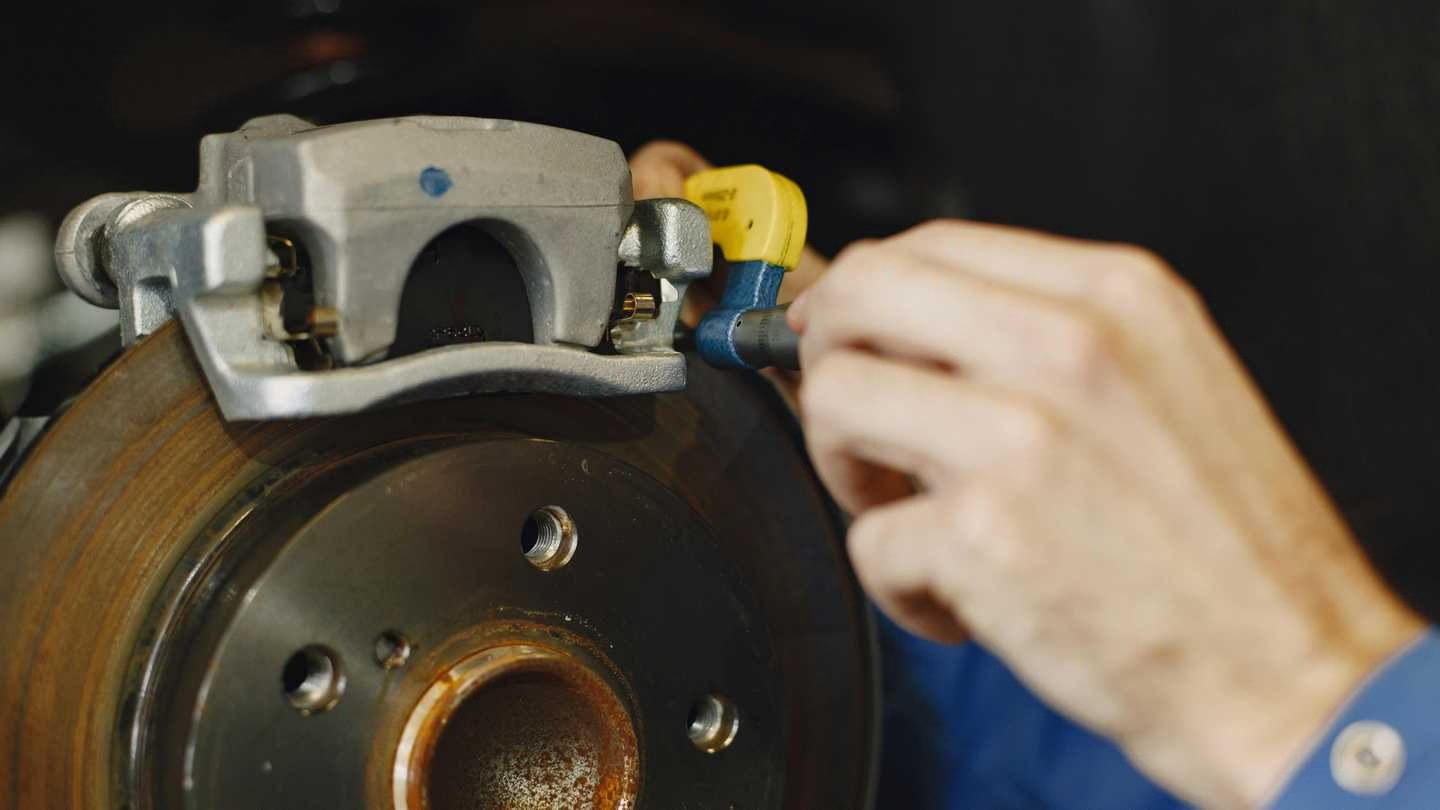
If your car is shaking when braking, it is trying to tell you something. The shake may feel small at first. Then it gets worse. You may notice it in the steering wheel, the brake pedal, or even the whole car. It can feel annoying. It can also be a safety issue.
The good news is that this problem often has a clear cause. In many cases, the fix is simple if you catch it early. In this guide, you will learn why a car shakes when you brake, how to spot the cause, what repairs may help, and when you should stop driving and get it checked.
Is It Dangerous If Your Car Shakes When Braking?
Sometimes the answer is no. Sometimes the answer is yes.
A light vibration may mean your brakes are wearing down. That still needs attention, but it may not be an emergency. A strong shake is different. If your steering wheel jumps, the pedal pulses hard, or the car pulls to one side, you should not ignore it.
Brakes need to work in a smooth and steady way. If they do not, your stopping distance can change. Your control can also get worse, especially in rain, traffic, or at higher speeds.
Here are signs that mean you should get help soon:
- The shaking gets worse fast
- The car pulls left or right
- You hear grinding
- You smell something burning
- The brake pedal feels weak or odd
- The shake happens every time you brake
If any of these happen, play it safe. Get the car looked at as soon as you can.
What Causes a Car Shaking When Braking?
Several parts can trigger this issue. The key is to match the shake with the other signs you notice.
Uneven Brake Rotors
This is one of the most common causes.
Brake rotors are the metal discs your brake pads press against. Over time, they can wear in an uneven way. When that happens, the pads do not grip a flat surface. That can cause a pulsing feel and a shake when you slow down.
You may notice:
- A shaky steering wheel when braking
- A pulse in the brake pedal
- More shaking at higher speeds
- A smooth ride until you touch the brakes
If this is the cause, a mechanic may need to replace the rotors. In some cases, they may also replace the brake pads at the same time.
Worn Brake Pads
Brake pads wear down with use. That is normal. But once they get too thin, braking becomes less smooth. Worn pads can also damage the rotor surface. That makes the shaking worse.
Common signs include:
- Squeaking or squealing
- Grinding sounds
- A rough feel when braking
- Longer stopping time
If the pads are worn, replacing them early can save money. If you wait too long, you may end up paying for rotors too.
Sticking Brake Caliper
The caliper pushes the brake pads onto the rotor. If it sticks, one pad may press harder than it should. That can create heat, uneven wear, and a shake.
You might notice:
- The car pulls to one side
- One wheel feels much hotter than the others
- A burning smell after driving
- Uneven brake pad wear
A sticking caliper should not wait. It can wear out your brakes fast and hurt your control.
Tire or Wheel Problems
Sometimes the brakes are not the only issue. Tires and wheels can add to the shake, especially when the car’s weight shifts forward during braking.
You may have:
- A bent wheel
- A damaged tire
- Poor tire balance
- Uneven tire wear
If the car also shakes a little while driving at speed, even before you brake, the tires or wheels may be part of the problem.
Suspension or Steering Wear
Your suspension helps keep the car stable. Your steering parts help you stay in control. If these parts are loose or worn, braking can make the shake more obvious.
Watch for:
- Clunking sounds
- A loose steering feel
- Extra bounce over bumps
- The front end shaking when you slow down
These issues can make a brake problem feel worse. They can also cause a shake on their own.
Wheel Bearing Trouble
A bad wheel bearing can cause wobble and noise. That wobble may become more noticeable when you brake.
Signs include:
- A humming or growling sound
- A vibration that changes with speed
- A shaky wheel feel
- A rough ride that gets worse over time
Wheel bearing problems can grow into bigger safety issues, so do not let them drag on.
How to Tell What Is Causing the Shaking
The way the shake feels gives you clues.
If the Steering Wheel Shakes When Braking
This often points to a problem near the front wheels. Front brake rotors are a common reason. Front suspension wear can also play a part.
If the steering wheel only shakes when you brake, the front brakes are a smart place to start.
If the Brake Pedal Pulses
A pulsing pedal often means the brake surface is uneven. That could be due to worn rotors or a rough contact point between the pad and rotor.
A light pulse may not seem serious, but it tends to get worse over time.
If the Whole Car Shakes
If the vibration seems to travel through the seat or floor, the cause may be in the rear brakes, tires, or suspension. The whole car can also shake when more than one issue is present.
If It Only Happens at High Speeds
If your car shakes when braking at 50, 60, or 70 mph, that often points to rotor or wheel issues. The faster you go, the more those small flaws show up.
If the Car Pulls to One Side
This is a strong clue. One side may be braking harder than the other. A sticking caliper is one possible cause. Tire or suspension issues may also cause pulling.
If the pull feels strong, do not wait too long to fix it.
Can You Keep Driving If Your Car Shakes When Braking?
You can sometimes drive a short distance to get help. But that does not mean it is safe to keep putting it off.
A mild shake may start as a small repair. Ignore it, and it can turn into a bigger one. Worn pads can chew up rotors. A stuck caliper can overheat a wheel. Tire or suspension issues can wear other parts faster.
Here is a simple rule:
Safe enough for a short trip to a shop
- Mild vibration
- No pulling
- No grinding
- No burning smell
- Brakes still feel strong
Stop driving and get help
- Hard shaking
- Pulling to one side
- Grinding sounds
- Weak braking
- Smoke or burning smell
- Warning lights on
If you are in doubt, choose safety. A tow bill is often cheaper than a crash or a major repair.
How a Mechanic Will Check the Problem
A good shop will not guess. They will inspect the car and look for the true cause.
They may:
- Test drive the car
- Check the brake pads
- Inspect the rotors
- Look at the calipers
- Check tire condition and balance
- Inspect suspension and steering parts
- Look for wheel bearing play
This matters because the same symptom can come from more than one part. A proper check helps you avoid paying for work you do not need.
How Much Does It Cost to Fix a Car That Shakes When Braking?
The cost depends on what is wrong. Some fixes are simple. Others take more time and parts.
Lower-cost fixes
- Tire balancing
- Brake pad replacement
- Basic brake service
Mid-range fixes
- Rotor replacement
- Caliper repair
- New tires
Higher-cost fixes
- Suspension repairs
- Steering parts
- Wheel bearing replacement
- Multiple issues at once
The longer you wait, the more the cost can rise. A small brake issue can spread and damage nearby parts. Early action usually saves money.
How to Prevent Brake Shaking in the Future
You cannot stop every car problem. But you can lower the odds.
Replace brake pads before they wear out
Do not wait for grinding. Pads are much cheaper than rotors and calipers.
Avoid harsh braking when you can
Hard stops create more heat and wear. Normal driving habits help your brakes last longer.
Rotate and check your tires
Tires affect how your car feels under braking. Keep them in good shape and check for uneven wear.
Pay attention to early signs
A small pulse or light shake is your warning. Catch it early, and the fix is often easier.
Ask for brake and suspension checks during service
A quick inspection can spot loose or worn parts before they cause bigger trouble.
What Happens If You Ignore the Problem?
At first, the shake may seem like a minor hassle. But it rarely stays that way.
You may end up with:
- Longer stopping distance
- More damage to the rotors
- Fast pad wear
- Tire wear
- Suspension strain
- Worse handling
- Higher repair bills
The longer you wait, the more parts can get involved. That is why a small shake can turn into a costly repair.
Frequently Asked Questions
Why does my car shake only when braking?
Because braking puts pressure on parts that may already be worn or uneven. The issue often comes from the rotors, pads, tires, or suspension.
Why does my steering wheel shake when I brake?
That usually points to the front brakes or front suspension. Uneven front rotors are a common cause.
Can bad brake pads cause shaking?
Yes. If the pads are worn, rough, or uneven, they can make braking feel shaky. They can also damage the rotors.
Does shaking when braking mean the rotors are bad?
Not always. Rotors are a common cause, but not the only one. Tires, calipers, suspension parts, and wheel bearings can also trigger the same feeling.
Why does my car shake when braking at high speed?
Higher speed makes small flaws feel bigger. Rotor issues, wheel balance, or tire damage often show up more at highway speeds.
Is it safe to drive with shaking brakes?
Sometimes for a very short trip to a repair shop. But if the shake is strong or the car pulls, makes noise, or feels unsafe, do not keep driving.
🚗 Car Shaking?
Find the cause & fix it fast
Explore expert guides — from shaky steering wheels to vibrations at high speed. Click any card for complete insights.
Car Shaking When Driving Fast?
Highway vibrations? Unbalanced tires, bent wheels, or alignment issues. Get causes, fixes & safety tips.
Read full guide →What Does It Mean When Your Car Is Shaking?
General trembling or vibrations? Understand common triggers: tires, suspension, drivetrain & early warning signs.
Explore causes →Car Shaking When Applying Brakes
Pulsing brake pedal or steering wheel shake? Worn rotors, uneven pads — brake-specific diagnosis & repairs.
Brake solutions →Car Shaking When AC Is On
Idle shakes & vibrations after turning A/C? Engine load, mounts, or compressor issues explained step-by-step.
AC diagnosis →Car Shakes at High Speed
Specific speed vibrations? Wheel balance, tire damage, or alignment — pinpoint the culprit with expert advice.
High-speed help →Car Shaking When Accelerating at Low Speeds
Hesitation & shudder from stop? Axle wear, engine misfire, or drivetrain issues — low-speed vibration deep dive.
Acceleration fixes →Car Shaking When Accelerating
Engine hesitation, shaking under throttle? Fuel system, motor mounts, or CV axle — comprehensive troubleshooting.
Throttle solutions →Final Thoughts
If your car is shaking when braking, do not brush it off. A small vibration today can become a bigger repair tomorrow. In many cases, the cause is one of a few common problems: uneven rotors, worn brake pads, a sticking caliper, bad tires, or worn suspension parts.
The smart move is to pay attention to the signs. Notice where the shake happens. Watch for pulling, noise, or a pulsing pedal. Then get the car checked before the damage spreads.
The sooner you act, the better your car will stop, steer, and feel on the road. And in most cases, early repairs cost less than waiting.