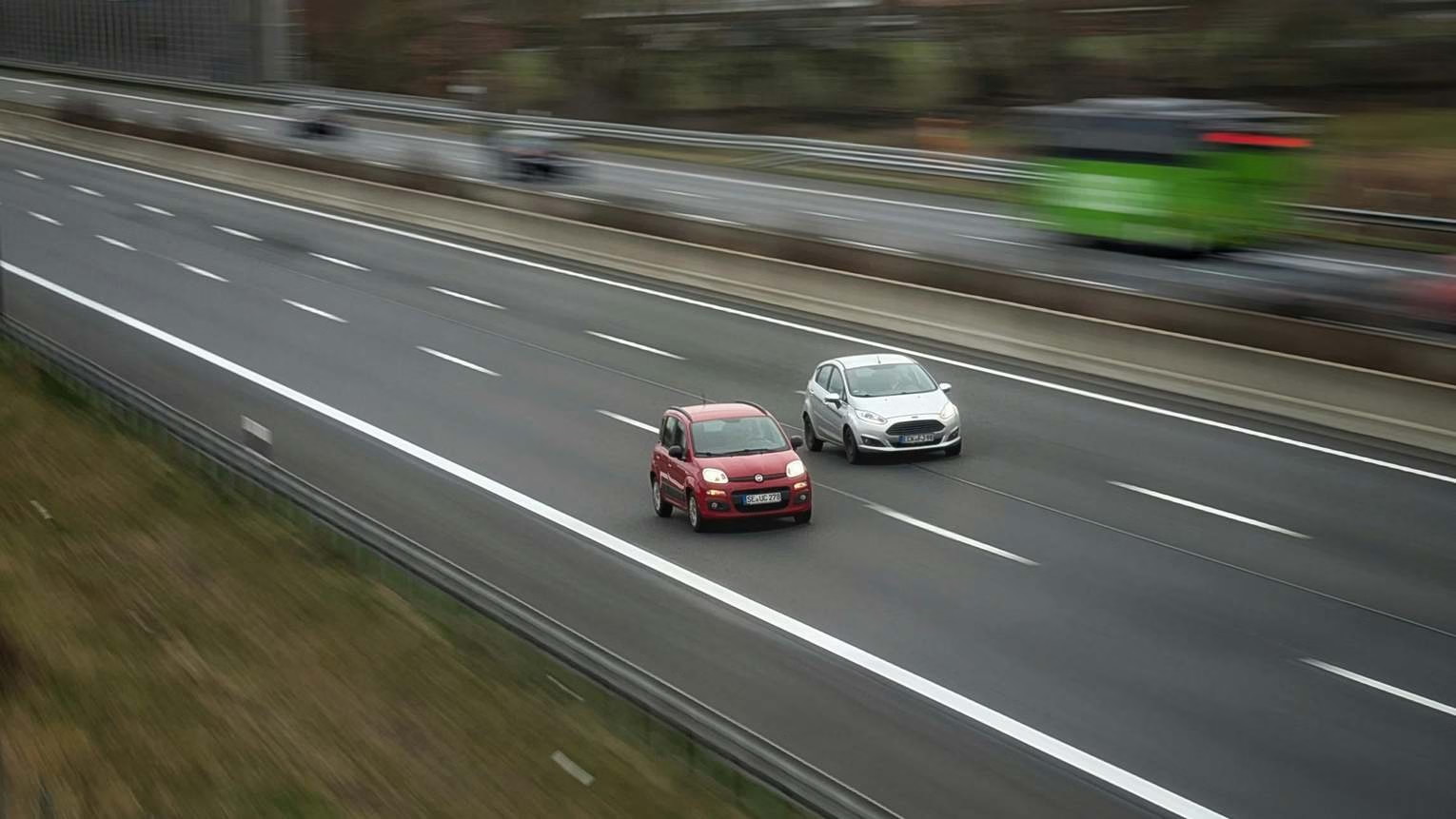
If your car is shaking when accelerating at low speeds, you are right to pay attention. A smooth car should not shiver, shudder, or vibrate every time you press the gas. That kind of movement usually means something is off. Sometimes the issue is small and easy to fix. Other times, it points to a part that is wearing out fast.
The good news is this: the shaking itself is a clue.
How your car shakes, when it shakes, and where you feel it can help you narrow down the cause. Maybe the steering wheel trembles. Maybe the whole car shudders when you pull away from a stop. Maybe it only happens when you turn, go uphill, or carry extra weight. Each detail matters.
In this guide, you will learn the most common reasons a car shakes at low-speed acceleration, how to tell one cause from another, what repairs may help, and when the problem needs urgent attention. We will keep things simple. No heavy jargon. No mechanic-speak. Just clear answers you can use.
Why a Car Should Not Shake When You Accelerate
Your car is built to move power from the engine to the wheels in a steady way. When that flow gets interrupted, you feel it. The shake may come from the tires, the engine, the transmission, the axle, or the suspension. In some cases, more than one problem is happening at once.
A small vibration can turn into a bigger one over time. That is why it is smart to act early. A slight shake today can become a rough ride, poor fuel use, or a costly repair later.
Low-speed shaking also feels more obvious than high-speed vibration. At slower speeds, your car has less momentum to smooth things out. That makes weak parts easier to notice, especially when you first pull away from a stop.
The Most Common Causes of a Car Shaking When Accelerating at Low Speeds
Many drivers assume the problem must be the engine. That is possible, but it is not the only answer. Let’s go through the most likely causes in plain language.
Worn or Damaged Tires
Tires are one of the first things to check. A bad tire can cause shaking even at low speed, especially when the car starts rolling under load.
If one tire has uneven wear, a bulge, or a broken belt inside, it may not roll smoothly. That creates a bounce or wobble. You may feel it in the seat, the steering wheel, or both.
Signs the tires may be the problem
- The steering wheel shakes more than the rest of the car
- The shaking gets worse on certain roads
- You see flat spots, cracks, bulges, or uneven tread wear
- Tire pressure is too high or too low
- The car sat unused for a long time and now has a rough roll
Sometimes the tire looks fine from the outside, but the inside structure is damaged. That is why a visual check helps, but it may not tell the full story.
Wheels That Are Out of Balance
A wheel that is out of balance often causes vibration at higher speeds, but you can still feel it at lower speeds in some cases. This is more likely if the imbalance is severe or if one wheel weight fell off.
The shake may start small and rise as you speed up. If the wheel is bent, the vibration may show up even sooner.
Bad CV Joints or Axles
This is a very common reason for car shaking when accelerating at low speeds, especially in front-wheel-drive cars. CV joints help the axle send power to the wheels while allowing movement and turning. When they wear out, the drive becomes rough.
You may notice the shake most when pulling away from a stop or turning out of a parking spot. A damaged axle can also make the car feel jumpy under light throttle.
Signs of a bad CV joint or axle
- Shaking during takeoff
- Clicking sounds when turning
- Grease near the inside of the wheel
- A torn rubber boot around the joint
- Vibration that gets worse as you accelerate
If this issue gets ignored, the joint can fail completely. That can leave you stranded.
Worn Engine Mounts
Engine mounts hold the engine in place. They also absorb movement and stop too much vibration from reaching the cabin. When a mount wears out, the engine can shift more than it should.
That extra movement shows up when you press the gas. You may feel a strong thump, a shake, or a deep vibration.
Signs of worn engine mounts
- The car shakes more at idle and during takeoff
- You feel a clunk when shifting into drive or reverse
- The engine seems to move too much when revved
- The vibration feels stronger on one side of the car
Bad transmission mounts can create similar symptoms. In many cars, both types of mounts age at the same time.
Engine Misfire
A misfire means one or more cylinders are not producing power the right way. That makes the engine run unevenly. If the misfire happens during low-speed acceleration, the car may shake, hesitate, or feel like it is stumbling.
This often happens because of worn spark plugs, weak ignition coils, or fuel delivery issues.
Signs of an engine misfire
- Rough idle
- Poor acceleration
- Jerking when pressing the gas
- A check engine light
- A sharp drop in fuel economy
A mild misfire can feel like a quick flutter. A worse one can make the whole car shake hard.
Transmission Trouble
The transmission controls how power gets delivered to the wheels. If it slips, shifts poorly, or struggles to engage, you may feel a shudder when accelerating from low speed.
Automatic transmissions can shudder when fluid is old, low, or dirty. Manual transmissions can shake if the clutch is worn or uneven.
Signs of transmission-related shaking
- Delayed response when you press the gas
- Jerky shifts
- A shudder during gear changes
- Engine revs rise, but speed does not match
- Burning smell or fluid leaks
Transmission issues do not always begin with dramatic symptoms. Often, the first clue is a mild shake that comes and goes.
Suspension or Steering Problems
The suspension keeps the ride stable. The steering system helps keep the car pointed where you want it to go. When key parts wear out, the car can shake under load, especially on rough roads or during low-speed turns.
Loose bushings, worn ball joints, and weak tie rods can all play a part.
Signs the suspension may be at fault
- The car pulls to one side
- You hear clunks over bumps
- The ride feels loose or floaty
- The steering feels shaky or vague
- Tire wear looks uneven
Suspension issues often overlap with tire and alignment issues, so it helps to inspect them together.
Brake Drag or Sticking Calipers
Sometimes the brakes do not release fully. One wheel may stay partly engaged. That puts extra strain on the car as it tries to move. The result can feel like shaking, resistance, or a rough takeoff.
Signs of brake drag
- The car feels slow to move
- One wheel gets hotter than the others
- You smell something hot after driving
- Fuel use gets worse
- The shake is stronger after stop-and-go traffic
This problem can wear down brakes fast and raise safety concerns, so it should not wait.
Driveshaft or U-Joint Problems
If you drive a rear-wheel-drive vehicle, truck, or some all-wheel-drive models, the driveshaft may be a factor. A worn U-joint or bent driveshaft can cause vibration during low-speed acceleration.
The shake often feels like it comes from underneath the car rather than from the steering wheel.
Dirty or Clogged Fuel System
If your engine is not getting fuel in a clean, steady way, it may struggle under acceleration. That can lead to hesitation and shaking.
A clogged fuel injector, weak fuel pump, or dirty throttle body can all play a role. This kind of issue tends to build over time.
Bad Wheel Alignment
Alignment problems do not always cause shaking on their own, but they can make other problems worse. If the tires are already wearing unevenly, poor alignment can turn a small vibration into a noticeable shake.
If your car recently hit a pothole or curb, alignment is worth checking.
How the Shaking Feels Can Help You Diagnose the Problem
Not all shakes feel the same. That is useful. The pattern can help you narrow down the cause faster.
If the Steering Wheel Shakes
Start with the front tires, front wheels, alignment, and suspension. These parts affect the steering feel most.
If the Whole Car Shudders
Look at the engine mounts, transmission, axle, or engine performance. A cabin-wide shake often points to something in the powertrain.
If It Only Shakes While Turning and Accelerating
CV joints move to the top of the list. This is one of the clearest clues for axle-related trouble.
If It Feels Like the Car Hesitates First, Then Shakes
Think about engine misfire, fuel issues, or transmission slip. The timing matters. A stumble before the shake often means power is not being delivered cleanly.
If the Shake Gets Worse Uphill
That points to a load-related problem. Engine misfires, transmission issues, and worn mounts often show up more when the engine works harder.
Is It Safe to Drive a Car That Shakes When Accelerating at Low Speeds?
Sometimes you can drive a short distance without immediate danger. But that does not mean the problem is harmless. A shaking car is telling you that something is not right.
Here is a simple rule: if the shaking is new, getting worse, or comes with other warning signs, do not ignore it.
It may be less urgent if
- The shake is mild
- It happens only once in a while
- There are no warning lights
- The car still drives normally otherwise
It may be urgent if
- The check engine light is flashing
- The shaking is strong or sudden
- You hear clunking, grinding, or clicking
- The car loses power
- You smell burning
- The steering feels loose or unstable
- The car jerks hard when shifting
If any of those signs show up, get the car inspected as soon as you can. A small problem can become a major one fast.
How to Check the Problem at Home Before Visiting a Shop
You do not need to be a mechanic to notice useful clues. A few simple checks can make the diagnosis easier.
Step 1: Pay Attention to When It Happens
Ask yourself:
- Does it shake only from a stop?
- Does it happen only when turning?
- Is it worse when the car is cold?
- Does it happen uphill?
- Does it go away at higher speed?
Write the pattern down. This helps a lot.
Step 2: Inspect the Tires
Look for:
- Low pressure
- Uneven tread wear
- Bulges or cuts
- One tire that looks different from the others
Also check if the wheels appear damaged or bent.
Step 3: Notice Warning Lights
A check engine light often means the engine or fuel system needs attention. If the light flashes, stop driving if you can do so safely. A flashing light often points to a more serious misfire.
Step 4: Listen for Noise
Different sounds can point in different directions.
- Clicking while turning often points to a CV joint
- Clunking may suggest a mount or suspension part
- Grinding could mean brake or wheel trouble
- A deep hum may point to tires or bearings
Step 5: Feel Where the Vibration Comes From
This matters more than many drivers realize.
- Steering wheel = front wheel, tire, or suspension issue
- Floor or seat = drivetrain or rear wheel issue
- Whole car = engine, mounts, or transmission
Step 6: Check for Leaks or Burnt Smells
Fluid under the car, or a sharp burnt smell after driving, can point to transmission, brake, or engine trouble.
Common Repair Fixes for a Car Shaking at Low-Speed Acceleration
The right fix depends on the cause. But most solutions fall into a few clear groups.
Tire and Wheel Fixes
- Adjust tire pressure
- Rotate the tires
- Balance the wheels
- Replace damaged tires
- Repair or replace bent wheels
- Correct the alignment
These fixes often solve the problem fast if the vibration comes from the rolling parts.
Axle and CV Joint Repairs
- Replace torn CV boots if caught early
- Replace worn CV axles
- Inspect nearby suspension parts for added wear
If the joint is already noisy or shaking badly, replacement is usually the best path.
Engine Tune-Up Repairs
- Replace old spark plugs
- Replace weak ignition coils
- Clean or replace fuel injectors
- Clean the throttle body
- Fix vacuum leaks if present
These repairs help when the engine stumbles under load.
Mount Replacement
- Replace worn engine mounts
- Replace transmission mounts if needed
This can make a dramatic difference in how smooth the car feels.
Transmission Service
- Check transmission fluid level
- Replace old or burnt fluid if the car allows it
- Inspect for leaks
- Repair worn internal parts if needed
Transmission work can range from simple service to a larger repair. Catching the issue early gives you the best chance of keeping the cost down.
Suspension and Brake Repairs
- Replace worn bushings, tie rods, or ball joints
- Replace sticking brake calipers
- Repair worn rotors or pads if needed
These parts affect both comfort and safety, so they should not be ignored.
How Much Does It Cost to Fix a Car That Shakes When Accelerating at Low Speeds?
Repair cost depends on what failed, how early you catch it, and what kind of car you drive. The range can be wide. But here are some common examples.
Lower-cost fixes
- Tire pressure correction
- Wheel balancing
- Spark plug replacement
- Basic alignment
- Fuel system cleaning
These are often the least painful fixes and may solve the problem if caught early.
Mid-range repairs
- New tires
- Ignition coil replacement
- Engine mount replacement
- Brake caliper repair
- Suspension part replacement
These cost more, but they are still manageable for many drivers.
Higher-cost repairs
- CV axle replacement on some vehicles
- Major suspension work
- Transmission repair
- Driveshaft replacement
The real money saver is early action. A small vibration that starts today can be much cheaper to fix than a major breakdown later.
The Most Likely Cause by Symptom
If you want a quick shortcut, use this symptom guide.
Car shakes from a stop
Possible causes:
- Worn engine mounts
- Transmission issues
- Bad CV joints
- Misfire under load
Car shakes only when turning and accelerating
Possible causes:
- CV joint or axle trouble
Steering wheel shakes at low speed
Possible causes:
- Tire damage
- Bent wheel
- Front suspension wear
- Alignment issue
Car jerks and shakes when pressing the gas
Possible causes:
- Engine misfire
- Fuel delivery problem
- Transmission slip
Car shudders after sitting for a long time
Possible causes:
- Flat-spotted tires
- Rusty brake components
- Tire pressure issues
Car vibrates more uphill
Possible causes:
- Misfire
- Weak transmission
- Mount problems
- Fuel system issue
Why You Should Not Put Off the Repair
A shaking car often gets worse in stages. At first, it may only happen once in a while. Then it becomes part of every drive. Then another part starts to wear out because of the first problem.
For example, a worn tire can damage suspension parts over time. A bad mount can stress nearby hoses and wiring. A misfire can hurt the catalytic converter. A weak CV joint can fail and stop the car from moving.
That is why early repair is not just about comfort. It is about avoiding bigger damage.
How Mechanics Usually Diagnose This Problem
When you take the car in, a good shop will not guess. They will look for a pattern.
They may start with a road test. That helps them feel the vibration and notice when it happens. Then they may inspect the tires, wheels, axle boots, suspension, engine mounts, and brakes. If the engine light is on, they will scan for trouble codes. If the vibration feels like a transmission issue, they may check fluid condition and shift behavior.
The key is this: a real diagnosis saves money. Swapping random parts rarely works.
How to Prevent a Car from Shaking During Acceleration
You cannot stop every problem, but you can lower the odds.
Stay on top of tire care
Check tire pressure often. Rotate the tires on schedule. Replace damaged tires early.
Keep up with routine tune-ups
Old spark plugs and weak coils can trigger rough running. Small service items matter more than many drivers think.
Fix small vibrations early
Do not wait for the shake to become severe. That delay often turns a simple repair into a larger one.
Watch for torn boots and leaks
A small tear in a CV boot may not seem urgent, but it lets grease out and dirt in. That wears the joint fast.
Be gentle with potholes and curbs
Hard impacts can throw off alignment, bend wheels, and stress suspension parts.
Service the transmission on time
Fresh fluid helps many transmissions stay smooth. Skipping service can shorten their life.
When the Problem Might Be Something Simple
Not every shake means major trouble. Sometimes the answer is surprisingly basic.
A tire may just be low. A wheel weight may have fallen off. The engine may need new spark plugs. The brake may be sticking after long storage. These issues still matter, but they are often easier to fix than drivers expect.
That said, simple should not mean ignored. If the car is shaking, it deserves a check.
Frequently Asked Questions
Why is my car shaking when accelerating at low speeds?
The most common reasons are tire problems, axle or CV joint wear, bad engine mounts, engine misfire, transmission trouble, or worn suspension parts.
Can bad spark plugs cause a car to shake when accelerating?
Yes. Worn spark plugs can cause the engine to misfire. That often feels like shaking, jerking, or hesitation when you press the gas.
Can low transmission fluid cause shaking?
Yes. Low or dirty transmission fluid can lead to rough shifting, slipping, and shuddering during low-speed acceleration.
Why does my car shake only when I accelerate from a stop?
That often points to engine mounts, transmission issues, or axle problems. These show up most when the car first begins to move.
Why does my car shake when turning and accelerating?
A worn CV joint is one of the most likely causes. This is a very common pattern, especially in front-wheel-drive cars.
Is it safe to drive if my car shakes when I press the gas?
It depends on the cause. Mild vibration may allow a short trip, but strong shaking, power loss, warning lights, or burning smells mean you should get it checked right away.
Can bad tires really cause shaking at low speed?
Yes. A damaged tire, uneven wear, or internal belt problem can all cause noticeable vibration, even before you reach highway speed.
Will an alignment fix the shaking?
It can help if poor alignment is causing uneven tire wear or stressing the suspension. But alignment alone will not fix a bad axle, misfire, or worn mount.
Final Thoughts: What to Do If Your Car Shakes at Low-Speed Acceleration
If your car shakes when accelerating at low speeds, do not brush it off as normal. Cars are built to accelerate smoothly. When yours does not, there is usually a reason.
Start with the basics. Check the tires. Notice when the shaking happens. Listen for clicks, clunks, or grinding. Watch for warning lights. These clues can point you in the right direction.
The most common causes are simple to remember:
- Tires and wheels
- CV joints and axles
- Engine and transmission mounts
- Engine misfire
- Transmission problems
- Suspension or brake issues
Some fixes are quick. Some are more involved. But nearly all become easier to handle when caught early.
If the vibration is mild, you may have time to inspect it and book a repair. If the shaking is strong, gets worse fast, or comes with noise, smell, or warning lights, treat it as urgent.
A smooth car feels right because all its parts are working together. When your car starts to shake, it is asking for help. Listen early, fix the root cause, and you will protect your ride, your wallet, and your peace of mind.
🚗 Car Shaking?
Find the cause & fix it fast
Explore expert guides — from shaky steering wheels to vibrations at high speed. Click any card for complete insights.
Car Shaking When Driving Fast?
Highway vibrations? Unbalanced tires, bent wheels, or alignment issues. Get causes, fixes & safety tips.
Read full guide →What Does It Mean When Your Car Is Shaking?
General trembling or vibrations? Understand common triggers: tires, suspension, drivetrain & early warning signs.
Explore causes →Car Shaking When Applying Brakes
Pulsing brake pedal or steering wheel shake? Worn rotors, uneven pads — brake-specific diagnosis & repairs.
Brake solutions →Car Shaking When AC Is On
Idle shakes & vibrations after turning A/C? Engine load, mounts, or compressor issues explained step-by-step.
AC diagnosis →Car Shakes at High Speed
Specific speed vibrations? Wheel balance, tire damage, or alignment — pinpoint the culprit with expert advice.
High-speed help →Car Shaking When Braking
Warped rotors, caliper issues, or uneven pad wear — learn how to restore smooth braking safely.
Brake repair guide →Car Shaking When Accelerating
Engine hesitation, shaking under throttle? Fuel system, motor mounts, or CV axle — comprehensive troubleshooting.
Throttle solutions →Quick Recap
If you want the short version, here it is:
- A car should not shake during low-speed acceleration
- Tires, axles, mounts, misfires, and transmission issues are top causes
- The pattern of the vibration helps you narrow it down
- Steering wheel shake often points to tires or front-end parts
- Whole-car shudder often points to drivetrain or engine issues
- Strong shaking should never be ignored
- Early diagnosis usually saves money