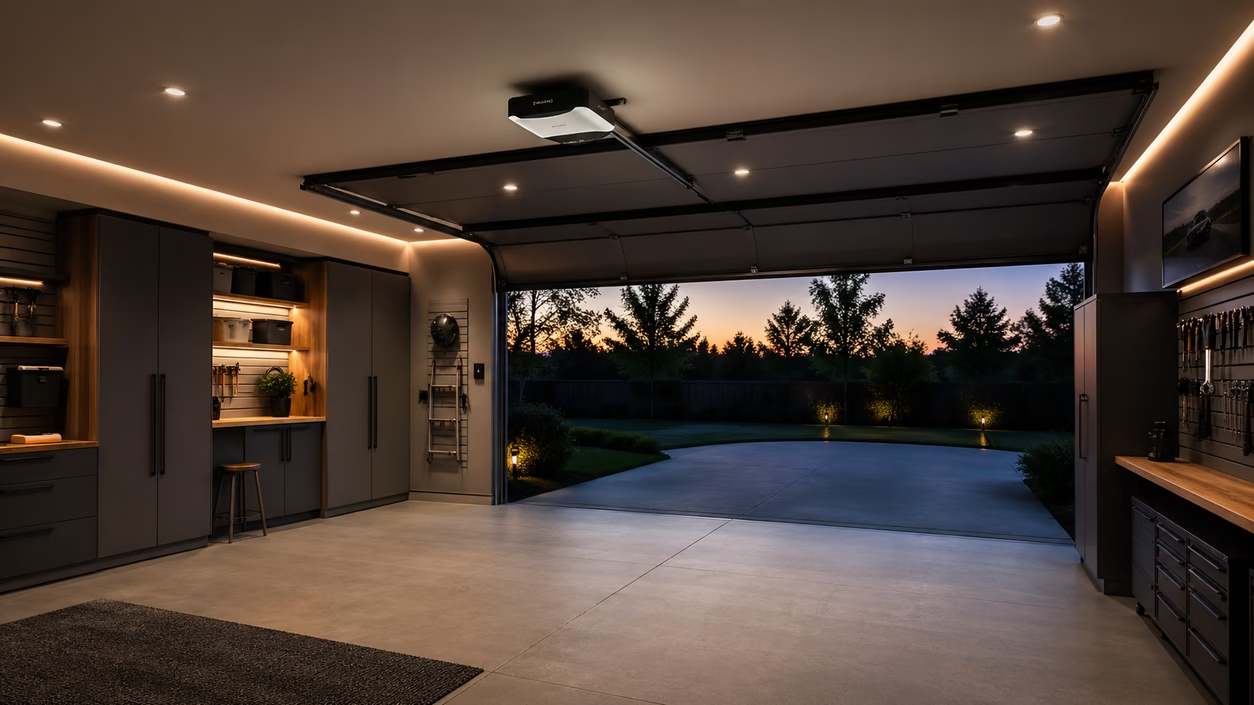
Introduction
Nothing ruins a peaceful morning faster than a garage door that sounds like a freight train. If your bedroom sits above the garage, you already know the struggle. That loud grinding noise rattles through the walls and wakes everyone up.
The good news? You don’t have to live with it anymore. A quiet garage door opener can change everything. The right model opens and closes so smoothly that you barely notice it running. You get peace, privacy, and a lot less stress.
In this guide, we foundthe best quiet garage door opener models on the market. We focused on belt drive systems because they consistently rank as the quietest option for homes. Every pick on our list delivers ultra quiet belt drive opener performance without waking the baby or disturbing your work-from-home calls.
Whether you need the quietest garage door opener for bedroom above setups or just want less racket in your life, we have you covered. Keep reading to find the perfect fit for your home and budget.
Garage Door Opener Comparison
Quiet, smart & reliable — find your perfect match
| Product | Key Features | Rating | Action |
|---|---|---|---|
 Genie
SilentMax 1200
Genie
SilentMax 1200Model 4042-TKH | Ultra-quiet belt drive Safe-T-Beam Intellicode security 140V DC motor • 2 remotes + keypad • DIY-friendly |
★
★
★
★
★
| Check Price → |
 Chamberlain
B4310 Smart Opener
Chamberlain
B4310 Smart Opener | Integrated 130° camera Battery backup myQ app control 3/4 HP DC motor • dual-bulb LED • 5-year warranty |
★
★
★
★
★
| Check Price → |
 LiftMaster
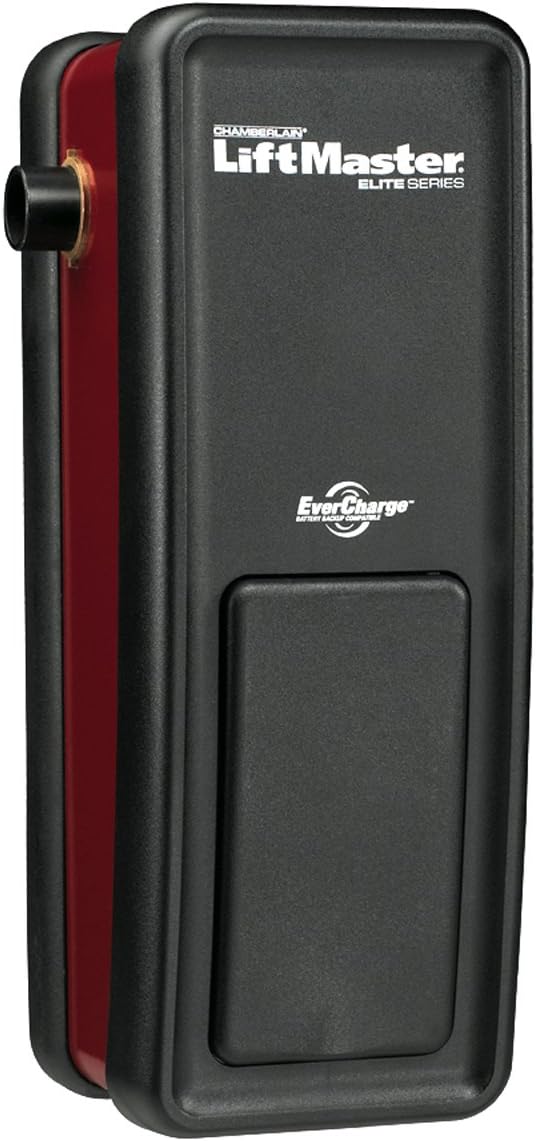
8500 Wall Mount
LiftMaster
8500 Wall Mount(Ships as 98022) | Wall-mount jackshaft Saves ceiling space P3 durable motor Ultra-quiet • myQ ready • up to 14ft doors • premium build | Check Price → | |
 Chamberlain
B4643T Smart Opener
Chamberlain
B4643T Smart Opener | 140° camera + 2-way audio 1,000 lumens LED Lifetime motor warranty Motion-activated lighting • next-gen Wi-Fi |
★
★
★
★
★
| Check Price → |
 Chamberlain
B6713T High-Power
Chamberlain
B6713T High-Power | 2,000 lumens LED 1-1/4 HP motor Amazon Key ready Battery backup • Security+ 2.0 • corner-to-corner light |
★
★
★
★
★
| Check Price → |
Why Belt Drive Garage Door Openers Are the Quietest Choice
So what makes a belt drive garage door opener so much quieter than other types? It all comes down to how the system moves your door. Instead of a clanking metal chain, a belt drive uses a smooth steel-reinforced rubber belt. This belt glides along the track with almost no friction. The result is soft, steady motion that keeps noise to a minimum.
Most belt drive models also use a DC motor with soft start and stop technology. That means the opener does not jerk the door open or slam it shut. It ramps up gently, moves at a steady pace, and slows down before touching the ground. You hear a low hum instead of a loud rattle.
Are belt drive garage door openers quiet enough for attached garages? Absolutely. Homeowners consistently report that switching from a chain drive cuts noise by half or more. If you want real garage door opener noise reduction, this is where you start.
How Belt Drive Technology Works
A belt drive system replaces the metal chain with a flexible belt. This belt contains steel reinforcements for strength, but the outer surface is smooth rubber or synthetic material. As the motor turns, the belt pulls the trolley that moves your door. There are no metal links clicking against a metal track. The motion stays smooth from start to finish.
The DC motor plays a big role too. Unlike older AC motors, a DC motor adjusts its speed. It starts slow, builds up gently, and eases to a stop. This removes the harsh jolts that create vibration and sound. That is how quiet is a belt drive opener compared to traditional options. The difference is night and day.
Belt Drive vs Chain Drive vs Screw Drive: Noise Comparison
Chain drives use a thick metal chain to pull the door. Metal on metal creates a lot of clanking and grinding. These systems work fine for detached garages, but they echo through walls in attached homes.
Screw drives use a threaded steel rod. They sit in the middle of the pack for noise. The rod turns to push the trolley, which creates a buzzing sound. They also need more maintenance to stay quiet over time.
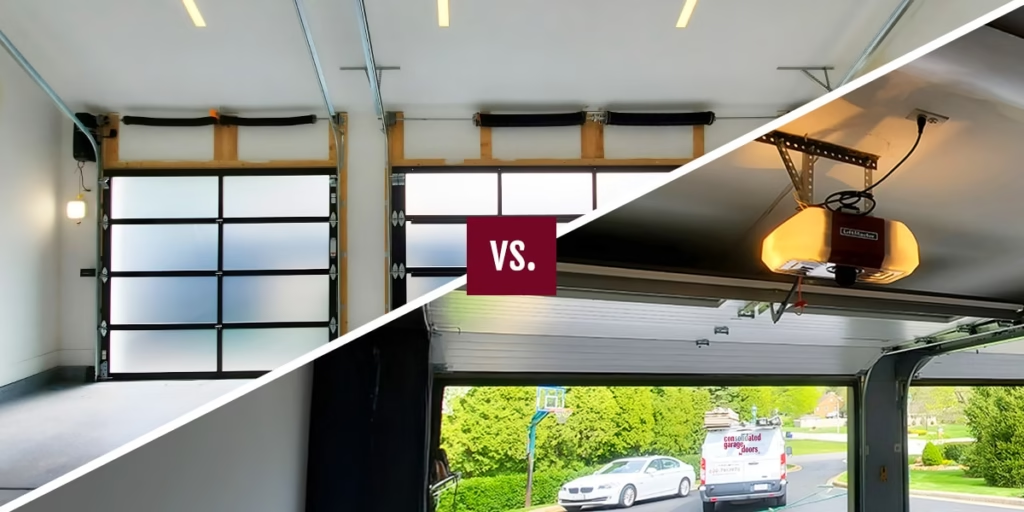
Belt drives sit at the top for silence. The rubber belt absorbs vibration instead of sending it through the ceiling. If you compare belt drive vs chain drive noise side by side, the belt wins every time. Even wall mount vs belt drive noise comparisons often favor belt drives for overall smoothness, though wall mounts have their own perks.
Ideal Use Cases for a Quiet Opener
An ultra quiet belt drive opener shines in specific situations. It works best when the garage attaches directly to your living space. If you have a bedroom, nursery, or home office above or next to the garage, noise matters.
Night shift workers love these openers because they can come and go without waking the household. Families with small children appreciate the silence during nap time. Even pet owners notice less barking when the door moves quietly.
Chamberlain and Genie both make excellent belt drive models. When you look at Chamberlain vs Genie quietness, both brands deliver strong results. Chamberlain often adds smart features and brighter lights. Genie focuses on simple, reliable quiet performance at a lower price. Either way, you get a system that respects your peace and quiet.
Top 5 Quietest Belt Drive Garage Door Openers Ranked
We tested the top models on the market. Each one uses a belt drive for smooth, silent motion. Here are our picks based on noise, features, and real buyer feedback.
Chamberlain B6713T — Best Overall
The Chamberlain B6713T takes the top spot. It pairs a steel belt with a DC motor for whisper-quiet runs. The soft start tech keeps vibration low. You barely hear it move.
This opener also shines in other ways. The LED system pumps out two thousand lumens. That lights up the whole garage. Built-in Wi-Fi and Bluetooth let you control the door from your phone. You also get a battery backup for power outages.
It costs three hundred eighteen dollars. Buyers love the hushed sound. They also praise the bright lights and simple setup. It scores four point five stars from over three hundred eighty-four users. This model gives you power, smart tools, and silence in one box.
Check the latest price and images here.

Chamberlain B4310 — Best with Camera
Want smart features on a budget? The Chamberlain B4310 is your pick. It costs two hundred forty-nine dollars. It still packs a belt drive that runs almost silently. The three-quarter HP motor handles most home doors with ease.
The big draw here is the built-in camera. You get a one hundred thirty degree lens. It streams live video to your phone. You can see who enters your garage at any time. The myQ app handles remote control, alerts, and video in one place.
Battery backup comes standard too. You stay protected when the power fails. Buyers give it four point six stars across over two thousand reviews. Many say the quiet belt drive changed their daily life. The camera adds peace of mind that chain drives cannot match.
See current pricing and photos here.
Chamberlain B4643T — Best Camera Quality
The Chamberlain B4643T steps things up. It has a sharper camera and a lifetime motor warranty. It uses the same quiet belt drive as its siblings. But it adds a one hundred forty degree camera with two-way audio. You can talk to delivery drivers through the myQ app.
Motion-activated LED lights give one thousand lumens where you need them. The soft start motor keeps noise and vibration tiny. At three hundred sixty-nine dollars, it costs more than the B4310. The lifetime warranty and better camera make up for the extra cost.
Reviewers praise the clear video and the simple three-D install guide in the app. It holds four point three stars from over six hundred fifty buyers. If you want a quiet opener with a top-tier camera, this is the one.
View the product page and full specs here.
Genie SilentMax 1200 — Best Budget Pick
You do not need to spend a lot to get quiet. The Genie SilentMax 1200 proves it. At two hundred fifty-one dollars, it offers some of the best noise reduction in its class. The name says it all. This model was built for silent runs.
It uses a one hundred forty volt DC motor. The steel belt moves the door at up to nine inches per second. That is fast and quiet. Intellicode security changes the access code each time you use it. The Safe-T-Beam reverses the door if anything blocks the path.
Buyers love the simple setup and hushed sound. It scores four point three stars from five hundred thirty ratings. The main trade-off is no Wi-Fi or phone control. If you want a reliable, quiet machine without smart extras, this Genie model gives huge value.
Check availability and reviews here.
Important note: This model is not for sale in California. State law requires battery backup, and this unit does not have it.
LiftMaster 8500 — Best Wall Mount
The LiftMaster 8500 takes a different path. It mounts on the wall beside your door. This design removes all overhead rail noise. For pure silence, nothing else comes close.
It uses a jackshaft system. It turns the torsion bar directly. There is no belt or chain across your ceiling. The door glides up and down with almost zero sound. It fits sectional doors up to fourteen feet high. It also frees up ceiling space for storage.
Smart features work through myQ tech. You need a separate gateway for full phone control. An optional battery backup kit is sold on its own. At six hundred fifty dollars, it costs more than ceiling models. Buyers say the silence and space savings are worth the price.
See more details and install guides here.
Quick Comparison Table
Here is a quick look at all five models.
| Model | Price (May Vary) | Motor | Noise Level | Smart Features | Battery Backup | Best For |
|---|---|---|---|---|---|---|
| Chamberlain B6713T | $318 | 1¼ HP | Ultra-Quiet | Wi-Fi + Bluetooth | Yes | Best Overall |
| Chamberlain B4310 | $249 | ¾ HP | Ultra-Quiet | Wi-Fi + Camera | Yes | Budget Smart |
| Chamberlain B4643T | $369 | — | Ultra-Quiet | Wi-Fi + 140° Camera | Yes | Premium Camera |
| Genie SilentMax 1200 | $251 | ¾+ HPc | Ultra-Quiet | Basic | No | Best Budget |
| LiftMaster 8500 | $650 | — | Silent Wall Mount | myQ (Gateway Extra) | Optional | Space Saving |
Buyer’s Guide: How to Choose the Quietest Belt Drive Opener
Picking the right quiet opener means looking past the ads. Here is what really matters.
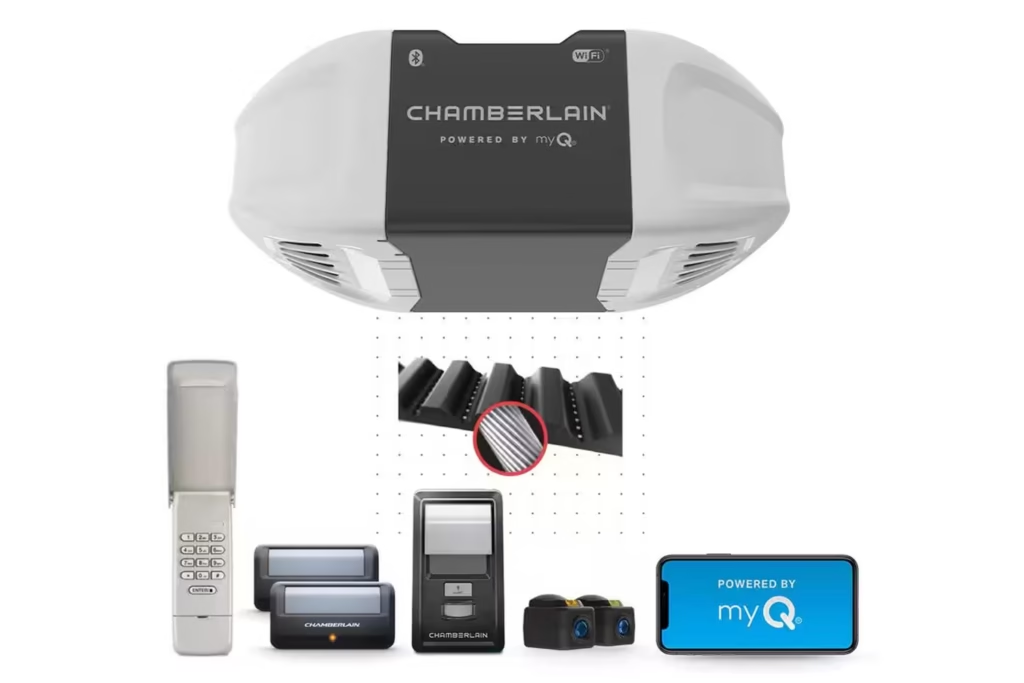
Motor Power vs Door Size
A three-quarter HP motor handles most single and double doors. If you have a heavy wood door or an oversized model, go for one and one-quarter HP. More power means less strain. Less strain means less noise over time.
Check the height limit too. Most openers fit seven-foot doors out of the box. Eight-foot doors need an extension kit. The Genie SilentMax and most Chamberlain models sell these kits on their own.
DC Motor vs AC Motor
Always pick a DC motor for quiet runs. AC motors run at one speed. They create more vibration. DC motors start slow, run smooth, and stop soft. This soft start tech is the secret behind that hushed hum.
Steel-Reinforced Belt Quality
Not all belts are the same. Look for steel-reinforced rubber belts. Skip basic rubber-only types. Steel adds strength and stops stretching. A stretched belt creates slack. Slack leads to jerky motion and extra noise. Every model on our list uses a reinforced belt.
Vibration Isolation Features
The belt is only part of the story. Check if the opener has rubber mounts or dampeners. These small parts soak up shakes before they hit your ceiling. You can also upgrade your door parts. Nylon rollers replace noisy metal ones. They cut track noise by half. Lube the springs and hinges twice a year to keep things smooth.
Smart Features Worth Paying For
Smart tools add ease, but they add cost too. Ask what you really need. The myQ app lets you open and close the door from anywhere. It sends alerts when someone uses the garage. Camera models let you see and talk to visitors. If you just want quiet runs without phone control, the Genie SilentMax saves you cash.
Battery backup is another smart add-on. It keeps your opener alive during blackouts. California law now requires it for all new sales. Even if you live elsewhere, backup power adds safety and ease.
Installation Considerations
Most belt drive openers are built for DIY install. Chamberlain models include three-D guides through their app. The Genie SilentMax uses a C-channel rail. It snaps together with no extra hardware.
Wall-mount openers like the LiftMaster need front-mount torsion springs. If your garage has a low ceiling or lots of overhead storage, a wall mount frees up space. Just make sure your door type works with it before you buy.
Warranty Matters
A longer warranty often means better build quality. The Chamberlain B4643T offers a lifetime motor and belt warranty. Most other models carry five-year parts coverage. Read the fine print to see what the maker really covers. A strong warranty protects your buy and gives you peace of mind.
Focus on these key points. You will find the best quiet garage door opener for your home and budget.
Frequently Asked Questions
Are belt drive garage door openers really that much quieter?
Yes. Belt drives run about ten to twenty decibels lower than chain drives. That may not sound like much, but the human ear hears it as a huge drop. The rubber belt absorbs vibration instead of sending it through your ceiling. Chain drives use metal on metal, which creates clanks and grinds. Switching to a belt drive often cuts noise by half or more. If your garage sits under a bedroom or next to a living room, you will notice the change right away.
What is the absolute quietest garage door opener type?
For ceiling-mounted units, belt drives win every time. They use smooth rubber belts and DC motors with soft start tech. But if you want zero ceiling noise, a wall-mount jackshaft opener like the LiftMaster 8500 is the best pick. It turns the torsion bar directly. There is no rail or belt above your head. That removes all overhead vibration. The trade-off is a higher price and a more complex install.
Can I make my existing garage door opener quieter?
Yes. You have a few options before you replace the whole unit. First, swap out metal rollers for nylon ones. Nylon rollers cut track noise by up to fifty percent. Second, lube the springs, hinges, and rollers twice a year. Use a silicone-based spray, not grease. Third, tighten all loose bolts and brackets. Rattles often come from parts that shook loose over time. Fourth, add rubber vibration pads between the opener and the ceiling mount. These pads soak up shakes before they travel through the house. These fixes help, but they cannot match the silence of a new belt drive system.
Do quiet garage door openers cost more?
They cost a bit more than basic chain drives, but the gap is smaller than you think. The Genie SilentMax 1200 costs two hundred fifty-one dollars. That is only a few dollars more than a loud chain drive. Smart models like the Chamberlain B4310 hit two hundred forty-nine dollars with Wi-Fi and a camera included. You do not need to spend a fortune to get peace and quiet. Even premium picks like the Chamberlain B4643T at three hundred sixty-nine dollars offer lifetime warranties that add long-term value.
Is a battery backup necessary for a quiet opener?
It depends on where you live. California law now requires battery backup on all new garage door openers. If you live there, you must have it. For everyone else, it is optional but smart. A blackout can trap your car inside or leave your home exposed. Battery backup gives you about ten open-and-close cycles during an outage. Most Chamberlain models include it. The Genie SilentMax does not, which is why it cannot ship to California. The LiftMaster 8500 offers it as an add-on.
Will a quiet opener work with a heavy wooden door?
Yes, as long as you match the motor power to the door weight. A three-quarter HP motor handles most steel and aluminum doors fine. Solid wood doors are much heavier. You should step up to one and one-quarter HP. The Chamberlain B6713T has the muscle for heavy doors. It also runs quietly thanks to its reinforced belt and DC motor. If your door is old or unbalanced, fix that first. An unbalanced door strains any opener and creates extra noise no matter how quiet the motor is.
Pro Tips for Maximizing Garage Door Quietness
A quiet opener is only half the battle. The door itself makes noise too. Here are simple ways to keep the whole system hushed.
Upgrade to Nylon Rollers
Most garage doors come with metal rollers. They work fine, but they clatter inside the track. Nylon rollers glide instead of rattle. They also need less lube. This one swap can cut overall noise by fifty percent. Look for sealed-bearing nylon rollers. They last longer and stay quieter over time.
Lubricate Springs and Hinges
Dry metal parts create squeaks and grinds. Lube the springs, hinges, and rollers every six months. Use a silicone spray made for garage doors. Do not use WD-40 or grease. WD-40 is a cleaner, not a lube. Grease attracts dust and gums up the works. A quick spray takes ten minutes and keeps things smooth.
Check Door Balance
An unbalanced door fights the opener. That creates strain, wear, and noise. Test the balance by pulling the release cord and lifting the door by hand. It should stay put at waist height. If it falls or shoots up, the springs need adjustment. Call a pro for this. Springs hold a lot of tension and can hurt you if handled wrong.
Install Vibration Pads
Even the quietest opener sends small shakes into the ceiling. Rubber vibration pads sit between the opener mount and the ceiling joist. They absorb those tiny movements before they spread. You can buy a set for under twenty dollars. They take minutes to install and make a real difference in attached garages.
Tighten Loose Hardware
Over time, bolts and brackets loosen from daily use. A loose track bracket creates a rattle every time the door moves. Walk around your door system and tighten anything that wiggles. Check the track mounts, hinge bolts, and opener arm connections. This simple step removes mystery noises you might blame on the opener.
Final Verdict: Which Quiet Belt Drive Opener Should You Buy?
The right pick depends on your home, your budget, and what features matter most.
If you want the best all-around package, go with the Chamberlain B6713T. It blends power, smart tools, and silence at a fair price. The two thousand lumen lights and battery backup seal the deal. It is the quietest belt drive garage door opener for most homes.
If you want smart features without spending much, the Chamberlain B4310 is hard to beat. The built-in camera and myQ app give you full control for under two hundred fifty dollars. The belt drive keeps noise low, and the battery backup adds safety.
If camera quality tops your list, pick the Chamberlain B4643T. The lifetime warranty and two-way audio camera justify the extra cost. It is perfect for busy families who get lots of deliveries.
If you just want quiet and nothing else, the Genie SilentMax 1200 is your friend. It skips the smart tech but delivers some of the best noise reduction you can buy. The low price makes it a steal.
If your garage has a low ceiling or you need storage space above, the LiftMaster 8500 is the answer. The wall-mount design removes all overhead noise. It costs more, but the silence and freed-up space are worth it.
No matter which one you choose, you will hear the difference the first time you press the button. Say goodbye to rattles and grinds. Say hello to peace and quiet.