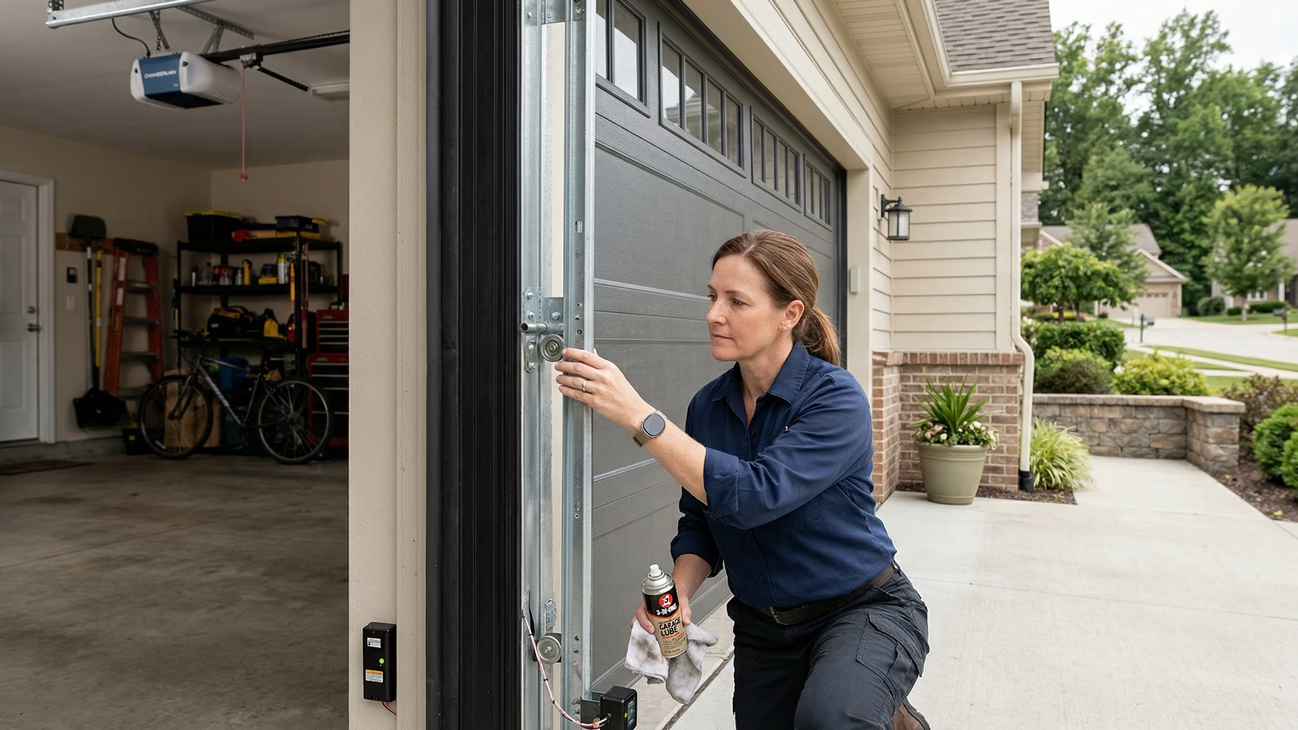
A loud garage door can ruin a calm morning fast. It can squeak, shake, grind, or stop when you need it most. The good news is that most of these issues do not start overnight. They build up little by little. That is why garage door opener maintenance matters so much.
A simple yearly check can help your system stay quiet, safe, and reliable. It can also help you spot small problems before they turn into costly repairs. In this guide, you will learn what to look for, what you can do yourself, and when it is best to call a pro.
Why Annual Garage Door Opener Maintenance Matters
Your garage door does a lot of work. For many homes, it opens and closes several times each day. Over time, that constant motion wears down moving parts. Dust builds up. Hardware loosens. Rollers dry out. Small issues start to add stress to the whole system.
That is where garage door opener maintenance pays off. It helps the opener run with less strain. It helps the door move with less noise. It also helps you catch trouble early.
Think of it like routine care for any part of your home that moves often. A little time now can save you from a loud breakdown later. Even better, regular care can make daily use feel smoother. The door opens faster. It sounds better. It works when you need it to.
If you have been searching for garage door maintenance tips that are simple and useful, this annual check is a great place to start.
Signs Your Garage Door Opener Needs Maintenance
Most garage doors give a warning before something fails. The trick is to notice the signs while the fix is still easy.
New or Strange Noises
A quiet system should not suddenly start squeaking or rattling. If you hear grinding, banging, or a sharp vibration, something is off. Dry parts, loose hardware, worn rollers, or a stressed opener can all cause extra noise.
If the sound changes, do not ignore it. New noise is often the first clue that maintenance is overdue.
Slow, Jerky, or Uneven Movement
A garage door should move in a smooth and steady way. If it starts to jerk, pause, or move slower than normal, the opener may be working too hard. That extra strain can shorten its life.
In many cases, the root issue is not the opener alone. Worn rollers, dirty tracks, or door balance problems may be part of the story.
Remote or Wall Button Problems
If your remote works only some of the time, start with the simple fixes first. Weak batteries, dirty sensors, or minor connection issues often cause poor response.
This is one of the most common reasons homeowners start looking up garage door opener troubleshooting.
Safety Sensor Trouble
When the door refuses to close or suddenly reverses, the safety sensors may need attention. Dirt, cobwebs, or a slight shift in alignment can stop the system from working as it should.
This is a safety issue, not just a convenience issue. It deserves a quick check.
The Annual Garage Door Maintenance Checklist
This annual garage door maintenance checklist is designed to help you keep your system running quietly and smoothly. Keep it simple. Focus on safe checks and light upkeep. Leave springs, cables, and major adjustments to trained professionals.
1) Listen to the Door as It Opens and Closes
Start with a full open and close cycle. Stand back and watch. Listen closely.
Do you hear squeaking, rattling, or grinding? Does the opener sound louder than last year? Does the door shake or hesitate?
This first step tells you a lot. A change in sound often points you toward the area that needs help.
2) Inspect the Visible Hardware
Look over the hinges, brackets, and other visible hardware. Check for rust, wear, and loose fasteners. Pay attention to anything that looks bent, cracked, or shaky.
These are some of the most important garage door parts to inspect during your yearly check. If you see minor looseness in a safe and easy-to-reach spot, it may need a quick tighten. If a part looks damaged, replacement is often the smarter move.
3) Check the Rollers
Rollers help the door move along the tracks. When they wear out, the whole system gets louder. The door may also move less smoothly.
Look for cracks, chips, or wobble. If the rollers look worn, the opener may be dealing with extra drag every time it runs. That can lead to noise and early wear.
4) Clean the Tracks
Tracks collect dust, grit, and small debris over time. That buildup can affect how the rollers move. Wipe the tracks clean with a dry or slightly damp cloth. Remove visible dirt and buildup.
Do not try to reshape or force a bent track back into place. If a track looks damaged or out of line, call a pro. Safe cleaning is helpful. Major track correction is not a do-it-yourself task.
5) Lubricate the Right Moving Parts
This is one of the easiest ways to reduce noise. Good garage door lubrication tips can make a huge difference, especially if the door has started to squeak.
Apply garage-door-safe lubricant to approved moving parts like hinges, rollers, and bearings if the product and manufacturer guidance support it. Use a light hand. Too much lubricant can attract more dirt.
Proper lubrication can help prevent noisy garage door problems before they start. It can also lower friction and help the opener run with less effort.
6) Look at the Chain or Belt
If your opener uses a chain or belt, give it a visual check. Look for wear, slack, or signs of damage. Listen for slapping, rattling, or rough movement during use.
A loose chain or worn belt can add noise and stress. If something looks off, do not guess. Follow the manufacturer’s guidance or let a professional handle the adjustment.
7) Test the Auto-Reverse Feature
Your garage door should reverse when it meets resistance. This feature helps protect people, pets, and property.
If the auto-reverse feature does not work as expected, stop using the door until the issue is checked. This is a key part of a garage door safety inspection and should never be skipped.
8) Clean and Check the Photo-Eye Sensors
The photo-eye sensors sit near the bottom of the door opening. If they are dirty or blocked, the door may not close properly.
Wipe the lenses gently. Make sure nothing is blocking the beam. Check that the sensors face each other and show normal indicator lights if your system has them.
This small step solves many common closing problems.
9) Check the Weather Seal
Look at the bottom seal and the side seals around the door. If they are cracked, brittle, or missing in spots, outside air, moisture, dirt, and pests can get in.
Fresh seals do more than protect the garage. They can also help reduce outside noise and improve overall comfort.
10) Test the Remote, Keypad, and Wall Control
Replace weak batteries and test every way you open the door. If the keypad lags or the remote range seems shorter than normal, the issue may be simple.
Many homeowners assume the opener motor is failing when the real problem is just a weak battery or a minor signal issue.
11) Watch for Signs of Poor Door Balance
If the opener seems to strain or the door looks uneven during movement, the door itself may be out of balance. That puts extra pressure on the opener and can lead to early failure.
This is not a fix to tackle on your own. Balance issues often involve high-tension parts. It is best to let a pro handle it.
12) Inspect the Opener Unit
Take a look at the opener housing, light cover, and visible wiring. Look for dust buildup, unusual heat, odd smells, or damaged wires.
If the unit seems hotter than normal or the wiring looks worn, do not wait. These are signs that a service visit makes sense.
Common Garage Door Noise Problems and What They Usually Mean
A noisy door does not just sound bad. It often points to a specific issue.
Squeaking
Squeaking usually comes from dry moving parts. Hinges, rollers, and bearings are common culprits. In many cases, a careful clean and proper lubricant can solve it.
Rattling
Rattling often points to loose hardware or vibration in the system. This can happen over time as the door opens and closes again and again. A quick visual check can help you spot where the motion is coming from.
Grinding
Grinding is more serious. It may point to worn internal parts, trouble with the opener drive system, or another issue that needs professional attention. If the grinding is loud or new, stop using the door until it is checked.
Banging or Jerking
A jerky or banging door may have worn rollers, an obstruction, or a balance issue. This kind of movement puts extra stress on the opener and should not be ignored.
If your goal is to find quiet garage door solutions, noise is not just an annoyance. It is a clue.
DIY Maintenance vs. When to Call a Professional
It is smart to handle basic care yourself. It is also smart to know where to stop.
Safe Tasks You Can Usually Do
You can often handle these steps on your own:
Visual inspection
Look for rust, wear, damage, and loose hardware.
Light cleaning
Wipe tracks and sensors. Clear away dirt and cobwebs.
Battery replacement
Swap out weak batteries in remotes and keypads.
Approved lubrication
Use the right product on the right parts in small amounts.
Listening for changes
Pay attention to new sounds, slower movement, or rough motion.
These steps cover a big part of how to maintain a garage door opener in a safe and practical way.
Jobs Best Left to a Pro
Call a trained technician if you notice any of these:
Spring or cable issues
These parts are under high tension and can be dangerous.
Bent tracks
Track problems affect door movement and need proper repair.
Balance problems
An unbalanced door can damage the opener and create a safety risk.
Auto-reverse failure
If the safety system does not work, the door should be inspected right away.
Motor or electrical issues
If the opener smells hot, makes harsh sounds, or works on and off, professional service is the safer choice.
Seasonal Tips to Keep Your Door Quiet All Year
Annual care is the big reset. But small checks through the year help even more.
Spring
Clear away dust and grime left behind by cooler months. Check seals for wear and wipe the sensors clean.
Summer
Heat can dry out some parts and make noise worse. If the door sounds rough in hot weather, a quick maintenance check can help.
Fall
Remove leaves, dirt, and debris before cold weather sets in. This is also a good time to test the opener and replace weak remote batteries.
Winter
Cold weather can make old seals stiff and movement less smooth. If the opener sounds strained in winter, do not force the system. A simple check now can prevent a mid-season breakdown.
How Often Should You Do Garage Door Opener Maintenance?
A full yearly inspection is a smart baseline. But if your garage door is your main entrance, you may want to check it more often.
A good rhythm looks like this:
Monthly
Do a quick visual check. Listen for new noise. Test the sensors.
A Few Times a Year
Clean the tracks, wipe the sensors, and handle light lubrication if needed.
Once a Year
Go through the full checklist and schedule a professional tune-up if the door gets heavy use.
This approach keeps garage door opener maintenance simple and realistic.
Benefits of Staying Consistent With Maintenance
The biggest win is peace of mind. A well-kept door is quieter, smoother, and less likely to fail when you are in a rush.
Regular care can also help you:
- reduce wear on the opener
- cut down on surprise repairs
- improve safety
- extend the life of the system
- keep daily use easy and reliable
That is why preventive care beats emergency repair almost every time.
When to Replace a Garage Door Opener
Maintenance helps a lot, but it cannot fix everything forever. There comes a point when replacement makes more sense than one more repair.
You may need to think about when to replace a garage door opener if:
- the unit is very old
- it breaks down often
- it makes loud noise even after service
- it lacks modern safety features
- repair costs keep adding up
If that sounds familiar, ask a pro whether repair or replacement gives you the better long-term value.
Final Thoughts
A quiet garage door does not happen by luck. It comes from simple, steady care. With the right annual garage door maintenance checklist, you can catch small issues early, cut down on noise, and help your system last longer.
Start with the basics. Listen to the door. Clean what you can. Lubricate the right parts. Test the safety features. Then bring in a professional for anything that involves tension, wiring, or major adjustment.
The result is worth it. Less noise. Fewer surprises. More confidence every time you press the button.
Frequently Asked Questions
How often should garage door opener maintenance be done?
A full check once a year is a smart rule. If your garage door gets heavy daily use, add quick checks during the year too.
What causes a garage door opener to become noisy?
Dry parts, loose hardware, worn rollers, dirty tracks, and balance issues are all common causes. The opener may also get louder when it has to work too hard.
Can lubrication make a garage door quieter?
Yes, in many cases it can. Proper lubrication reduces friction and helps moving parts work more smoothly. It will not solve every issue, but it often helps with squeaks and minor noise.
What parts should homeowners avoid repairing?
Avoid repairs that involve springs, cables, and high-tension parts. Those jobs carry real risk and should be handled by a trained technician.
Why does my garage door opener struggle to lift the door?
The opener may be under strain from a heavy or unbalanced door, worn rollers, dirty tracks, or internal wear. If the struggle continues, book an inspection.
What is the best way to prevent noisy garage door problems?
Stay ahead of them. Follow a simple maintenance routine, keep parts clean, lubricate approved moving areas, and respond quickly when the sound changes.