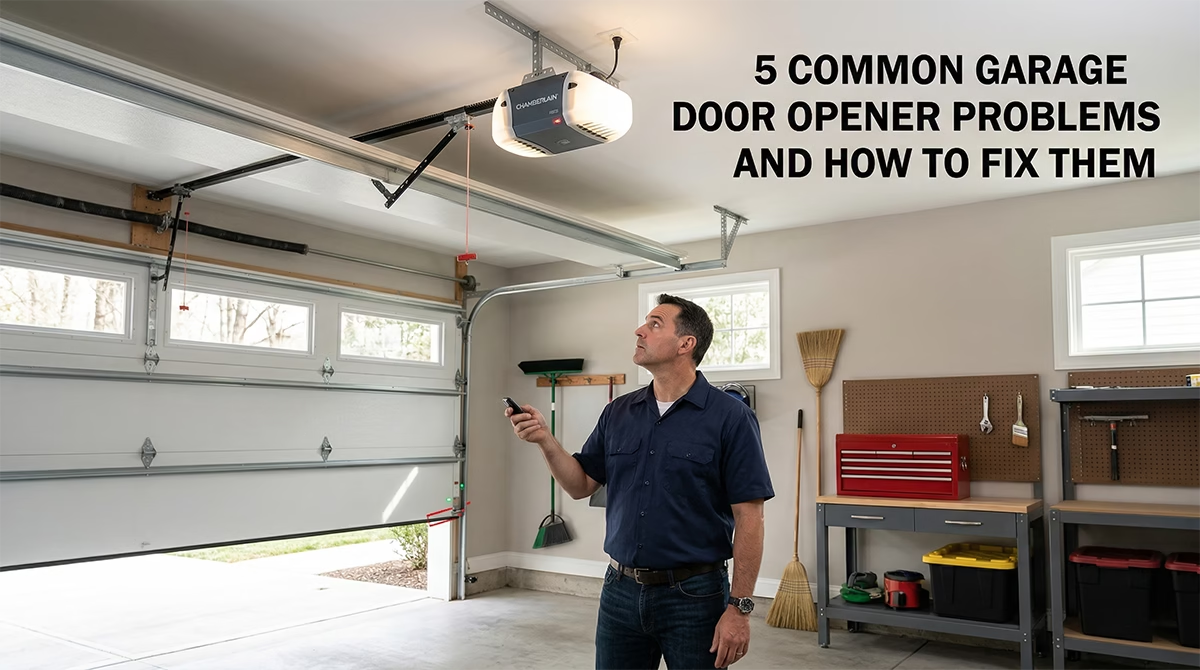
A garage door opener can feel like a small thing. Until it stops working.
Then it becomes a big problem fast. Your car gets trapped. Your home feels less secure. Your day starts with stress.
The good news is this: many opener issues have simple causes. In some cases, you can solve the problem in minutes. In others, you need expert help before the issue gets worse. This guide walks you through the most common signs, the likely causes, and the safest fixes. If you have been searching for clear, practical help with garage door opener repair, you are in the right place.
How to Tell If Your Garage Door Opener Needs Repair
Most opener problems do not happen all at once. They start with small warning signs.
Maybe the door moves slower than usual. Maybe the remote works one day and not the next. Maybe the opener makes a strange hum, but the door does not move. These early clues matter.
Here are a few common signs to watch for:
- The door does not open or close all the way
- The remote or wall button stops working
- The opener makes grinding, rattling, or humming sounds
- The door starts to close, then reverses
- The system works only some of the time
- The opener light flashes, but the door stays still
If any of this sounds familiar, do not ignore it. Small problems often turn into bigger repairs. A little garage door opener troubleshooting now can save you time, money, and hassle later.
1. The Garage Door Opener Will Not Respond at All
This is one of the most frustrating problems. You press the remote. Nothing happens. No sound. No movement. No clue why.
Common Causes
A dead opener does not always mean a major failure. It may be something simple, such as:
- Dead batteries in the remote
- The opener is unplugged
- A tripped breaker
- The wall control is locked
- A power outage
- A failed motor or logic board
Sometimes homeowners assume the opener is broken when the issue is really a lost power source. That is why it helps to start with the basics.
How to Fix It
First, check if the opener has power. Make sure it is plugged in. Then look at your breaker panel to see if a switch has tripped.
Next, test the wall button. If the wall button works but the remote does not, the problem is likely with the remote. Replace the batteries. If that does not help, try reprogramming the remote.
Also check the wall control for a lock or vacation mode. Some systems have this feature to stop outside use. It is easy to turn on by mistake.
If none of these steps help, the opener may have a motor issue or an internal electrical fault.
When to Call a Professional
Call for help if:
- The wall switch and remote both fail
- You smell something burning
- The opener hums but does not move
- The unit loses power often
- You notice signs of damage inside the opener housing
At that point, professional garage door opener repair is the smart move.
2. The Door Opens Partway, Then Stops
This problem often feels random. The door starts to rise, then freezes. Or it closes halfway and refuses to move any farther.
That usually means the opener is meeting resistance or reading a safety issue.
Common Causes
The most likely reasons include:
- Dirty or misaligned safety sensors
- Debris in the tracks
- Travel settings that need adjustment
- A heavy door caused by a broken spring
- Bent track sections
- Worn rollers that create drag
If the opener senses trouble, it may stop to protect the system. That is a good thing. But it still needs attention.
How to Fix It
Start with the safety sensors near the bottom of the door track. Wipe the lenses clean. Dust, dirt, and spider webs can block the beam. Then check if the two sensors face each other directly. If one has shifted, the system may stop the door before it finishes the cycle.
Next, inspect the tracks. Remove leaves, dirt, or any object in the path. Look for obvious bends or dents.
If the door still stops, the opener’s travel settings may be off. These settings tell the opener how far the door should move. If they are wrong, the door may stop too soon.
Important Safety Note
Do not try to fix garage door springs on your own.
Springs hold a huge amount of tension. A sudden snap can cause serious injury. If the door feels unusually heavy or looks uneven, stop using it and call a pro.
When to Call a Professional
Get help if:
- The door feels heavy when lifted by hand
- A spring looks broken or stretched
- The track is bent
- The sensors are aligned, but the door still stops
- The opener strains or jerks during movement
This kind of garage door opener repair can involve more than the opener itself. The door system may be part of the problem.
3. The Remote Is Not Working
A remote that stops working can be annoying. It can also leave you wondering if the whole opener is failing.
In many cases, the fix is simple.
Common Causes
A remote may stop working because of:
- Dead batteries
- Lost programming
- Signal interference
- A damaged remote
- A problem with the opener’s antenna
- A failing receiver inside the opener
If you use a keypad and that fails too, the issue may be deeper than the remote.
How to Fix It
Start with the batteries. This sounds obvious, but it solves a lot of cases.
If that does not work, reprogram the remote to the opener. Most brands make this process fairly quick. You usually press a learn button on the opener, then press a button on the remote.
Now check the opener antenna. It should hang down and stay clear of metal parts. If it is damaged or tucked up too high, the signal may weaken.
Interference can also be the culprit. Some LED bulbs, wireless devices, and even nearby electronics can disrupt the signal. If the remote works only from close range, interference is worth checking.
Quick Way to Narrow It Down
Ask these questions:
- Does the wall button still work?
- Does another remote still work?
- Does the keypad still open the door?
- Does the remote work only when standing very close?
These clues help pinpoint whether you have a remote problem or a larger garage door opener not working issue.
When to Call a Professional
Call an expert if:
- None of the remotes work
- The keypad also fails
- The opener no longer receives any signal
- Reprogramming does not fix the issue
- The receiver or logic board seems faulty
A trained technician can test the system fast and keep you from replacing parts you do not need.
4. The Door Starts to Close, Then Reverses
This is one of the most common safety-related problems. The door begins to close, then pops back open before it reaches the floor.
It can feel confusing. But the opener is usually trying to tell you something.
Common Causes
This issue often happens because of:
- Misaligned safety sensors
- Something blocking the sensor beam
- Dirt on the sensor lenses
- Too much resistance in the tracks
- Worn rollers or hinges
- Close-force settings that are too sensitive
Modern openers are built to reverse if they sense danger. That helps protect people, pets, and property. But if the system misreads the situation, the door may reverse even when the path is clear.
How to Fix It
First, check the area under the door. Remove boxes, tools, leaves, or anything else in the opening.
Then clean the safety sensors and make sure both indicator lights are steady. If one light blinks or goes out, the sensors may be out of line.
Inspect the track and rollers next. If the door does not move smoothly, the opener may sense extra resistance and reverse to avoid damage.
Some systems also let you adjust the close-force setting. This tells the opener how much resistance is normal. If it is set too low, the opener may reverse too easily.
Why This Matters
Do not ignore this problem.
A door that will not close all the way leaves your home open and less secure. It also strains the opener each time it tries and fails. That can turn a small issue into a bigger garage door opener motor issue over time.
When to Call a Professional
You should call a pro if:
- The door keeps reversing for no clear reason
- Sensor alignment does not help
- Rollers or hinges look worn
- The track is damaged
- The door appears uneven or off track
5. The Opener Makes Noise, but the Door Does Not Move
You hear the motor. Maybe it hums. Maybe it grinds. But the door stays put.
That usually means the opener is trying to work, but something in the drive system has failed.
Common Causes
This problem often points to:
- A stripped drive gear
- A loose or broken chain
- A damaged belt
- A disconnected trolley
- A broken spring
- A failing motor
This is one of the clearest signs that the system needs attention.
How to Fix It
Start by checking the emergency release cord. If someone pulled it, the opener may run while the door stays disconnected. Reconnect the trolley if your system allows it.
Next, look at the chain or belt. If it hangs loose or looks damaged, stop using the opener. That kind of wear can get worse fast.
If the motor runs but makes a loud grinding sound, the internal gear may be stripped. Some openers can be repaired with a gear replacement. Others may be nearing the end of their life.
Also pay attention to the door itself. If the spring is broken, the opener may not have enough force to lift the door.
Signs the Problem Is Serious
Watch for these red flags:
- Loud grinding noises
- The motor runs too long
- The chain sags badly
- The door feels very heavy
- The opener shakes during use
When to Call a Professional
Call for service if:
- The gear or motor needs replacement
- The chain or belt is damaged
- The trolley will not reconnect
- The spring is broken
- The opener struggles every time it runs
This is not the time to guess. A skilled technician can tell whether you need garage door opener repair or a full replacement.
Simple Maintenance Tips That Help Prevent Bigger Problems
A little care can go a long way.
Routine upkeep helps your opener last longer and work more smoothly. It also reduces surprise breakdowns.
Here are a few smart habits:
- Replace remote batteries once a year
- Clean the safety sensors often
- Keep the tracks free of dirt and clutter
- Tighten visible hardware if it has loosened
- Lubricate moving parts with a garage-door-safe product
- Test the auto-reverse feature once a month
- Listen for new sounds and act early
Garage door opener maintenance is not hard. But it does make a difference. Small checks now can help you avoid a noisy garage door opener or a sudden system failure later.
When Repair Makes More Sense Than Replacement
Not every issue means you need a new opener.
In many cases, repair is the better choice, especially if:
- The opener is still fairly new
- The problem is limited to sensors, remotes, or settings
- The motor still runs well
- The repair cost is low
- The unit has a good safety record
Simple fixes like sensor replacement, remote reprogramming, or minor gear work can restore the system without the cost of a full upgrade.
If the opener has years of life left, a targeted fix often gives you the best value.
When It May Be Time to Replace the Opener
Sometimes replacement is the smarter long-term move.
You may want to replace the opener if:
- It is more than 10 to 15 years old
- It breaks down often
- It lacks modern safety features
- It is extremely loud
- The repair cost is close to the price of a new unit
Newer models offer real advantages. Many come with smartphone control, battery backup, stronger security, and quieter belt-drive systems. If your old opener keeps causing trouble, replacement may save you more in the long run.
Should You Fix It Yourself or Call a Pro?
Some tasks are safe for homeowners. Others are not.
DIY-Friendly Tasks
You can usually handle:
- Changing remote batteries
- Cleaning safety sensors
- Reprogramming remotes
- Checking the power source
- Removing simple track debris
Jobs Best Left to a Professional
Call an expert for:
- Spring repair
- Cable repair
- Motor replacement
- Logic board problems
- Door off-track repair
- Electrical diagnosis
If the job involves tension, wiring, or heavy lifting, do not take chances. Safety always comes first.
Final Thoughts
Garage door opener problems are common. But they do not all mean the same thing.
Sometimes the fix is quick. A battery change. A sensor cleaning. A simple reset. Other times, the issue points to worn parts, hidden damage, or a safety risk. The sooner you catch the signs, the easier the fix tends to be.
If your opener has started acting up, do not wait for it to fail at the worst moment. Use these tips to narrow down the cause, try the safe fixes, and know when to stop and call for help. When basic troubleshooting is not enough, professional garage door opener repair is the safest way to get your system working right again.
Frequently Asked Questions
Why is my garage door opener working but the door will not move?
This often happens when the trolley is disconnected, the drive gear is stripped, or the spring has broken. The opener may still make noise, but the door cannot move as it should.
Can I fix a garage door opener myself?
Yes, for simple problems. You can often handle dead batteries, dirty sensors, remote programming, and basic checks. For springs, cables, motors, or electrical issues, call a professional.
Why does my garage door start to close and then reverse?
This usually points to sensor problems, a blocked path, track resistance, or force settings that need adjustment.
How long do garage door openers last?
Most openers last around 10 to 15 years. Good maintenance can help them last longer.
Is it better to repair or replace a garage door opener?
If the opener is newer and the problem is minor, repair is often the best choice. If the unit is old, noisy, or breaks down often, replacement may make more sense.