
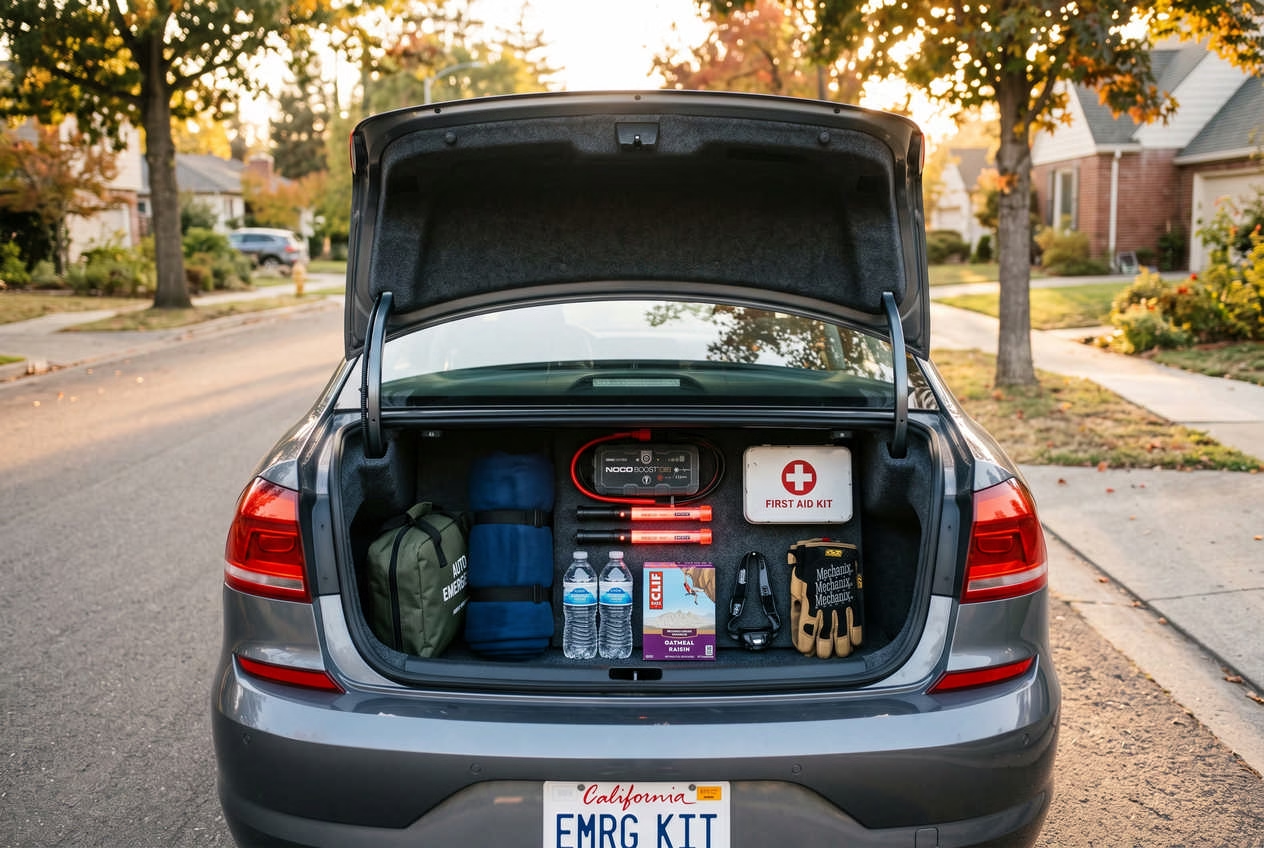
This guide covers it all. First, the base kit every driver needs. Then add-ons for women, moms, teen drivers, winter, and kids. There’s also a budget DIY plan and a “cute kit” gift guide near the end.
Quick answer first: a full car emergency kit has four groups — safety and visibility, warmth and shelter, tools and repair, and food and water. Add one more group for your own life (kids, winter, night drives). That’s it. The rest of this post shows you how to build each one.
Why Every Driver Needs a Car Emergency Kit
Most trips go fine. You drive to work, grab food, come home. Nothing happens. That’s exactly why most of us skip the kit — and why being stuck feels so bad when it does.
It’s Not Just for Road Trips
Breakdowns happen close to home. AAA says most roadside calls start within a few miles of home. A school run, a late shift, a dark back road — that’s the real danger zone. Short trips are still trips.
What Roadside Help Can’t Do in the First 30 Minutes
A tow truck takes time to reach you. Cold rain doesn’t wait. Neither does a cold night, or a hungry kid.
Good help will come. But it rarely comes fast. That gap is what your kit fills.
The First-Hour Rule
Think past the fix. Think about the wait. Light, warmth, water, and a way to call for help matter more than tools in the first hour. Most real waits end with a tow, not a repair.
That’s why I’d rather see you with three blankets and a flashlight than a full tool set. Warm, lit up, and calm beats clever and cold.
Car Emergency Kit Checklist: What to Keep in Your Car
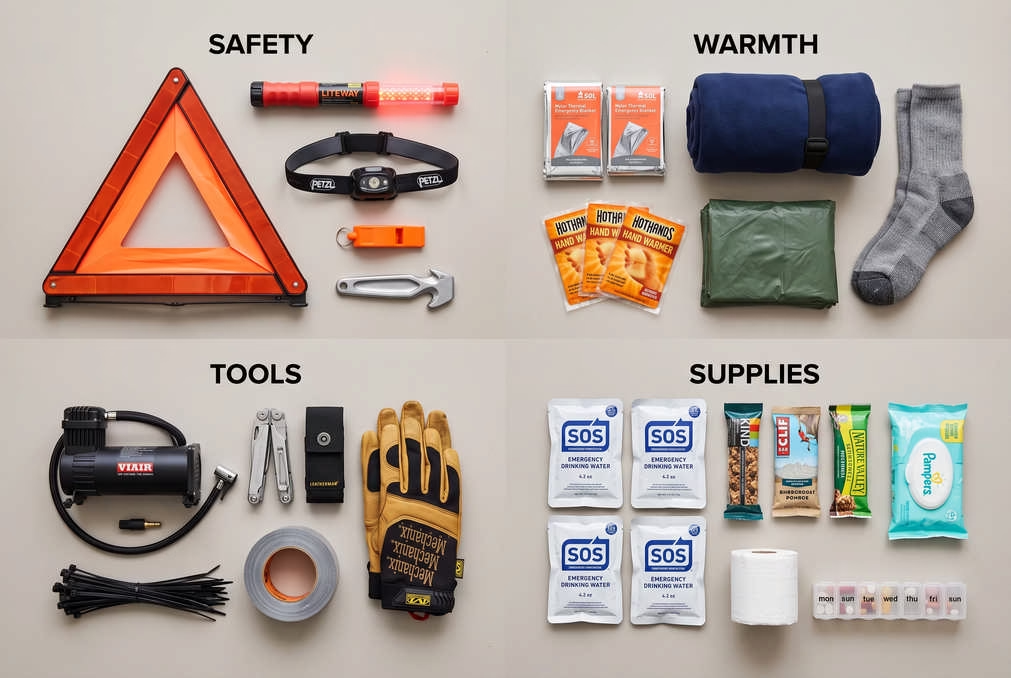
This is the heart of your kit. Four groups, one bag. Print this part or save it to your phone.
Some products featured here include Amazon affiliate links. If you purchase through these links, I may receive a commission at no extra cost to you.
Safety and Visibility
Being seen keeps you safe. Put this group at the top of your bag, not the bottom.
- Jumper cables or a jump starter. A jump starter is a small battery pack. You jump your own car without a second driver. Look for one rated for your engine size.

- Reflective triangles or LED road flares. Set them out before you pop the hood. Battery flares beat old-style triangles in rain and snow.

- A car emergency light. A headlamp or a small magnetic work light keeps your hands free. Phone flashlights drain fast and blind oncoming cars.

- A whistle. Cheap, tiny, loud. It carries farther than a shout.

- Seatbelt cutter and window breaker. Small tool, one job. If your belt jams or a door won’t open, it saves minutes you may not have.

Warmth and Shelter
Cold makes small problems big. A wet, cold hour feels endless. This group is cheap and light — never skip it.
- Mylar thermal blankets. They pack flat and trap your body heat. Two or three per person is smart.

- A fleece or wool blanket. Heavier, but cozier and re-usable. I keep one behind the back seat year round.
- Hand warmers. The air-activated kind lasts for hours. Toss a few in the glove box.
- A rain poncho. You will change a tire in the rain at some point. It’s like a rule.
- Dry socks. Sounds odd. Feels great. Wet feet go cold fast.
What to look for: skip the fancy “survival” blankets with survival kits. Simple mylar sheets work. Fold them small and stash them flat.
Tools and Repair
This group fixes small things before they grow. Keep it light. You’re not a repair shop.
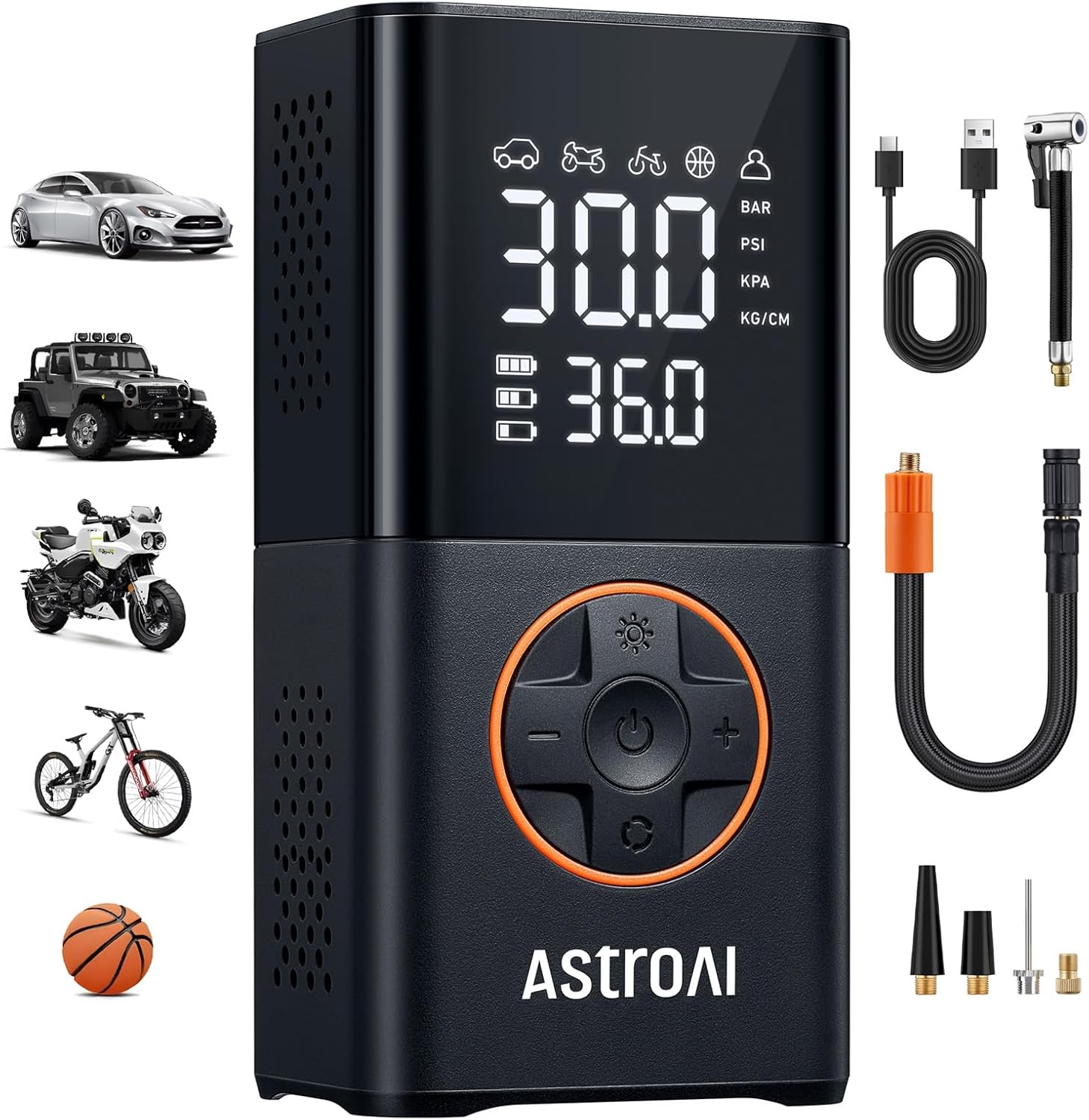
- Tire inflator or sealant. A small 12V inflator handles most slow leaks. Sealant is a short-term patch — get the tire checked soon after.
- Multi-tool or basic pliers. One good tool beats five cheap ones.
- Duct tape. Wrap a few feet around a pencil. Saves space, fixes lots.
- Work gloves. Your hands stay clean and warm. Grip stays good.
- Zip ties and a short tow strap. Odd fixes, big help.
What to look for: in an inflator, pick one with a built-in gauge and a long cord. Short cords mean crawling on wet ground. Worth it to pay a bit more here. For a compressor you’ll use more than once a year, see our best garage air compressors for tires guide.
Food, Water, and Sanitation
You won’t starve in two hours. But water and a snack keep your head clear. And a small comfort problem can ruin your whole day.
- Water pouches or bottles. One liter per person is a good start.
- Non-perishable snacks. Granola bars, nuts, dried fruit. Skip chocolate — it melts.
- Wet wipes. Clean hands, clean face, calm mind.
- Toilet paper and a couple of small bags. Un-glamorous. Very needed.
- Basic meds. Pain relief, any daily meds you take, motion sickness tabs.
What to look for: check expiry dates twice a year. Rotate food into your pantry and replace it. No waste, no stale bars.
Documents and Extras
This group solves the “now what?” part of a bad day.
- Phone charger and power bank. Keep the bank charged. This is the one people forget.

- Notepad and pen. Paper never runs out of battery. Write down the tow company, plate numbers, what happened.

- Cash in small bills. Cards fail. Parking meters want coins.
- A paper map. Old school. Works when bars vanish.
- Copies of insurance and registration. Keep a spare set in the kit.
What to look for: a power bank with two ports and a small light built in does two jobs. Keep it topped up every few months.
That’s the base kit. Print the list, drop it in your bag, and start filling up. Next, we tweak it for your life.
Car Emergency Kit for Women
Here’s the truth: the core kit is the same for everyone. What changes is the layout and a few add-ons. For many women, alone on a dark road is the scariest setup. So we build for that.
The “I’m Alone at Night” Setup
Light, noise, and visibility come first. Being loud and seen makes you safer.
- A personal alarm. Pull the pin, it screams. Small enough for a keychain.

- Extra light. A headlamp in the door pocket, not the trunk. You want it within arm’s reach.
- Reflective gear. A vest or band makes you visible while you walk around the car.

Comfort Items That Turn Two Hours Into Nothing
A rough night gets better with small things. Warmth, a snack, clean hands, dry socks. It’s not silly. It’s smart.
- A compact blanket or roll-up fleece. Keep it near the driver’s seat.

- Hand warmers and lip balm. Tiny, and they help.
- A phone power bank. This one belongs up front too. Not in the trunk.
Small Bag, Close to Hand
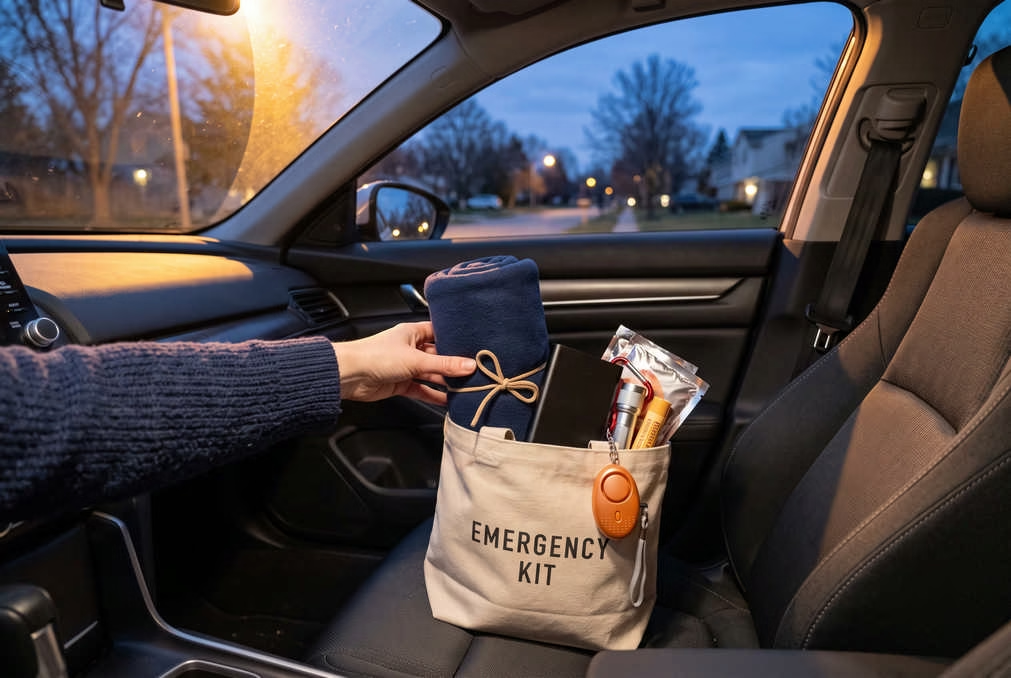
A huge trunk box is a pain. You’ll never dig through it at night. Pick a bag you can grab with one hand.
I like a tote or small duffel over a hard case. It’s light, it holds more, and it still looks fine in the back seat. If you want that “grab and go” feel, size down.
For New Drivers: A Gift That Says “I Trust You”
Same kit, wrapped nicely. Add a card with the “what to do first” steps (see the teen section below). It’s a gift that says you’re ready.
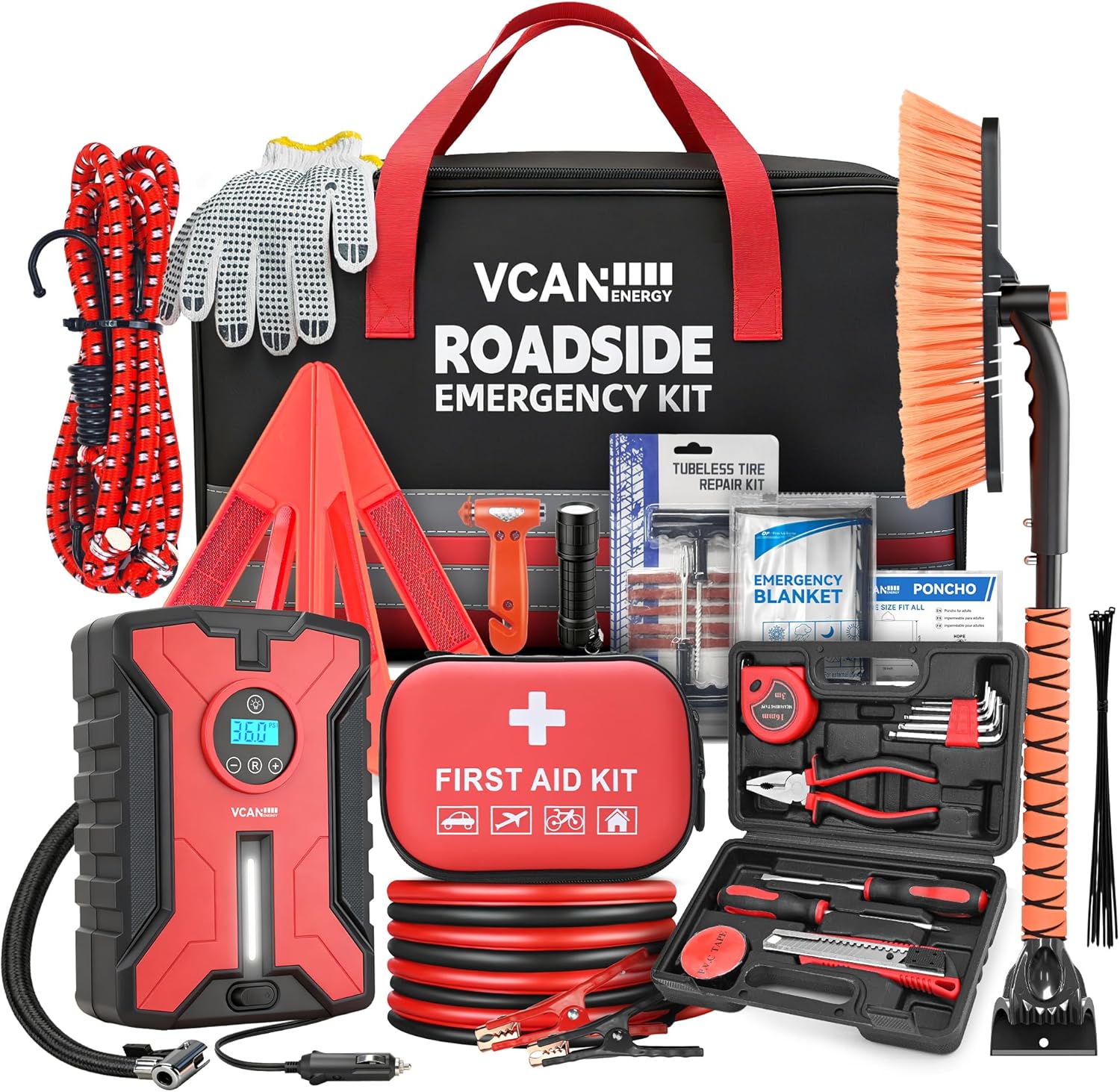
A small ready-made kit works well here. Add the light and the personal alarm and it’s done.
Compact ready-made roadside kit
Car Emergency Kit for Moms
If you drive with kids, your kit has one more job: keep small humans calm. That changes the list. It also changes where you put things.
The Kid Changes the Math
A dead battery is a hassle for one adult. For a parent with a toddler, it’s a whole event. Snacks, wipes, warmth, and one boring toy stop a bad hour from getting worse. Pack for the mood, not just the fix.
Build a “Mom Layer” on Top
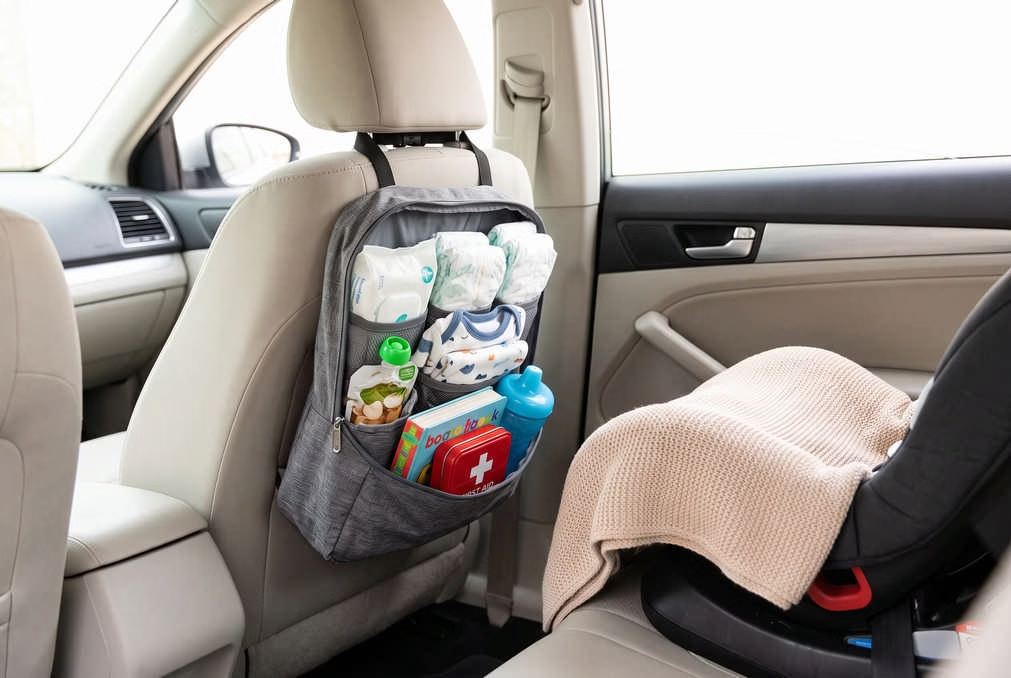
Add one small pouch to your base kit. Keep it behind the passenger seat, not in the trunk. It holds the kid stuff, and it’s ready in seconds.
- Wipes, diapers, and a change of clothes
- Snacks that don’t melt and a sippy cup
- A small toy, book, or crayons
- A mini first-aid tin
- Trash bags and a wet bag for messes
A backseat organizer keeps it tidy and visible. Kids can grab their own snack — small win, big relief.
For more on setting up the back seat itself — organizers, storage zones, and comfort for kids — see our back-seat road trip setup guide.

Keep the Kid Layer Separate
Don’t mix kid snacks into the roadside bag. When you need diapers at a gas station, you don’t want to unpack reflective triangles. Two small bags beat one big one.
For more on baby gear and car seat warmth, see the kids and babies section below. It pairs with this one.
Car Emergency Kit for New Drivers and Teens
New drivers need less gear and more know-how. If they won’t carry a full kit, give them a short list. Five items, one bag, done.
Plan for the Phone
Your teen will call you first. That’s fine. Just make sure the phone stays alive. A power bank and a car charger come first, before anything else.
Put a note in the glove box with three steps:
- Pull over, out of traffic. Hazards on.
- Call for help. Stay in the car if it’s dark or cold.
- Grab the bag from the back seat. Use what you need.
The Five-Item Minimum
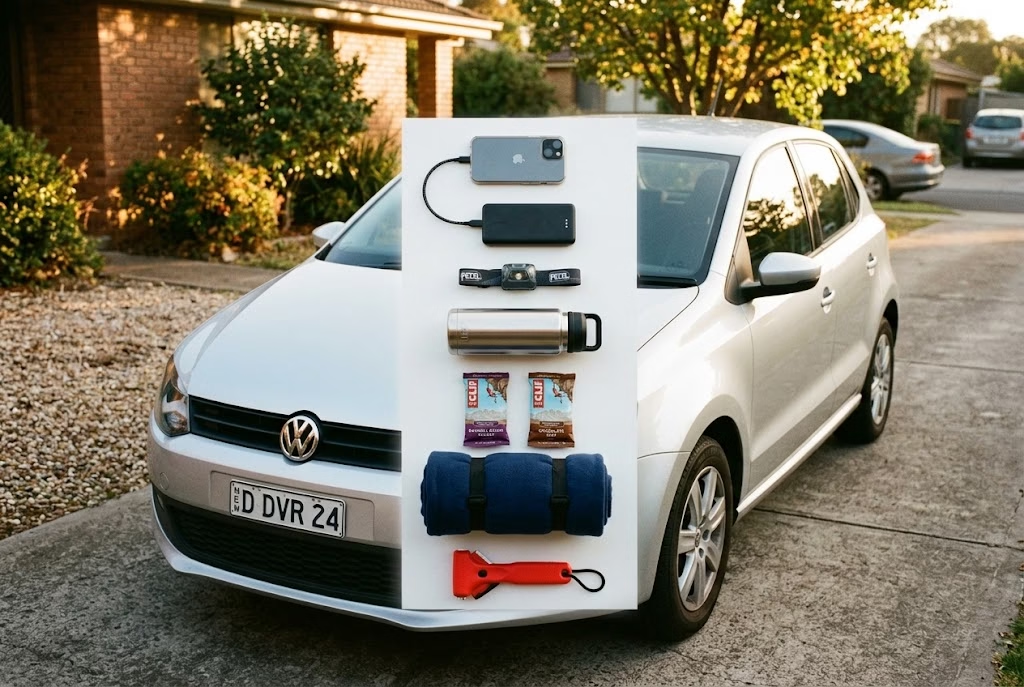
If a full kit is too much, start here. It fits in a small bag or even a shoe box.
- Power bank and charger
- Flashlight or headlamp
- Water and two snacks
- Blanket or warm layer
- Window breaker / seatbelt cutter tool
Add jumper cables or a small jump starter when they’re ready. That’s the sixth item.
A Teen Kit Is a Confidence Kit
What matters most isn’t the gear. It’s that they know where it is and what each thing does. Walk through it once when you give it to them. Ten minutes now saves a panicked call later.
A clean, ready-made kit works great as a first-car or grad gift. Pick something bright and simple.
Ready-made compact roadside kit
Car Emergency Kit for Winter
The Three Things Winter Adds
- Traction. Snow and ice strand more cars than dead engines.
- Warmth. Temps drop fast when the engine stops.
- Time. Tow trucks take longer in a storm.
Cold-Weather Essentials Checklist
Add these to your base kit from November to March.
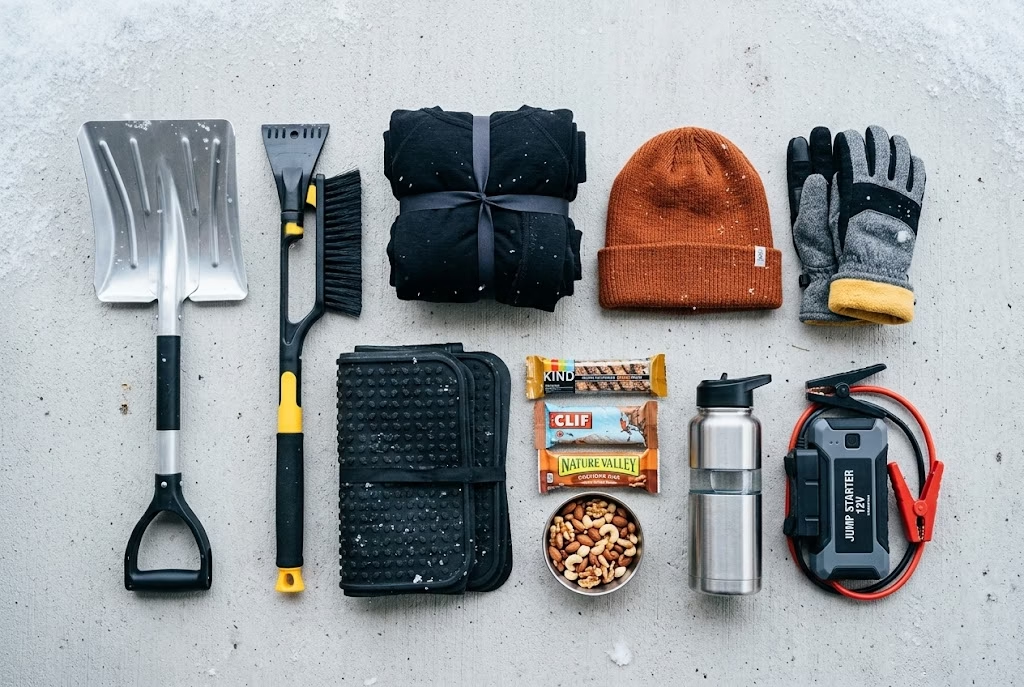
- Ice scraper and snow brush. Long handle, stiff bristles.

- Collapsible snow shovel. Small but sturdy. Digs you out of a drift or a plow pile.

- Traction mats or a bag of kitty litter. Throw it under the tires when you’re stuck. Mats cost more but work better.
- Extra warm layers. A hat, gloves, and a big sweater per person.
- High-calorie food. Nuts, protein bars, peanut butter. Your body burns more in the cold.
- A full water bottle. Leave room at the top. Water expands when it freezes and bursts weak bottles.
- A cold-rated jump starter. Batteries lose power in the cold. Pick one rated for your engine and temps.
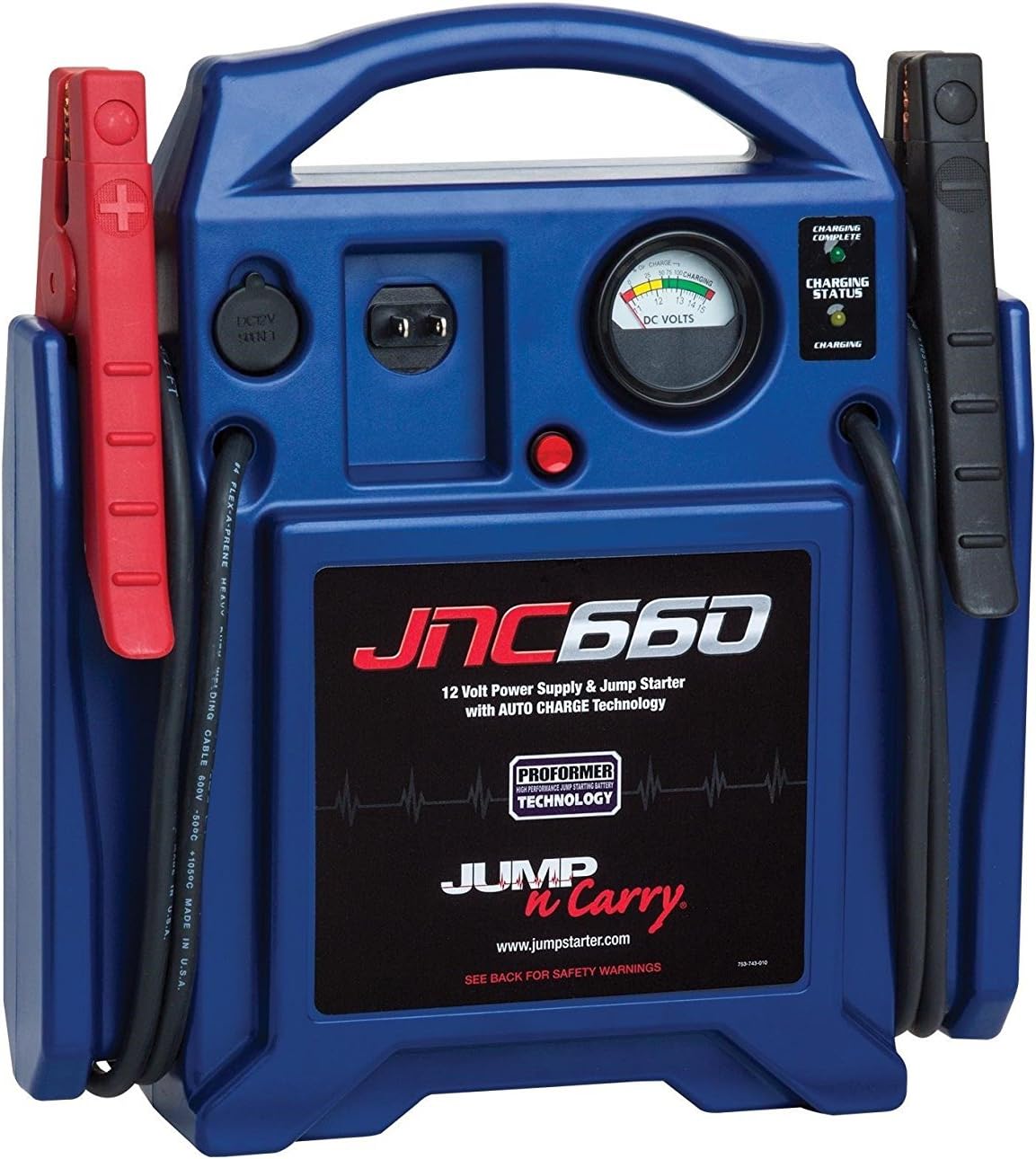
What to look for: check that your jump starter is rated for cold cranking amps (CCA) — that’s the burst of power needed to start a cold engine. A weak unit works fine in July and fails in January.
The Freeze Gotchas
Cold breaks things in sneaky ways. A little prep avoids the worst of it.
- Water bottles burst. Fill them three quarters.
- Batteries drain. Charge the jump starter monthly.
- Seals stiffen. Open and close your trunk once a week if you can.
Car Emergency Kit for Kids and Babies
Babies and small kids need their own layer. It’s mostly comfort and hygiene. But one item here is a real safety fix, and it surprises most parents.
The Baby Layer
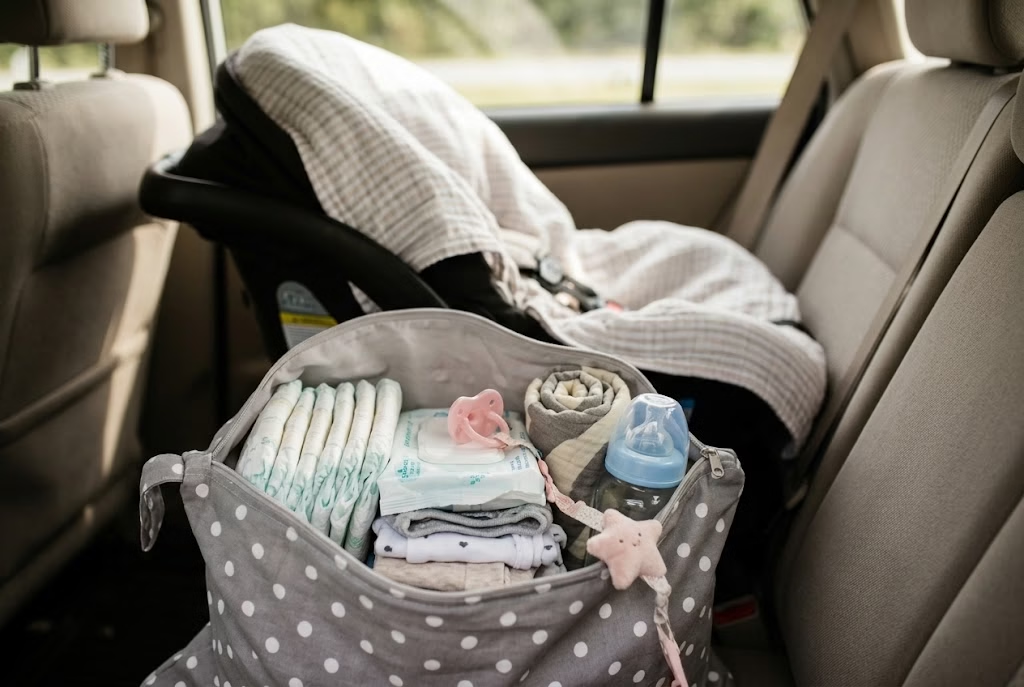
Pack it as one zip pouch. When you need it, you’ll need it fast.
- Diapers, wipes, and a changing pad

- Formula or water, plus a clean bottle
- A pacifier and a small toy
- A full change of clothes
- A soft blanket
Keep this pouch behind the passenger seat. Not in the trunk. You should reach it without getting out.
The Toddler and Kid Layer
Older kids need distraction more than anything. A bored kid makes a bad hour worse. Cheap, flat items work best.
- Snacks that don’t melt and a drink
- A small toy, book, or crayons and paper
- Glow sticks (fun for them, useful for you)

Glow sticks do double duty. Kids love them and you get extra light. Keep a handful in the door pocket.
Safety Note: No Puffy Coats Under the Harness
Here’s the one that matters. Do not buckle a child into a car seat wearing a thick winter coat. The coat squishes down in a crash. That leaves a gap between the harness and your child. The straps can’t hold them tight.
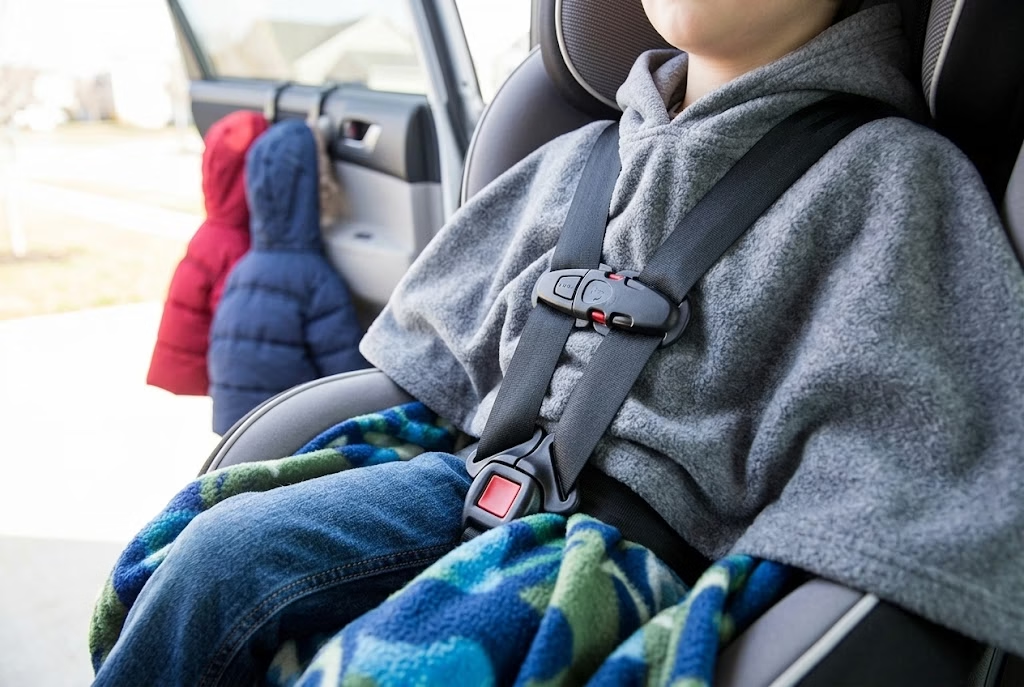
Use a car seat poncho or a thin layer instead. Then tuck a blanket over the buckled straps. Warm and safe.

Keep Kid Gear in Its Own Grab-Bag
You saw this in the mom section. It’s worth repeating. Two small bags — one for the road, one for the kids. You’ll thank yourself at 11 p.m. with a crying baby.
DIY Car Emergency Kit on a Budget
You don’t need to spend much. A good kit is about picking well, not buying more. Let’s build one for under fifty dollars.
Build vs. Buy: The Honest Take
Ready-made kits have good bones. You get a decent bag, a poncho, bandages, and basics. They’re fine for that.
But two things are usually weak: the jump starter and the light. The included flashlight dies in a month. The “jumper cables” are thin and short. Plan to upgrade those two, and a bought kit works great.
The Under-$50 Starter List
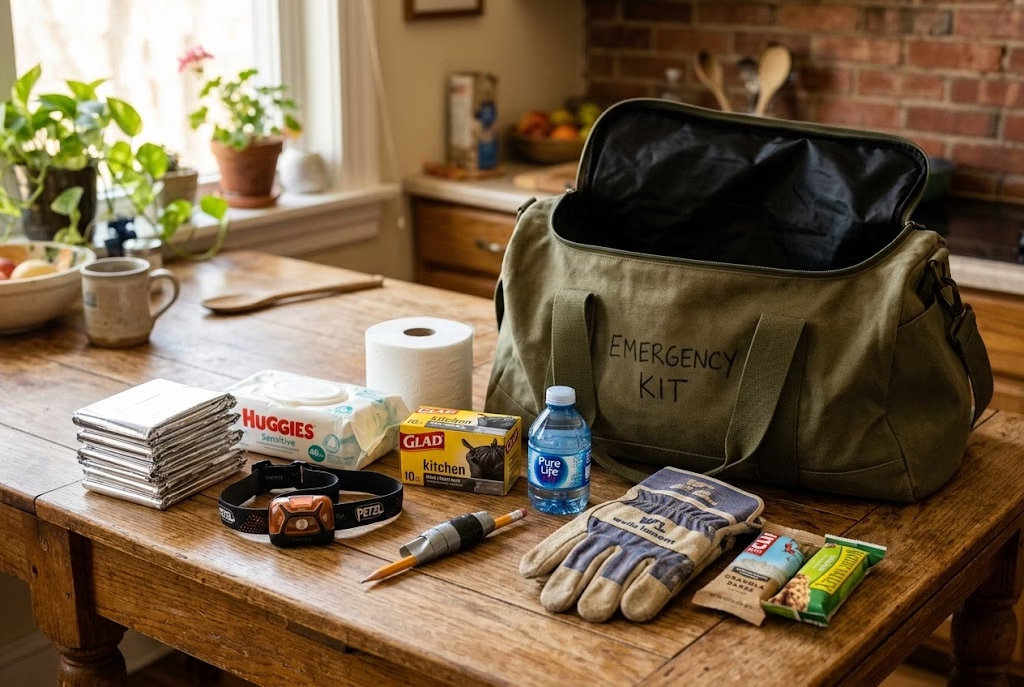
| Item | Where to get it | Approx. cost |
|---|---|---|
| Small duffel or backpack | Discount store | $10 |
| Mylar blankets (5 pack) | Online or auto store | $5 |
| LED headlamp | Hardware store | $8 |
| Wet wipes, TP, trash bags | Grocery run | $6 |
| Snacks and water | Grocery run | $10 |
| Flashlight batteries, gloves, duct tape | Hardware store | $8 |
That’s your base. It fits in one small bag and covers light, warmth, and the small stuff.
The Under-$100 Complete Kit
Add these three and you’re covered for almost anything.
- A jump starter
- A portable tire inflator
- A first-aid kit with real supplies
Total lands around $90–120. That’s one tow truck call. Probably less.
Container Ideas: The Car Emergency Bag
Pick the bag first. I know it sounds backwards. But an empty, well-organised bag gets filled properly. A pre-packed box sits forgotten.
I like a simple duffel or a canvas tote. You can carry it, it fits in the trunk corner, and it looks fine in the back seat.
Clear zip pouches inside keep groups separate. Label one “Safety,” one “Warmth,” and so on. Thirty seconds of work, huge help later.
Car Emergency Kit Aesthetic: Cute Kits That Actually Get Used
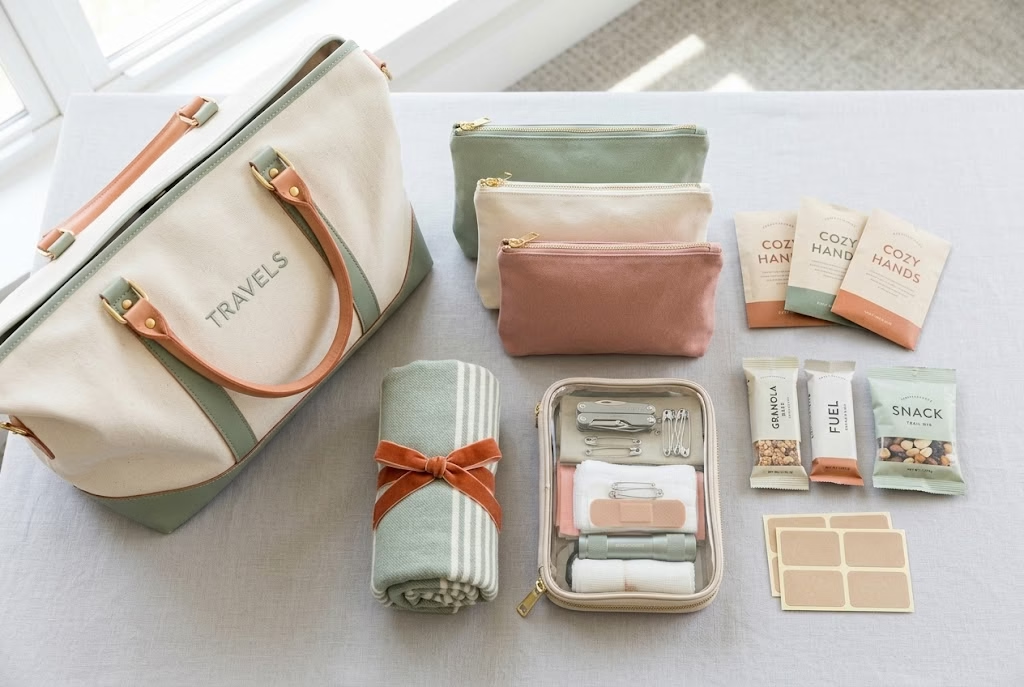
This one gets laughs, then gets taken seriously. A kit you like looking at gets used. It gets restocked. It stays organized. That’s not vanity — that’s design.
Why “Cute” Is Actually Practical
You check what you like. A pretty, tidy bag makes you want to fix it up. A black nylon pile in the trunk gets ignored. So style is a feature here, not a flaw.
The Aesthetic Upgrade List
- Matching pouches. Pick a color and stick with it.
- Clear zip cases. You see what’s inside before you dig.
- A nice tote over a plain bag. Canvas, felt, or a soft weekender.
- A checklist card. Print it on nice paper or use label stickers on the pouches.
One flat-lay photo of your finished kit is Pinterest gold. Lay it out by group, shoot it in daylight, and pin it. That’s your free traffic right there.
Gift-Ready Versions
Under forty dollars, fully useful, and it looks planned. It’s a gift people keep in their car all year.
- For teen drivers: black pouch set + glow sticks + snacks + a card with the three steps
- For new moms: soft tote + diaper pouch + blanket + wipes
- For winter birthdays: clear case + scraper + hand warmers + hot cocoa pack
- For stocking stuffers: hand warmers, glow sticks, a window breaker tool, a snack bar
- For car-loving dads: skip the kit angle and browse our gift ideas for dads who like cars
Pick one, wrap it, and include the printed checklist. Simple and thoughtful.
Where to Store It (and How Often to Check It)
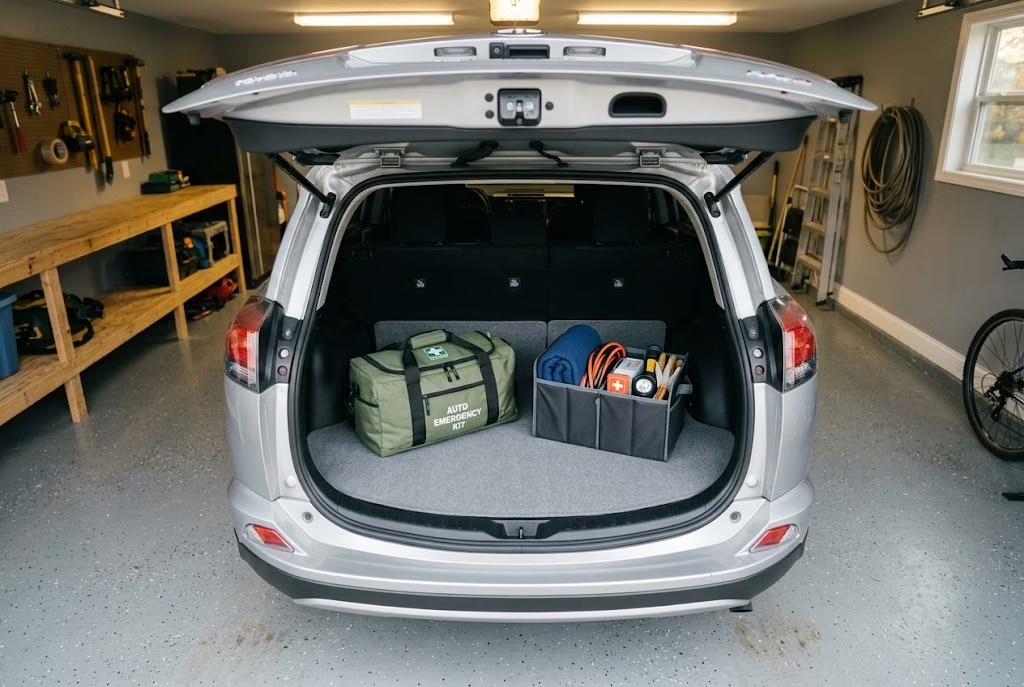
A kit in the wrong spot is a kit you can’t use. Placement matters more than most people think.
Trunk vs. Back Seat vs. Under the Seat
- Trunk: base kit, tools, repair gear. Stable and out of the way.
- Back seat: kid layer, mom layer, warm layers. Reachable without getting out.
- Under the seat: flashlight, window breaker, charger. Grab it in one second.
Keep the “first three minutes” stuff up front. Light, phone power, and a way out should be within arm’s reach.
What not to keep in the trunk: anything with a battery (in winter), anything that melts, and anything you need while the car is locked or dead.
The Two-a-Year Reset
Twice a year, on the daylight saving weekends, do a full check. Make it a habit with your smoke alarm batteries.
- Charge the jump starter and power bank.
- Rotate food and water into the house. Replace them.
- Swap seasonal layers (blankets for winter, water for summer).
- Test every light.
- Check expiry dates on meds and first aid.
It takes twenty minutes. Do it in the driveway with the trunk open.
The One-Page Checklist Card
Print a card and drop it in the bag. It helps the person who finds your kit when you can’t explain it.
Frequently Asked Questions
What are the 10 most important things to keep in your car?
Jumper cables or a jump starter, flashlight, first-aid kit, water, snacks, blanket, phone charger, tire inflator, reflective triangles or flares, and a seatbelt cutter. These ten cover most bad days. Start here and add later.
What should be in a car emergency kit for winter?
Add an ice scraper, a collapsible shovel, traction mats or kitty litter, extra warm layers, high-calorie food, and a cold-rated jump starter. Keep battery items indoors at night. See the winter section above for the full list.
Is it better to buy or build a car emergency kit?
Build if you want quality and a good fit. Buy if you want speed and a nice bag. Most people do best with a bought kit plus two upgrades: a real jump starter and a real light. That’s the sweet spot.
Where should I keep my car emergency kit?
In the trunk for tools and supplies, behind the seat for kids and warm layers, and under the seat for light and escape tools. Keep what you need first within arm’s reach of the driver. Don’t leave battery items in a freezing trunk.
How often should I replace items in my kit?
Check everything twice a year. Rotate food and water every six months. Charge batteries every three months. Replace expired meds and first-aid items right away. Set a phone reminder and it takes twenty minutes.
What should I add if I drive with kids or a baby?
Diapers, wipes, a change of clothes, snacks, water, a small toy, and a soft blanket. Keep it in its own grab-bag near the kids. And remember: no puffy coats under the car seat harness. Use a car seat poncho instead.
Do I need a jump starter if I have jumper cables?
Cables need a second car. A jump starter works alone. If you drive at night or in quiet areas, get the jump starter. It’s small, cheap now, and it turns a scary call-for-help into a five-minute fix.
Your Next Step
Start with the base kit in the checklist section above. Then add one layer that fits who rides with you. That’s it — one bag, one layer at a time.
If you’re reading this before October, jump to the winter section first. Cold weather rewards early prep. Everything else can wait a week.
Packing the kit is half the job — the other half is setting up the rest of the car around it. Our road trip car setup guide covers comfort, safety, and storage zone by zone.