
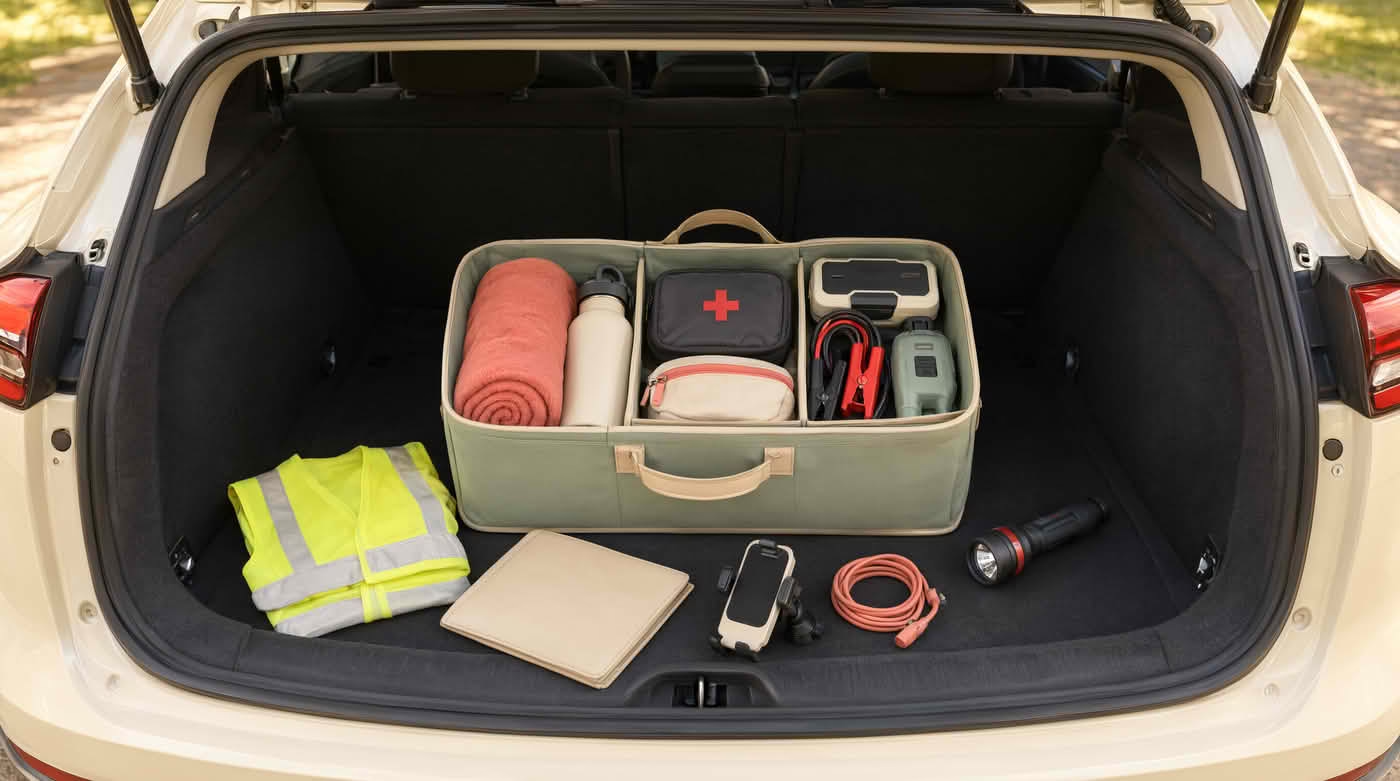
The best car essentials for women help you stay safe, clean, calm, and ready for small problems. A good kit can help with a flat tire, dead battery, sudden spill, or drained phone.
You do not need to fill your trunk with gear. Start with safety supplies. Then add tools and comfort items that suit your car, climate, and daily drive.
Some links on this page are Amazon affiliate links, which means I may receive a commission if you make a purchase.
At-a-Glance Car Essentials Comparison
🚗 Car Essentials Checklist
Everything you need — organized by priority, purpose & storage.
| Category | Best For | Where to Store It | Priority |
|---|---|---|---|
| First-aid kit | Small cuts and minor injuries | Cabin or trunk | High |
| Roadside safety kit | Breakdowns and poor visibility | Trunk | High |
| Portable jump starter | A weak or dead battery | Trunk | High |
| Tire inflator | Low tire pressure | Trunk | High |
| Phone mount | Hands-free directions | Dashboard or vent | Medium |
| Car charger | Keeping your phone powered | Center console | High |
| Trunk organizer | Keeping gear in place | Trunk | Medium |
| Personal care pouch | Daily hygiene needs | Console or trunk | Medium |
| Compact vacuum | Quick interior cleanup | Trunk | Optional |
| Travel blanket | Cold weather and long waits | Trunk | Medium |
Only Have Room for 10 Items? Start Here
- First-aid kit
- Reflective warning gear
- Flashlight
- Seat belt cutter and window tool
- Portable jump starter
- Tire pressure gauge
- Portable tire inflator
- Phone charger and cable
- Basic weather supplies
- Trunk organizer
Start With These Essential Car Safety Items
Safety gear should come before cute accessories or comfort items. You may not use it often. Yet you will be glad to have it during a stressful stop.
Choose gear that is easy to find and use. Store it in a fixed place so you do not need to search.
First-Aid Kit for Minor Emergencies
A compact first-aid kit can help with small cuts, scrapes, and burns. It is also useful during road trips, outdoor events, and family outings.
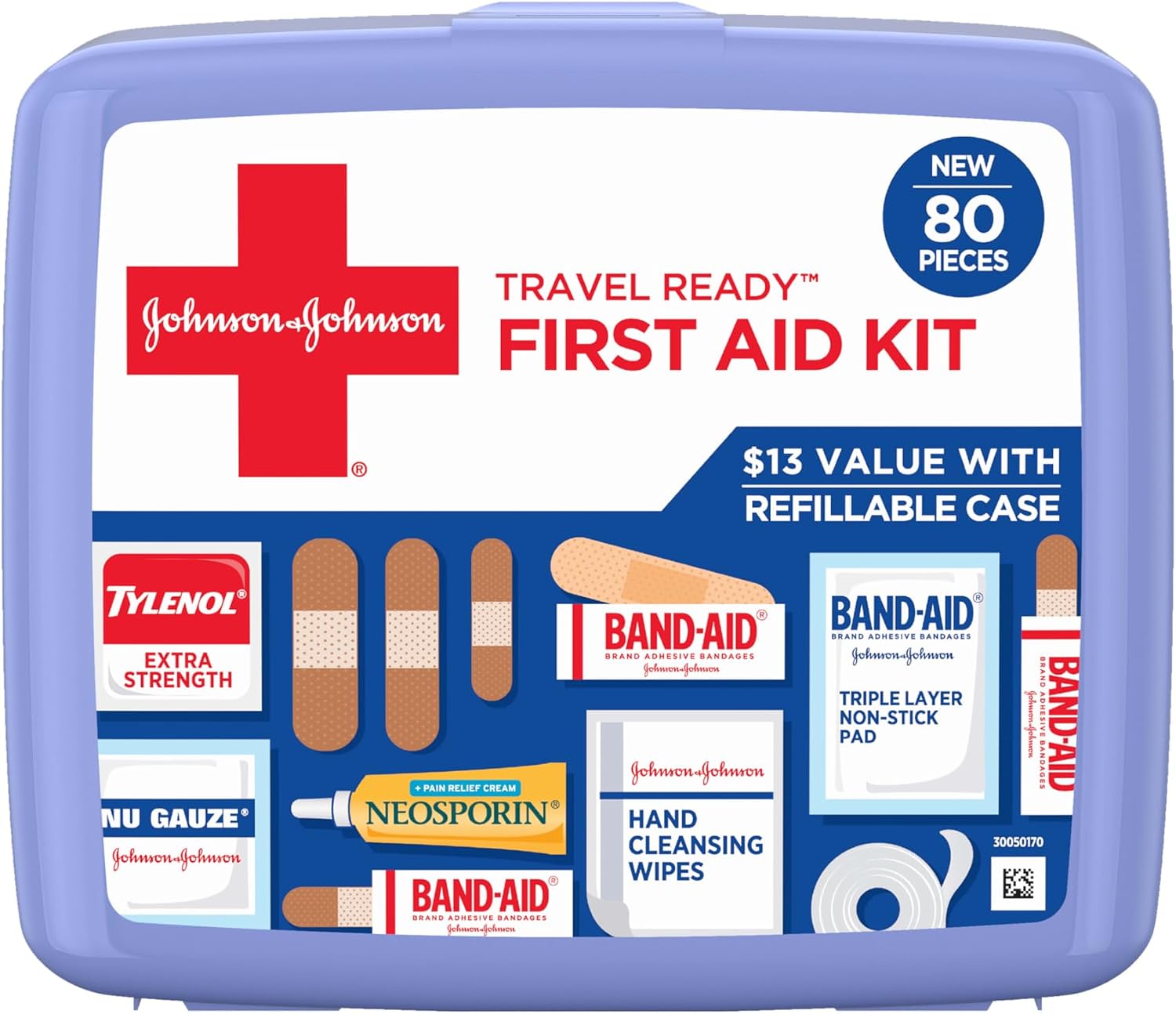
Look for a kit with clear labels and divided sections. You should be able to find each item without emptying the whole case.
A useful starter kit may include:
- Adhesive bandages in several sizes
- Gauze pads
- Medical tape
- Cleaning wipes
- Disposable gloves
- Small scissors
- Tweezers
- A cold pack
- A simple first-aid guide
Check the kit a few times each year. Replace used, damaged, or expired supplies.
Check PriceStore it where you can reach it. A side trunk pocket or secured under-seat space may work well.
Reflective Warning Gear and Emergency Lights
Your car can be hard to see after dark. Rain and fog can make the risk worse.

Reflective gear helps other drivers spot you sooner. A basic roadside visibility kit may include:
- Reflective warning triangles
- A bright safety vest
- A flashing emergency light
- Road flares approved for local use
- A storage case
Keep this gear near the top of your trunk. Do not bury it under bags or shopping items.
Check PricePractice setting up the warning triangles at home. That small step can save time during a tense roadside stop.
Seat Belt Cutter and Window Escape Tool
A seat belt cutter and window tool should stay close to the driver. It will not help if it is locked inside the trunk.

Secure the tool in a fixed spot. You may place it near the center console or driver’s seat. Follow the maker’s mounting guide.
Read the directions before storing it. You should know which part cuts the belt and which part breaks glass.
Check PriceDo not let the tool roll loose on the floor. It could move under a pedal or become hard to find.
Flashlight for Nighttime Breakdowns
Your phone light is useful, but it has limits. Using it may drain the power you need for calls or directions.

A separate flashlight is a safer backup. A headlamp can also keep both hands free.
Look for these helpful features:
- Simple controls
- Bright and low-light modes
- Water resistance
- Long battery life
- A charging indicator
- A firm carrying case
If it uses normal batteries, pack a spare set. If it is rechargeable, add it to your monthly kit check.
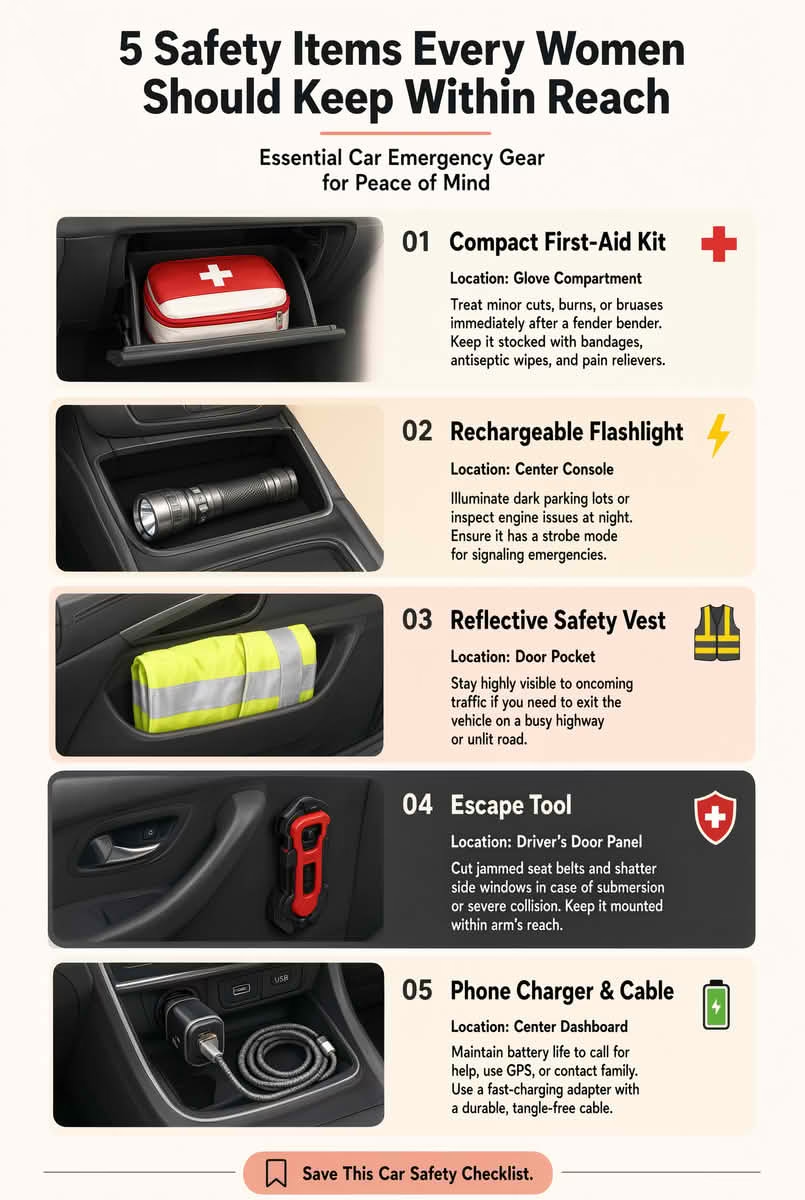
Build a Roadside Emergency Kit Before You Need It
A roadside kit helps you handle common car problems. It can also make the wait for help safer and less stressful.
You do not need advanced repair skills. Choose equipment that is simple, well labeled, and suited to your vehicle.
Portable Jump Starter
A portable jump starter can restart a weak car battery. You do not need to wait for another driver to provide power.
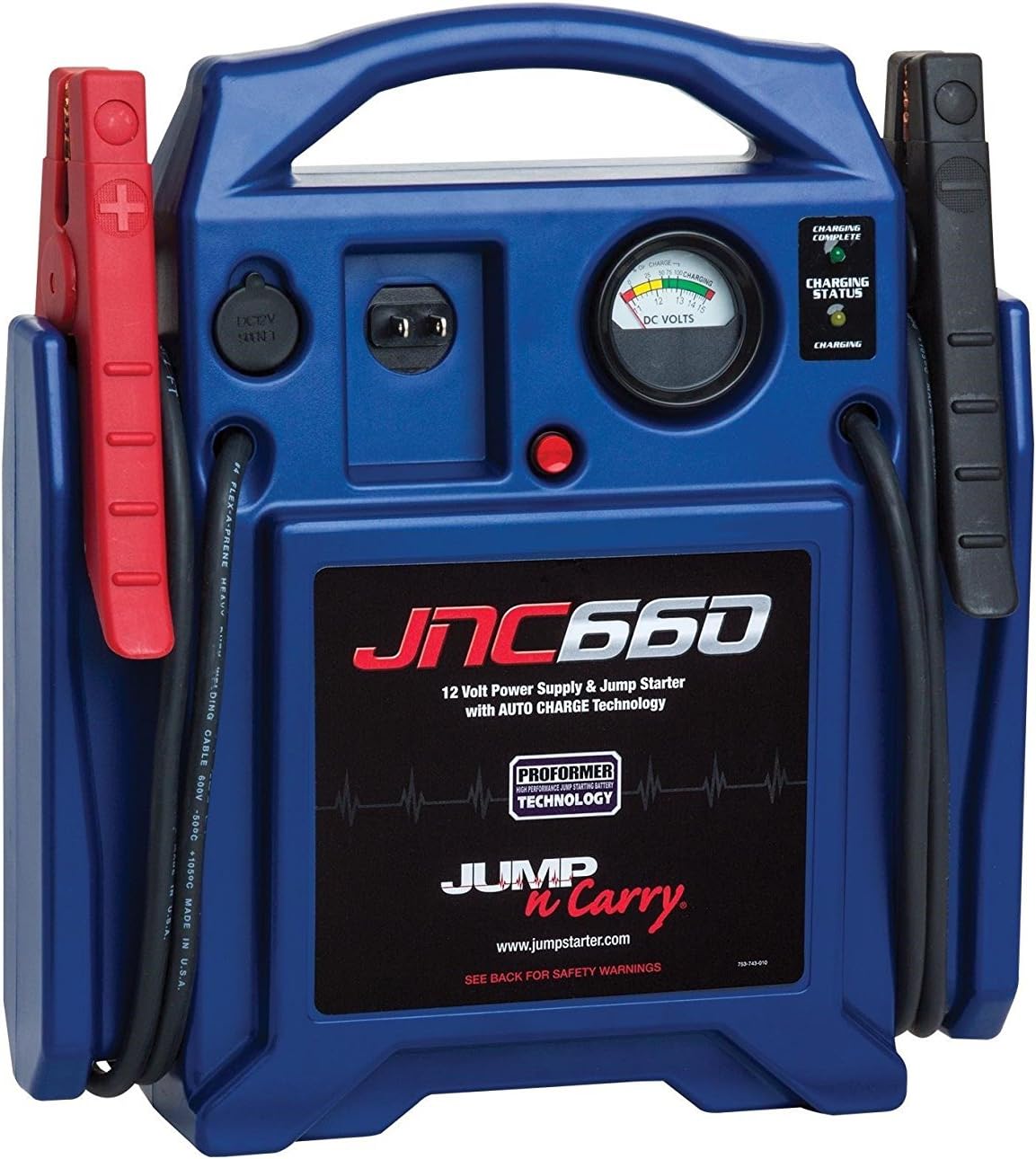
The correct size depends on your engine. Check your owner’s manual and the device guide before you buy.
Keep the jump starter charged. Many units lose power while sitting in storage.
A useful model should have:
- Clear battery status lights
- Simple cable markings
- Protected clamps
- A strong storage case
- Instructions you can read quickly
- Enough power for your vehicle
Heat and cold may affect battery gear. Follow the listed storage limits.
Jumper Cables as a Dependable Backup
Jumper cables are still worth keeping in your trunk. They cost less than many jump starters and do not need charging.
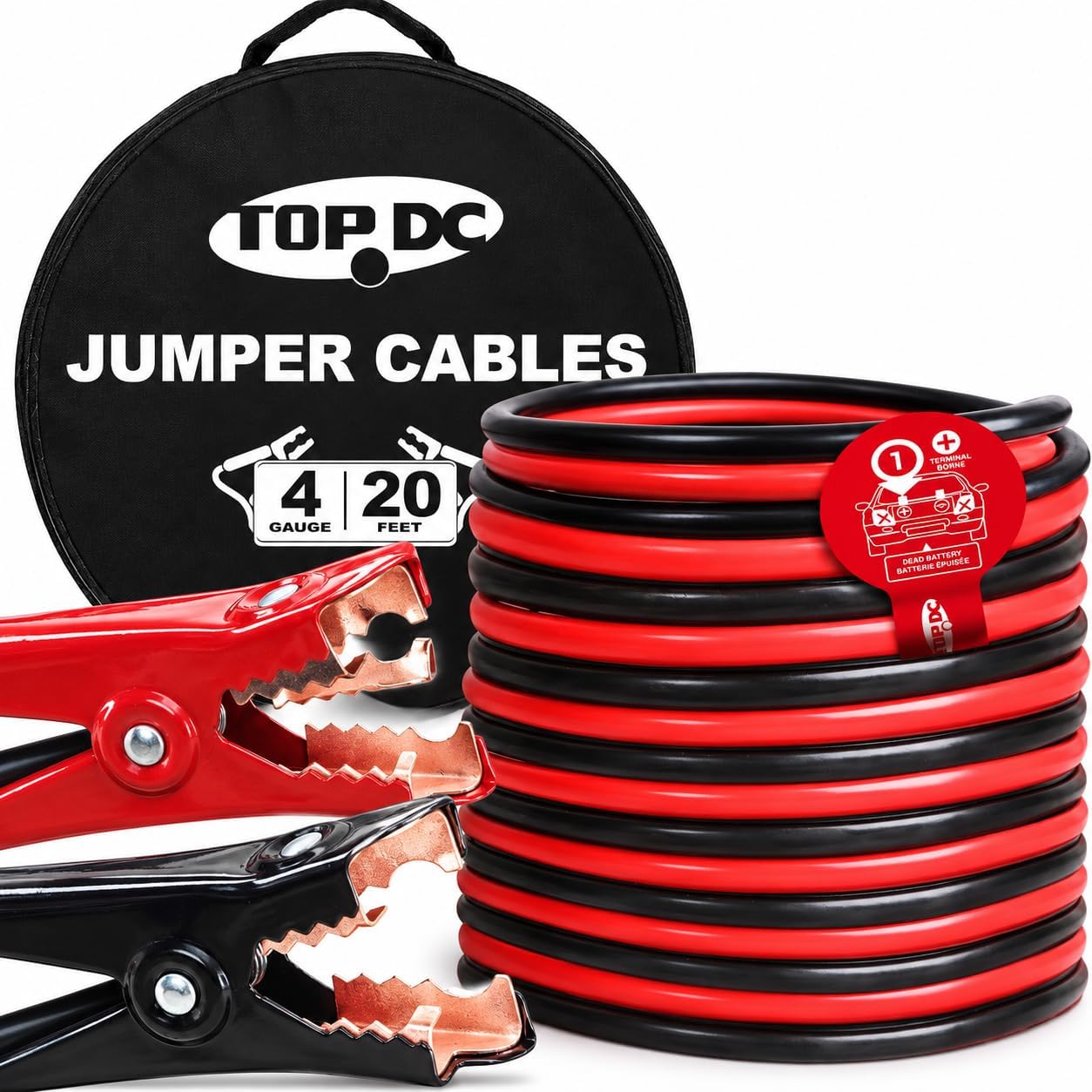
Longer cables can make it easier to connect two cars. Thick, well-made cables may also feel more secure.
Choose a set with:
- Clear red and black markings
- Strong clamps
- Flexible cable covers
- Enough cable length
- A zippered storage bag
Read the directions before you need them. If you are unsure, wait for trained roadside help.
Tire Pressure Gauge and Portable Inflator
A tire gauge checks the air pressure inside a tire. An inflator adds air when the pressure is low.
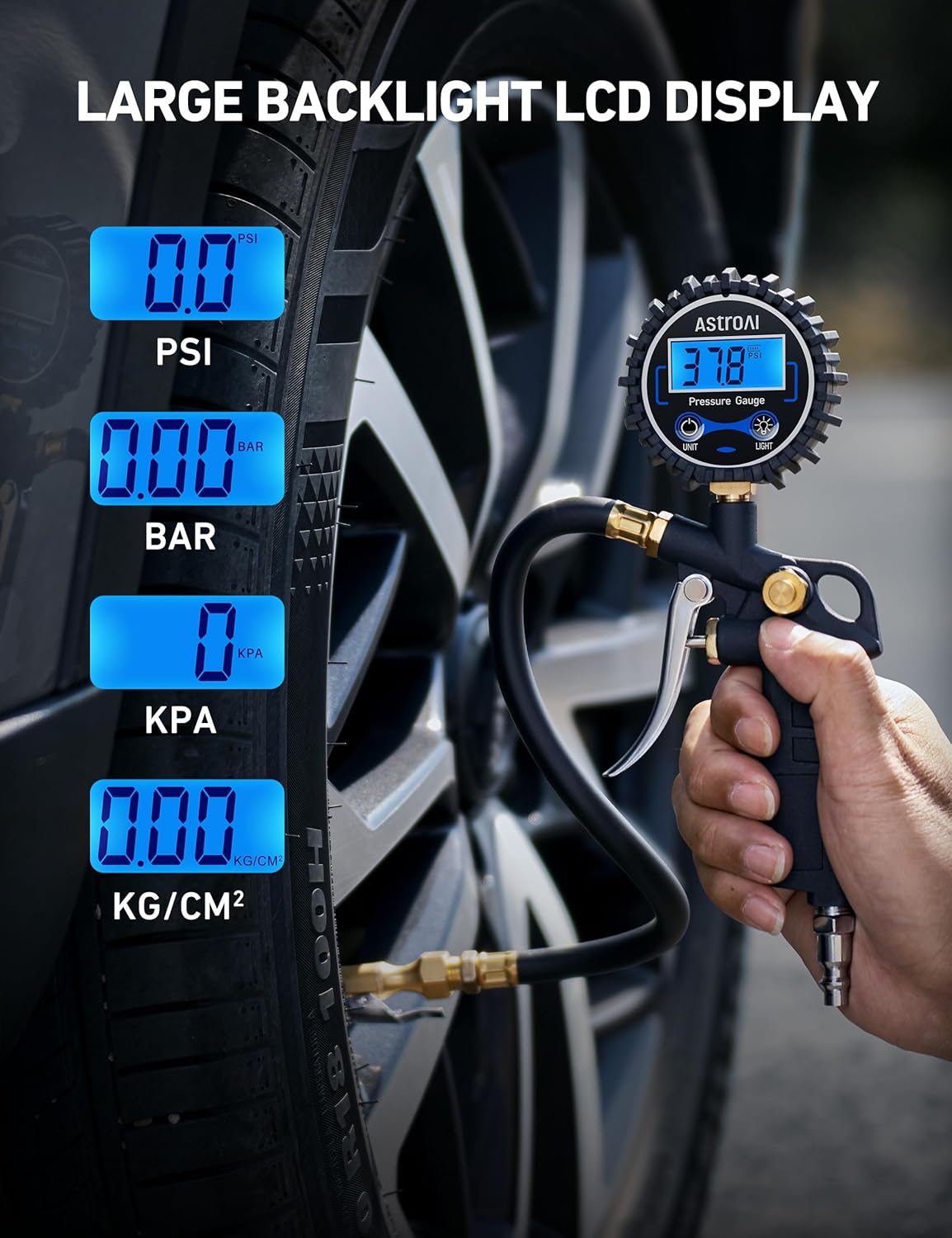
These tools serve different jobs. Keeping both in your car gives you more control.
A digital gauge is easy to read. An analog gauge does not need batteries. Pick the style you feel most able to use.
Check the recommended tire pressure on your vehicle label. It is often found near the driver’s door. Do not use the maximum pressure printed on the tire as your normal target.
A portable inflator can add air at home or on the road. Some plug into the car. Others use a charged battery.
Check Price For Pressure Gauge
Check Price For Portable Inflator
An automatic shutoff is useful. It stops the unit when the tire reaches your set pressure.
Basic Car Tool Kit
A small tool kit can help with loose parts and simple tasks. It should not tempt you to try a repair beyond your skill.

Your kit may contain:
- Pliers
- Screwdrivers
- An adjustable wrench
- Work gloves
- Cable ties
- Strong repair tape
- A small utility cloth
- A few spare fuses suited to your car
Keep every tool inside a fitted case. Loose metal tools can slide around and damage other items.
Weather-Appropriate Emergency Supplies
Your weather kit should match your climate. A driver in a hot area needs different gear from one facing ice and snow.
For rain, consider:
- A compact umbrella
- A rain poncho
- Water-resistant gloves
- A small towel
- A dry bag
For cold weather, add:
- A warm blanket
- An ice scraper
- Warm gloves
- A hat
- Extra socks
- Safe winter footwear
For hot weather, consider:
- A windshield sunshade
- Drinking water for planned trips
- Sunscreen stored as directed
- A hat
- A cooling cloth
Do not leave food, medicine, cosmetics, or powered devices in harsh heat unless their labels allow it.

Check Price – Compact Emergency Blanket

Check Price – Seasonal windshield tool
Monthly Emergency-Kit Check
- Recharge the jump starter.
- Test the flashlight.
- check medicine and first-aid dates.
- Inspect cables and clamps.
- Check the tire inflator parts.
- Replace used supplies.
- Change seasonal gear.
- Review your emergency contacts.
Keep Your Phone Charged, Secure, and Easy to Use
Your phone may provide directions, contacts, and emergency support. It should stay charged and secure while you drive.
Set up your phone before the car moves. Do not pick it up or adjust the mount while driving.
Secure Phone Mount for Hands-Free Navigation
A phone mount can keep directions in view. The best mounting spot depends on your car and local rules.

Common mount types include:
- Dashboard mount: Easy to see, but needs a good surface.
- Windshield mount: Offers flexible placement, but may block part of your view.
- Vent mount: Small and easy to move, but it may not fit every vent.
- Cupholder mount: Avoids glue, but uses a cupholder.
Choose a mount that holds your phone and case. It should not shake, fall, or block the road.
Fast Car Charger and Backup Cable
Keep a charging cable in the car. This prevents you from taking your home cable and forgetting to return it.

A charger with several ports can help on family trips. Make sure the ports match your devices.
Check PriceAvoid cables that stretch into the driver’s foot space. Shorter cables often keep the console neater.
Power Bank for Times the Car Has No Power
A power bank gives your phone another source of power. It is useful if the car battery fails or its power port stops working.

Charge it on a set schedule. Keep the right cable in the same pouch.
Check PriceDo not leave the unit in extreme heat. Follow its storage and care guide.
Phone Mount Style Comparison
| Mount Type | Best For | Main Benefit | Point to Consider |
|---|---|---|---|
| Dashboard | Daily directions | Easy viewing spot | Not all surfaces hold well |
| Windshield | Flexible placement | Wide angle range | May block part of your view |
| Vent | Small car interiors | Compact size | May not fit every vent |
| Cupholder | No-glue setup | Easy to install | Uses one cupholder |
Organize the Car So Essentials Are Easy to Find
Good storage does more than make your car look neat. It helps you find the right item without digging through bags.
Give each item a set home. This also makes missing supplies easier to spot.
Trunk Organizer for Emergency and Shopping Supplies
A trunk organizer keeps emergency gear separate from groceries. It may also stop bottles, tools, and bags from rolling.

Look for divided sections and firm side panels. Handles help when you need to lift the whole organizer.
A non-slip base can limit movement. You should still secure heavy items as your vehicle maker advises.
Check PriceUse one section for safety gear. Use another for cleaning products and daily supplies.
Back-Seat Organizer for Family or Commuter Gear
A back-seat organizer can hold wipes, umbrellas, cables, and travel items. It is useful for parents, commuters, and frequent passengers.

Choose a material that wipes clean. Clear pockets can help you spot smaller items.
Check PriceDo not overload the organizer. Check that it does not affect the seat, belt, or airbag area.
Glove-Box Document Holder
Your glove box can become a paper pile fast. A slim holder keeps key vehicle details easy to find.

You may want to organize:
- Vehicle registration
- Insurance details
- Roadside help details
- Service records
- Emergency contact details
- A list of key phone numbers
Remove old copies when you add new ones. Avoid keeping private papers that you do not need.
Small Car Trash Container
A small trash bin can stop receipts and wrappers from spreading. It also makes quick cleanups much easier.

Choose a bin that stays closed and is easy to empty. A washable or lined inside can help with small leaks.
Check PricePlace it where it will not block a seat, belt, door, or airbag.
Before-and-After Graphic Idea
From Cluttered Car to Organized Car in 15 Minutes
Show three zones: driver storage, back-seat storage, and trunk storage.
Create an Everyday Car Essentials Bag
A small car bag keeps personal items together. It works well for commutes, errands, school runs, and road trips.
Use a pouch you can carry inside when needed. This is helpful for goods that should not stay in heat or cold.
Personal Care and Hygiene Supplies
Build your pouch around your real needs. Do not add ten items if you only use three.
Possible car bag essentials include:
- Tissues
- Hand wipes
- Hand cleaner
- Period supplies
- Hair ties
- A comb
- Lip balm
- Sunscreen
- Stain wipes
- Dental floss
- A small pack of face wipes
Check labels before leaving products in the car. Heat can melt, leak, or damage some items.
Seal liquids inside a second bag. Clean the pouch and rotate old supplies on a set schedule.
Clothing and Appearance Fixes
A few small items can help before work, an event, or a meeting.

Consider packing:
- A lint roller
- Stain-removing wipes
- A compact sewing kit
- Spare hair ties
- A rain poncho
- Extra socks
- A simple change of clothes
A change of clothes may be useful for parents or long-distance drivers. Keep clothing inside a sealed packing bag.
Reusable Shopping and Carrying Essentials
Foldable shopping bags take up little space. They are useful for groceries, returns, and sudden errands.

An insulated bag can help during the trip home. It should not replace safe food storage for long periods.
Check PriceKeep all bags in one trunk pocket. This stops them from spreading across the car.
Make Everyday Drives Cleaner and More Comfortable
A clean car can make daily drives feel less stressful. Yet you do not need a full shelf of cleaning goods.
Choose small tools that solve common problems. Keep all liquids closed and secured.
Compact Car Vacuum
A small vacuum can handle crumbs, dust, pet hair, and dry dirt. It is handy for seats, mats, cupholders, and tight gaps.

Corded vacuums may run as long as the car provides power. Cordless models are easier to move but need charging.
Check PriceCheck the tool attachments. A narrow tip helps between seats. A brush head helps on fabric and vents.
Microfiber Cloths and Interior Cleaning Tools
Keep one cloth for glass and another for hard surfaces. This helps prevent dust and cleaner from moving between areas.

A soft brush can clean vents and narrow gaps. Store all tools in a small cleaning pouch.
Check PriceUse cleaning products made for your car’s surfaces. A cleaner that suits plastic may not suit leather or a display screen.
Sunglasses and Sun Protection
A case can help protect your sunglasses from scratches. It also stops them from sliding around the console.
A windshield sunshade may reduce direct sun inside a parked car. Measure the windshield before you buy.
Choose a shade you can fold without a struggle. If it is hard to store, you may stop using it.
Check Price of Foldable windshield sunshade.
Travel Blanket and Neck Support for Passengers
A blanket can help during long waits or cold trips. Choose one that packs down and is easy to wash.
Neck support should be used with care. It must not change how a seat belt rests or affect an airbag.
These comfort items are for passengers or use while parked. Drivers should stay in a safe driving position.
Check Price of Travel Blankets.
Avoid These Storage Mistakes
- Do not leave heavy objects loose.
- Do not block your view.
- Do not cover airbag areas.
- Do not place items near the pedals.
- Do not ignore product storage limits.
- Do not let gear block seat movement.
- Do not leave sharp tools without covers.
Pack Smart Snacks and Hydration Supplies
Food and water can help during a long delay. They are also useful on busy days when plans change.
Keep the amount small. Rotate it often so nothing becomes stale, damaged, or forgotten.
Shelf-Stable Emergency Snacks
Choose snacks that stay sealed and create little mess. Keep your health needs and food allergies in mind.

Possible options include:
- Plain crackers
- Dried fruit
- Sealed nuts, if safe for you
- Simple snack bars
- Shelf-stable food packs
Avoid goods that melt fast or leak. Do not leave food in the car beyond its safe storage range.
Check the dates each month. Remove wrappers and crumbs to avoid odors and pests.
Check Price of Leak-resistant reusable snack container.
Water and Reusable Drink Storage
Carry enough water for your planned trip. Rotate stored water and follow its package directions.
Secure bottles in a holder or trunk pocket. A loose bottle can roll near the pedals.
An insulated bottle can keep your drink at a more pleasant temperature. Clean it after each use.
Insulated Grocery Bag
An insulated bag is useful during grocery runs and long commutes. It can also hold cold drinks for a planned trip.
Choose an easy-clean lining and strong handles. A flat-fold design will save trunk space.
Keep food away from tools and cleaning goods. Use a separate trunk section for each group.
Choose the Right Essentials for Your Driving Routine
Your best kit depends on how and where you drive. A short city commute does not need the same setup as a long rural trip.
Start with the safety basics. Then use the lists below to shape the rest.
Car Essentials for Daily Commuters
Daily drivers often need fast access to phone and personal care items.
Your commuter kit may include:
- Phone mount
- Car charger
- Spare cable
- Compact umbrella
- Sunglasses
- Personal care pouch
- Stain wipes
- Small trash container
- Portable jump starter
- Tire pressure gauge
Keep high-use items in the cabin. Store roadside gear in the trunk.
Car Essentials for New Drivers
New drivers need simple gear with clear directions. Too many tools may create more confusion than help.
A new-driver kit should include:
- Emergency contact card
- First-aid kit
- Reflective warning gear
- Flashlight
- Tire pressure gauge
- Phone charger
- Vehicle document holder
- Basic roadside guide
Review each item with the new driver. Show where it is stored and how it works.
Car Essentials for Moms and Caregivers
Caregivers often carry more supplies. The goal is to keep them neat, not fill every open space.
Useful items may include:
- Wipes
- Spare clothes
- Small trash bags
- Back-seat organizer
- Reusable shopping bags
- Snack container
- Water
- Weather supplies
- Tissues
- A compact first-aid kit
Check loose items before each trip. Small objects should not roll around the cabin.
Car Essentials for Long Commutes and Road Trips
Long trips call for more backup power, water, and weather gear. They also make good storage more useful.
Consider taking:
- Power bank
- Spare charging cables
- Water
- Simple snacks
- Travel blanket
- Cleaning cloths
- First-aid kit
- Roadside tools
- Personal care pouch
- An overnight change of clothes
Check the car before a long trip. Make sure the tires, fuel level, lights, and fluids are ready.
Car Essentials for Winter, Rain, or Hot Weather
For cold and snowy drives, consider:
- Ice scraper
- Warm gloves
- Blanket
- Winter footwear
- Small shovel where needed
- Windshield-safe de-icer
- Reflective gear
For rainy weather, consider:
- Umbrella
- Rain poncho
- Dry towel
- Water-resistant gloves
- Waterproof storage bag
- Spare socks
For hot weather, consider:
- Windshield sunshade
- Hat
- Water for planned trips
- Cooling cloth
- Sunscreen stored as directed
- Heat-safe storage pouches
Do not pack gear just because it appears on a popular list. Match each item to the weather you face.
Compare the Best Types of Car Essentials Before Buying
Price matters, but it should not be your only guide. Think about fit, ease of use, storage, and care.
A good item should solve a clear problem. It should also fit your car without adding more clutter.
Car Essentials — Feature Breakdown
Compare every product at a glance — what it does, what to look for & where it goes.
| Product Category | Best For | Features to Compare | Storage Area | Priority |
|---|---|---|---|---|
| First-aid kit | Minor injuries | Layout Size Labels | Cabin or trunk | High |
| Roadside kit | Breakdowns | Visibility gear Case Contents | Trunk | High |
| Jump starter | Battery trouble | Car support Charge display | Trunk | High |
| Tire inflator | Low tire pressure | Power Display Auto stop | Trunk | High |
| Phone mount | Phone directions | Grip Position Phone fit | Dashboard area | Medium |
| Trunk organizer | Clutter control | Dividers Handles Straps | Trunk | Medium |
| Car vacuum | Quick cleaning | Tools Runtime Filter care | Trunk | Optional |
| Everyday pouch | Personal supplies | Size Pockets Lining | Console or trunk | Medium |
How to Store Car Essentials Without Creating More Clutter
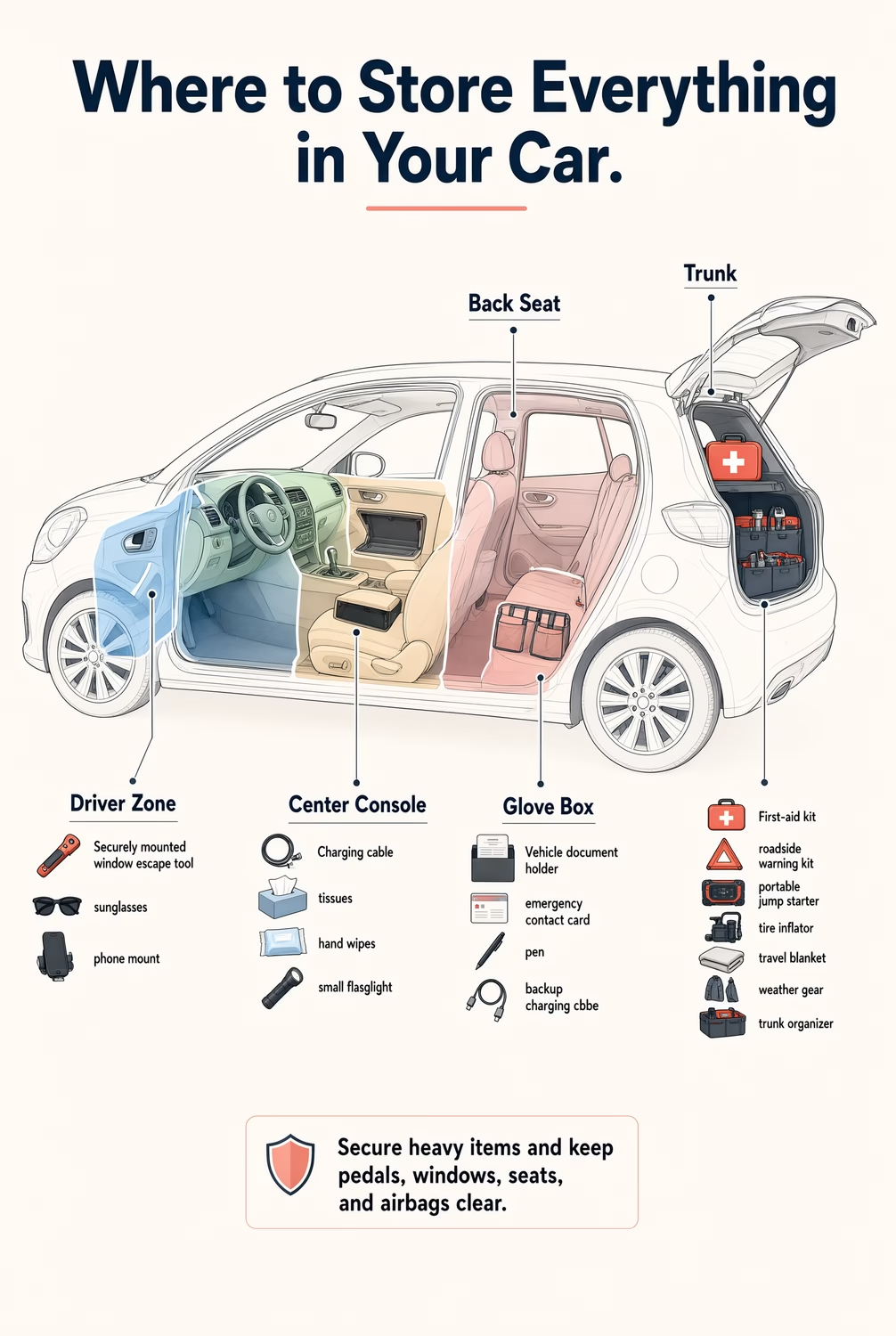
A useful kit can become a mess without a storage plan. Divide the car into zones based on how fast you may need each item.
Secure everything before driving. A neat trunk is not enough if heavy gear can still move.
Divide the Car Into Three Storage Zones
Zone 1: Within Reach of the Driver
Use this area for small items you may need often:
- Phone cable
- Sunglasses
- Tissues
- Emergency contact details
- Securely mounted escape tool
Keep the dashboard clear. Do not place objects where they block your view.
Zone 2: Glove Box or Console
Use this zone for:
- Vehicle documents
- Small personal care pouch
- Flashlight
- Backup cable
- Small pack of wipes
- Pen and note card
Avoid stuffing the console. You should be able to open and close it with ease.
Zone 3: Trunk
The trunk is best for larger supplies:
- Roadside kit
- Portable jump starter
- Tire inflator
- Travel blanket
- Weather gear
- Cleaning kit
- Trunk organizer
Keep urgent gear near the top. Secure heavy tools and bottles.
Use Pouches by Purpose
Small labeled pouches make restocking easier. You also avoid mixing personal items with dirty tools.
Useful pouch labels include:
- Emergency
- Cleaning
- Personal care
- Technology
- Weather
- Snacks
Use different colors if written labels are hard to see. Choose bags that are easy to wipe clean.
Review the Kit Every Three Months
A kit is not a one-time project. Batteries drain, food ages, documents change, and supplies get used.
Every three months:
- Check all use-by dates.
- Recharge powered gear.
- Remove damaged packages.
- Replace used items.
- Update vehicle papers.
- Change seasonal supplies.
- Remove items you never use.
- Check that tools still fit your car.
Set a phone reminder so the review does not get forgotten.
Car Essentials Checklist for Women
Use this car essentials for women checklist to build your kit in stages. Start with the high-priority safety items.
Safety and Emergency
- First-aid kit
- Warning triangles
- Reflective vest
- Flashlight
- Seat belt cutter and window tool
- Portable jump starter
- Jumper cables
- Tire pressure gauge
- Portable tire inflator
- Work gloves
- Weather supplies
Technology
- Phone mount
- Car charger
- Dedicated charging cable
- Portable power bank
Organization
- Trunk organizer
- Vehicle document holder
- Small trash container
- Everyday essentials pouch
- Reusable shopping bags
Cleaning and Comfort
- Microfiber cloths
- Compact vacuum
- Tissues and wipes
- Sunglasses
- Windshield sunshade
- Travel blanket
Personal and Everyday Supplies
- Personal care items
- Hair ties
- Stain-removing wipes
- Period supplies
- Water
- Shelf-stable snacks
- Rain protection
Frequently Asked Questions
What should every woman keep in her car?
Every woman should keep basic safety, roadside, and phone gear in her car. Start with a first-aid kit, flashlight, warning triangles, phone charger, tire gauge, inflator, and jump starter.
You should also keep your vehicle papers organized. Add weather items based on your climate.
What should I put in a women’s car emergency kit?
Your emergency kit should cover five basic needs:
- Visibility during a roadside stop
- Help for a weak battery
- Help for low tire pressure
- Light after dark
- First aid for minor injuries
You can then add water, a blanket, gloves, and seasonal gear. Keep all items in a secured trunk organizer.
What should a new driver always have in the car?
A new driver should carry simple gear with clear directions. Good starter items include a first-aid kit, flashlight, warning triangles, phone charger, tire gauge, and document holder.
An emergency contact card can also help. Show the driver how to use each tool before the first solo trip.
What should I keep in my car for personal hygiene?
You may want tissues, wipes, hand cleaner, period supplies, hair ties, and stain wipes. Keep them in a zipped pouch.
Do not leave heat-sensitive items in the car without checking the label. Bring the pouch indoors during extreme weather.
How often should I check or replace car emergency supplies?
Check your kit every three months. You should also review it before a long trip or major weather change.
Recharge powered gear and test the flashlight. Replace used, damaged, or expired supplies right away.
Where should I store emergency supplies in a small car?
Store urgent, compact items inside the cabin. This may include a secured escape tool, flashlight, phone cable, and emergency contacts.
Keep larger roadside tools in the trunk. A small organizer can hold the inflator, jump starter, blanket, and warning gear.
Start With Safety, Then Add Convenience
The best car kit is one that suits your real driving habits. Start with safety gear, battery help, tire tools, and a way to charge your phone.
Then add the comfort and care items you will use. Keep every item secure, easy to find, and safe for your climate.
You do not need to buy all your car essentials for women at once. Build the kit in small steps. Check it every few months, and remove anything that no longer serves a purpose.
Safety starts with being prepared. Our car emergency kit guide has a dedicated add-on for women, and these dashboard accessories keep your phone, charger, and dash cam within easy reach.
Save this checklist to Pinterest. Then use it to build your car kit one section at a time.