
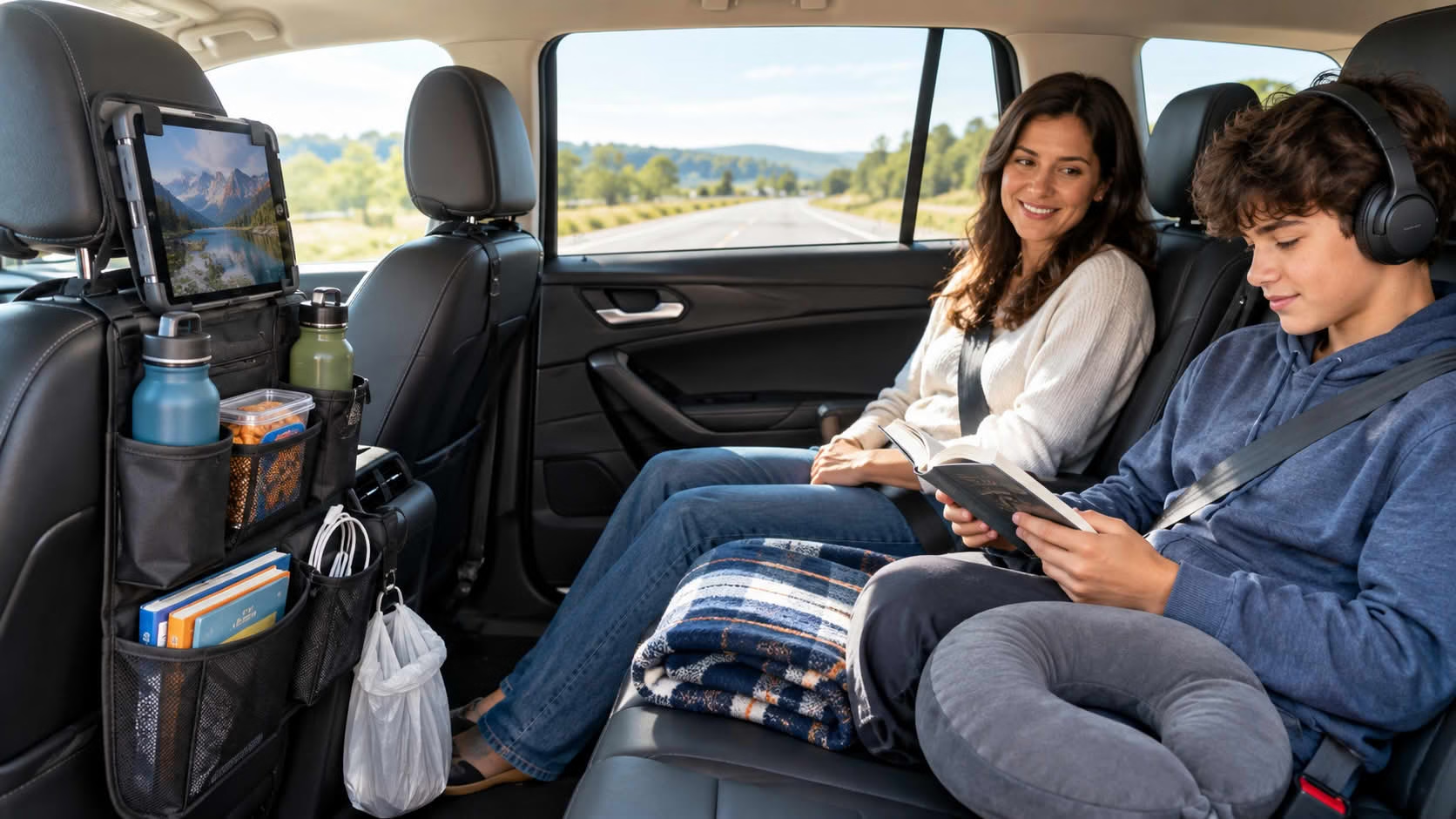
Long drives get uncomfortable fast. Set up your back seat the right way and everyone stays cozy, organized, and safe from the first mile to the last.
This guide walks you through a simple, gear-light setup that works for families, solo travelers, and anyone who wants less mess and more comfort on the road. Read on for quick wins you can do in under 15 minutes before you pull out of the driveway.
What you’ll learn
- Comfort fixes to reduce aches and improve sleep on long drives
- Smart storage ideas to keep essentials within reach and loose items secured
- Safety tips to minimize hazards and protect passengers during sudden stops
This guide focuses specifically on the back seat — for the full front-to-trunk setup, check out our complete road trip car setup guide covering all three zones.
This page contains Amazon affiliate links. If you buy through them, I may earn a small commission at no additional cost to you.
Start With a Simple Back Seat Organization System
A messy back seat often starts with one small problem. Everyone puts things down wherever there is space.
That works for a short trip. It falls apart on a long one.
Start by giving each type of item a home. Keep things you use often near the passenger who needs them. Put spare items in a less busy area.
A simple setup can have these zones:
| Zone | What belongs there | Why it helps |
|---|---|---|
| Personal items | Phone, book, headphones | Easy to find |
| Food and drinks | Water, snacks, napkins | Less mess |
| Tech | Cables, power bank, tablet | Less wire clutter |
| Comfort | Blanket, neck pillow | Easier rest |
| Cleanup | Tissues, wipes, small trash bag | Faster cleanup |
| Backup items | First-aid kit, spare supplies | Keeps basics close |
A seat-back organizer can help with small items. A soft storage bin can hold larger items. You do not need both if one setup already works for your group.
Try to avoid filling every pocket. Open space is useful too.
Before you leave, check the floor. Loose items can slide under seats or roll around during the trip. Keep heavy objects out of the passenger area when you can.
Your best setup is one that stays neat after three hours on the road.
Create a Comfortable Back Seat for Long Drives
Long drives can make the back seat feel much harder than it did at home.
A good comfort setup starts with the seat itself. Make sure each passenger can sit back and use the seat belt with ease. Then add only the items that help with rest.
A small travel pillow can help when someone wants to sleep. A light blanket can help when the air feels cool.
Soft items are usually easier to manage than large cushions. They take up less room and can be moved when needed.
Think about comfort in layers:
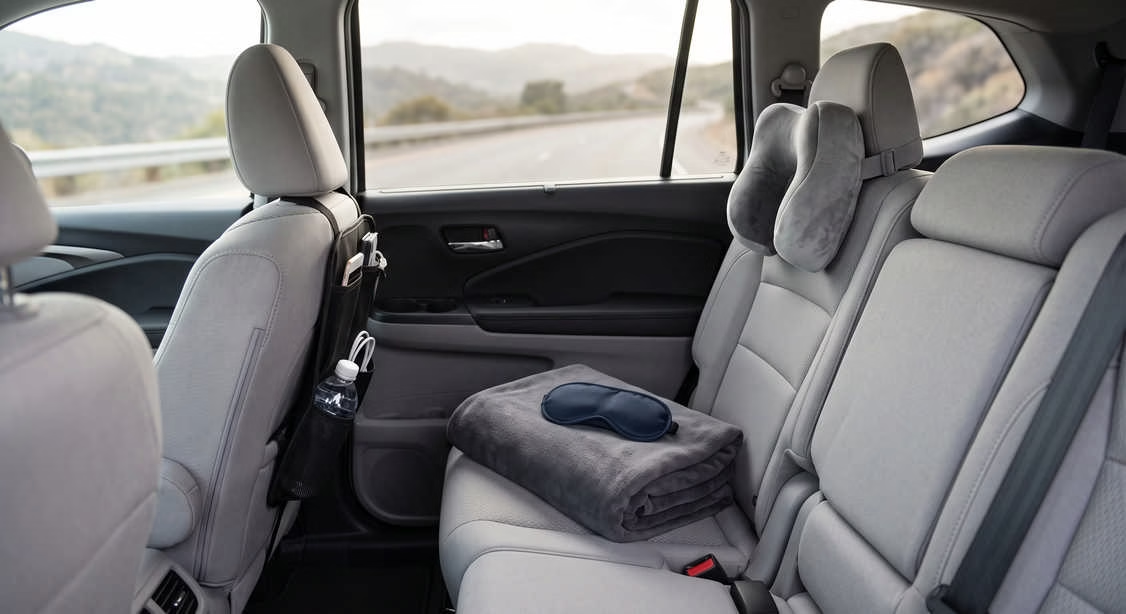
- Seat support: Keep the seating area clear.
- Head support: Use a compact travel pillow.
- Warmth: Pack a soft, light blanket.
- Light control: Use an eye mask for sleep.
- Personal space: Give each passenger a small place for personal items.
Try not to pile soft goods beside a passenger. They can steal leg room fast.
For longer trips, check comfort during stops. A quick stretch can help more than adding another item to the seat.
Safety note: Never place a pillow, blanket, or cushion under a seat belt or where it could affect a child restraint. Keep the belt flat and in its normal path.
Set Up a Dedicated Kids’ Entertainment Area
Kids tend to ask for the same things again and again.
“Where is my tablet?”
“Can I have a snack?”
“Where are my headphones?”
A simple back seat setup can reduce those questions. Give each child a small set of items that they can reach on their own.
Keep the setup easy to see. You do not want a child digging through a full bag while the car is moving.
Separate items by use. Keep screen gear together. Keep books and games in another spot. Snacks can stay in their own area.
This also makes packing easier. At the end of the trip, each child can help put their own things back.
Screens and Headphones
A tablet can be useful on a long ride. The key is to keep it secure and out of the way.
A rear-seat tablet holder can keep a screen in one place. It can also free up the child’s hands.
For younger kids, a wired headset can be simple to use. Older kids may prefer wireless headphones.
Before the trip, check the battery level. Download anything they may need before leaving home.
It also helps to test the setup first.
Check that:
- The screen stays in a safe position.
- The holder feels secure.
- The viewing angle works for the passenger.
- Cables do not cross the passenger’s body.
- The driver still has a clear view around the vehicle.
Do not rely on a loose tablet held by hand for hours. It can fall, slide, and become a distraction.
Screen-Free Activities
Screens are not the only way to keep a trip calm.
Books, puzzle books, magnetic games, drawing pads, and simple travel games can break up a long ride. They can also be useful when a device runs out of power.
For young kids, pick items with few loose pieces. Tiny game parts can end up all over the car.
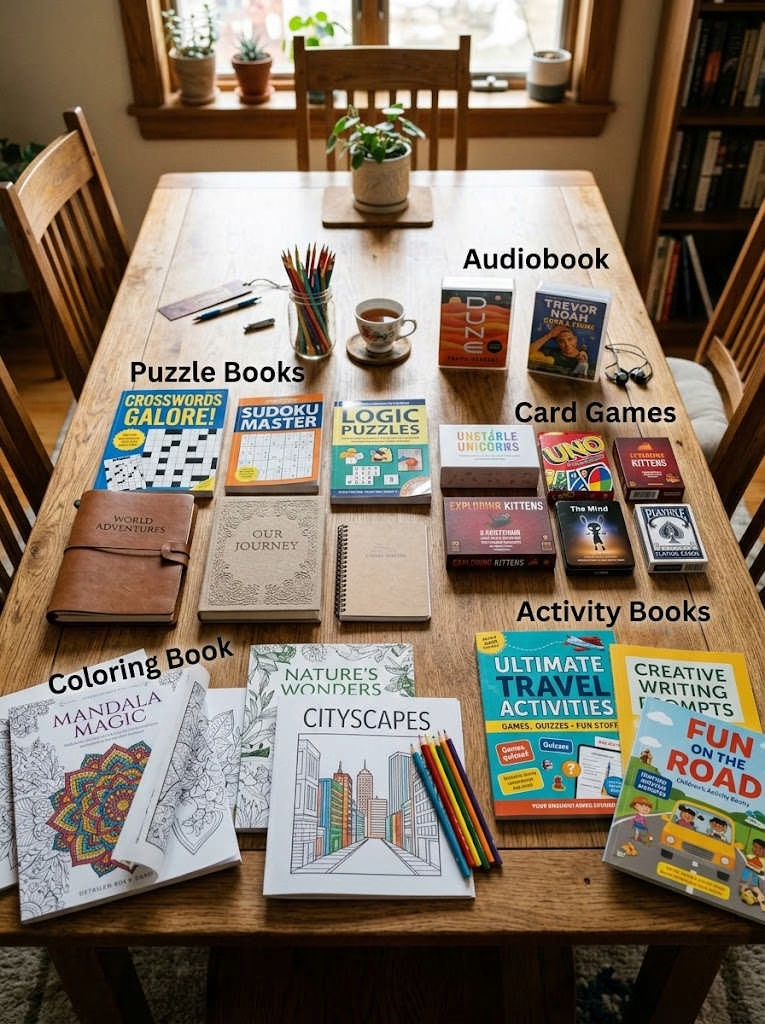
Older kids may enjoy:
Keep a small number of options within reach. Too many choices can create more clutter.
A good rule is simple: pack enough to create variety, not enough to fill the whole back seat.
Make Snacks and Drinks Easy to Reach
Food is one of the fastest ways to turn a clean back seat into a mess.
The fix is not to skip snacks. It is to make them easy to store and easy to use.
Choose foods that are simple to eat in a moving car. Dry snacks often create less mess than foods with sauces or lots of crumbs.
Portion snacks before the trip. Small containers can work well for fruit, crackers, nuts, or similar foods.
Drinks need a safe place too. Use a bottle that seals well and fits the vehicle’s cup holder.
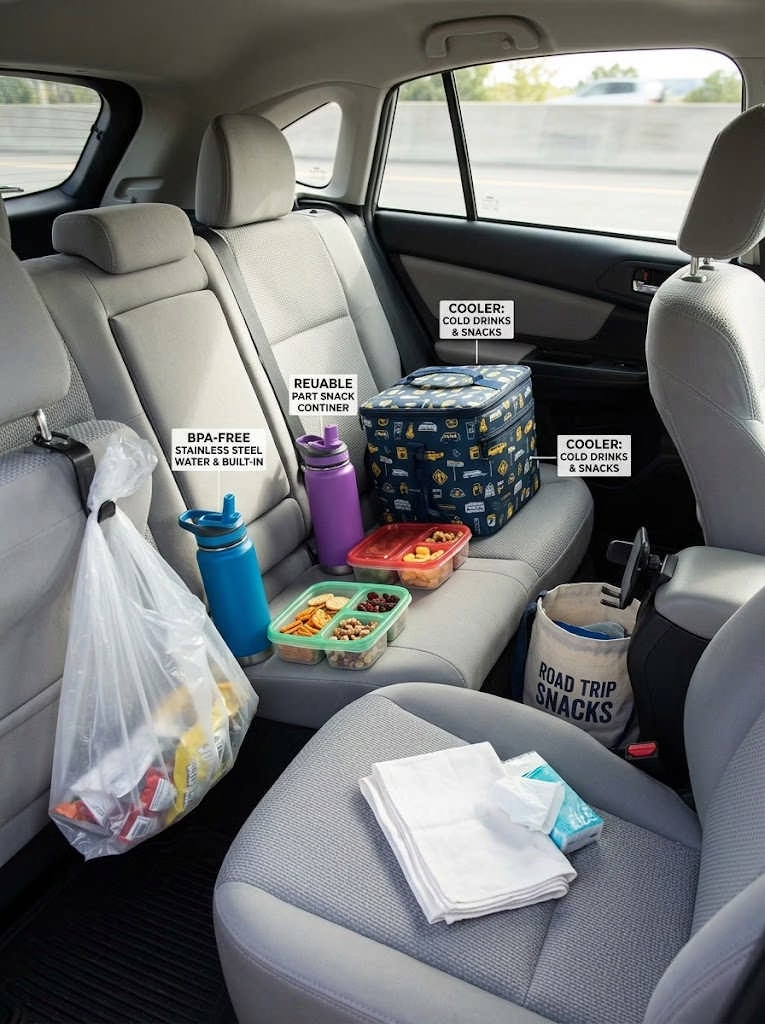
A simple food setup might include:
- One water bottle per passenger.
- A small snack container for each person.
- A shared bag for extra snacks.
- Napkins or tissues.
- A cooler for items that need to stay cold.
- A small trash bag.
Keep the most-used items close. Put backup food farther away.
This prevents the back seat from becoming a storage pile.
It is also smart to pack a few extra napkins. Small spills are much easier to deal with when you can clean them right away.
Safety note: Avoid loose bottles, cans, or hard food containers that can move around the cabin. Drinks should stay in a secure holder or a stable storage spot.
Keep the Back Seat Clean
A clean car feels better during a long trip. More importantly, it makes it easier to find what you need.
You do not need a large cleaning kit. A few small items can cover most back seat messes.
Keep tissues and wipes within reach. Add a small trash bag for wrappers and used tissues.
For bigger messes, a compact handheld vacuum can help once you stop.
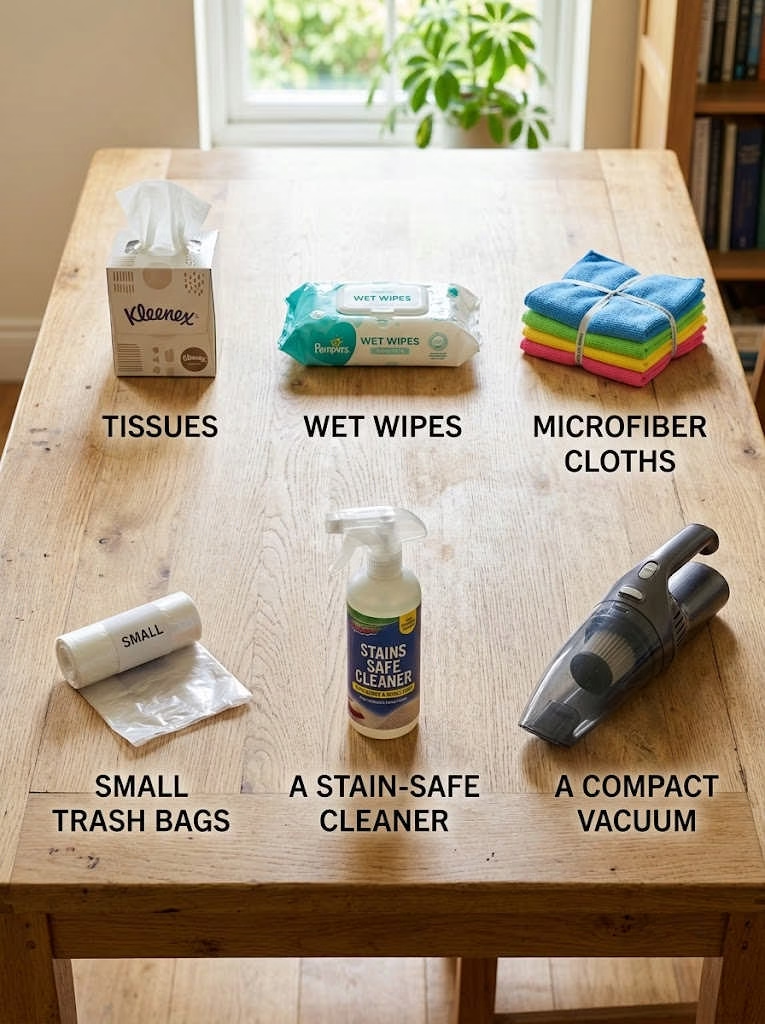
A simple cleanup kit may include:
- Tissues
- Wet wipes
- Microfiber cloths
- Small trash bags
- A stain-safe cleaner
- A compact vacuum
Put the trash bag where passengers can reach it. Empty it during fuel or rest stops.
Do not let trash collect on the floor. It takes up space and can make the cabin feel much worse.
A seat cover can also help if you expect spills, muddy clothes, or lots of food.
The main idea is simple. Clean as you go instead of facing one huge mess at the end.
Safety note: Keep trash bags and cleaning items away from seat belts, child restraints, and foot areas where they may block normal movement.
Give Everyone a Charging Setup
A road trip can turn every seat into a charging station.
Phones need power. Tablets need power. Headphones need power. Even a small camera may need power after a full day.
The key is to avoid cable clutter. For power setups on the driver’s side of the car, see the Zone 1: Driver Cockpit section of our road trip car setup guide.
Use short charging cables when they fit your setup. They are easier to manage than very long cords.
Keep spare cables in one small pouch. Do not let several cords pile up under the seats.
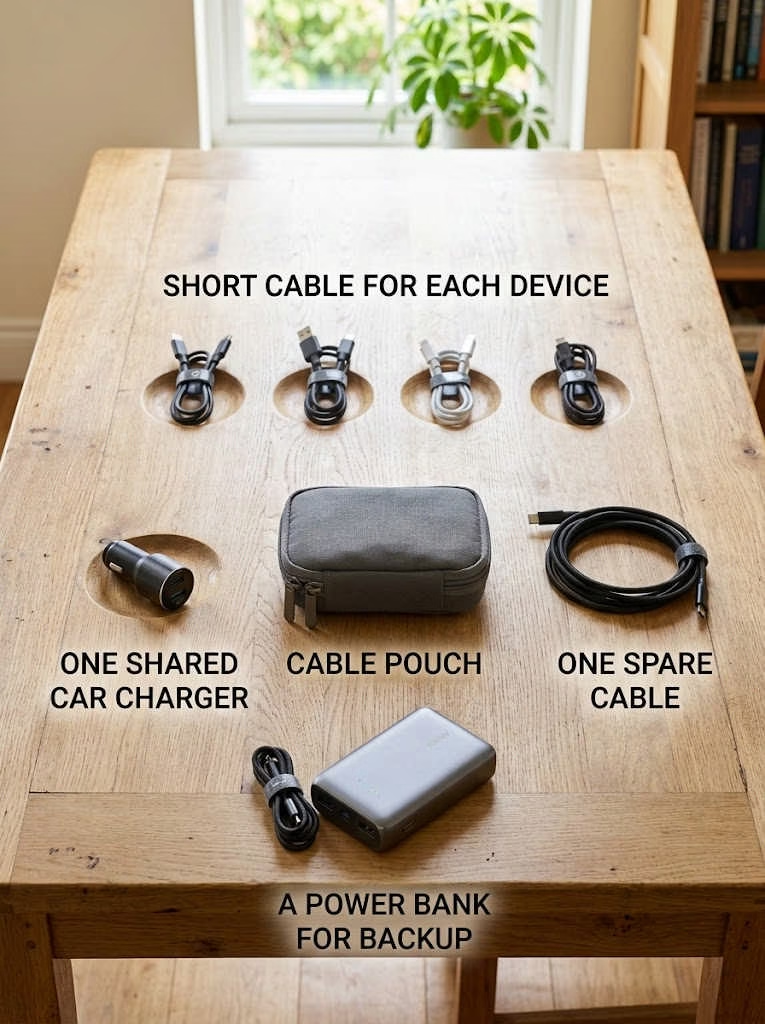
A clean charging setup can look like this:
- One shared car charger
- A short cable for each device
- One spare cable
- A small cable pouch
- A power bank for backup
Check the ports before the trip. A charger may have several ports, but that does not mean every device will charge at the same rate.
Also charge the power bank before you leave.
Place cables where they can be reached without crossing the passenger’s body. They should not hang near doors, pedals, or seat rails.
Safety note: Keep charging cords away from the driver’s foot area. A cable should never cross a place where it could catch, snag, or block normal control use.
Create a Small Back Seat Emergency and Convenience Kit
The best time to find tissues, wipes, or first-aid items is before you need them.
Keep basic supplies together in one small pouch or case. You do not need a full-size emergency bag in the back seat.
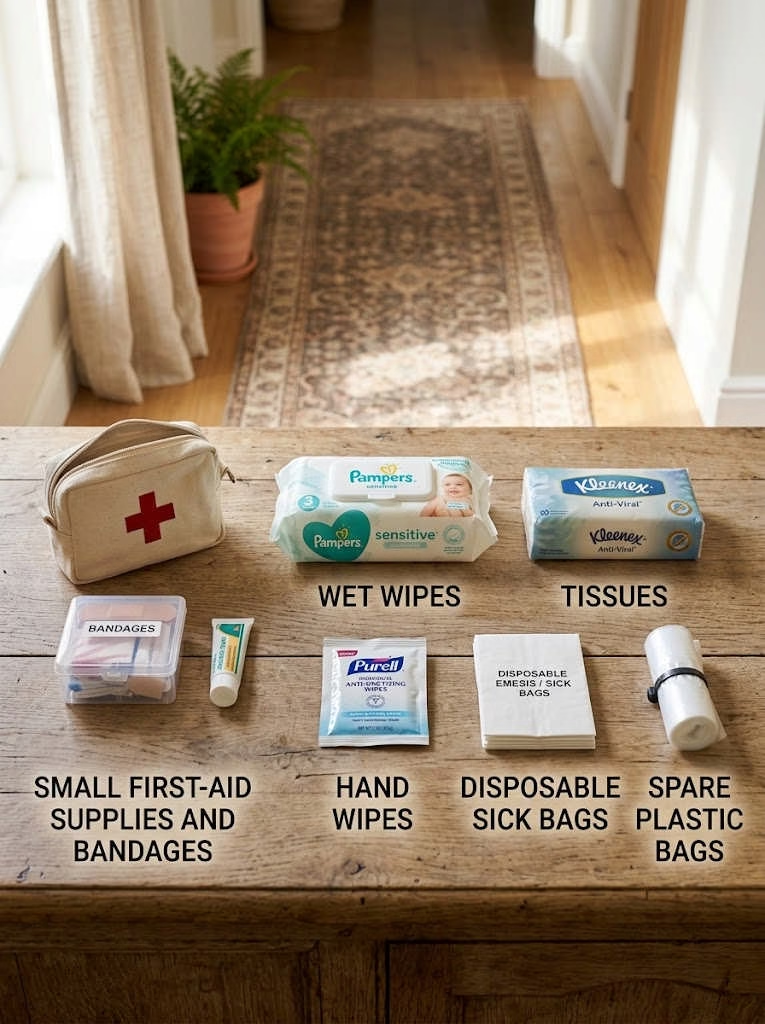
A simple kit can include:
- Small first-aid supplies
- Tissues
- Wet wipes
- Hand wipes
- Disposable sick bags
- Bandages
- Spare plastic bags
- Extra prescription items that need to stay close
The goal is easy access.
Keep the kit somewhere passengers can reach but where it will not roll around. A closed pouch works better than a loose collection of small items.
For trips with kids, add a few comfort items too. A spare shirt can be useful after spills. A small towel can help with larger messes.
Check the kit before every long trip. Used items should be replaced before you leave again.
Safety note: Do not store the kit where it could block a restraint or become a loose hard object in the cabin.
Back Seat Setup for Different Travelers
Not every road trip needs the same back seat setup.
A family with two young kids may need a lot more storage than two adults. A teen may care more about charging and headphones. A couple may want little more than drinks, bags, and comfort items.
The best setup matches the people in the car.
Road Trip Setup for Families With Young Kids
Young kids need easy access to basic items.
Keep snacks, water, wipes, books, and small activities close. Put backup items somewhere adults can reach them.
A child restraint should always have the space it needs. Do not place bags, organizers, or soft items where they affect the restraint.
For toddlers, simple items often work best. Too many choices can create more mess.
A good family setup might include:
- One personal storage area per child
- One snack area
- One shared cleanup kit
- Headphones if screens are used
- A small set of travel activities
- Extra clothes nearby
Labeling can help if more than one child shares the space.
Road Trip Setup for Teens
Teens often need less hands-on help.
They may want their own headphones, phone charger, drink, bag, and entertainment.
Give each teen a small personal zone. That can cut down on arguments over shared storage.
A simple teen setup can include:
- Personal charging cable
- Headphones
- Water bottle
- Small snack bag
- Phone holder
- Compact travel pillow
- Small personal bag
Do not make the space too full. Teens still need room for their legs and bags.
Road Trip Setup for Couples or Adults
Adults often need less gear but more space.
Focus on easy access to drinks, phones, chargers, and personal bags. A soft tote can hold small items without taking over the seat.
Comfort matters too. A long trip is easier when the back seat stays open and calm.
For two adults, you may only need:
- One shared organizer
- Two water bottles
- Charging cables
- Headphones
- One small snack bag
- Light blankets or pillows
Keep larger luggage in the cargo area when possible.
Road Trip Setup for Traveling With Pets
Pets need their own safe travel plan.
Do not let a pet roam freely around the cabin. Use a proper restraint or travel setup suited to the animal.
Food and water should also stay secure.
Keep pet items in one easy-to-reach area. This can include a leash, waste bags, towel, food container, and water supplies.
A seat cover may also help protect the upholstery.
The goal is to keep the pet secure while leaving the driver free to focus on the road.
How to Arrange Everything Before You Leave
Packing is only half the job. The way you place each item matters too.
Start with the things passengers will use most.
Keep those items in easy reach. Move backup items farther away.
A useful order is:
- Passenger space first. Keep seats and leg room clear.
- Safety items next. Check belts and child restraints.
- Daily-use items. Add water, snacks, phones, and headphones.
- Comfort items. Add blankets and small pillows.
- Cleanup supplies. Keep tissues and wipes close.
- Backup items. Store extras in the trunk or cargo area.
Think about the first hour of the trip.
What will someone ask for?
A drink. A snack. A charger. A tissue. A book.
Those things should be easiest to reach.
Then think about hour five.
That is when clutter tends to grow.
Give every passenger a place for used items too. A small trash bag and one personal storage area can make a big difference.
Before pulling away, scan the back seat once more.
Look for anything loose, anything blocking a belt, and anything that could roll under a seat.
5-Minute Back Seat Checklist Before Driving
You do not need a long pre-trip routine.
A five-minute check can catch most small problems.
1. Check the seats and belts
Make sure every passenger has clear access to the seat belt. Check that child restraints are set up as intended.
2. Check the floor
Remove loose bottles, bags, toys, cables, and other items from the foot area.
3. Check drinks and snacks
Make sure drinks are sealed and stored in a stable spot. Put snacks in containers that are easy to open.
4. Check devices
Charge phones, tablets, and headphones. Make sure cables are routed safely.
5. Check the cleanup kit
Tissues, wipes, and a trash bag should be easy to reach.
6. Check comfort items
Make sure blankets and pillows do not crowd the seating area.
7. Check loose objects
Anything heavy or hard should be stored securely, not left loose on a seat.
8. Check the driver’s area
No back seat item should block the driver’s view or interfere with controls.
Once these checks are done, the car is much easier to manage.
FAQ: People Also Ask
What should I put in the back seat for a road trip?
Start with water, snacks, charging gear, basic comfort items, entertainment, and cleanup supplies. Keep the setup small enough that passengers still have room to sit well.
How do I organize my back seat for a long road trip?
Give each type of item its own place. Keep daily-use items close and move backup supplies to less busy storage areas.
How do I make a road trip comfortable for back seat passengers?
Keep the seat area open. Add simple comfort items such as a small pillow, light blanket, and eye mask without affecting the seat belt.
What are the best car organizers for road trips?
Look for an organizer that is easy to reach, fits your vehicle, and does not interfere with belts or restraints. A simple design is often easier to keep tidy.
How do you keep kids entertained on a long car ride?
Use a mix of screens and screen-free activities. Books, travel games, audio, and activity books can help break up a long ride.
How do you keep a car clean during a road trip?
Give trash, wipes, and small spills their own place. Clean small messes during stops instead of letting them build up.
How do I organize snacks for a road trip?
Use small containers and keep one drink and snack area per passenger. Put backup snacks in a shared bag or cooler.
What should not be in the back seat during a road trip?
Avoid loose heavy items and anything that blocks a seat belt or child restraint. Do not place items where they can interfere with passengers, airbags, or normal vehicle use.
Build the Setup Before the Wheels Move
A useful back seat does not need to look packed.
It should feel simple.
Your road trip car set up back seat plan works best when every item has a reason and a place. Keep the seats clear. Keep daily-use items close. Keep loose objects out of the passenger area.
Think about who will sit in the back. Think about what they will need after two hours, not just what looks useful while you pack.
A calm setup can make the whole trip feel easier. It can also save you from digging through bags every time someone needs a drink, a charger, or a tissue.
Set up the back seat before you leave. Then take one last look before the car starts moving. Your future self will be glad you did.
Want the full-car version? Our road trip car set-up guide covers every zone. Pair it with these car activities for kids and a car emergency kit so everyone is ready.