The Science Behind What Causes Car Rust
Rust does not just appear out of nowhere. It starts with a quiet chemical chain. Iron meets oxygen. Water joins the mix. The metal breaks down. Scientists call this oxidation. Your car body uses plenty of steel. That makes it a perfect target.
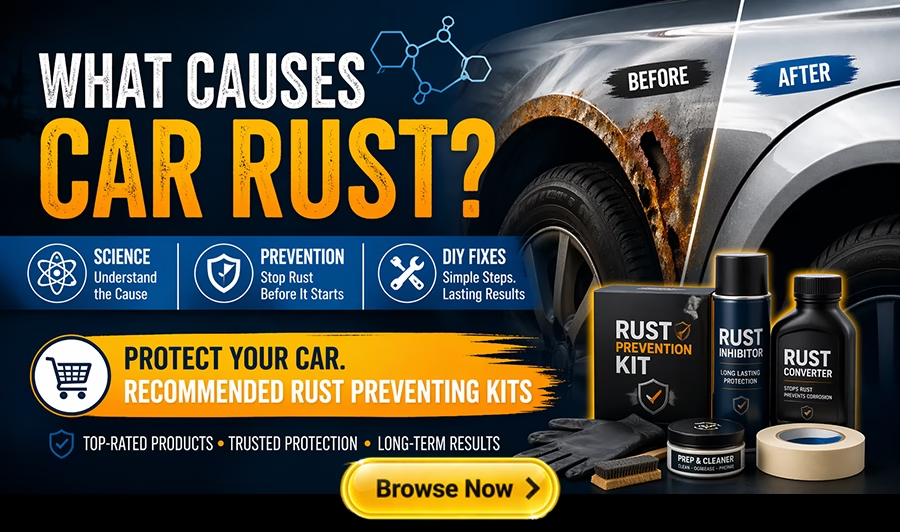
Think of rust like a slow burn. It needs three things to work. You need bare iron. You need air. You need moisture. Salt speeds the whole process up. Salt pulls water right to the metal. It opens a fast lane for decay. The reaction runs faster and deeper.
Car makers fight this daily. They dip frames in zinc. They spray thick primers. They seal every seam. Those shields work well at first. But they do not last forever. A single rock chip cracks the clear coat. Water slips underneath. The hidden steel starts to react. You only see the damage when paint bubbles up.
What about aluminum parts? Aluminum acts different. It forms a hard shell when air hits it. That shell blocks extra damage. Iron oxide flakes away instead. That is why steel turns soft while aluminum stays solid. Many modern cars mix both metals. That mix creates a hidden trap. When two different metals touch, moisture gets trapped between them. One metal takes the hit to save the other. Steel always loses.
You cannot stop nature. You can only slow it down. Knowing this simple chain changes how you treat your car. You spot weak points faster. You act before damage spreads. Simple knowledge saves money. It keeps your car safe for years.
Top 7 Causes of Car Rust (Detailed Breakdown)
1. Road Salt and Winter Chemicals
Winter roads leave a harsh mark. Cities spread salt to melt ice. It works fast. But it also eats through metal. Crystals fly up from spinning tires. They stick to wheel wells and floor pans. The salt traps moisture against bare steel. The reaction runs all season. It only stops when warm rain washes the grime away.
2. Humidity and Hidden Moisture Traps
Dry air rarely hurts your car. Damp air does. High humidity forces water into every crack. Door seams collect dampness. Sunroof drains clog with leaves. Your heater drips moisture into the footwells. That water sits on hidden brackets. It slowly eats the metal from the inside out. You rarely see it until paint bubbles up.
3. Paint Chips and Sun Damage
Sunlight weakens your clear coat over time. The protective layer dries out. Tiny cracks form. A single stone chip strips the shield completely. Rain hits bare steel instantly. Automatic car washes add stiff brushes. They scratch the finish. Every scratch acts like an open door. Water walks right in.
4. Poor Drainage and Design Gaps
Cars need holes to let water escape. Rocker panels and trunk floors have small drain ports. Dirt blocks them fast. Water pools in sealed cavities. It sits there for weeks. The trapped moisture turns sour. Rust blooms in spots you never check. A simple fix saves your frame. Keep those holes clear.
5. Coastal Air and Ocean Spray
Living near the water feels amazing. It ruins cars. Sea air carries fine salt mist. It settles on every panel. Wind pushes it into door handles and trim gaps. The salt stays damp. It pulls fresh moisture from the air. The cycle repeats every single day. Coastal cars need extra care.
6. Age and Worn Undercoatings
Factories spray thick wax on new frames. That wax blocks water for years. Time wears it thin. Gravel scrapes it away. Heat cracks the rubber coating. Once the barrier fails, moisture touches raw steel. Older cars face this daily. Neglect just speeds up the clock. Regular sprays push back the damage.
7. Thin Steel and Cost Cuts
Car makers chase lighter frames. Light cars burn less fuel. But thin steel gives up faster. Modern panels use less material. A small scratch cuts closer to the core. Less metal means a weaker shield. The reaction eats through quickly. You must act fast when you spot a chip. Delay costs you later.
How to Diagnose Rust Severity on Your Car
Rust does not always look the same. You must learn to spot the stages. Catch it early. You save time and money. Catch it late. You face real danger. Here is how to read the signs.
Surface rust sits on top. It looks like light orange dust. The paint still feels smooth. A simple wash might hide it. Light sanding removes it fast. The metal stays strong underneath. This is the easiest stage to fix. You can handle this yourself.
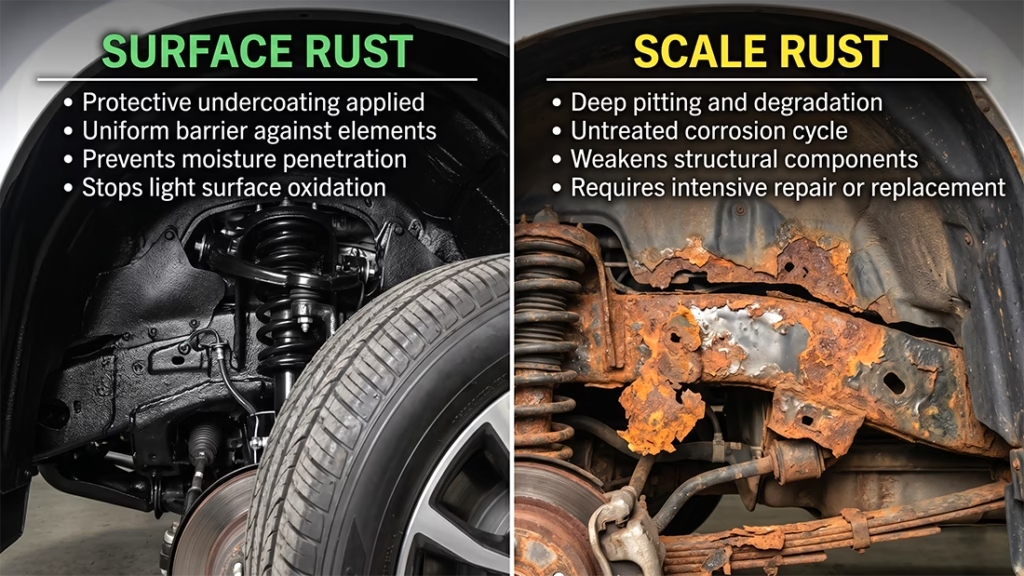
Scale rust goes deeper. Paint bubbles up and cracks. You might see flaky orange patches. The metal starts to lose shape. A gentle probe test shows the damage. Press lightly near the spot. If the metal feels soft or powdery, you have scale rust. You can still fix it. But you must work fast. The window for DIY repair is closing.
Penetrating rust means real trouble. Holes appear in the panels. Metal crumbles when you touch it. The frame or floor might feel spongy. This stage breaks car safety. Do not try to patch it with body filler. Do not paint over it. You need a professional welder. Driving with frame damage puts you at risk. Be honest about what you see.
Check the usual hiding spots. Rust loves dark, wet places. Shine a bright light on wheel wells. Look under door edges. Run your hand along rocker panels. Lift the floor mats in the trunk. Check around the battery tray. Use a small mirror for tight gaps. A simple magnet helps too. Stick it near suspicious spots. If it falls right off, someone hid rust with filler.
Write down what you find. Take clear photos. Note the size and depth. Track changes every month. Early action keeps your car safe. It also keeps your wallet happy.
Extended DIY Rust Removal & Repair Guide (Step-by-Step)
You can fix surface and scale rust at home. You just need patience and the right tools. Work in a clean, dry garage. Keep sparks away from flammable items. Wear gloves and a mask. Good airflow matters. Dust and fumes harm your lungs. Set up bright lights. You need to see every scratch.
Step 1: Clean the area first. Dirt blocks your work. Spray the spot with brake cleaner. Wipe it dry with a clean cloth. Wash the panel with soap and water. Dry it completely. Moisture ruins fresh paint. Check the surface with a paper towel. No grease should transfer.
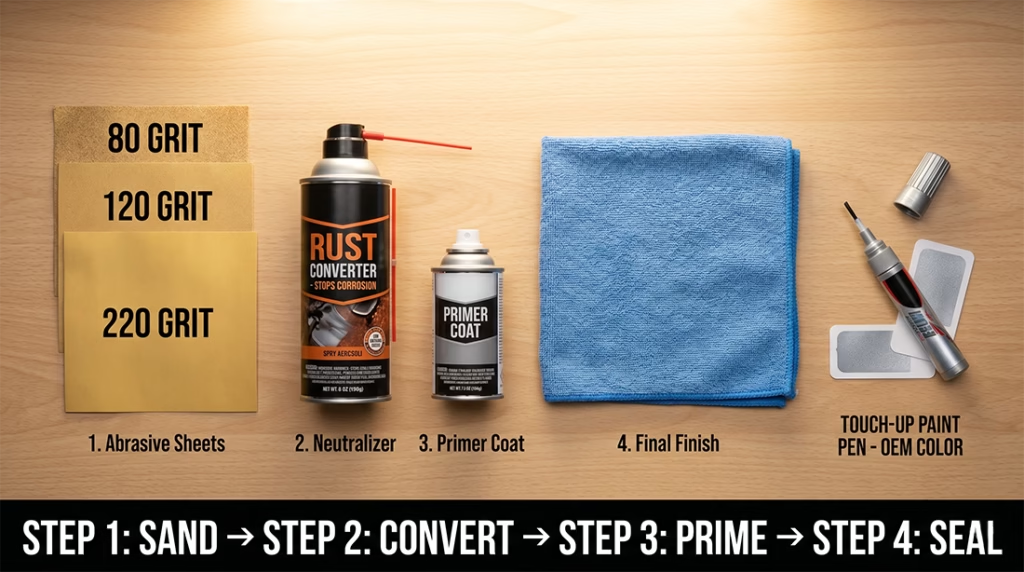
Step 2: Remove the rust by hand. Start with coarse sandpaper. Use eighty grit at first. Rub until you see bare metal. Switch to finer paper next. Move to one hundred twenty, then two hundred twenty. Sand past the damage by an inch on each side. Feather the edges smooth. Stop if the panel gets hot. Heat warps thin steel. Take your time. A steady hand wins here.
Step 3: Treat the bare metal. Sanding leaves tiny pits. Chemical converters fix them. These liquids turn rust into a hard black coating. Brush it on thin. Do not rush. Let it cure for the full time listed on the bottle. Wipe away excess. The surface should feel solid and dry. Do not skip this step. Paint will peel without it.
Step 4: Prime and paint to match. Primer sticks to bare metal. It gives paint a smooth base. Spray two light coats. Wait fifteen minutes between coats. Check your car door jamb for a color code. Buy the exact match. Shake the paint can for two minutes. Hold it eight inches from the panel. Move in steady, even strokes. Light passes build the color. Let each layer dry. Test the finish with a piece of tape. Press it down and pull up fast. If paint comes off, you need another coat.
Step 5: Seal it for good. Rust always tries to return. Seal every edge with automotive caulk. Spray cavity wax inside hollow beams. Rubber undercoats block road splash. Clear ceramic spray adds a tough shield. These layers work together. They buy you years of peace.
Pro tips matter more than fancy tools. Work in mild weather. High humidity ruins fresh paint. Direct sun bakes it too fast. Never paint over loose flakes. Never use muriatic acid. It eats healthy metal too. Skip cheap spray cans without primer. They waste your time and money. Follow the cure times exactly. Rushing breaks the whole repair.
Track your work in a simple log. Note the date and products used. Set a phone reminder to check the spot in thirty days. Small checks prevent big repairs. You already did the hard part. Keep up the routine. Your car will thank you.
Prevention: How to Stop Rust Before It Starts
Prevention beats repair every time. You spend less. You stress less. Your car lasts longer. Start with simple habits. Build a routine that sticks. Your future self will thank you.
Wash your car every two weeks. Use a soft microfiber mitt. Skip stiff brushes at automatic washes. They scratch the clear coat. Spray the undercarriage with every wash. Road salt hides in wheel wells. High pressure water blasts it out. Dry the car with a clean towel. Water spots trap minerals. Minerals eat paint over time.
Touch up chips within forty-eight hours. Keep a small paint pen in your glove box. Clean the spot with alcohol first. Apply one thin layer of primer. Let it dry. Add two light coats of color. Seal it with clear coat. This tiny fix blocks big damage later.
Apply a quality wax or sealant every three months. Ceramic sprays last longer. They bead water and resist salt. Rub them on after every wash for best results. Avoid paste waxes in hot sun. They streak and waste your effort.
Use rust inhibitors on hidden metal. Lanolin sprays work well. They creep into seams and stay flexible. Spray inside door frames and rocker panels. Focus on weld points and bolt heads. Reapply every spring and fall. This simple step adds years to your frame.
Store your car smart. Park in a garage when you can. Keep humidity below fifty percent. A small dehumidifier works wonders. Avoid parking on bare concrete. It pulls moisture up into metal. Use a breathable car cover outdoors. Plastic traps dampness. Breathable fabric lets air move.
Track your care with a simple system. Use a phone app or a paper log. Note wash dates, wax applications, and spot checks. Set reminders for seasonal tasks. Small habits prevent expensive repairs. Consistency beats perfection every time.
When DIY Isn’t Enough: Knowing When to Call a Pro
You can fix many rust spots at home. But some damage goes too far. Safety comes first. Know your limits. Call a pro when the stakes rise.
Frame rust demands expert hands. The frame holds your car together. Rust weakens its strength. A crash could turn deadly. Do not patch frame rust with filler. Do not weld it yourself unless you are certified. Take the car to a qualified shop. Ask for photos of their past work. Request a written warranty. Your life depends on this repair.
Brake lines and fuel lines hide under the car. Rust eats through them slowly. A cracked line causes sudden failure. You could lose brakes or start a fire. Inspect these lines every oil change. If you see heavy scale or leaks, stop driving. Tow the car to a mechanic. This is not a DIY moment.
Holes in floor pans or trunk wells trap exhaust fumes. Carbon monoxide slips into the cabin. You might feel dizzy while driving. That gas can knock you out. Seal small holes with automotive epoxy as a temporary fix. But plan a professional repair fast. Your health is not worth the risk.
Cost matters too. A DIY surface repair costs fifty to three hundred dollars. You buy sandpaper, converter, primer, and paint. You spend a weekend. A professional structural repair runs five hundred to five thousand dollars. They cut out bad metal. They weld in new pieces. They match paint and seal seams. The price gap is huge. But safety has no price tag.
State inspections catch bad rust too. Many regions fail cars with frame damage or holes. You cannot legally drive a failed car. Fix it right the first time. Save time, money, and hassle.
Find a trusted shop with care. Look for I-CAR certification. Ask about their rust repair process. Do they use OEM parts? Do they document welds? Do they offer a warranty? Read recent reviews. Visit the shop in person. Trust your gut. A good shop welcomes your questions.
Be honest about your skills. DIY builds pride and saves cash. But pride should never override safety. If you doubt the repair, pause. Get a second opinion. A pro inspection costs little. Peace of mind costs nothing.
FAQs About Car Rust
Does WD-40 stop rust?
WD-40 pushes water away for a short time. It works great on tools. But it is not a long-term fix for your car. The oil washes off in rain. Dust sticks to it. It attracts grime. Use it to loosen a rusty bolt. Do not rely on it to protect your paint. Choose a dedicated rust inhibitor instead.
Can rust spread if I leave it alone?
Yes. Rust grows like a weed. One small chip invites moisture. Moisture eats the metal underneath. The paint lifts. More water gets in. The damage spreads under the surface. You might not see it until a hole appears. Early action stops the cycle. Wait too long. The repair gets bigger and pricier.
Do electronic rust prevention modules work?
Save your money. These small devices claim to stop corrosion with electric current. But independent tests show little to no real-world benefit. Salt, moisture, and time still win. Stick with proven methods: wash often, seal chips, and spray inhibitors. Simple steps beat unproven gadgets every time.
How often should I undercoat my car?
Plan to reapply rust inhibitors every twelve to eighteen months. Heavy winter roads or coastal air demand yearly care. Spring is the best time. You wash off winter grime first. Then you spray fresh protection on clean metal. Mark your calendar. Set a phone reminder. Consistency keeps rust away.
Is aluminum immune to rust?
No metal is truly immune. Aluminum does not rust like iron. It forms a hard white oxide layer instead. That layer blocks deeper damage in most cases. But salt and acid can still pit aluminum over time. Clean aluminum trim with pH-neutral soap. Dry it well. A quick wax adds extra protection.
Will painting over rust fix the problem?
No. Paint traps moisture against the metal. The rust keeps eating underneath. Bubbles form. Paint flakes off. The damage returns worse. Always remove rust first. Sand to bare metal. Treat with a converter. Then prime and paint. Skipping steps wastes time and money.
Can I prevent rust on an older car?
Absolutely. Age makes prevention more important. Start with a deep clean. Wash the undercarriage. Clear all drain holes. Touch up every chip. Spray lanolin-based inhibitor on hidden frames. Reapply twice a year. Track your work. Small efforts add up. Older cars can last decades with smart care.
Final Thoughts & Next Steps
Rust does not have to win. You hold the power to stop it. Knowledge is your first tool. You now understand how rust starts. You know the seven main causes. You can spot early warning signs. You have a clear DIY plan for safe repairs. You know when to call a pro. That is real control.
Start small today. Pick one habit from this guide. Wash your car this weekend. Touch up that chip near your door handle. Spray inhibitor on one wheel well. Small wins build momentum. Momentum creates lasting change.
Grab a simple rust repair kit. Keep it in your garage. A few dollars now saves hundreds later. Pair it with a maintenance tracker app. Log your washes, inspections, and touch-ups. Set reminders for seasonal care. Technology and teamwork beat guesswork every time.
Your car protects you and your family. Return the favor. Give it simple, consistent care. It will reward you with safety, reliability, and resale value. Rust is a slow enemy. But you are faster. You are smarter. You are ready.
Your next three steps:
- Download our free Rust Inspection Checklist. Print it. Use it this weekend.
- Start your car care log with a trusted maintenance tracker. Set one reminder today.
- Shop vetted rust prevention kits on Amazon. Look for lanolin sprays, quality sandpaper, and exact-match paint pens.
Transparency note: This guide contains affiliate links. I only recommend products I trust. Your support keeps this content free and honest. Always follow local safety laws and manufacturer guidelines.