1. That Spongy Jack Feeling? Let’s Fix It!If you’re also unsure about the right size for your vehicle, our free floor jack capacity calculator can help.
You know that sinking feeling? When your floor jack:
- Feels soft when you pump it
- Lifts your car… then slowly sinks back down
- Needs constant pumping to stay up
- Takes way too many pumps to lift
Here’s the secret: It’s rarely broken. Usually, it’s just air bubbles or low oil. I’ve seen so many DIYers ruin good jacks by forcing release valves or dumping in random fluids. That swells seals. It damages O-rings. And then your jack is trash. Don’t be that person.
2. Why Jacks Get Spongy (Simple Truth)
Hydraulic jacks run on oil. Oil doesn’t squish. Air does. When air sneaks in, your jack gets mushy.
Common culprits:
- Air trapped in the system (most frequent!)
- Low oil levels
- Dirty or foamy oil
- Storing the jack sideways (oil leaks away from seals)
- Dropping it fast with no weight on it
Quick test:
✅ Fixable with bleeding: Jack lifts but feels weak. Gets better after bleeding.
❌ Seal failure: Jack drops under load. Leaks oil. Won’t hold height.
(Pro tip: Always store tools properly. Need jack storage ideas? Check our guide to best garage flooring for home mechanics.)
3. Safety First. No Excuses.
- Never crawl under a car held up by just a jack. Use jack stands. Every time.
- Bleed and refill with zero weight on the jack. No test lifts while your hands are near it.
- Wipe dirt off the jack before starting. Grit kills seals.
Your safety > your hurry. Always.
4. Bleeding Air: 60 Seconds to Firmness
(Do this FIRST if your jack feels soft.)
- Place jack on flat concrete.
- Turn release valve all the way left (counterclockwise).
- Push saddle down fully.
- Pump handle slowly 10 times. Smooth strokes only!
- Close valve by turning right (clockwise) until snug.
- Pump up halfway. Lower. Repeat once.
Why slow pumping wins:
Fast pumping whips oil into foam. Tiny air bubbles hide everywhere. Slow strokes let air float out gently. Patience pays off.
(Trouble finding parts during repair? A magnetic parts tray saves dropped screws and sanity.)
5. Refilling Oil (The Right Way)
Low oil = air sneaking in = spongy jack. Let’s fix it.
Before you start:
- Wipe the fill area spotless.
- Use a clean funnel or squeeze bottle.
- Keep rags handy.
Steps:
- Lower saddle all the way. Close release valve lightly.
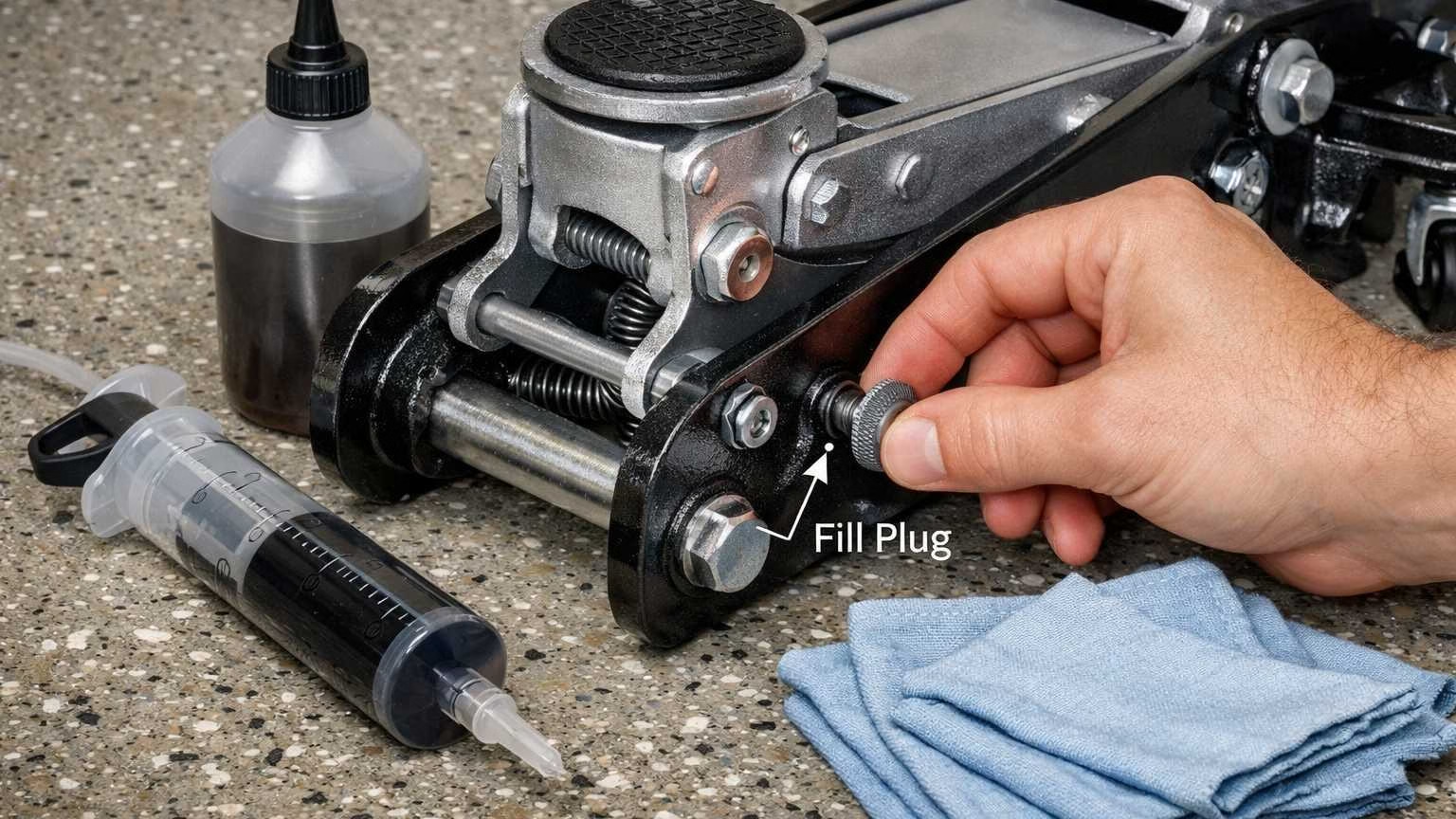
- Find the fill plug (rubber cap on the side or small screw near the pump).
- Clean around the plug again. Seriously.
- Remove plug. Add oil slowly until it’s just below the fill hole’s bottom edge.
- Don’t overfill! Leave a little air space.
- Screw plug back in gently. Snug = perfect. Gorilla-tight = broken threads.
Overfilling causes:
- Foamy, spongy action
- Oil leaking from seams
- False “bad seal” alarms
(PSA: Wrong fluids murder jacks. More on that next. And if your oil looks dirty? Learn how to store your torque wrench properly to avoid similar tool disasters.)
6. Oil Choice Matters (Save Your Seals!)
USE:
- Hydraulic jack oil
- OR ISO 32 hydraulic oil
NEVER USE:
- Brake fluid (kills rubber seals)
- ATF or motor oil (wrong thickness)
- Power steering fluid (secret additives wreck things)
Why it’s serious:
Wrong oil makes seals swell up like sponges. Or harden like old gum. Then oil leaks past them. Bleeding won’t fix that. Your jack becomes a paperweight.
When in doubt? Drain old oil. Refill with the right stuff. Better safe than sorry.
7. Re-Bleed After Refilling (Don’t Skip!)
Adding oil = adding air. Always re-bleed after refilling:
- Open release valve fully.
- Pump slowly 10 times (saddle down).
- Close valve. Lift saddle halfway.
- Lower fully. Repeat if needed.
Test properly:
- Pump should feel firm.
- Jack should lift smoothly.
- No sinking between pumps (when unloaded).
If it still drops under real weight? Move to Section 8.
8. When Bleeding Won’t Save Your Jack
Sometimes it’s too late. Admit defeat if you see:
- Jack sinking under light loads after bleeding
- Oil dripping from rams or seams
- Handle pumping with zero lift
- Gritty or loose release valve
Your options:
- Rebuild with a seal kit (if parts exist)
- Replace the jack (if cylinder is scratched)
No shame in retiring a worn tool. But don’t ignore warning signs. Safety first!
9. Prevent Future Sponginess (Easy Habits)
- Store jack fully lowered. Protects the ram. Keeps oil settled.
- Never store on its side. If you must move it sideways, bleed it before next use.
- Wipe the release valve before every use. Dirt is a silent killer.
- Bleed monthly if you use it often. Takes 60 seconds.
- Lower slowly when unloaded. No slamming!
(Bonus: Keep your whole garage happy with a NOCO battery maintainer for stored vehicles.)
10. You’ve Got This!
Most “dead” jacks just need air bleeding and fresh oil. That sinking feeling? Usually not doom.
Do this:
- Bleed slowly
- Refill with correct oil
- Re-bleed
- Test safely
If it still fails? Thank it for good service. Replace it. But 9 times out of 10? You’ll feel that sweet, firm pump again.
One last rule from the shop floor:
Jacks lift. Jack stands hold. Never mix them up. Keep your tools clean, your oil fresh, and your fingers safe. Now go rescue that spongy jack!
(P.S. Want more DIY confidence? Master your tools with our torque wrench calibration guide.)