
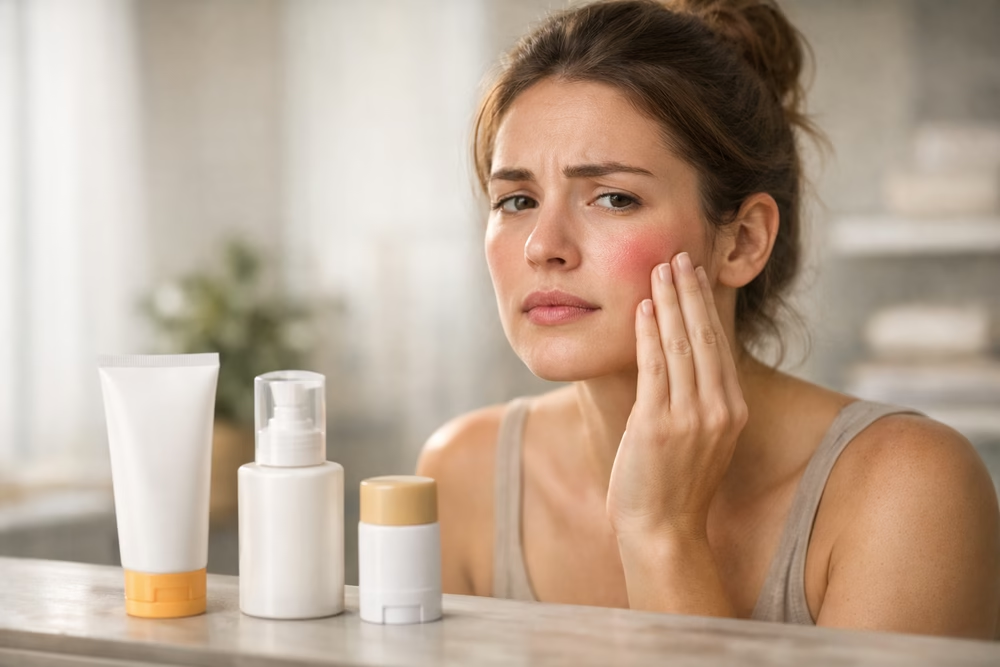
You put on sunscreen because you want to protect your skin.
Then it happens.
Your cheeks burn. Your eyes water. Your skin feels hot, tight, or itchy. Maybe your face turns red before you even step outside.
So now you’re wondering, why does sunscreen sting my face?
If you want to avoid stinging entirely, switch to a mineral sunscreen made for sensitive skin – no alcohol, no chemical filters.
The short answer is this: sunscreen can sting because your skin does not like something in the formula, or your skin barrier is already weak. Chemical sunscreen filters, fragrance, alcohol, strong skincare products, sweat, shaving, acne treatments, rosacea, eczema, and sunburn can all make sunscreen burn your face.
The good news?
You do not have to give up sunscreen. You just need to find the cause, calm your skin, and switch to a better routine.
Let’s fix it step by step.
Quick Answer: Why Does Sunscreen Sting My Face?
Sunscreen may sting your face because of irritating ingredients, such as chemical UV filters, fragrance, alcohol, or preservatives. It can also burn if your skin barrier is damaged from exfoliating acids, retinol, acne treatments, shaving, harsh cleansers, or sunburn.
For many people with sunscreen irritation, a fragrance-free mineral sunscreen works better. Look for zinc oxide or titanium dioxide on the label. These ingredients are often easier on sensitive skin.
If sunscreen burns your face every time, do not ignore it. Your skin is trying to tell you something.
Chemical filters are a common stinging cause.
Is It Normal for Sunscreen to Sting?
A tiny tingle for a few seconds can happen. That does not always mean danger.
But sunscreen should not hurt.
If your sunscreen causes strong burning, itching, swelling, rash, or watery eyes, something is wrong. Your skin may be irritated. You may also be reacting to one ingredient in that product.
This does not mean all sunscreens are bad for you. It often means that one formula is not a good match.
A Mild Tingle May Be Okay If:
- It lasts only a few seconds.
- It does not leave redness.
- It does not cause itching.
- It does not happen every time.
Stop Using It If:
- Your face burns for more than a minute.
- Your skin turns red or blotchy.
- You get bumps, rash, or hives.
- Your eyes sting badly.
- Your skin feels hot, swollen, or painful.
- You get the same reaction again and again.
- Your sunscreen should feel boring. That is the goal.
9 Reasons Sunscreen Stings Your Face
There is not one single cause. Sunscreen burning sensation on face can come from several things.
Let’s find your trigger.
1. Chemical Sunscreen Filters May Irritate Your Skin
Many popular sunscreens use chemical filters. These help protect your skin from UV rays. But some people find them irritating, especially on the face.
Common chemical sunscreen filters include:
- Avobenzone
- Oxybenzone
- Octinoxate
- Octocrylene
- Octisalate
- Homosalate
These ingredients are not “bad” for everyone. Plenty of people use them with no issue. But if you have sensitive skin, rosacea, eczema, or a weak skin barrier, they may sting.
This is one of the most common reasons people say, sunscreen burns my face.
What to Do
Try a mineral sunscreen instead.
Look for:
- Zinc oxide
- Titanium dioxide
- Fragrance-free
- Alcohol-free
- Sensitive skin formula
Mineral sunscreen often feels calmer on reactive skin. It is also a smart choice if sunscreen burns eyes or makes your face red.
2. Fragrance Can Trigger Burning and Redness
Fragrance makes sunscreen smell nice. But your skin may hate it.
This is a big issue for people with sunscreen irritation. Fragrance can cause burning, itching, redness, or a rash.
And here is the tricky part.
“Unscented” does not always mean fragrance-free. Some unscented products still use masking scents to hide the smell of ingredients.
What to Look For on the Label
Avoid products that list:
- Fragrance
- Parfum
- Essential oils
- Lavender oil
- Citrus oil
- Peppermint oil
- Eucalyptus oil
- Limonene
- Linalool
Choose fragrance-free sunscreen when possible.
If your face stings from many skincare products, this one change can help a lot.
3. Your Skin Barrier May Be Damaged
Your skin barrier is like a wall. It keeps moisture in and irritants out.
When that wall gets weak, sunscreen can sneak in and sting.
This is one of the biggest hidden reasons sunscreen stings your face.
Common Causes of a Weak Skin Barrier
- Over-exfoliating
- Using retinol too often
- Using acne treatments daily
- Harsh cleansers
- Scrubbing your face
- Shaving
- Sunburn
- Dry weather
- Hot water
- Using too many new products
When your barrier is damaged, even gentle products can burn. Moisturizer may sting. Cleanser may sting. Sunscreen may feel awful.
Signs Your Skin Barrier Is Weak
- Your face feels tight after washing.
- Your skin burns when you apply products.
- You have dry patches.
- Your face looks red or shiny.
- Your skin feels rough.
- You break out more than usual.
- Your skin reacts to almost everything.
If this sounds like you, do not keep switching sunscreens every day. First, repair your skin barrier.
4. You Applied Sunscreen Over Strong Skincare Products
Sunscreen may sting because of what you used before it.
Some skincare ingredients make skin more sensitive. Then sunscreen goes on top and burns.
Common Triggers
- Vitamin C
- Glycolic acid
- Lactic acid
- Salicylic acid
- Retinol
- Tretinoin
- Benzoyl peroxide
- Strong acne gels
- Alcohol-based toners
- Aftershave
- Scrubs
This does not mean you can never use these products. You just need to layer them with care.
Easy Fix
Try this morning routine:
- Wash with a gentle cleanser.
- Apply a simple moisturizer.
- Wait 5 to 10 minutes.
- Apply sunscreen.
Moisturizer gives your skin a soft buffer. It can make sunscreen feel much better.
If your face is already angry, pause strong products for a few days.
5. Alcohol in Sunscreen Can Burn
Some sunscreens feel light because they contain drying alcohol. This can help oily skin. It can also make sunscreen dry fast.
But on sensitive or dry skin, alcohol can burn.
Ingredients to Watch
Alcohol denat.
SD alcohol
Ethanol
Isopropyl alcohol
Not every alcohol is bad. Fatty alcohols like cetyl alcohol or stearyl alcohol are usually fine. They can even help soften skin.
The problem is the drying type.
Better Choice
If sunscreen stings your face, try a cream or lotion formula instead of a fast-drying gel.
Look for calming ingredients like:
- Glycerin
- Panthenol
- Ceramides
- Squalane
- Colloidal oatmeal
- Hyaluronic acid
These can help your skin feel less tight and less reactive.
6. You May Have Rosacea, Eczema, or Very Sensitive Skin
Some skin types react more easily.
If you have rosacea, eczema, or sensitive skin, sunscreen may sting even when the formula seems gentle.
Signs of Rosacea-Prone Skin
- Your face flushes easily.
- Your cheeks often look red.
- Heat makes your skin worse.
- Spicy food or sun can trigger redness.
- Your skin burns more than it itches.
Signs of Eczema-Prone Skin
- Dry patches
- Itching
- Flaking
- Cracked skin
- Rough texture
- Rash that comes and goes
If this sounds familiar, you may need a very simple sunscreen. In many cases, mineral sunscreen for sensitive skin is the best place to start.
7. Sunscreen May Be Getting Into Your Eyes
Sometimes the problem is not your whole face. It is your eyes.
Sunscreen can move during the day. Sweat, tears, oil, and rubbing can carry it into your eyes. Then your eyes burn, water, and sting.
This is very common with chemical sunscreen.
How to Stop Sunscreen From Burning Your Eyes
- Use a mineral sunscreen stick around your eyes.
- Do not apply sunscreen too close to your lash line.
- Wear sunglasses outside.
- Wear a hat.
- Choose water-resistant sunscreen if you sweat.
- Let sunscreen set before going outside.
- Avoid rubbing your eyes after applying sunscreen.
A sunscreen stick can be a game changer here. It stays in place better than many lotions.
8. You Put Sunscreen on Broken or Raw Skin
Sunscreen can burn if your skin is not fully healed.
This can happen after:
- Picking acne
- Shaving
- Waxing
- Threading
- Sunburn
- Chemical peel
- Scrubbing
- Razor burn
- Cuts
- Cracked dry patches
- Freshly popped pimples
Raw skin reacts fast. Even a good sunscreen may sting.
What to Do
Do not force sunscreen onto raw skin if it burns badly.
Use other sun protection while your skin heals:
- Wide-brim hat
- Sunglasses
- Shade
- Long sleeves
- Face covering
- UPF clothing
Once your skin feels calm, patch test a gentle mineral sunscreen.
9. You May Be Allergic to One Ingredient
Sunscreen allergy is less common than irritation. But it can happen.
An allergy often looks more like a rash than a simple sting.
Signs of Possible Sunscreen Allergy
- Itchy rash
- Red patches
- Swelling
- Hives
- Blisters
- Reaction hours later
- Reaction the next day
- Reaction that gets worse after sun exposure
- If this happens, stop using that sunscreen.
If the reaction is strong or keeps coming back, see a dermatologist. You may need patch testing to find the exact ingredient.
What to Do Immediately If Sunscreen Is Burning Your Face
When sunscreen burns, do not try to “push through.”
Take it off.
Your skin will calm faster if you act early.
Step 1: Wash It Off Gently
Use cool water and a mild cleanser.
Do not scrub. Do not use a face brush. Do not use hot water.
Pat your skin dry with a soft towel.
Step 2: Apply a Simple Moisturizer
Use a plain, fragrance-free moisturizer.
Pick something basic. This is not the time for brightening creams, acids, or anti-aging serums.
Good choices include moisturizers with:
Ceramides
Glycerin
Panthenol
Squalane
Colloidal oatmeal
If your skin feels raw, apply a thin layer of petrolatum on dry spots.
Step 3: Use a Cool Compress
Soak a clean cloth in cool water.
Place it on your face for 5 to 10 minutes.
This can help reduce heat and burning.
Step 4: Pause Strong Skincare for 2 to 3 Days
Stop using:
Retinol
Exfoliating acids
Vitamin C
Benzoyl peroxide
Scrubs
Peels
Strong toners
Fragrance products
Give your skin a break. The goal is calm, not glow.
Step 5: Watch for Serious Symptoms
Get medical help if you have:
Trouble breathing
Swelling of the lips, eyes, or face
Hives
Blisters
Severe pain
Dizziness
A rash that spreads fast
These signs may point to a stronger reaction.
DIY Sunscreen Sting Troubleshooting Plan
Now let’s build a simple plan.
This is for people who keep asking, why does sunscreen sting, even after trying different products.
Follow this for one week.
Day 1: Stop the Sting Cycle
Your goal is to calm your skin.
Morning
Rinse with cool water.
Skip cleanser if your skin feels raw.
Apply a gentle moisturizer.
Use a hat, sunglasses, and shade if sunscreen burns too much.
Night
Use a gentle cleanser.
Apply moisturizer.
Use a thin layer of petrolatum on dry or irritated spots.
Avoid
Makeup
Fragrance
Scrubs
Retinol
Acids
Hot water
Shaving irritated areas
New skincare
Do not test another sunscreen today. Let your skin breathe.
Days 2 and 3: Rebuild Your Skin Barrier
Your goal is to make your skin stronger.
Morning
Rinse with water or use a gentle cleanser.
Apply moisturizer.
Try mineral sunscreen only if your skin feels calm.
Wear a hat and sunglasses outside.
Night
Cleanse gently.
Apply moisturizer.
Add a thin balm layer on dry patches.
Use Simple Products
Your skin does not need a ten-step routine.
It needs boring care.
Choose products that are:
Fragrance-free
Gentle
Creamy
Made for sensitive skin
Low in active ingredients
Avoid anything that promises peeling, resurfacing, or instant glow. Save that for later.
Days 4 to 7: Patch Test a New Sunscreen
Now it is time to test. Do not apply a new sunscreen all over your face right away.
DIY Patch Test Method
Apply a small amount behind your ear or along your jawline.
Leave it on for 24 hours.
Check for burning, itching, redness, bumps, or rash.
If your skin looks fine, try it on one cheek the next day.
Wait another day.
If there is still no reaction, use it on your whole face.
This sounds slow. But it saves you from another full-face flare.
Best Type of Sunscreen If Your Face Stings
If your face burns from sunscreen, start with mineral sunscreen.
Look for zinc oxide or titanium dioxide as the active ingredients.
Best Sunscreen Features for Sensitive Skin
Fragrance-free
Mineral-based
Alcohol-free
SPF 30 or higher
Broad-spectrum
Cream or lotion texture
Non-comedogenic if acne-prone
Tinted if you hate white cast
Water-resistant if you sweat
A tinted mineral sunscreen can be very useful. It can reduce white cast and look more natural on many skin tones.
Chemical vs Mineral Sunscreen: Which Is Less Likely to Sting?
Both can protect your skin. But they feel different.
Mineral Sunscreen
Mineral sunscreen is often a better choice for people with sunscreen irritation.
It usually contains zinc oxide or titanium dioxide.
Best For
Sensitive skin
Rosacea-prone skin
Eczema-prone skin
Skin that burns easily
Eye-area stinging
Damaged skin barrier
People who react to chemical sunscreen
Possible Downsides
It can feel thicker.
It may leave a white cast.
It can pill under makeup.
Some formulas feel dry.
Still, it is often the safest first test if sunscreen burns your face.
Chemical Sunscreen
Chemical sunscreen usually feels lighter. It often blends in with no white cast.
Best For
People who hate thick sunscreen
People who want a clear finish
Daily indoor and outdoor wear
Deeper skin tones, if mineral sunscreen looks chalky
Possible Downsides
It may sting sensitive skin.
It may burn around the eyes.
It may contain fragrance or alcohol.
It may not work well for reactive skin.
If chemical sunscreen stinging keeps happening, switch to mineral.
How to Apply Sunscreen So It Does Not Sting
How you apply sunscreen matters.
A good product can still burn if you apply it the wrong way or layer it over irritating skincare.
The Sensitive Skin Sunscreen Method
Wash with a gentle cleanser.
Pat skin dry.
Apply moisturizer.
Wait 5 to 10 minutes.
Apply sunscreen in thin layers.
Do not rub hard.
Keep it away from your lash line.
Use a sunscreen stick around your eyes.
Let it set before makeup.
Reapply gently.
This method helps reduce friction and irritation.
Smart Eye-Area Trick
Use two sunscreens.
Use your regular face sunscreen on most of your face.
Use a mineral stick around your eyes.
This can stop sunscreen from running into your eyes when you sweat.
What Ingredients Should You Avoid If Sunscreen Burns?
If sunscreen makes your face red or burns, read the label.
You do not need to understand every ingredient. Just watch for common triggers.
Ingredients That May Cause Problems
Fragrance
Parfum
Essential oils
Alcohol denat.
SD alcohol
Oxybenzone
Avobenzone
Octinoxate
Octocrylene
Menthol
Citrus extracts
Peppermint oil
Eucalyptus oil
Strong botanical extracts
This does not mean every person must avoid all of them. But if you have reactive skin, these are good suspects.
Ingredients That May Feel Better
Zinc oxide
Titanium dioxide
Glycerin
Ceramides
Panthenol
Squalane
Colloidal oatmeal
Hyaluronic acid
Niacinamide, if your skin tolerates it
Keep in mind that even helpful ingredients can sting if your skin barrier is very damaged. Start slow.
Should You Stop Wearing Sunscreen If It Stings?
No, do not give up sun protection.
But do not keep using a sunscreen that hurts your face.
Switch the formula. Fix your skin barrier. Use hats and shade while your skin calms down.
Sun protection is more than sunscreen.
You can also use:
Wide-brim hats
Sunglasses
Shade
Umbrellas
Long sleeves
UPF clothing
Avoiding peak sun
If every sunscreen burns right now, use physical protection for a few days. Then patch test a gentle mineral sunscreen.
DIY Routine for Sunscreen-Sensitive Skin
Here is a simple routine you can follow.
No fancy steps. No harsh products. Just calm skin care.
Morning Routine
Rinse your face with cool water.
Use a gentle cleanser only if needed.
Apply a fragrance-free moisturizer.
Wait 5 to 10 minutes.
Apply mineral sunscreen SPF 30 or higher.
Use sunglasses and a hat outside.
Night Routine
Cleanse with a gentle cleanser.
Apply a simple moisturizer.
Use a thin layer of balm on dry spots.
Skip strong products until your skin feels normal.
Weekly Rules
Patch test every new sunscreen.
Do not try many new products at once.
Keep one safe sunscreen as your backup.
Use retinol and acids less often if your skin burns.
Do not scrub your face.
Do not apply sunscreen to wet skin unless the label says so.
Stop any product that causes repeat burning.
Common Mistakes That Make Sunscreen Sting More
Sometimes the sunscreen is not the only problem.
These habits can make burning worse.
Mistake 1: Applying Sunscreen on Wet Skin
Most sunscreens work best on dry skin.
If your face is wet, the product may spread into your eyes or sting more.
Pat your face dry first.
Mistake 2: Skipping Moisturizer
Dry skin is more likely to burn.
Moisturizer can act like a cushion. It helps your skin handle sunscreen better.
Mistake 3: Using Too Many Actives
Retinol, acids, acne products, and vitamin C can be useful. But too much can weaken your skin barrier.
If your sunscreen burns, simplify.
Mistake 4: Rubbing Too Hard
Do not drag sunscreen across your face.
Apply it gently. Press and smooth it in.
Friction can make sensitive skin flare.
Mistake 5: Applying Sunscreen Too Close to Your Eyes
Do not put lotion right on your lash line.
Use a mineral stick near your eyes instead.
Mistake 6: Thinking Higher SPF Means Gentler
SPF 50 is not always better for sensitive skin.
The formula matters more than the number.
Choose a sunscreen your skin can tolerate. A sunscreen you hate will sit unused.
Mistake 7: Ignoring Your Cleanser
If your cleanser leaves your face tight, it may be part of the problem.
A harsh cleanser can weaken your barrier. Then sunscreen stings.
Switch to a gentle, non-stripping cleanser.
How to Choose a Sunscreen That Does Not Burn
Use this checklist when shopping.
Sunscreen Shopping Checklist
Choose mineral if your skin is sensitive.
Look for zinc oxide or titanium dioxide.
Pick fragrance-free.
Avoid drying alcohol if your skin is dry.
Choose cream or lotion if your skin feels tight.
Choose non-comedogenic if you break out easily.
Try tinted mineral sunscreen if white cast bothers you.
Patch test before full-face use.
Buy a small size first if possible.
Do not chase trendy sunscreen if your skin is reactive. Choose calm over viral.
What If Sunscreen Burns Only After You Sweat?
This is usually a migration problem.
Your sunscreen mixes with sweat and moves into your eyes, mouth area, or small cracks in your skin.
Try This
Use water-resistant sunscreen.
Use mineral sunscreen around the eyes.
Apply sunscreen 15 minutes before sweating.
Wear a sweatband or hat.
Blot sweat instead of wiping.
Reapply after heavy sweating.
Avoid greasy formulas that move around.
If you exercise outdoors, a stick sunscreen can help. It stays put better in tricky spots.
What If Sunscreen Burns After Shaving?
Freshly shaved skin is more open and sensitive.
That makes sunscreen sting more.
Try This
Shave at night, not right before sunscreen.
Use a gentle shaving cream.
Avoid aftershave with alcohol.
Apply moisturizer after shaving.
Use mineral sunscreen the next morning.
Do not apply sunscreen over razor burn if it causes strong pain.
Give your skin time to recover.
What If Sunscreen Burns After Retinol?
Retinol can make skin dry and sensitive, especially when you first start using it.
If sunscreen burns after retinol nights, your skin barrier may need support.
Try This
Use retinol less often.
Apply moisturizer before and after retinol.
Avoid acids on the same night.
Use a gentle cleanser.
Use mineral sunscreen in the morning.
Pause retinol for a few days if your skin burns.
Retinol is not worth daily irritation. Healthy skin comes first.
What If Every Sunscreen Burns?
If every sunscreen burns, the issue may not be sunscreen alone.
Your skin may be inflamed, over-treated, or dealing with a skin condition.
Try This Reset for One Week
Use only three products:
Gentle cleanser
Fragrance-free moisturizer
Mineral sunscreen, if tolerated
If sunscreen still burns, use hats, shade, and sunglasses while you book a dermatologist visit.
You may need help with rosacea, eczema, allergy, or barrier damage.
FAQ: Sunscreen Stinging and Burning
Why does sunscreen burn my face but not my body?
Facial skin is thinner and more sensitive than body skin. Your face also gets more skincare products, shaving, acne treatments, exfoliation, and sun exposure. That makes it more likely to sting.
Why does sunscreen sting around my eyes?
Sunscreen can move into your eyes through sweat, oil, or rubbing. Chemical sunscreen filters often sting the eyes more than mineral filters. Try a mineral sunscreen stick around your eyes.
Is mineral sunscreen better for stinging?
Often, yes. Mineral sunscreen with zinc oxide or titanium dioxide is usually a better first choice for sensitive skin. It may also be better if sunscreen burns eyes.
Can sunscreen sting because of a damaged skin barrier?
Yes. A weak skin barrier can make almost any product sting. If your face burns from cleanser, moisturizer, and sunscreen, repair your barrier before testing more products.
What should I do if sunscreen gives me a rash?
Wash it off. Stop using that sunscreen. Keep your routine simple. If the rash is severe, itchy, swollen, blistering, or keeps coming back, see a dermatologist.
Can I be allergic to sunscreen?
Yes. But irritation is more common than allergy. Allergy may cause itching, rash, swelling, hives, or blisters. A dermatologist can help find the trigger.
Should I use sunscreen if my face is already irritated?
If your skin is raw or burning, focus on shade, hats, sunglasses, and protective clothing for a few days. Once your skin calms down, patch test a gentle mineral sunscreen.
Why does sunscreen make my face red?
It may be irritating your skin. Fragrance, alcohol, chemical filters, or strong skincare underneath can cause redness. Rosacea-prone skin may also flush after sunscreen.
Can I put moisturizer under sunscreen?
Yes. In fact, this can help a lot. Moisturizer can reduce dryness and make sunscreen less likely to sting.
How long should I wait after moisturizer to apply sunscreen?
Wait 5 to 10 minutes if your skin is sensitive. This gives your moisturizer time to settle.
Final Thoughts
Sunscreen should not feel like punishment.
If it stings, your skin may be reacting to the formula, your skincare routine, or a damaged barrier. The fix is not to quit sunscreen. The fix is to choose smarter.
Start simple.
Wash off the sunscreen that burns. Calm your skin. Pause strong products. Use a gentle moisturizer. Then patch test a fragrance-free mineral sunscreen with zinc oxide or titanium dioxide.
And if your skin keeps reacting, do not keep guessing forever. A dermatologist can help you find the real trigger.
Your best sunscreen is not the trendiest one.
It is the one your skin lets you wear every day.
For a list of dermatologist-recommended, sting‑free products, see our best mineral sunscreen for sensitive skin roundup.