Finding the right sunscreen is hard when your skin reacts easily. You might wonder why some sunscreens sting. You might ask if mineral sunscreen is gentler. You might also worry that chemical sunscreen is bad for your face.
People with sensitive skin face many daily choices. You want something that works well under makeup. You want a formula that leaves no white cast. You just want daily protection without the burn.
Mineral sunscreen often looks like the safer choice. But chemical sunscreen can feel lighter and more invisible on your skin. The right choice depends on your unique skin and your daily routine.
Please note that this guide helps you choose a sunscreen type. It does not diagnose skin problems. Always listen to your skin and consult a professional for severe reactions.
If you already prefer mineral formulas, we also created a review-based guide to the best mineral sunscreen for sensitive skin.
Quick Answer: Mineral vs Chemical Sunscreen for Sensitive Skin
Do you need a fast answer? Here is the short version.
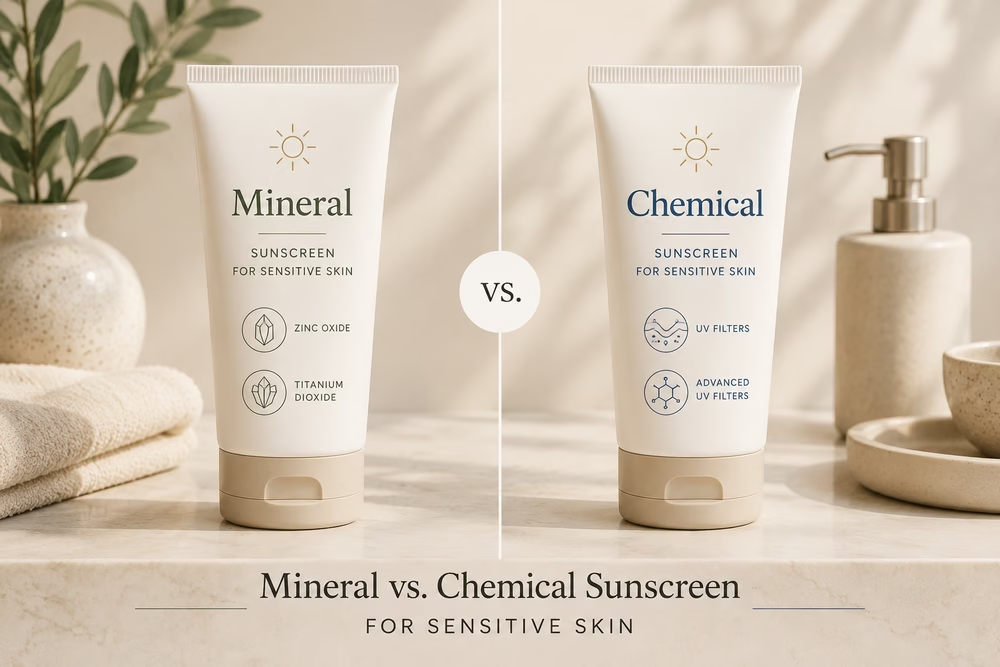
Mineral sunscreen is often the top pick for sensitive skin. It tends to be very gentle. Chemical sunscreen usually feels much lighter. It blends in and leaves no white mark.
However, mineral sunscreen can leave a chalky white cast. Chemical sunscreen might sting your eyes or irritate very reactive skin.
The best choice always depends on how your skin reacts. It also depends on the full ingredient list.
For very reactive skin, a simple mineral sunscreen is a great start. Look for zinc oxide or titanium dioxide without added fragrance. But if you hate heavy textures, a gentle chemical or hybrid sunscreen might be easier to wear every day.
Chemical filters are a common stinging cause.
What Is Mineral Sunscreen?
Mineral sunscreen is also called physical sunscreen. It uses natural earth minerals to protect your face.
Common mineral filters
You will mostly see two active ingredients on the label. These are zinc oxide and titanium dioxide.
How mineral sunscreen works
Mineral sunscreen sits right on top of your skin. It forms a physical shield. This shield helps protect your skin from UV rays. It blocks and scatters the sun away from your face to keep your skin safe.
Why sensitive-skin users often like it
Many people with reactive skin love mineral options. These formulas are often free of strong fragrances. They are less likely to cause a stinging feeling. They are a very common choice for easily upset skin. Many users just prefer the simple feel over chemical filters.
Common downsides
Mineral sunscreens do have a few flaws. They often leave a white cast on the skin. The texture can feel thick and heavy. They might pill or roll up if you rub them too hard. Some formulas leave a chalky finish or feel a bit drying. They can also be hard to blend on deeper skin tones.
What Is Chemical Sunscreen?
Chemical sunscreens use different active parts. They absorb UV rays to keep your skin safe. You might see these names on the bottle:
- Avobenzone
- Octocrylene
- Octisalate
- Homosalate
- Oxybenzone
- Octinoxate
How chemical sunscreen feels
These lotions often feel very light. They blend into your skin fast. They leave no white mark behind. This makes them look clear on your face. Many people love them for daily wear. They also work great under makeup.
Why some sensitive-skin users avoid it
Some people find that these filters sting their eyes. Added scents can also cause trouble. A few lotions might upset very reactive skin. But not all chemical sunscreens are harsh. Many gentle options exist today.
Common downsides
Eye stinging is a common complaint. Some formulas cause mild redness. Strong scents are often an issue. Some users dislike the shiny finish. These lotions might not suit highly reactive skin.
Mineral vs Chemical Sunscreen: Key Differences
Let us look at the main differences. This helps you pick the right bottle.
Filters
Mineral sunscreens use zinc oxide or titanium dioxide. Chemical sunscreens use organic UV filters.
Skin feel
Mineral options can feel a bit thick. Chemical options often feel much lighter.
White cast
Mineral formulas often leave a white cast. Chemical formulas usually blend in and stay clear.
Sensitive skin comfort
Mineral sunscreen is a safe start for reactive skin. Chemical sunscreen works well if the full formula is gentle.
Eye stinging
People often blame chemical filters for eye stinging. But mineral sunscreens can also sting your eyes. The full ingredient list matters most.
Makeup compatibility
Chemical sunscreens often layer well under makeup. Mineral sunscreens might pill if you rub them fast.
Outdoor use
Both types work well outside. Just pick a broad-spectrum SPF 30 or higher. Always reapply as needed.
Which Sunscreen Is Better for Sensitive Skin?
The right choice depends on your daily life. The full formula matters more than just the filter type. A gentle chemical sunscreen might beat a harsh mineral one. Always read the full label.
Choose mineral sunscreen if…
- Your skin reacts very easily.
- Sunscreen often burns or stings your face.
- You prefer simple zinc oxide or titanium dioxide.
- You want a basic fragrance-free option.
- You do not mind a thicker feel.
- You do not mind a slight white cast.
Choose chemical sunscreen if…
- You really hate the white cast.
- You want a very light finish.
- You wear makeup every single day.
- Mineral sunscreen feels way too heavy.
- Your skin handles chemical filters just fine.
- You found a gentle, fragrance-free chemical formula.
Consider hybrid sunscreen if…
You might want to consider hybrid sunscreen. Hybrid sunscreens use both mineral and chemical filters. This mix often gives a great balance. You get good protection with a smoother feel.
Sensitive Skin Buying Checklist
Shopping for sunscreen can feel like a guessing game. Use this simple list to find a good match. Sensitive skin is highly personal, so take your time reading labels.
- Broad-spectrum SPF 30 or higher: This blocks both UVA and UVB rays.
- Fragrance-free: Skip added scents to keep your skin calm.
- Low or no alcohol: High alcohol content can dry out your face.
- Non-comedogenic: This means the lotion will not clog your pores.
- Water-resistant: Pick this if you sweat or spend time outdoors.
- Tinted options: A tint helps hide the dreaded white cast.
- No essential oils: Natural oils can still upset reactive skin.
If you want to skip the guesswork, check out our review-based mineral sunscreen picks. Real user feedback makes shopping much easier.
Common Sunscreen Problems and What They Mean
Sometimes a sunscreen just does not work out. Here is what common issues usually mean.
My sunscreen stings
Stinging happens for a few reasons. The bottle might contain hidden fragrances. You might be sensitive to a specific UV filter. Your skin barrier might just need a break. You could also apply it too close to your eyes. Strong skincare serums used right before sunscreen can also cause a sting.
My sunscreen leaves a white cast
This is very common with mineral formulas. The zinc sits on top of your skin. Look for a tinted version to fix this problem.
My sunscreen pills
Pilling means the lotion rolls up into little balls. You might use too many skincare layers. Rubbing your face instead of patting it causes pilling. You might not wait long enough between products. Your daily moisturizer might just clash with the sunscreen.
My sunscreen makes me greasy
The formula might be too rich for your skin type. You might put it over a very heavy cream. Try a lightweight gel or fluid next time.
My sunscreen dries me out
Matte formulas often cause dry skin. Heavy mineral textures can also pull moisture away. Make sure you use a good moisturizer underneath.
How to Patch Test Sunscreen Before Daily Use
Sensitive skin is deeply personal. Patch testing is always a smart move. It saves you from a full-face reaction. Follow these easy steps before you commit to a new bottle.
Step 1: Pick a hidden spot
Put a small amount behind your ear. You can also use the skin along your jawline.
Step 2: Wait a full day
Leave the spot alone for 24 hours. Keep it dry and clean.
Step 3: Check your skin
Look closely at the patch. Check for redness, itching, or small bumps. Notice any burning or swelling.
Step 4: Try a small face patch
If the first spot looks fine, try a small area on your cheek. Wear it for a few hours.
Step 5: Stop if it hurts
Wash it off right away if your skin feels upset. Do not push through the burn.
Please note: If you deal with frequent skin reactions, always ask a dermatologist before trying new skincare products.
So, Which One Should You Pick?
Your daily routine decides your best match. Here is a quick guide to help you choose.
For very sensitive or reactive skin
Start with a simple mineral sunscreen. Pick a fragrance-free option to keep your face calm.
For oily sensitive skin
Look for a lightweight formula. A fluid mineral, chemical, or hybrid option works well to keep pores clear.
For dry sensitive skin
Look for a hydrating sunscreen. A rich cream or lotion texture adds moisture to your day.
For deeper skin tones
Consider a tinted mineral sunscreen. A clear chemical sunscreen also works well if you hate the white cast.
For outdoor work
Choose a broad-spectrum SPF 30 or higher. Pick a water-resistant bottle. Comfort matters if you work outside, wash cars, detail vehicles, mow the lawn, or do weekend garage projects. The best sunscreen is the one you will actually reapply without hating it.
FAQs About Mineral vs Chemical Sunscreen
Is mineral sunscreen always better for sensitive skin?
No. It is often a safe start. But the full ingredient list matters most.
Is chemical sunscreen bad for sensitive skin?
Not always. Many people with sensitive skin use gentle chemical formulas just fine.
Which sunscreen is less likely to sting eyes?
Many users prefer mineral filters around the eyes. But no formula is totally sting-free.
Which sunscreen is better under makeup?
Chemical sunscreens often blend easier. But some light mineral lotions also work well as a base.
Why does mineral sunscreen leave a white cast?
Mineral filters sit on top of your skin. This leaves a visible mark in untinted bottles.
Is tinted mineral sunscreen better?
A tint helps hide the white cast. Just make sure the shade matches your skin tone.
Can I use mineral sunscreen every day?
Yes. You can use it daily if your skin likes it and you apply it right.
Should I choose SPF 30 or SPF 50?
SPF 30 or higher is a great daily goal. SPF 50 helps for long outdoor days. Just remember to reapply often.
Final Verdict
Finding the right sun protection does not have to be hard. Mineral sunscreen is often the easiest starting point for reactive skin. But chemical sunscreen is not automatically bad.
The best choice is the one your skin tolerates. It should give broad-spectrum SPF 30 or higher. Most importantly, it must feel comfortable enough to wear every single day.
If mineral sunscreen sounds like the better fit for your face, we can help. Check out our review-based guide to the best mineral sunscreen for sensitive skin. We read real user feedback to help you skip the guesswork.
Take your time. Patch test your new bottle. Enjoy the sun with happy, calm skin!