
A shaking steering wheel at low speed feels small at first. Then it starts to bother you every time you drive. The good news is this problem often starts with something simple. A tire may be low. Dirt may be packed inside a wheel. A tire may have worn in a strange pattern.
Still, do not brush it off.
A steering wheel that shakes at low speeds can also point to a bigger issue. Worn steering parts, brake trouble, or a bad wheel bearing can all cause it. Some of those problems can turn serious fast.
This guide will help you narrow it down. You will learn the most common causes, what you can safely check at home, and when it is smart to stop guessing and get expert help.
🛞 Drive With Comfort & Style | Recommended Car Wheel Covers 🛞
Premium steering wheel covers – velvet, leather, ergonomic grip & lasting protection

Wheel Cover (Velvet)

Steering Wheel Cover

Wheel Cover

Wheel Cover
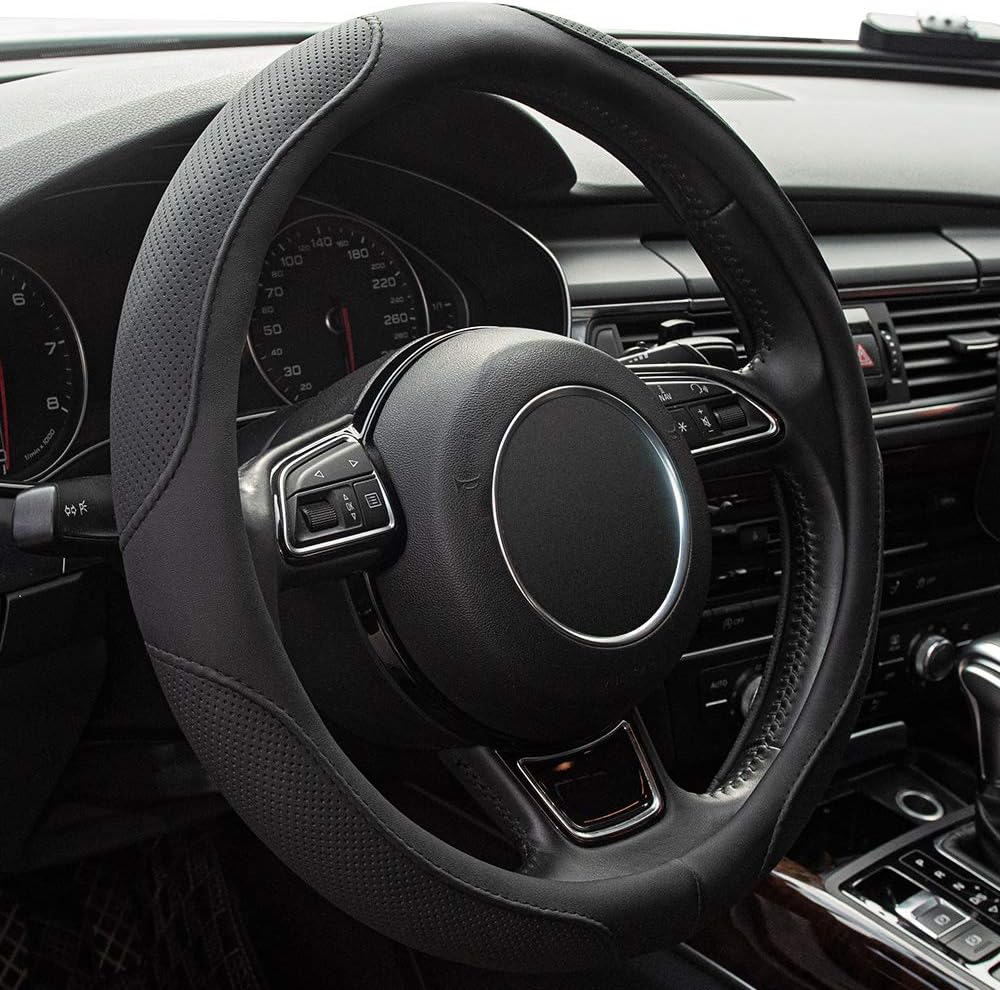
Steering Wheel Cover
Is It Safe to Drive if the Steering Wheel Shakes at Low Speeds?
Sometimes the shake is mild. The car still tracks straight. The brakes feel normal. In that case, you may be dealing with a tire or wheel issue.
But not every shake is harmless.
If the steering feels loose, the wheel wobbles hard, or the car pulls to one side, take it seriously. The same goes for clunking sounds, grinding, or a strong shake when you brake. Those signs can mean the problem is no longer small.
A good rule is simple. If the vibration feels worse than a light nuisance, do not keep driving and hope it goes away. Small problems often get bigger. Bigger problems cost more.
What Causes a Steering Wheel to Shake at Low Speeds?
Low-speed steering wheel shake usually comes from one of five areas:
- Tires
- Wheels
- Brakes
- Steering parts
- Suspension parts
In plain terms, something up front is no longer moving the way it should. It may be out of shape, out of balance, worn out, or loose.
Here are the most common causes.
Common Causes of Steering Wheel Shake at Low Speeds
Uneven Tire Wear or Tire Damage
This is one of the most common causes. If the tire tread wears unevenly, the tire stops rolling smoothly. That rough roll shows up in your hands through the steering wheel.
You may also have a tire with a flat spot, sidewall bulge, or internal damage. That can happen after a hard hit, long parking periods, or driving with the wrong air pressure.
Look for signs like:
- Choppy tread
- One edge wearing faster than the other
- A bulge on the sidewall
- A tire that looks normal but feels bumpy on the road
If the shake started after the car sat for a long time, flat spots are a strong clue.
Tire Balance Problems
A balance issue often gets worse at higher speeds. But mild balance trouble can still show up at low speed, especially if the problem is in a front wheel.
This can happen after a tire change, a pothole hit, or when a wheel weight falls off. If the shake started right after tire work, poor balancing deserves a close look.
Bent Wheel or Damaged Rim
A bent wheel can cause a shake almost right away. You may notice it after hitting a pothole, curb, or broken road edge.
The wheel does not need a huge dent to cause trouble. Even a small bend can make the tire roll with a wobble. At low speed, you may feel that wobble through the steering wheel before you hear anything else.
Wrong Tire Pressure
Low air pressure changes how the tire rolls and flexes. If one front tire is much lower than the other, the steering can feel shaky or uneasy.
Too much air can also make the ride harsh and twitchy. This is why checking tire pressure is always a smart first step. It is fast, easy, and often overlooked.
Loose Lug Nuts
This is rare, but very serious. If the lug nuts on a wheel are loose, the wheel may not sit tight against the hub. That can cause a wobble and a shake in the steering wheel.
This issue matters most if the wheel was removed recently for tire, brake, or suspension work.
If you suspect this, do not guess. Have it checked right away.
Brake Rotor Trouble or Brake Drag
If the steering wheel shakes most when you brake, the brakes move near the top of the list. A rotor that is no longer smooth can send a pulsing feel into the steering wheel. A sticking brake part can also make one wheel drag and create a low-speed shake.
A clue here is timing. If the shake gets worse as you slow down and press the brake pedal, the brakes may be part of the story.
Worn Tie Rods, Ball Joints, or Bushings
These parts help keep the front end stable. When they wear out, the wheel can develop play. That looseness can show up as shake, wander, or clunking over bumps.
You may also notice the car feels less planted than before. The steering may feel vague instead of clean and direct.
Bad Wheel Bearing
A wheel bearing helps the wheel spin smoothly. When it starts to fail, you may feel vibration, hear a hum, or notice a rough sound that changes when you turn.
At first, the signs can be easy to miss. Over time, they get louder and more obvious.
Debris Packed Inside the Wheel
Sometimes the answer is almost funny. Mud, gravel, tar, or packed dirt can cling to the inside of a wheel and throw off the way it spins. That small change can feel like a much bigger issue.
This is more common after driving through mud, road work, or standing water.
Other Steering or Suspension Problems
If the easy checks do not explain the shake, the issue may come from a deeper front-end problem. A worn strut, damaged mount, or steering rack issue can also create low-speed vibration.
These problems are harder to confirm at home. If you reach this point, a proper inspection usually saves time and money.
Low-Speed Shake vs High-Speed Vibration: What the Difference Means
The speed of the shake tells you a lot.
A shake at low speed often points to a damaged tire, bent wheel, worn front-end part, or brake drag. These problems can show up early, even before the car gets fast.
A vibration that starts only at highway speed often points to tire balance or tire shape problems.
A shake that appears mostly when braking usually points to the brake system.
That is why it helps to ask one simple question: When does the shake happen most? Your answer narrows the list fast.
DIY Diagnosis Checklist: Safe Checks You Can Do at Home
Before you spend money, run through these checks. They are simple and low risk. They can help you spot the obvious before you book a repair.
Step 1: Notice Exactly When the Shake Happens
Start with the pattern. Does it happen:
- Only at low speed?
- Only when braking?
- Only when turning?
- Right after hitting bumps?
- All the time, but worse in a certain speed range?
Do a short drive on a safe road and pay attention. The pattern matters more than most people think.
Step 2: Check Tire Pressure
Check all four tires when they are cold. Use the pressure listed on the driver door sticker, not the number printed on the tire sidewall.
If one front tire is much lower than the other, fix that first. Then test drive again. A simple air adjustment can change the feel of the whole car.
Step 3: Inspect the Tires Closely
Walk around the car and inspect each tire.
Look for:
- Low tread on one edge
- Choppy or cupped tread
- Bulges
- Cracks
- Embedded objects
- Flat-looking spots
Run your hand lightly across the tread if the tire is cool and clean. If it feels saw-toothed or rough in one direction, uneven wear may be causing the shake.
Step 4: Look at the Wheels
Check each wheel for visible damage. Pay close attention to the inner side if you can see it. The outer face may look fine while the inner rim is bent.
Also look for packed mud or road grime inside the wheel. If you see heavy buildup, clean it off and test drive again.
Step 5: Think Back to Recent Work
Did the shake start after:
- New tires
- A tire repair
- Brake work
- Hitting a pothole
- A curb strike
Recent changes matter. A shake that begins right after service or a hard impact usually points to the area that was touched.
Step 6: Test Whether Braking Changes the Symptom
Drive at a low speed in a safe area. Apply the brakes gently. If the steering wheel shakes more during braking, the brake system may be involved.
If the shake stays the same whether you brake or not, the cause may be in the tires, wheels, or steering parts instead.
Step 7: Listen for Noise
Noise adds context. A hum or growl can point to a wheel bearing. A clunk over bumps can point to worn front-end parts. A scraping sound may point to brake drag or debris.
Do not ignore sound. Vibration and noise often arrive together.
Step 8: Check for Heat After a Short Drive
After a short drive, one wheel should not feel much hotter than the others. A hot wheel can suggest brake drag.
Do not touch brake parts directly. They can get very hot. If you suspect this, have it checked.
Step 9: Rotate the Tires if You Already Planned to Do It
If your tires are due for rotation and your vehicle setup allows it, a tire move can help reveal the cause. If the steering wheel shake changes or moves, the tire or wheel becomes more likely.
If you are not sure about the right rotation pattern, skip this step and ask a tire shop.
Step 10: Stop if the Car Feels Unstable
If the steering feels loose, the wobble gets strong, or the car feels unsafe, end the DIY phase. At that point, the goal is no longer saving money. It is avoiding a bad outcome.
DIY Fixes You Can Try at Home
These are the safest fixes for most drivers. They do not require deep repair work or special training.
Correct the Tire Pressure
This is the fastest fix on the list. Set all four tires to the correct pressure. Then drive the car again.
If the shake improves, you found part of the problem. If it returns soon, one tire may have a slow leak.
Clean Debris from the Wheels
If mud or packed dirt is stuck inside a wheel, clean it out. This can make a big difference. You do not need much buildup to throw off a wheel.
Be thorough. The hidden inner side matters most.
Replace a Damaged Tire
A tire with a bulge, broken shape, or severe uneven wear needs replacement. Do not try to stretch its life. A damaged tire does not heal itself.
This is one of those times where waiting only raises the risk.
Rebalance the Wheels
If the shake started after new tires or if a wheel weight is missing, wheel balancing is a smart next step. It is usually quick and cheaper than replacing parts you may not need.
Get an Alignment if the Tires Show Uneven Wear
Alignment does not always cause a shake by itself. But poor alignment can wear the tires in a way that later creates vibration. If the tread wear looks uneven, check alignment along with tire condition.
Repair Brake Issues if the Shake Happens While Braking
If braking changes the shake, the brake system needs attention. That may mean a rotor issue, a sticking brake part, or uneven wear in the brake setup.
Brake repair affects safety. If you are not experienced, this is best left to a pro.
Replace Worn Front-End Parts
If the cause turns out to be a worn tie rod, ball joint, bearing, or bushing, fix it sooner rather than later. These parts support control and stability. Once they wear past a certain point, the car will not drive the same.
This is not the place for guesswork.
Tools That Help With Basic Checks
You do not need a full shop to do the safe checks in this guide. A few simple tools help a lot:
- Tire pressure gauge
- Flashlight
- Clean rag
- Gloves
- Tread depth gauge
- A notebook or phone to track symptoms
If a fix requires lifting the vehicle, working near brake parts, or checking steering play under the car, use caution. If you are not trained or you do not have the right gear, let a qualified technician handle it.
When You Should Not DIY This Problem
There is a point where doing more at home stops being smart.
Do not keep chasing the issue yourself if:
- The steering feels loose
- The car pulls hard to one side
- The wheel shakes hard, not lightly
- You hear clunks, grinding, or metal sounds
- The shake gets worse quickly
- Braking feels rough or the pedal pulses hard
- One wheel looks like it is wobbling
- You suspect a wheel bearing or front-end part has worn out
A shaking steering wheel is annoying when the cause is small. It is dangerous when the cause is not.
Repair Costs for Common Causes
Costs vary by car, shop, and area. But here is the rough picture.
A tire rebalance is often one of the cheapest fixes. Replacing a tire costs more, but it may still be far cheaper than ignoring the problem and damaging other parts.
A bent wheel may be repaired or replaced, depending on the damage. Brake work usually lands in the middle. Front-end parts and wheel bearings can cost more because labor adds up fast.
The biggest money saver is correct diagnosis. The more clearly you describe the symptom, the less likely you are to pay for the wrong fix.
How to Prevent Steering Wheel Shake at Low Speeds
Prevention is not fancy. It is basic care done on time.
Check Tire Pressure Monthly
Tires lose air over time. A quick pressure check keeps wear even and helps the car roll the way it should.
Rotate Tires on Schedule
Rotation helps the tires wear more evenly. Even wear lowers the chance of vibration.
Avoid Potholes and Curbs
You cannot dodge every road hazard. But the big hits matter. Many low-speed shake problems begin with one hard impact.
Fix Small Issues Early
A faint shake is easier to solve than a strong wobble. If the car starts to feel different, pay attention early.
Do Not Ignore Tire Wear
A worn tire often tells a story. If one edge wears faster, the car is trying to tell you something. Listen before the shake grows.
Quick Answer
If your steering wheel shakes at low speeds, the most likely causes are uneven tire wear, a damaged tire, a bent wheel, brake trouble, or worn steering parts. Start with the easy checks first. Check tire pressure. Inspect the tires. Look for wheel damage and packed debris. Notice whether braking changes the symptom. If the steering feels loose or the shake gets worse, stop driving and get it inspected.
Frequently Asked Questions
Why does my steering wheel shake only at low speeds?
Low-speed shake often comes from tire damage, bent wheels, brake drag, or worn front-end parts. These issues can show up before the car reaches highway speed.
Can bad alignment cause steering wheel shake at low speeds?
Alignment alone does not always create a shake. But it can wear the tires unevenly. Once the tire shape changes, the steering wheel may start to vibrate.
Is it dangerous if my steering wheel shakes at 20 mph?
It can be. A mild shake may come from a tire or wheel issue. A stronger wobble can point to something more serious, like a worn steering part or loose wheel setup.
Why does my steering wheel shake when I brake at low speed?
That often points to brake trouble. A rotor issue or brake drag can send vibration into the steering wheel as you slow down.
Can a bad tire cause steering wheel vibration at low speed?
Yes. A tire with uneven wear, a bulge, a flat spot, or internal damage can easily cause low-speed vibration.
Should I balance or align the wheels first?
If the main symptom is vibration, check tire condition and wheel balance first. If the tires show uneven wear or the car pulls, alignment should also be checked.
Final Thoughts
Do not guess and throw parts at the problem. Start with the easy clues. Look at the tires. Check the air pressure. Notice when the shake happens. Think back to recent service or road impacts.
That simple process can save you time, money, and stress.
And if the steering feels loose, the wobble gets strong, or the brakes feel wrong, do not wait. A smooth ride matters. But safe control matters more.