A pressure washer can save you hours of work. It blasts away dirt fast. But when the nozzle gets blocked, that power drops right away. The spray weakens. The pattern looks strange. Sometimes the machine even starts pulsing or sputtering.
The good news is this problem is often easy to fix.
In many cases, a clogged pressure washer nozzle only needs a simple cleaning. You do not need special skills. You do not need a full repair. You just need to know what to check, what to clean, and what to avoid.
In this guide, you will learn how to unclog a pressure washer nozzle step by step. You will also learn what causes the blockage, how to spot the warning signs, and what to do if cleaning the tip does not solve the problem. By the end, you should know whether your pressure washer nozzle clogged from dirt, soap, or mineral buildup—and how to get it working again.
What Causes a Pressure Washer Nozzle to Clog?
A pressure washer nozzle has a very small opening. That tiny space helps create the strong spray you need. But it also means even a little debris can cause trouble.
The most common cause is dirt. Small bits of sand, grit, or debris can move through the water supply and get stuck in the spray tip. This often happens when the garden hose is dirty or the water source is not clean. If the inlet filter is missing or clogged, more debris can slip through and reach the nozzle.
Mineral buildup is another big reason. If you live in an area with hard water, calcium and lime can collect inside the tip over time. This buildup is slow, so many people do not notice it right away. At first, the pressure may seem only a little weaker. Then the spray pattern starts to change. Soon, the pressure washer nozzle not spraying right becomes an obvious problem.
Soap residue can also block the opening. If you use detergent and do not flush the machine well after each job, dried soap can stay inside the tip. That residue gets sticky. Then it traps more dirt and makes the clog worse.
In some cases, rust or worn parts add to the problem. Older fittings, damaged hoses, or low-quality connections can shed tiny particles. Those bits may not seem like much, but they can easily block a narrow spray tip.
Storage matters too. If water sits inside the machine for too long, leftover residue can dry out and harden. Cold weather can make things even worse. Poor storage habits often lead to a pressure washer tip clogged the next time you need it most.
The wrong tip can also confuse the issue. A nozzle that does not match the machine can cause weak pressure, poor spray shape, or strange performance. It may not always be blocked, but it can feel like it is.
That is why it helps to start with the nozzle first. It is one of the simplest parts to inspect. It is also one of the most common reasons people notice sudden pressure loss.
How to Unclog a Pressure Washer Nozzle Quickly
If your pressure washer suddenly loses force, do not panic. In many cases, you can fix the issue in a few minutes.
Start by turning off the machine. If it is electric, unplug it. If it is gas-powered, shut off the engine. Then turn off the water supply. This step matters because you never want to remove a spray tip while the system still has pressure inside.
Next, squeeze the trigger on the wand to release any trapped pressure. This helps you work safely and makes it easier to remove the tip.
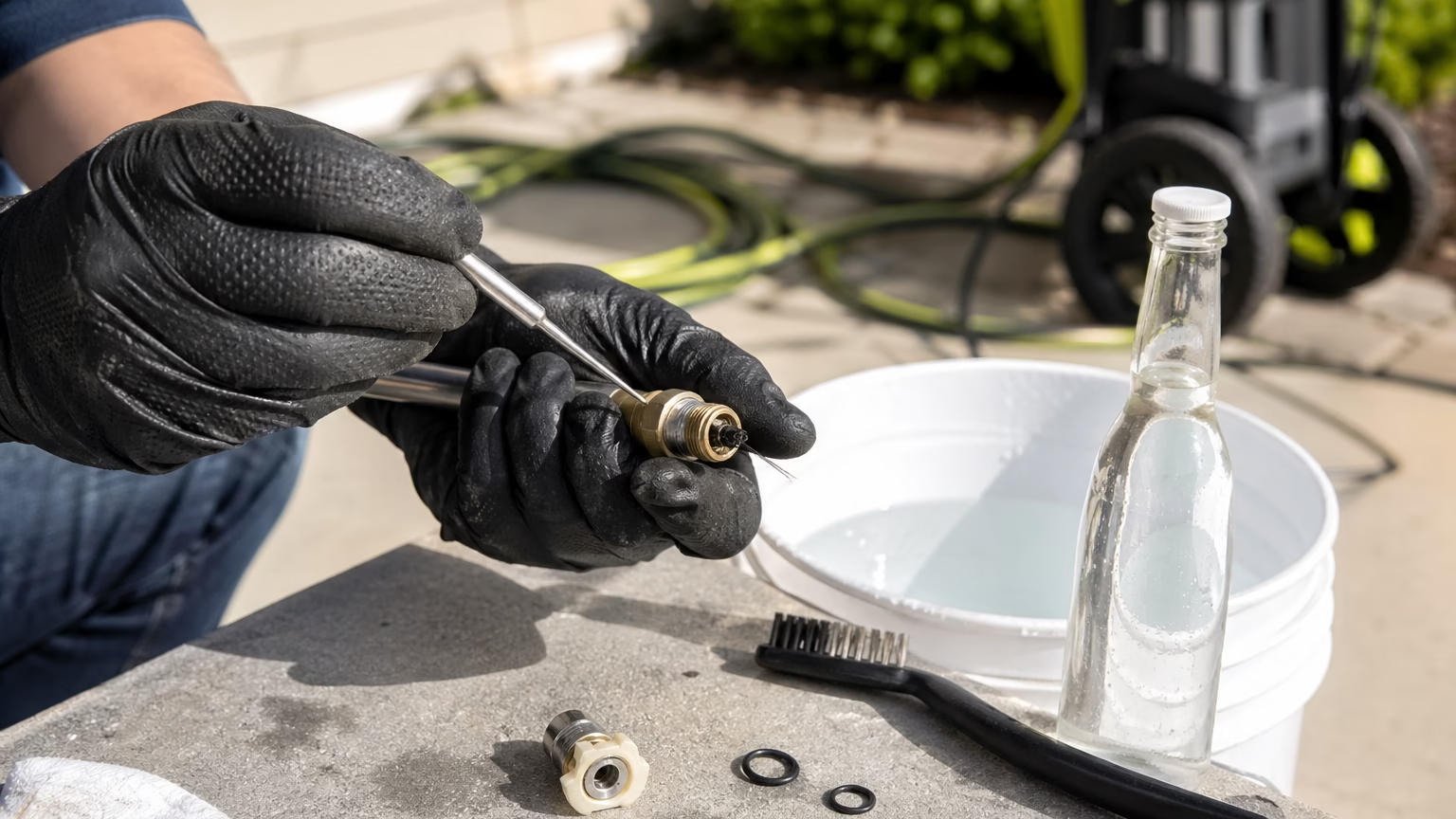
Now remove the nozzle. Many machines use quick-connect tips, so you can pull back the collar and slide the nozzle out. Other models may need you to unscrew the tip. Once it is off, hold it up to the light and check the opening. If you see dirt, dried soap, or buildup, you have likely found the problem.
Use a proper nozzle cleaning tool or a fine tip cleaner to clear the blockage. Be gentle. Do not jam the tool into the hole. You only want to loosen the debris, not damage the opening. This part is important because even slight damage can change the spray pattern and lower cleaning power.
After that, rinse the nozzle with clean water. Flush out any loose debris. If the tip still looks blocked, soak it in white vinegar for a while. This works well for mineral scale and dried residue. Once the soak is done, rinse it again and check the opening one more time.
Reinstall the nozzle and make sure it fits securely. Turn the water back on first. Then start the machine and test the spray. If the pattern looks even and the pressure returns, the fix worked.
This simple process solves many cases of pressure washer nozzle clogged by dirt or buildup. It is fast, low-cost, and worth trying before you look at bigger repairs.
Signs Your Pressure Washer Nozzle Is Clogged
A clogged nozzle does not always stop the machine completely. Sometimes the warning signs are subtle at first. If you know what to watch for, you can catch the problem early.
The first sign is usually weak pressure. The machine still runs, but the spray feels soft or less focused. Jobs take longer. Dirt that should wash off easily stays stuck. If your pressure washer nozzle blocked the water flow even a little, you will feel the difference right away.
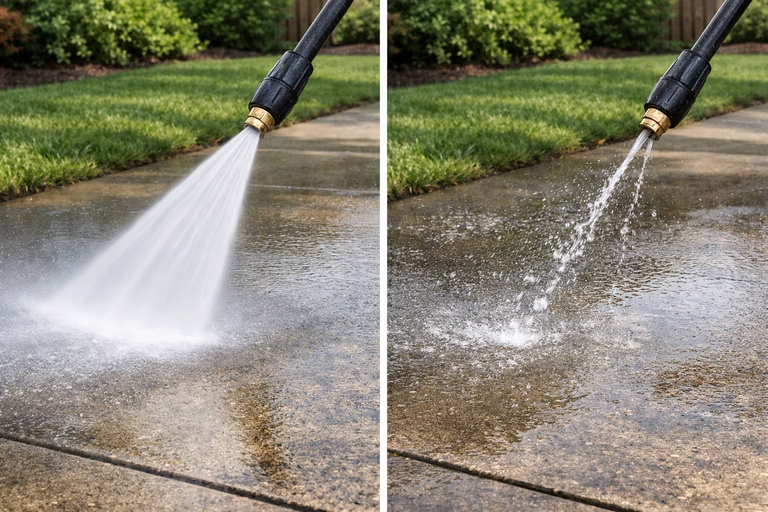
Another common sign is an uneven spray pattern. Instead of a clean fan shape, the water may shoot out at an odd angle. It may look crooked, split, or patchy. This often means something is stuck inside the tip and throwing off the flow.
Pulsing is another clue. If the spray surges on and off, the blockage may be partial rather than complete. Water still gets through, but not in a steady way. Many people assume this means the whole machine is failing. Often, the fix is much simpler.
In some cases, the nozzle barely sprays at all. Water may trickle out or stop completely. This can happen when the tip is fully blocked by debris or heavy mineral buildup. If that happens, the spray tip should be the first thing you inspect.
You may also notice that the machine sounds normal, yet the cleaning power is poor. That is a key clue. When the motor runs but the spray stays weak, the issue may be at the end of the wand rather than deep inside the pump.
Still, not every pressure problem comes from the nozzle. A kinked hose, low water supply, dirty inlet filter, or wrong tip can create similar symptoms. That is why it helps to inspect the nozzle first, then move outward if the issue remains.
When you spot these warning signs early, pressure washer nozzle cleaning is usually quick and easy. Waiting too long can make the clog worse and waste time during your next job.
Safety First Before Cleaning a Pressure Washer Nozzle
Before you touch the nozzle, make sure the machine is safe to handle. This step is easy to skip. But it matters more than most people think.
A pressure washer holds force inside the system even after you turn it off. If you remove the tip too soon, water can burst out fast. That can hurt your hand or face. It can also send the nozzle flying.
Taking one extra minute now can save you a bigger problem later.
Why you need to release pressure first
A blocked spray tip traps pressure in the wand. That trapped force does not disappear right away. Even if the motor is off, the line may still hold pressure.
That is why the first real step in pressure washer nozzle cleaning is not the pin or the vinegar. It is releasing that built-up pressure in a safe way.
Turn off the machine. Shut off the water. Then squeeze the trigger until no more water comes out. This helps clear the pressure and makes the tip safer to remove.
Basic safety steps before you start
Keep it simple. Follow these steps every time:
- Turn off the pressure washer
- Unplug the unit if it is electric
- Shut off the engine if it is gas-powered
- Turn off the water supply
- Squeeze the trigger to release trapped pressure
- Let hot parts cool down before touching them
- Wear gloves if you want a better grip
- Use eye protection in case debris comes loose
These steps only take a minute or two. They make the job much safer.
What not to do
A lot of nozzle damage happens because people rush. They grab the wrong tool. They clean the tip while the machine is still under pressure. Or they force the blockage instead of loosening it.
Avoid these mistakes:
- Do not remove the nozzle while the system is pressurized
- Do not point the wand at yourself or anyone else
- Do not use a large nail, knife, or drill bit to clear the opening
- Do not force a tool into the nozzle
- Do not ignore a cracked or worn spray tip
If the pressure washer nozzle not spraying right, slow down and inspect it first. A careful fix works better than a rough one.
Tools and Supplies You’ll Need
You do not need a full toolbox for this job. In most cases, a few simple items are enough.
The goal is not to force the clog out. The goal is to clear it without damaging the tiny opening inside the tip. That means the right tool matters.
Basic tools for cleaning a pressure washer nozzle
Start with the basics. These are the most helpful items to keep nearby:
- A nozzle cleaning tool or tip cleaner
- A bucket of clean water
- A soft brush or old toothbrush
- A clean cloth or rag
- Needle-nose pliers if the tip is hard to remove
- A flashlight to inspect the opening
These tools help with most cases of a pressure washer nozzle clogged by dirt, soap, or light buildup.
Helpful extras for tougher clogs
Some blockages need a little more work. If the clog comes from hard water or dried residue, these extras can help:
- White vinegar
- A small bowl or cup for soaking
- Compressed air if you have it
- A spare nozzle set
- Extra O-rings if yours look worn
White vinegar is especially useful for mineral deposits. It can loosen scale without being too harsh. That makes it a good first choice when the pressure washer nozzle blocked by hard water buildup.
Why a real nozzle cleaning tool is the better choice
You may feel tempted to use a pin, sewing needle, or paper clip. Try not to.
A pressure washer tip has a very small opening. That opening controls the spray shape and pressure. If you scratch it or make it wider, the spray pattern may never look right again.
A proper nozzle cleaning tool is safer because it is made for the job. It is thin, smooth, and easier to control. That lowers the chance of damage.
If you plan to use your pressure washer more than once or twice a year, this is a cheap tool worth keeping on hand.
How to Fix a Clogged Pressure Washer Nozzle Step by Step
Now let’s get into the fix.
This is the core part of the job. The good news is that it is usually quick. If your pressure washer uneven spray, weak stream, or sudden drop in force comes from a clogged tip, these steps should help you solve it.
Step 1 — Turn off the machine completely
Start by shutting everything down.
If you have an electric model, unplug it. If you have a gas model, turn off the engine. Then shut off the water supply.
Do not work on the spray tip while the machine is running or connected to power. This is the safest way to begin.
Step 2 — Release all trapped pressure
Once the machine is off, squeeze the trigger on the wand. Hold it until water stops coming out.
This step matters because the system may still hold pressure. If you skip it, removing the tip can be risky and messy.
A lot of people rush past this part. Do not. It makes the rest of the job easier.
Step 3 — Remove the nozzle or spray tip
Take the nozzle off the wand.
If your machine uses a quick-connect tip, pull back the collar and slide the tip out. If it uses a threaded tip, unscrew it slowly and carefully.
Set the nozzle somewhere clean. A small tray or cloth helps. These parts are easy to lose in grass or dirt.
Step 4 — Inspect the tip closely
Now look at the opening.
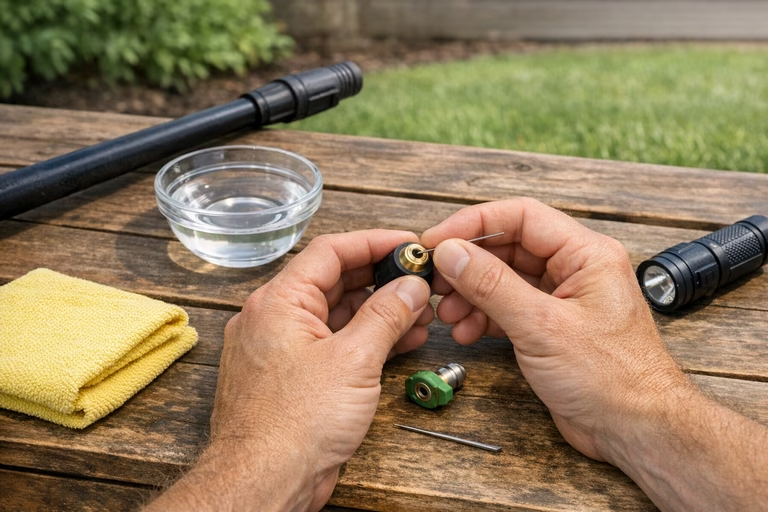
Hold the spray tip under a light or use a flashlight. Check for dirt, grit, dried soap, or white mineral buildup. You may also see rust or tiny bits of debris stuck inside.
If the opening looks blocked, you have likely found the reason your pressure washer nozzle not spraying right.
Also check the outside of the tip. If it looks cracked, bent, or badly worn, cleaning may not be enough.
Step 5 — Clean the opening with a nozzle tool
Take your nozzle cleaning tool and gently insert it into the opening.
Be careful here. You want to loosen the clog, not force the tool through. Use light pressure. Move slowly. If debris comes loose, pull the tool out and wipe it clean.
If the design allows it, you can clean from both sides. This can help remove stubborn particles without pushing them deeper into the tip.
This step often solves a pressure washer tip clogged by dirt or dried soap.
Step 6 — Flush the nozzle with clean water
Once you break up the clog, rinse the tip well.
Run clean water through it. Swirl it in a bucket if needed. You want any loose debris to wash out before you put the nozzle back on.
If you have compressed air, you can give it a short burst to help clear the passage. That part is optional, but it can help with fine particles.
Step 7 — Soak the nozzle in vinegar if buildup remains
If the tip still looks blocked, mineral scale may be the problem.
Place the nozzle in a small cup of white vinegar and let it soak. For light buildup, thirty minutes may be enough. For heavier scale, you may need more time.
After soaking, rinse the tip and inspect it again. If needed, repeat the gentle cleaning with the nozzle tool.
This method works well when the pressure washer nozzle clogged from calcium, lime, or hard-water deposits.
Step 8 — Clean the wand connection too
Before you put the tip back on, check the wand where the nozzle connects.
Sometimes debris sits in that area too. Wipe it clean with a cloth. Look for dirt around the fitting. Check the O-ring if there is one. If it looks cracked or loose, it may need replacement.
This small step can improve the seal and help the spray tip sit correctly.
Step 9 — Reinstall the nozzle the right way
Now place the tip back on the wand.
If it is a quick-connect tip, push it in fully and make sure it locks. If it threads on, screw it in gently and avoid cross-threading.
A loose fit can cause leaks or an uneven spray. Make sure the nozzle sits straight and secure.
Step 10 — Test the spray pattern
Turn the water supply back on first. Then start the pressure washer.
Test the spray on a safe surface. Watch the pattern. It should look even and strong. The stream should feel steady. If the machine was sputtering before, that should improve too.
If the spray looks normal again, the clog is gone.
Step 11 — If the problem stays, move to deeper checks
If the pressure still feels weak after cleaning, the nozzle may not be the only issue.
At that point, check the garden hose, water supply, inlet filter, and wand for blockage. A worn or damaged tip can also cause poor performance even after you clean it.
Still, it makes sense to start here first. A clogged pressure washer nozzle is one of the easiest problems to fix, and often the most common.
Safety First Before Cleaning a Pressure Washer Nozzle
Before you touch the nozzle, make sure the machine is safe to handle. This step is easy to skip. But it matters more than most people think.
A pressure washer holds force inside the system even after you turn it off. If you remove the tip too soon, water can burst out fast. That can hurt your hand or face. It can also send the nozzle flying.
Taking one extra minute now can save you a bigger problem later.
Why you need to release pressure first
A blocked spray tip traps pressure in the wand. That trapped force does not disappear right away. Even if the motor is off, the line may still hold pressure.
That is why the first real step in pressure washer nozzle cleaning is not the pin or the vinegar. It is releasing that built-up pressure in a safe way.
Turn off the machine. Shut off the water. Then squeeze the trigger until no more water comes out. This helps clear the pressure and makes the tip safer to remove.
Basic safety steps before you start
Keep it simple. Follow these steps every time:
- Turn off the pressure washer
- Unplug the unit if it is electric
- Shut off the engine if it is gas-powered
- Turn off the water supply
- Squeeze the trigger to release trapped pressure
- Let hot parts cool down before touching them
- Wear gloves if you want a better grip
- Use eye protection in case debris comes loose
These steps only take a minute or two. They make the job much safer.
What not to do
A lot of nozzle damage happens because people rush. They grab the wrong tool. They clean the tip while the machine is still under pressure. Or they force the blockage instead of loosening it.
Avoid these mistakes:
- Do not remove the nozzle while the system is pressurized
- Do not point the wand at yourself or anyone else
- Do not use a large nail, knife, or drill bit to clear the opening
- Do not force a tool into the nozzle
- Do not ignore a cracked or worn spray tip
If the pressure washer nozzle not spraying right, slow down and inspect it first. A careful fix works better than a rough one.
Tools and Supplies You’ll Need
You do not need a full toolbox for this job. In most cases, a few simple items are enough.
The goal is not to force the clog out. The goal is to clear it without damaging the tiny opening inside the tip. That means the right tool matters.
Basic tools for cleaning a pressure washer nozzle
Start with the basics. These are the most helpful items to keep nearby:
- A nozzle cleaning tool or tip cleaner
- A bucket of clean water
- A soft brush or old toothbrush
- A clean cloth or rag
- Needle-nose pliers if the tip is hard to remove
- A flashlight to inspect the opening
These tools help with most cases of a pressure washer nozzle clogged by dirt, soap, or light buildup.
Helpful extras for tougher clogs
Some blockages need a little more work. If the clog comes from hard water or dried residue, these extras can help:
- White vinegar
- A small bowl or cup for soaking
- Compressed air if you have it
- A spare nozzle set
- Extra O-rings if yours look worn
White vinegar is especially useful for mineral deposits. It can loosen scale without being too harsh. That makes it a good first choice when the pressure washer nozzle blocked by hard water buildup.
Why a real nozzle cleaning tool is the better choice
You may feel tempted to use a pin, sewing needle, or paper clip. Try not to.
A pressure washer tip has a very small opening. That opening controls the spray shape and pressure. If you scratch it or make it wider, the spray pattern may never look right again.
A proper nozzle cleaning tool is safer because it is made for the job. It is thin, smooth, and easier to control. That lowers the chance of damage.
If you plan to use your pressure washer more than once or twice a year, this is a cheap tool worth keeping on hand.
How to Fix a Clogged Pressure Washer Nozzle Step by Step
Now let’s get into the fix.
This is the core part of the job. The good news is that it is usually quick. If your pressure washer uneven spray, weak stream, or sudden drop in force comes from a clogged tip, these steps should help you solve it.
Step 1 — Turn off the machine completely
Start by shutting everything down.
If you have an electric model, unplug it. If you have a gas model, turn off the engine. Then shut off the water supply.
Do not work on the spray tip while the machine is running or connected to power. This is the safest way to begin.
Step 2 — Release all trapped pressure
Once the machine is off, squeeze the trigger on the wand. Hold it until water stops coming out.
This step matters because the system may still hold pressure. If you skip it, removing the tip can be risky and messy.
A lot of people rush past this part. Do not. It makes the rest of the job easier.
Step 3 — Remove the nozzle or spray tip
Take the nozzle off the wand.
If your machine uses a quick-connect tip, pull back the collar and slide the tip out. If it uses a threaded tip, unscrew it slowly and carefully.
Set the nozzle somewhere clean. A small tray or cloth helps. These parts are easy to lose in grass or dirt.
Step 4 — Inspect the tip closely
Now look at the opening.
Hold the spray tip under a light or use a flashlight. Check for dirt, grit, dried soap, or white mineral buildup. You may also see rust or tiny bits of debris stuck inside.
If the opening looks blocked, you have likely found the reason your pressure washer nozzle not spraying right.
Also check the outside of the tip. If it looks cracked, bent, or badly worn, cleaning may not be enough.
Step 5 — Clean the opening with a nozzle tool
Take your nozzle cleaning tool and gently insert it into the opening.
Be careful here. You want to loosen the clog, not force the tool through. Use light pressure. Move slowly. If debris comes loose, pull the tool out and wipe it clean.
If the design allows it, you can clean from both sides. This can help remove stubborn particles without pushing them deeper into the tip.
This step often solves a pressure washer tip clogged by dirt or dried soap.
Step 6 — Flush the nozzle with clean water
Once you break up the clog, rinse the tip well.
Run clean water through it. Swirl it in a bucket if needed. You want any loose debris to wash out before you put the nozzle back on.
If you have compressed air, you can give it a short burst to help clear the passage. That part is optional, but it can help with fine particles.
Step 7 — Soak the nozzle in vinegar if buildup remains
If the tip still looks blocked, mineral scale may be the problem.
Place the nozzle in a small cup of white vinegar and let it soak. For light buildup, thirty minutes may be enough. For heavier scale, you may need more time.
After soaking, rinse the tip and inspect it again. If needed, repeat the gentle cleaning with the nozzle tool.
This method works well when the pressure washer nozzle clogged from calcium, lime, or hard-water deposits.
Step 8 — Clean the wand connection too
Before you put the tip back on, check the wand where the nozzle connects.
Sometimes debris sits in that area too. Wipe it clean with a cloth. Look for dirt around the fitting. Check the O-ring if there is one. If it looks cracked or loose, it may need replacement.
This small step can improve the seal and help the spray tip sit correctly.
Step 9 — Reinstall the nozzle the right way
Now place the tip back on the wand.
If it is a quick-connect tip, push it in fully and make sure it locks. If it threads on, screw it in gently and avoid cross-threading.
A loose fit can cause leaks or an uneven spray. Make sure the nozzle sits straight and secure.
Step 10 — Test the spray pattern
Turn the water supply back on first. Then start the pressure washer.
Test the spray on a safe surface. Watch the pattern. It should look even and strong. The stream should feel steady. If the machine was sputtering before, that should improve too.
If the spray looks normal again, the clog is gone.
Step 11 — If the problem stays, move to deeper checks
If the pressure still feels weak after cleaning, the nozzle may not be the only issue.
At that point, check the garden hose, water supply, inlet filter, and wand for blockage. A worn or damaged tip can also cause poor performance even after you clean it.
Still, it makes sense to start here first. A clogged pressure washer nozzle is one of the easiest problems to fix, and often the most common.
How to Tell if the Nozzle Needs Cleaning or Replacement
Not every bad spray tip needs to be thrown out. Sometimes it just needs a careful cleaning. Other times, cleaning will not help much because the tip is worn out or damaged.
The hard part is knowing which problem you have.
A clogged pressure washer nozzle and a worn nozzle can look very similar at first. Both can cause weak pressure. Both can create an odd spray pattern. Both can make cleaning slower and more frustrating.
That is why it helps to look for a few clear signs before you decide what to do next.
Signs the nozzle only needs cleaning
A dirty tip usually shows signs of buildup or blockage. The good news is this kind of problem is often easy to fix.
Your nozzle may only need cleaning if:
- You can see dirt, grit, or dried soap in the opening
- The tip looks intact with no cracks or bending
- The spray improved at least a little after rinsing
- The pressure problem started suddenly
- The machine worked fine before the blockage appeared
In cases like these, pressure washer nozzle cleaning is usually the best first step. It is quick, low-cost, and often enough to get the spray back to normal.
Signs the nozzle may need replacement
Sometimes the tip is past the point of a simple fix.
A nozzle may need replacement if:
- The opening looks worn or larger than it should
- The spray tip is cracked, chipped, or bent
- Cleaning does not restore pressure
- The spray pattern still looks uneven after cleaning
- The nozzle leaks or does not fit securely
- The tip has heavy corrosion or rust damage
A worn spray tip cannot control water the way it should. Even if the opening looks only a little larger, the machine can lose force fast. That means the pressure washer nozzle not spraying right may come from wear, not just a clog.
A worn nozzle can trick you
This is where many people get stuck.
They clean the tip again and again, but the spray still feels weak. The fan pattern still looks sloppy. The machine still takes too long to clean a surface. At that point, the problem may not be debris at all.
A worn nozzle lets too much water pass through. That lowers the force at the tip. The result feels like low pressure, even though the machine is running fine.
If the spray has soft edges, poor focus, or low cleaning power after a full cleaning, replacement is often the smarter move.
A simple rule to follow
If the tip is dirty but looks solid, clean it first.
If the tip looks damaged, worn, or keeps acting up after cleaning, replace it.
That simple rule can save time and help you stop guessing.
DIY Pressure Washer Nozzle Cleaning vs Buying a New One
When the spray gets weak, most people ask the same question. Should I clean the nozzle, or should I just replace it?
The honest answer is this. Start with cleaning. Then replace the tip if cleaning does not solve the problem.
That approach makes sense because cleaning is easy, cheap, and often works. But there are times when buying a new nozzle is the better choice from the start.
When DIY cleaning makes the most sense
Cleaning is the best first move when the problem seems small and the nozzle still looks good.
DIY cleaning makes sense when:
- The pressure drop happened suddenly
- You can see dirt or buildup in the tip
- The nozzle is fairly new
- The tip has no visible damage
- The spray improved after a quick rinse or pin cleaning
In these cases, a quick fix clogged pressure washer tip approach is worth trying. You may solve the issue in minutes without spending much at all.
When buying a new nozzle is the better call
Replacement makes more sense when the tip is old, damaged, or keeps giving you trouble.
Buying a new nozzle may be the better option when:
- The tip is cracked or worn
- The opening looks enlarged
- The spray pattern stays distorted after cleaning
- The nozzle has heavy rust or scale
- You have cleaned it more than once and the problem keeps coming back
- You are not sure the tip matches the machine
A fresh tip can save time. It can also restore performance faster than repeated cleaning on a worn part.
Think about cost, time, and results
Most spray tips are not very expensive. That is why it helps to think beyond the price alone.
If cleaning takes five minutes and solves the issue, great. That is the easiest win. But if you keep stopping jobs to unclog the same worn tip, replacement may actually save more time and stress.
A pressure washer nozzle clogged by dirt is usually worth cleaning. A nozzle that is old, damaged, or unreliable is often worth replacing.
The best plan for most people
For most users, the best plan is simple:
- Inspect the nozzle
- Clean it carefully
- Test the spray
- Replace it if the problem stays
This keeps things practical. You do not waste money too early. But you also do not waste time on a tip that is already worn out.
How to Prevent a Pressure Washer Nozzle From Clogging Again
Once you clear a blocked tip, the next goal is simple. Keep it from happening again.
The best way to deal with a clogged nozzle is to stop the clog before it starts. A few small habits can make a big difference. You do not need a full maintenance routine. You just need to stay consistent.
Use clean water whenever possible
Dirty water brings in dirt, sand, and fine grit. That debris can move through the system and end up inside the spray tip.
If possible, use a clean water source and a clean hose. If the hose has been sitting outside for a long time, give it a quick flush before connecting it to the pressure washer.
This one step can lower the chance of a pressure washer nozzle blocked by debris.
Check and clean the inlet filter often
The inlet filter is small, but it does a big job.
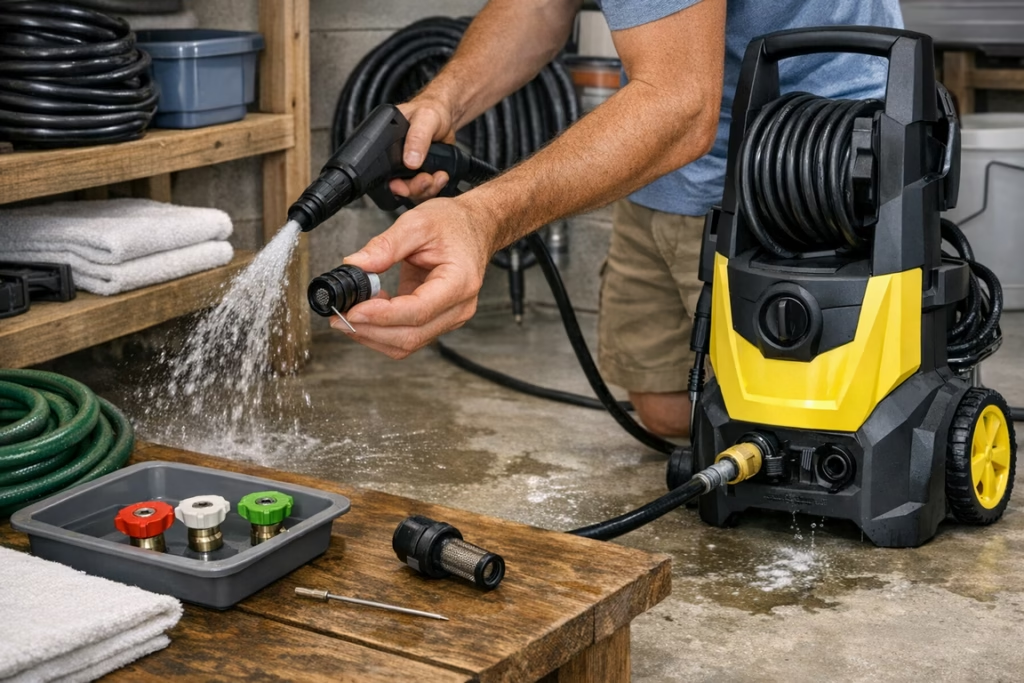
It catches debris before that debris reaches the pump or nozzle. If the filter gets clogged or goes missing, more dirt can travel through the machine.
Inspect it often. Rinse it when it looks dirty. Replace it if it becomes damaged. This is one of the easiest ways to prevent future pressure washer nozzle troubleshooting.
Flush the system after using detergent
Soap can dry inside the machine if you leave it there after a job. That dried residue can narrow the spray tip and trap more dirt later.
After using detergent, run clean water through the machine for a short time. This helps wash out leftover soap from the wand, hose, and nozzle.
It is a simple habit, but it can prevent a lot of future buildup.
Inspect the nozzles before and after use
A quick glance can save a lot of time later.
Before you start, check the spray tip for dirt or dried residue. After you finish, inspect it again and wipe it clean if needed. If the spray looked a little off during the job, clean the tip before putting the machine away.
Catching a small blockage early is much easier than dealing with a full clog later.
Store the pressure washer the right way
Good storage helps more than people think.
Do not leave water sitting in the machine for long periods. Drain the system when you are done. Store the unit in a dry place. Protect it from freezing weather if that is a risk where you live.
Poor storage can lead to dried residue, rust, and other issues that make the next pressure washer nozzle cleaning job harder than it needs to be.
Keep spare nozzles on hand
A spare tip set can save a job.
If one nozzle acts up, you can swap it out fast and keep working. It also helps with troubleshooting. If a new tip sprays well right away, you know the old one was the problem.
This is a small backup plan, but a smart one.
Make prevention part of the routine
You do not need a long checklist. Just build a few easy habits:
- Use clean water
- Flush the hose if needed
- Clean the inlet filter
- Rinse out soap after use
- Inspect tips often
- Store the machine dry
- Replace worn nozzles before they fail
Do that, and you will deal with fewer clogs, better spray performance, and less downtime.
Quick DIY Checklist
If you want the fast version, use this checklist before you dive into deeper troubleshooting. It keeps the process simple and helps you avoid missing an easy fix.
Before you clean the nozzle
- Turn off the pressure washer
- Unplug it if it is electric
- Shut off the engine if it is gas-powered
- Turn off the water supply
- Squeeze the trigger to release trapped pressure
- Let the machine cool down if it was just in use
Remove and inspect the tip
- Take off the nozzle or spray tip
- Hold it under a light
- Look for dirt, grit, soap residue, or white mineral buildup
- Check for cracks, rust, or signs of wear
Clean the blockage
- Use a proper nozzle cleaning tool
- Clear the opening gently
- Rinse the tip with clean water
- Soak it in white vinegar if scale is present
- Rinse again after soaking
Reinstall and test
- Clean the wand connection
- Reinstall the nozzle securely
- Turn the water back on first
- Start the machine
- Test the spray on a safe surface
- Check for strong pressure and an even spray pattern
If the problem is still there
- Check the inlet filter
- Inspect the garden hose for kinks
- Make sure the water supply is strong enough
- Look for blockage in the wand
- Confirm you are using the right nozzle
- Replace the tip if it looks worn or damaged
This simple checklist works well when you need a fast answer and do not want to overthink the repair.
Frequently Asked Questions About a Clogged Pressure Washer Nozzle
A lot of pressure washer problems come down to the spray tip. But people still have the same few questions when the pressure drops or the spray starts acting up. Here are the answers that matter most.
Can a clogged nozzle cause low pressure?
Yes, it can.
A clogged tip restricts water flow and changes the spray pattern. That often leads to weak pressure, uneven spraying, or poor cleaning power. Even a small blockage can make the machine feel much less effective.
Can I use a needle to clean a pressure washer nozzle?
It is better to use a proper nozzle cleaning tool.
A small needle may seem harmless, but it can scratch or widen the opening if you are not careful. That can damage the spray pattern and reduce pressure. A tool made for nozzle cleaning is a safer choice.
Why is my pressure washer nozzle not spraying right after I cleaned it?
There are a few possible reasons.
The clog may not be fully gone. The tip may be worn out. The wand or inlet filter may also be blocked. In some cases, the wrong nozzle is installed, or the water supply is too weak.
If cleaning the tip did not help enough, check the rest of the system next.
How often should I clean a pressure washer nozzle?
There is no fixed schedule, but regular checks help.
Inspect the nozzle before and after use. Clean it whenever you notice weak pressure, a crooked spray pattern, pulsing, or visible buildup. If you use detergent often or have hard water, you may need to clean it more often.
Will vinegar damage a pressure washer nozzle?
In many cases, no.
White vinegar is a common DIY option for loosening mineral deposits. It works well for light to moderate scale. Just rinse the tip well after soaking. If the nozzle has special coatings or the manufacturer says otherwise, follow those care instructions.
Can dried soap clog the nozzle?
Yes, it can.
Soap residue can dry inside the tip if the machine is not flushed with clean water after use. Over time, that residue can trap dirt and narrow the opening. That is one reason flushing the system after detergent use is so important.
How do I know if the nozzle is worn out instead of clogged?
A worn nozzle often stays weak even after cleaning.
If the spray pattern still looks uneven, the cleaning power feels low, or the opening looks larger than it should, the tip may be worn. Cracks, rust, and a loose fit are also signs that replacement makes more sense than another cleaning.
What is the best tool to unclog a pressure washer nozzle?
A dedicated nozzle cleaning tool is the best option.
It is small, smooth, and designed for the opening inside the spray tip. That gives you better control and lowers the risk of damage.
Should I replace all my nozzles if one is clogged?
Not always.
If one nozzle is blocked, start by cleaning or replacing that one. But it is smart to inspect the rest of the set too. If they are old, rusty, or mismatched, it may be worth replacing more than one.
Conclusion
A clogged spray tip can make a good pressure washer feel weak, frustrating, and slow. The good news is that this problem is often easy to fix.
In many cases, all you need to do is turn off the machine, release the pressure, remove the tip, and clean out the blockage. If dirt or dried soap is the problem, a quick rinse and gentle cleaning may be enough. If mineral scale is the issue, a simple vinegar soak can often help.
The key is to be careful. Use the right tool. Do not force anything. And do not assume the whole machine is failing before you check the nozzle first.
If cleaning does not restore the spray, look at the bigger picture. Check the inlet filter, hose, water supply, and wand. If the tip looks worn or damaged, replacing it may be the better answer.
The best part is that most of this is easy DIY work. You do not need to be an expert. You just need a few minutes, a little patience, and a simple process to follow.
Take care of the nozzle, flush the system after using soap, and keep an eye on buildup before it gets worse. Do that, and your pressure washer will stay stronger, cleaner, and ready for the next job.