Introduction
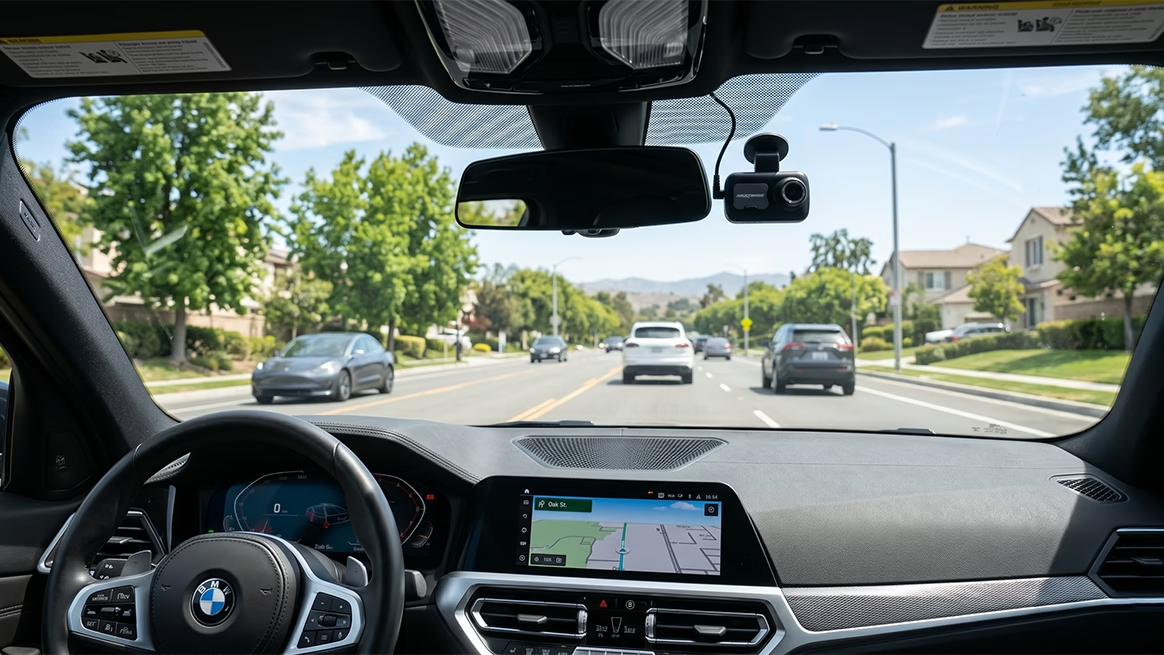
You bought a dash cam to stay safe on the road. That is a very smart move. But placing it in the wrong spot can actually cause a crash. It can block your view of the road. It can confuse your car safety sensors. It might even get you a costly traffic ticket. Modern windshields are incredibly crowded today. They hold rain sensors, toll passes, and bulky safety systems.
Finding the right patch of glass is harder than it looks. You might be wondering where to put dash cam units to avoid all this trouble. I want to make sure you get this exactly right. In this guide, I will show you the absolute best spots to use. We will cover how to get a perfect view and hide those ugly wires. I will also walk you through strict dash cam placement laws so you stay perfectly legal. Let us get your setup done the right way.
The “Golden Rule” of Dash Cam Placement
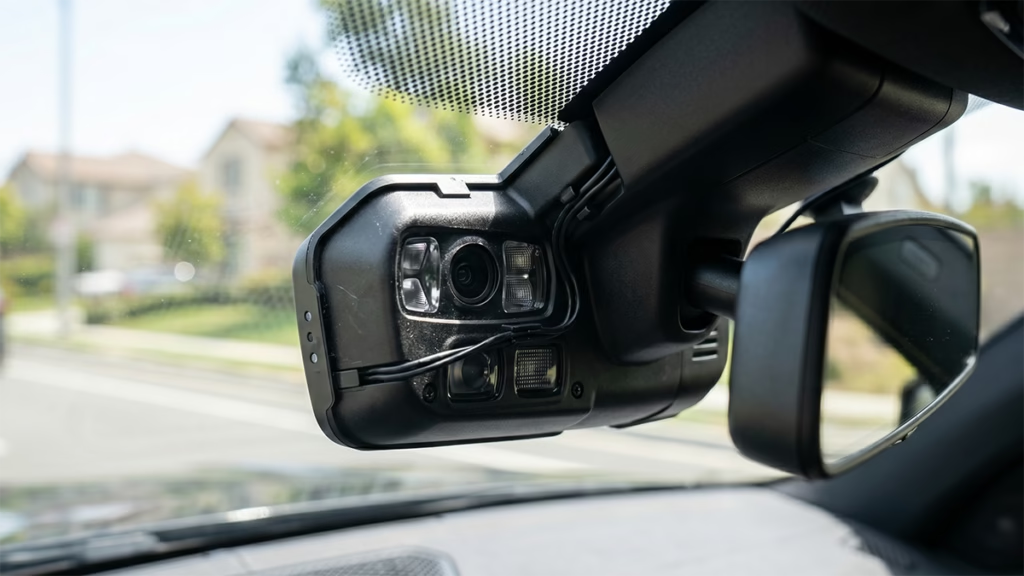
When it comes to mounting your device, one location beats them all. You should place it directly behind the rearview mirror. This is the undisputed champion of mounting spots. Why does this spot win? First, it keeps the screen out of your direct sight. A bright screen in your face is a huge distraction. A hidden dash cam rear view mirror setup helps you keep your eyes on the road. Second, this center spot gives the camera a perfect, balanced view. It records the road ahead and both lanes beside you. You get a great picture without a weird, stretched look on the edges.
Before you stick it to the glass, you must do the wiper zone check. Many drivers skip this vital step. You must ensure the camera lens sits inside the area your wipers actually clean. If you place the camera too high, it sits in a dirty dead zone. When it rains or snows, a camera in that dead zone cannot see a thing. Finally, be careful with newer cars that have big plastic covers behind the mirror. Give those covers some space. You want to prevent ADAS sensor interference so your car can still brake and steer safely.
Navigating the Law: Is Your Dash Cam Placement Illegal?
I need to be totally honest with you. A great camera angle means nothing if police pull you over. Many people ignore dash cam placement laws. That is a massive mistake. Windshield rules are very strict. A bad mount can get you a ticket. It can even ruin your case in a crash. We must get this right.
The Windshield Obstruction Rule
In many places, putting things on your glass is illegal. The law states you cannot block the driver’s clear view. Police take this rule seriously. A blocked view is a real danger. You absolutely must check local rules before you stick anything on your glass.
State-by-State Variations (U.S. Focus)
Laws change wildly between states. Strict states like New York demand clear glass. In those places, dashboard camera mounting is your safest bet. Other states give very specific rules. California actually just updated their exact. You can only use a tiny five-inch square on the lower driver side. Or, you can use a seven-inch square on the lower passenger side. Moderate states let you use the top few inches of the glass. Lenient states simply say do not block your view.
A Note on Audio Recording Laws
Your camera likely records audio. This brings up tight privacy laws. Some states use two-party consent laws. California and Illinois are prime examples here. In these spots, you cannot record voices in your car secretly. You must tell your passengers. If you drive for a service, you must put up a clear warning sticker.
Best Placement by Dash Cam Type
The camera you buy changes where it should go. A tiny camera gives you many options. A big system needs careful planning. Let us break it down by the specific type you own.
1-Channel (Front-Facing Only)
This is the standard model. You only have one lens to manage. Stick to the golden rule we discussed earlier. Hide it right behind your rearview mirror. It is clean, simple, and very safe.
2-Channel (Front and Rear)
This setup adds a second lens for the back window. Place the rear lens at the top center of the back glass. But listen closely to this tip. Look closely at your rear defroster grid lines. Do not put the camera directly on a heating line. The raw heat will melt the glue. The lines will also blur your video. Also, this brings up the suction cup vs adhesive dash cam mount debate. Suction cups fall off back windows in the summer heat. You should always use strong adhesive tape for a permanent hold.
3-Channel (Front, Rear, and Cabin/Interior)
Rideshare drivers rely on these systems. You get a third lens facing the inside seats. Mounting this type is tricky. You cannot hide it fully behind the mirror. The interior lens needs a clear view of your back seats. Mount it just below the mirror. Make sure the mirror body does not block the inside lens.
Dashboard vs. Windshield: Which is Better?
Let us look closely at your two main choices. You can mount the device high up on the glass. Or, you can place it flat down on your dash. Both locations have clear pros and cons. Let us break them down so you can make the smart choice.
Windshield Mounting
This is the classic choice for a reason. It gives you the highest and widest view of the road. A high mount easily hides the unit out of your direct sight. But there is a catch. You must deal with strict glass laws. Police can ticket you if you block your view. Also, cheap plastic mounts often pop off the hot glass during summer days.
Dashboard Mounting
Dashboard camera mounting keeps you legally safe. It stays completely out of your main windshield view. You avoid all those sticky legal rules. It is perfectly legal in almost every state. However, the unit sits much lower. This lower angle means you record a lot of your own car hood. You also get nasty sun glare. The sun reflects right off the plastic dash and straight into the lens.
The 3 Biggest Mistakes People Make When Mounting a Dash Cam
I will be blunt. People ruin their setups with the same lazy mistakes every day. These errors destroy your video quality. They also put your physical safety at risk. As your advisor, I want you to avoid these three massive traps.
1. Blocking Car Safety Sensors
Modern cars are basically driving computers. Big plastic blocks sit right behind your mirror. They hold vital lasers and cameras. If you stick your new camera too close, you will blind them. This triggers annoying error lights on your dash. Worse, it stops your auto-braking from working. Keep your camera far away from those vital vehicle sensors.
2. Trusting Suction Cups in Extreme Weather
We must finally settle the suction cup vs adhesive dash cam mount debate. Suction cups are terrible. They fail completely in freezing winter cold. They melt and slide off in extreme summer heat. Your camera will drop into your lap while you drive. That is a massive distraction. You should always use strong double-sided tape for a permanent, safe hold.
3. Ignoring the Dangling Wire Hazard
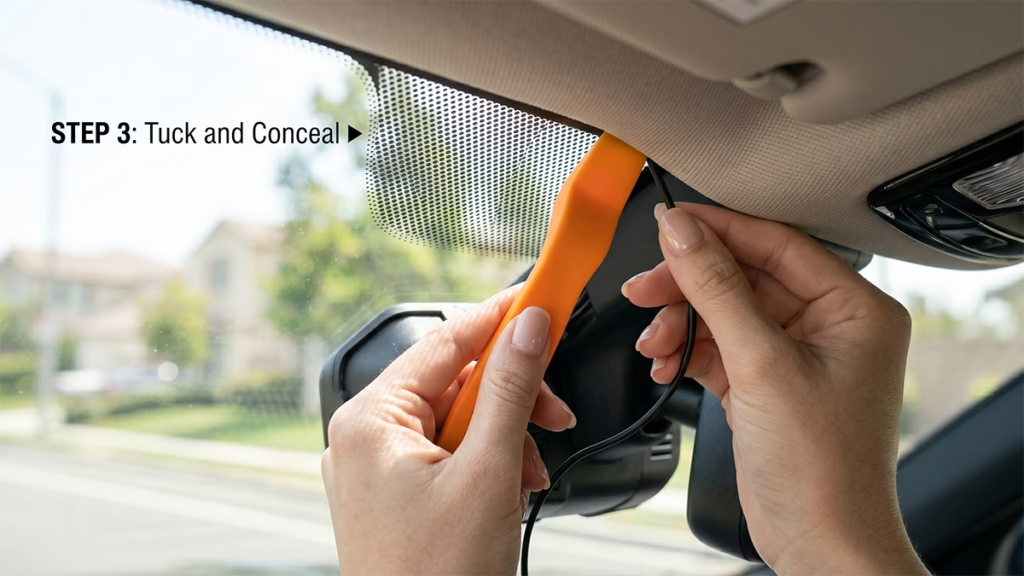
A loose wire hanging down to your power outlet is a huge danger. It can snag your hand while you turn the steering wheel fast. You must hide those power cables. Push the wire up into the roof liner. Run it down the side pillar carefully behind the airbag. Then tuck it safely under the glovebox. Take the extra ten minutes to route the wires properly.
Frequently Asked Questions
Can I mount my dash cam on the dashboard instead of the windshield?
Yes, you certainly can. Dashboard camera mounting avoids strict glass laws completely. It is a very safe legal bet. But you must accept the flaws. You get a lower view of the road. You also catch terrible sun glare reflecting off the plastic.
Can I mount a dash cam on the black dots of the windshield?
Yes, you can use that dotted area. Those black dots are called the frit. Strong tape sticks very well to this rough surface. It hides the unit nicely from the outside. But pay close attention to the device. Ensure the actual lens sits below the dots. You do not want a dotted, blocked video.
Does a dash cam distract the driver?
It should never distract you. A proper dash cam rear view mirror placement keeps it fully out of sight. You must also set the screen to turn off automatically. A glowing screen at night is a terrible distraction. Keep the unit hidden and let it work quietly.
Conclusion
You now know exactly where to put dash cam setups for maximum safety. The ultimate sweet spot is perfectly clear. Tuck the device right behind your rearview mirror. Keep it inside the active wiper path. Ensure it stays far away from your vehicle sensors.
You must prevent ADAS sensor interference at all costs. Take this installation very seriously. Check your local dash cam placement laws today before you mount anything. Do the job right the first time in. Drop a comment below with a photo of your clean, wire-free installation. You can also review our top gear picks in my ultimate guide to the best dash cams.