
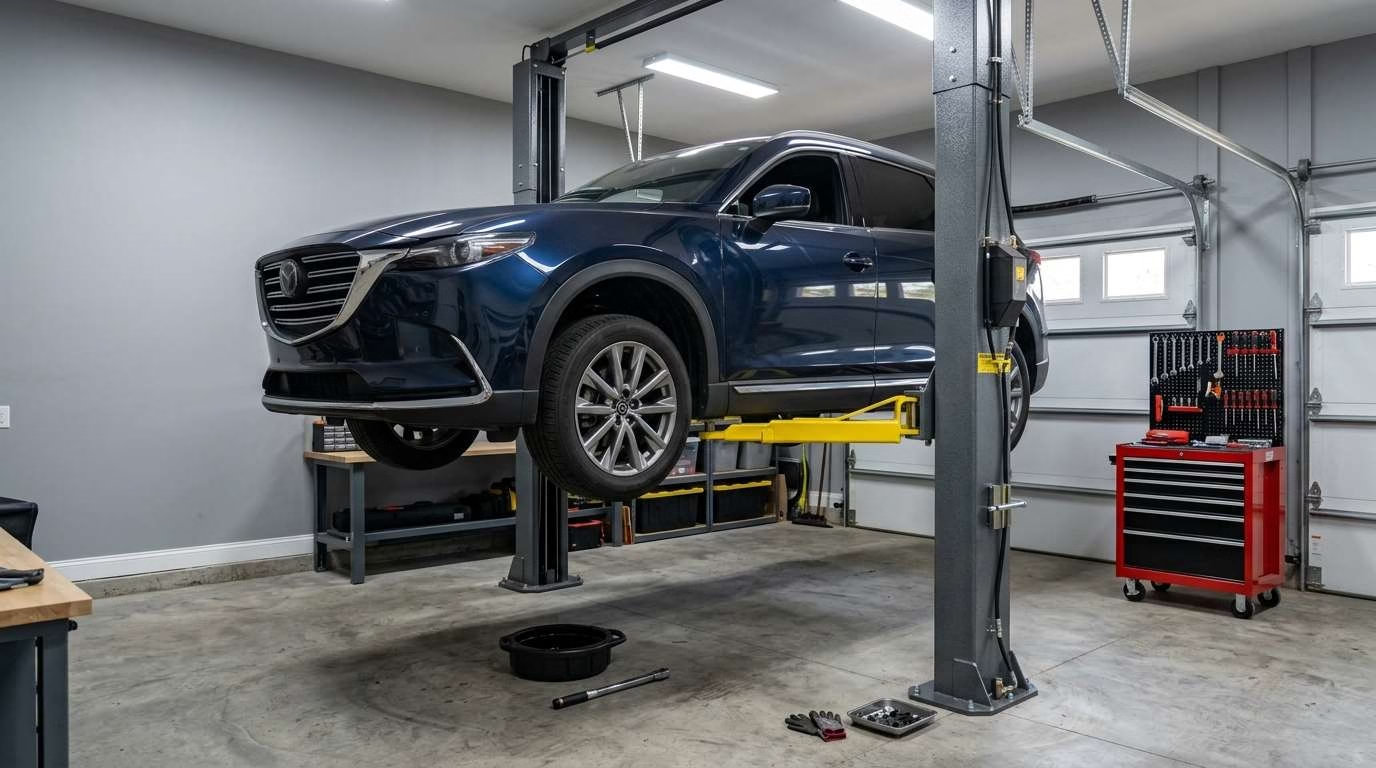
Before I ranked these lifts, I reviewed thousands of owner comments, customer reviews, and garage forum discussions. The list reflects how these lifts perform after real use, not just what appears on a sales page.
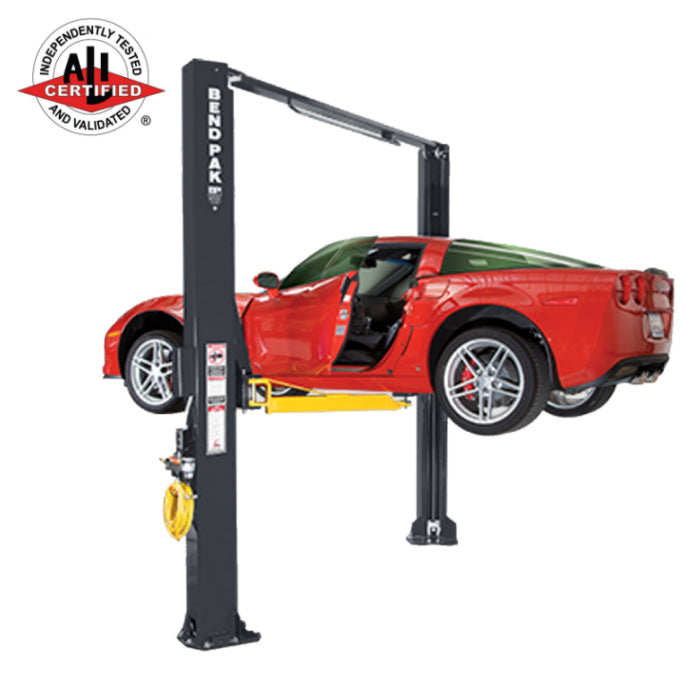
The best car lift for a home garage is the BendPak XPR-10AS. It offers full working height, good vehicle access, and a trusted support network. However, it needs a tall ceiling and suitable concrete.
Have a low ceiling? The MaxJax M7K is a better fit. Need a lift you can store away? Consider the QuickJack 7000TLX.
Your garage should guide your choice. Check its height, floor, width, power supply, and door tracks before comparing prices.
Best Car Lifts for Home Garages at a Glance
This page contains Amazon affiliate links. If you buy through them, I may earn a small commission at no additional cost to you.
Specifications can vary by model version. Always check the current manual before ordering.
Freight, electrical work, unloading, concrete repair, and installation may cost extra. These costs can change the value of a lift.
How We Chose the Best Home Garage Car Lifts
A large capacity number does not make a lift good. It must also fit your garage, reach your vehicle’s lift points, and have reliable safety locks.
The following areas had the most weight in the rankings.
Safety and Third-Party Certification
A certified lift has passed tests from an outside body. These tests look at its design, load rating, parts, and safety systems.
Certification does not replace correct installation. A certified lift can still become unsafe on weak concrete or with loose anchors.
Check the exact model number before ordering. One brand may sell both certified and non-certified lifts.
You should also confirm:
- The listed load rating
- The approved power unit
- The correct arm design
- The included adapters
- The approved installation setup
Some budget lifts lack this third-party check. That does not prove they will fail. It does mean you must take more care with the product, seller, and installer.
Vehicle Capacity and Weight Distribution
Lift capacity tells only part of the story.
A 10,000-pound lift may use four arms rated for 2,500 pounds each. A truck with a heavy front end may place too much load on the front arms.
Before choosing a lift, check:
- Vehicle curb weight
- Front and rear axle weights
- Wheelbase
- Frame width
- Factory lift points
- Added tools or cargo
- Heavy bumpers, winches, or batteries
Long trucks also need enough arm reach. Small cars need arms that can retract far enough inward.
A larger lift is not always more flexible.
Garage Compatibility
Measure the garage with the door fully open. Closed-door measurements can hide track and opener problems.
Check these areas:
- Floor-to-ceiling height
- Lowest door track
- Garage door opener
- Lights and ceiling fans
- Available bay width
- Distance from the wall
- Garage depth
- Floor condition
- Electrical supply
Mark the planned post positions with tape. Then park your widest vehicle inside those marks.
Open every door. Walk around the vehicle. This simple test can expose a bad layout before you drill the floor.
You might like: 7 Best Garage Lighting Options for Car Detailing.
Build Quality and Reliability
A home lift may remain in service for decades. Small design details can affect how pleasant it is to use.
Look at:
- Column thickness and shape
- Arm movement
- Pad height
- Arm locks
- Safety lock design
- Cable routing
- Hose protection
- Cylinder placement
- Weld quality
- Replacement parts
Smooth arms save time each time you position a car. Good lock releases also reduce daily frustration.
A thick coat of paint looks nice. It matters less than secure locks, straight columns, and available parts.
Owner Reviews and Common Problems
Owner reports often reveal problems that product pages miss.
The most common complaints include:
- Hydraulic leaks
- Uneven lifting
- Hard-to-connect fittings
- Weak instructions
- Missing hardware
- Heavy portable frames
- Poor phone support
- Long waits for parts
- Limited access under the car
- More setup time than expected
One isolated complaint does not prove a design is bad. Repeated patterns deserve more attention.
Positive patterns matter too. Owners often praise good replacement-part service, clear manuals, smooth arms, and local installers.
Total Ownership Cost
The price on the product page is only the first cost.
Your full project may include:
- Freight delivery
- Liftgate service
- Forklift rental
- Professional installation
- Electrical work
- Concrete testing
- New concrete pads
- Garage door changes
- Hydraulic fluid
- Vehicle adapters
- Bridge jacks
- Annual inspections
A cheap lift can become costly if parts are hard to find. A premium lift may cost less over time if it has local service.
Compare installed cost, not just purchase price.
10 Best Car Lifts for Home Garages Reviewed
The lifts below suit different garages and jobs. Focus on the model that matches your space and vehicle.
A full two-post lift is best for hard repair work. A four-post model is better for storage. Portable lifts make sense when space is tight.
1. BendPak XPR-10AS: Best Car Lift for Home Garage Overall
The BendPak XPR-10AS is the strongest all-round option for most serious home shops. Its 10,000-pound capacity covers many cars, crossovers, SUVs, and light pickups.
Its asymmetric design places more of the vehicle behind the posts. This can improve door clearance and cabin access.
Check PriceKey Advantages
- Full working height
- Clear access beneath the vehicle
- Good door clearance
- Low-profile arm options
- Wide adapter range
- Established parts network
- Strong resale appeal
The arm layout works well for brake, exhaust, engine, and transmission jobs. You can also remove wheels without adding a second jack system.
Build quality is one of its main strengths. Owners often note the firm arm movement and stable feel.
Potential Drawbacks
The XPR-10AS is not a simple fit for a normal eight-foot garage.
You may need:
- A ceiling near 12 feet
- A 220-volt circuit
- Professional freight unloading
- Concrete testing
- An approved installer
- Higher garage door tracks
The purchase price is only part of the expense. Electrical and door changes may add a large amount.
Best For
Choose this lift if:
- You repair vehicles often.
- You want full standing room.
- Your garage has enough height.
- You work on several vehicle types.
- You plan to keep the lift for years.
Skip it if you have a low ceiling or an unknown slab.
2. Triumph NT-9: Best Budget Car Lift for Home Garage
The Triumph NT-9 offers full-rise access at a much lower price. Its 9,000-pound rating suits many cars, crossovers, and light trucks.
Its columns stand about 111 inches tall. That makes it easier to fit than many overhead two-post lifts.
Check PriceKey Advantages
- Low entry price
- Full working height
- Three-stage front arms
- Truck adapters included
- Lower column height
- Suitable for light home use
The floor-plate design routes cables and hoses across the ground. It avoids a tall overhead crossbar.
That design can help in a lower garage. It also creates a raised strip between the posts.
Potential Drawbacks
The NT-9 feels more basic than premium lifts.
Common concerns include:
- Less detailed instructions
- Rougher fit and finish
- Limited local service
- A raised floor plate
- Model certification questions
- Seller-dependent parts support
The low price can also hide freight costs. Check delivery and unloading fees before comparing it with other models.
Best For
The NT-9 suits you if:
- Your budget is limited.
- You lift vehicles only at home.
- You can inspect the parts yourself.
- You have access to a skilled installer.
- You accept less polished support.
Do not treat low price as the main safety measure. Your floor, anchors, setup, and operating habits matter far more.
Also Read: 8 Best Garage Heaters for Home Gyms.
3. Atlas Platinum PVL10: Best Value ALI-Certified Lift
The Atlas Platinum PVL10 sits between bargain lifts and premium shop models. It gives you a 10,000-pound rating and a clear floor beneath the vehicle.
Its certified setup is the main reason to pick it over lower Atlas ranges.
Check PriceKey Advantages
- Third-party certified configuration
- 10,000-pound capacity
- Clear floor between posts
- Useful arm reach
- Better price than some premium brands
- Suitable for mixed home fleets
The overhead layout keeps cables and hoses above the vehicle. This makes it easier to roll tool carts under the car.
Road salt, oil, and dirt are also less likely to collect around a floor plate.
Potential Drawbacks
The PVL10 needs more ceiling height than a low-column lift. You must also confirm local parts and installation support.
Potential limits include:
- Tall overhead structure
- Higher price than basic Atlas lifts
- Local service that varies by area
- Freight handling needs
- Model-specific certification details
Do not assume every Atlas lift shares the same approval. Check the full model number and current setup.
Best For
This model fits buyers who want:
- A certified two-post lift
- 10,000-pound capacity
- A clear workshop floor
- Better value than top-tier shop brands
- Regular home use
4. Rotary SPO10-AV: Best Car Lift for SUVs and Trucks
The Rotary SPO10-AV uses a symmetric layout. The vehicle sits more evenly between the posts.
That setup often works better for pickups, long SUVs, and vehicles with wide frame rails.
Check PriceKey Advantages
- 10,000-pound capacity
- Wide arm reach
- Low adapter height
- Strong service network
- Adjustable layout options
- Good access to truck frames
- Suitable for many electric vehicles
Its arms can reach both wide truck frames and narrow car lift points. That range helps if your household owns very different vehicles.
Rotary also has a long dealer history. Local service can make repairs and yearly checks much easier.
Potential Drawbacks
The SPO10-AV needs a large garage.
Plan for:
- A ceiling near 12 feet
- A wide service bay
- Enough room behind the vehicle
- A suitable 220-volt supply
- Approved concrete
- Professional setup
A 10,000-pound rating does not suit every heavy pickup. Diesel engines, crew cabs, large batteries, and steel accessories add weight fast.
Best For
Choose this model for:
- Half-ton pickups
- Large crossovers
- Family SUVs
- Mixed vehicle fleets
- Many electric cars and SUVs
- A wide home workshop
Check both axle weights before lifting a heavy truck. Total weight alone can hide a front-heavy load.
You might like to read: Best Floor Jacks for Trucks and SUVs
5. Challenger CL10AV3: Best Premium Two-Post Lift
The Challenger CL10AV3 offers flexible arm placement. You can position many vehicles in a symmetric or asymmetric layout.
Its three-stage arms help reach short car bodies and long truck frames.
Check PriceKey Advantages
- Flexible vehicle placement
- Three-stage front and rear arms
- Good door clearance
- Adjustable width options
- Certified design
- Established parts supply
- Smooth lock operation
You may spend less time moving the vehicle back and forth. The arm range helps you reach approved points from more positions.
Parts support is another strong point. A lift loses much of its value if a small worn part becomes hard to replace.
Potential Drawbacks
This is a premium product with premium setup costs.
Expect possible costs for:
- Freight
- Installation
- Electrical work
- Height extensions
- Extra adapters
- Concrete checks
- Garage door changes
Its standard setup also needs a tall ceiling. It is not aimed at a basic eight-foot residential garage.
Best For
The CL10AV3 makes sense if:
- You own several vehicle types.
- You use the lift each week.
- You want local parts support.
- You care about easy arm placement.
- You are building a high-end home shop.
6. MaxJax M7K: Best Car Lift for a Low-Ceiling Garage
The MaxJax M7K solves a common problem. It gives you two-post access without full-height columns.
Its 7,000-pound capacity works for many cars, small SUVs, and light vehicles. The short columns fit under many eight-foot and nine-foot ceilings.
Check PriceKey Advantages
- Short removable columns
- Flush floor anchors
- Clear area beneath the vehicle
- Standard household power
- Better access than a scissor lift
- Easy garage storage after removal
- No overhead crossbar
The posts bolt into threaded floor anchors. You can remove them and cover the holes when you need the parking space.
This does not make the lift weightless. You still need room to roll and store each column.
Potential Drawbacks
The M7K is a mid-rise lift. You may work from a rolling chair instead of standing.
Owners have also reported:
- Uneven lifting
- Air trapped in the system
- Leaking fittings
- Cylinder seal leaks
- Bleeding that takes several attempts
- More setup time than expected
A current version may differ from an older one. Even so, you should inspect the system before each use.
Best For
The MaxJax suits:
- Eight-foot ceilings
- Nine-foot ceilings
- Small home garages
- Sports cars
- Light SUVs
- Owners who need removable posts
It still requires approved concrete anchors. It is not suitable if you cannot drill the slab.
7. QuickJack 7000TLX: Best Portable Car Lift
The QuickJack 7000TLX uses two low frames. Each frame sits under one side of the vehicle.
It raises the vehicle about two feet. That is enough for brakes, wheels, many suspension jobs, and basic underbody work.
Check PriceKey Advantages
- No permanent posts
- No floor anchors
- Compact storage
- Fast lifting
- Open center area
- Long lift-point reach
- Useful for garages with low ceilings
The extended frame suits vehicles with wide lift-point spacing. This may include SUVs and longer cars.
The frames collapse low. You may store them against a wall or under a suitable vehicle.
Potential Drawbacks
Portable does not mean light. The 7000TLX frames can be hard to move alone.
Reported concerns include:
- Heavy frame weight
- Leaking quick-connect fittings
- Frames that resist lowering
- Limited side access
- Difficult block alignment
- Poor fit with some small cars
- Movement on slick flooring
The long TLX frame has a larger minimum lift-point spread. Measure your smallest vehicle before choosing it.
Use the lift only on an approved, hard, level surface. Soft asphalt, loose gravel, and slick floor tiles may create added risks.
Best For
The 7000TLX works well for:
- Brake service
- Tire changes
- Suspension work
- Track preparation
- Detailing
- Renters who cannot add posts
- Garages with very low ceilings
Choose a shorter QuickJack model if you own a compact car with close lift points.
8. BendPak HD-9: Best Four-Post Lift for Storage
The BendPak HD-9 supports a vehicle by its tires. You drive onto the runways and raise the whole platform.
This design makes it easy to store one car above another. It also works well for oil changes and inspections.
Check PriceKey Advantages
- 9,000-pound capacity
- Easy drive-on loading
- Good long-term storage
- Multiple lock heights
- Optional caster system
- Optional bridge jacks
- Strong parts and accessory range
You do not need to locate four underbody lift points. This can reduce setup time for storage.
A four-post lift also feels less sensitive to vehicle balance. The tires remain supported by the runways.
Potential Drawbacks
The runways block parts of the underbody. The wheels also stay loaded.
You need bridge jacks for:
- Brake work
- Tire rotations
- Wheel removal
- Suspension work
- Hub service
Those jacks can add a large cost. The HD-9 also takes up a lot of floor space.
Best For
Choose the HD-9 if:
- Storage is your main goal.
- You own a classic car.
- You need another parking space.
- You do light service work.
- Easy vehicle loading matters most.
9. Atlas Garage PRO8000EXT: Best Budget Four-Post Lift
The Atlas Garage PRO8000EXT is a lower-cost storage lift. Its taller design leaves useful space below the raised runways.
It includes several items that cost extra with other lifts.
Check PriceKey Advantages
- 8,000-pound capacity
- Extra-tall storage layout
- Caster kit included
- Drip trays included
- Jack tray included
- Wheel chocks included
- Freestanding design
The caster kit lets you move the unloaded lift on a suitable floor. This can help during garage changes or deep cleaning.
The included drip trays help protect the lower vehicle. Old cars often release small drops of oil or coolant.
Potential Drawbacks
This lift is designed for home and hobby use. It is not meant for constant shop cycles.
Other limits include:
- Lower capacity than some rivals
- Shorter warranty coverage
- Large floor footprint
- Limited wheel-off access
- Extra jacks needed for suspension work
- Less appeal for very heavy trucks
An 8,000-pound rating may sound high. Yet some large electric SUVs and pickups approach that limit.
Best For
This Atlas lift fits:
- Budget-minded collectors
- Weekend car storage
- Light service work
- Garages with enough roof height
- Owners who value included accessories
10. Mohawk A-7: Best Built-to-Last Home Garage Lift
The Mohawk A-7 takes a different path. It uses thick steel, heavy columns, and steel carriage parts.
Its 7,000-pound rating is lower than many cheaper lifts. Yet its build is aimed at long service life.
Check PriceKey Advantages
- Thick column steel
- Low-profile arms
- Clear floor
- Steel carriage bearings
- Hydraulic syncing
- Long warranty
- American-made construction
- Little column movement
The short columns can work in lower spaces. Hydraulic lines may be routed to suit the building.
Its clear floor also keeps the work area free from a raised center plate.
Potential Drawbacks
The A-7 is costly for a 7,000-pound lift.
You must also plan for:
- Heavy freight
- Difficult unloading
- Strong concrete
- Professional installation
- Limited heavy-truck capacity
- Higher parts and service costs
Its weight can make moving or replacing it hard. You should view it as a long-term fixture.
Best For
Choose it if:
- You plan to keep the lift for decades.
- Build quality matters more than price.
- You work on cars and light SUVs.
- You have strong concrete.
- You want a premium home shop.
Which Type of Car Lift Is Best for a Home Garage?
The best lift type depends on your main goal.
A two-post lift gives you the best repair access. A four-post lift makes storage easier. A portable lift works in tight or shared spaces.
Two-Post Car Lifts
A two-post lift supports the vehicle through its frame or factory lift points. The wheels hang free.
This gives you open access to:
- Brakes
- Suspension
- Exhaust
- Driveshafts
- Transmissions
- Wheels and tires
Two-post lifts are ideal for hard repair work. They also use less floor length than many four-post lifts.
You must place the arms with care. Poor positioning can make a vehicle unstable.
Most models need:
- A sound concrete slab
- Permanent anchors
- Enough ceiling height
- Correct vehicle balance
- Regular cable checks
- Space to open the doors
Four-Post Car Lifts
A four-post lift supports the tires through two runways. You drive onto it much like a parking ramp.
This makes loading simple. It also suits long-term storage.
Four-post lifts work well for:
- Stacking cars
- Oil changes
- Exhaust checks
- Fluid leak checks
- Detailing
- Collector-car storage
The main limit is wheel access. You need rolling bridge jacks to lift the vehicle away from the runways.
Portable Frame Lifts
Portable frame lifts sit under each side of the vehicle. QuickJack is the best-known example.
They suit:
- Brake jobs
- Tire changes
- Suspension work
- Cleaning
- Track use
- Low garages
They do not provide full standing room. The frames may also block access along the sides.
Lift-point spacing matters. A frame that is too long or short will not sit under the approved points.
You might like: 6 Best 2 Post Car Lifts for a Home Garage.
Portable Two-Post Lifts
A portable two-post lift gives you open access between the columns. Its posts are shorter and removable.
This design offers more working room than portable frames. It also raises the car higher.
The trade-offs include:
- Floor anchors
- Setup time
- Heavy columns
- Mid-rise height
- Storage needs
- Hydraulic hose handling
This type is a smart middle ground for a low garage.
Scissor and Mid-Rise Lifts
A scissor lift uses crossed steel supports beneath the vehicle. It offers a wide and stable base.
These lifts suit:
- Tire service
- Bodywork
- Detailing
- Brake work
- Paint preparation
The center structure may block exhaust or transmission access. Some models also limit access along the sides.
A scissor lift works best when open underbody space is not your main need.
Two-Post vs Four-Post Car Lift
| Feature | Two-post lift | Four-post lift |
|---|---|---|
| Best use | Repairs | Storage |
| Vehicle support | Frame or lift points | Tires |
| Wheel access | Open | Needs bridge jacks |
| Loading | Requires careful arm setup | Drive-on |
| Floor space | Narrower footprint | Longer footprint |
| Anchoring | Usually required | Some models are freestanding |
| Underbody access | Excellent | Runways may block access |
| Long-term storage | Possible, but less convenient | Excellent |
| Ease of use | More skill required | Easier to load |
| Best buyer | Active home mechanic | Collector or storage-focused owner |
Choose a Two-Post Lift If…
A two-post lift is the better choice when repair work comes first.
Choose one if:
- You often remove wheels.
- You work on suspension.
- You repair exhaust systems.
- You may remove a transmission.
- You need access to most of the floor pan.
- You know how to find lift points.
- Your concrete can support permanent posts.
The open center makes rolling jacks, drain pans, and tool carts easier to use.
Choose a Four-Post Lift If…
A four-post lift makes more sense when storage matters most.
Choose one if:
- You need to stack two cars.
- You own a classic vehicle.
- You prefer drive-on loading.
- You mainly perform oil changes.
- You want a stable storage platform.
- You do not mind adding bridge jacks.
A four-post lift can preserve floor parking. It does not create more ceiling space, though.
What Size Car Lift Do You Need?
Start with the heaviest vehicle you may lift. Then check its axle loads, lift points, length, and width.
Do not choose capacity from the vehicle name alone. Two versions of the same truck can have very different weights.
Capacity for Small and Midsize Cars
Many cars weigh well under 5,000 pounds. A 7,000-pound lift may offer enough capacity.
Still, check:
- Electric battery weight
- Cargo
- Engine swaps
- Added safety cages
- Heavy wheels
- Custom body parts
A smaller lift may fit low cars better. Its arms often retract farther and sit closer to the floor.
Capacity for SUVs and Crossovers
Many SUV owners look at lifts rated from 7,000 to 10,000 pounds.
Capacity is not the only concern. SUVs often have:
- Long lift-point gaps
- Wide bodies
- High factory lift points
- Plastic side trim
- Uneven front and rear weight
- Large battery packs
Check whether the arms can reach the approved points. Make sure the lift includes the correct adapters.
Capacity for Pickup Trucks
A 10,000-pound lift is a sensible starting point for many light pickups. Larger trucks may need 12,000 pounds or more.
These features add weight:
- Diesel engines
- Crew-cab bodies
- Long beds
- Toolboxes
- Steel bumpers
- Winches
- Snowplows
- Electric batteries
- Large fuel tanks
Look at the door-jamb weight label. It can help you understand the axle limits.
Remove cargo before lifting. A toolbox full of parts can shift the balance.
Why Bigger Is Not Always Better
A large lift may create new problems.
High-capacity lifts often have:
- Longer arms
- Taller pads
- Wider columns
- Larger floor plates
- Higher power needs
- Stronger concrete needs
Long arms may not reach inward far enough for a narrow sports car. Thick pads may not fit beneath low side skirts.
Choose enough capacity. Do not oversize the lift without checking fit.
How Much Ceiling Height Do You Need for a Car Lift?
Your ceiling must fit both the lift and the raised vehicle.
Measure the lowest fixed object. That may be a door track, opener, beam, pipe, or light.
Car Lift for an 8-Foot Ceiling
An eight-foot ceiling rules out most full-size two-post lifts.
Better choices include:
- QuickJack
- MaxJax
- Low-rise scissor lifts
- Mid-rise lifts
- Portable ramps
You can still gain useful working room. You will likely sit or lie beneath the vehicle.
Measure your vehicle’s roof height too. A tall SUV may hit the ceiling before the lift reaches its top lock.
Car Lift for a 9-Foot Ceiling
A nine-foot garage gives you more options. Yet full overhead lifts remain hard to fit.
Possible choices include:
- Portable two-post lifts
- Low-column floor-plate lifts
- Mid-rise scissor lifts
- Portable frames
Check the motor and cylinder height. Some parts may rise above the listed column height.
Car Lift for a 10-Foot Ceiling
A ten-foot ceiling can fit some low-ceiling two-post lifts. Floor-plate models are common in this range.
You may not reach full height with a tall vehicle. A car may offer more headroom than an SUV.
Plan your working position. A shorter lift may still let you stand beneath a low sports car.
Car Lift for a 12-Foot Ceiling
A 12-foot ceiling supports many full-size two-post lifts. This is a useful target for a new home workshop.
It may allow:
- Full standing height
- Overhead cable routing
- Better SUV access
- More lock positions
- Clear floor space
The garage door may still block the vehicle. Measure with the door open.
Do Not Forget the Garage Door
The door system often sits lower than the ceiling.
Inspect:
- Horizontal tracks
- Center opener rail
- Hanging motor
- Torsion springs
- Door panels
- Support brackets
A high-lift track system moves the door closer to the ceiling. A wall-mounted opener removes the center rail.
You must also check lights, fans, shelves, attic stairs, and pipes.
A simple planning guide is:
Required height = vehicle height + planned rise + safe clearance
This is only a starting point. Use the lift maker’s full clearance method before installation.
Concrete Requirements for a Home Garage Car Lift
Two-post lifts place large forces on a small area. The concrete must resist both downward load and anchor pull.
Never judge a slab by its clean surface. A smooth floor can still be thin or weak.
Minimum Thickness and Strength
Each lift has its own concrete rules.
Some models permit four inches of concrete at a stated strength. Others need thicker concrete or a stronger mix.
Check:
- Slab thickness
- Concrete strength
- Cure time
- Steel reinforcement
- Floor level
- Anchor type
- Distance from edges
The installation manual takes priority over general guidance.
Why Slab Condition Matters
Cracks can reduce anchor holding strength. Spalling may also expose weak concrete below the surface.
Watch for:
- Wide cracks
- Loose pieces
- Moisture damage
- Sunken areas
- Old repair patches
- Flaking concrete
- Uneven sections
Do not place a post over a repaired crack without approval. A concrete expert can test the area.
Expansion Joints and Slab Edges
Anchors need space from joints, cracks, and slab edges. The required gap varies.
Placing a post too close to an edge can split the concrete. It may also weaken the anchor.
Mark every:
- Expansion joint
- Control cut
- Floor crack
- Drain
- Slab edge
- Repair patch
Then compare the markings with the lift’s anchor plan.
Post-Tensioned Concrete
Some slabs contain steel cables under high force. Drilling into one can cause severe harm and costly damage.
Look for warning marks in the garage. You may also find notes in the building plans.
If you are unsure, have the floor scanned. Do not guess where the cables run.
Should You Pour New Concrete Pads?
New reinforced pads may solve a weak or thin floor. They must match the lift maker’s size and strength rules.
The old slab may need to be cut away first. The new pads may also need to connect with the existing structure.
This is not a cosmetic patch. Get advice from a qualified concrete or structural professional.
How Much Does a Home Garage Car Lift Cost?
A home lift project can range from a portable setup to a full shop build.
The final cost depends on freight, power, concrete, installation, and garage changes.
Lift Purchase Price
Common price groups include:
- Portable frame lifts
- Budget two-post lifts
- Certified mid-range lifts
- Premium two-post lifts
- Four-post storage lifts
- Heavy-duty shop lifts
Portable models often cost less to install. Full-size models may offer better access for the money.
Compare what is included. Adapters, casters, trays, and jack systems can change the real value.
Freight and Unloading Costs
Most full-size lifts arrive by freight truck. The driver may not unload the crate into your garage.
Ask these questions:
- Is home delivery included?
- Does the truck have a liftgate?
- Is terminal pickup cheaper?
- Do you need a forklift?
- Will the installer accept delivery?
- Who checks for freight damage?
Inspect the shipment before signing. Take photos of crushed crates, bent steel, or missing bands.
Professional Installation
An installer may handle:
- Unloading
- Post placement
- Floor drilling
- Anchor setting
- Column leveling
- Cable adjustment
- Hydraulic setup
- Safety lock checks
- Basic load testing
Ask what the quoted price includes. Some quotes exclude electrical work and hydraulic fluid.
Electrical Work
Many portable lifts use normal household power. Full-size lifts often need a 220-volt supply.
Check:
- Voltage
- Motor size
- Breaker size
- Wire size
- Plug type
- Dedicated circuit needs
- Local code rules
Do not use a light-duty extension cord. Voltage drop can harm the motor and slow the lift.
Accessories and Hidden Costs
Useful extras include:
- Truck adapters
- Low-profile pads
- Frame cradle pads
- Bridge jacks
- Drip trays
- Caster kits
- Tool trays
- Hydraulic oil
- Lighting
- Wheel stops
- Door guards
Garage door work may cost more than expected. Concrete repair can also exceed the price gap between two lifts.
The cheapest lift is not always the cheapest installed setup.
Car Lift Safety Features to Look For
A good lift uses more than one way to control the load.
Mechanical locks, arm restraints, and good hydraulic parts all protect you in different ways.
Mechanical Safety Locks
Mechanical locks support the lift after it rises. The vehicle should rest on these locks during work.
Look for:
- Locks on both sides
- Several height positions
- Clear engagement sounds
- Simple release controls
- Easy visual checks
Never work under a lift held only by hydraulic pressure.
Automatic Arm Restraints
Arm restraints stop the arms from swinging after the lift begins to rise.
Check that each restraint:
- Engages at the correct height
- Has no broken teeth
- Moves without sticking
- Releases when fully lowered
- Matches the arm position
A locked arm does not fix poor pad placement. You still need to use approved lift points.
Overhead Shutoff Bar
An overhead shutoff bar stops upward movement when the vehicle touches it.
This helps protect:
- Roofs
- Roof racks
- Open hoods
- Tall vans
- Rear hatches
It is a backup, not a parking guide. Watch the vehicle during every lift.
Hydraulic Velocity Protection
A damaged hose can release fluid fast. Some lifts include valves that slow sudden movement.
Inspect the hoses for:
- Cracks
- Wet spots
- Bulges
- Chafing
- Loose fittings
- Heat damage
Do not touch a pressurized leak with your hand. High-pressure fluid can pass through skin.
Cable and Chain Equalization
Equalizer cables help both carriages rise at the same rate. They do not always carry the full load.
Poor adjustment can cause:
- Uneven rise
- Lock timing problems
- Cable wear
- Tilted carriages
- Extra strain
Follow the maker’s adjustment and lubrication schedule.
Certification and Annual Inspection
Check the exact lift model before installation. Keep the manual, invoice, and setup records.
A yearly professional check is a sound baseline. Frequent users may need more checks.
Inspections should cover:
- Anchors
- Cables
- Chains
- Hoses
- Locks
- Arms
- Pads
- Welds
- Power unit
- Adapter condition
Common Car Lift Problems Owners Report
Most lift problems start small. A wet fitting, loose cable, or slow lock can become a larger fault.
Stop using the lift if its movement changes without a clear reason.
The Lift Rises Unevenly
An uneven rise may come from:
- Air in the system
- Poor cable adjustment
- Uneven floor
- A worn cylinder
- Flow imbalance
- Vehicle weight imbalance
- A sticking carriage
Lower the vehicle if it is safe to do so. Do not keep raising it to see whether it corrects itself.
Check the manual’s bleeding and adjustment steps. Call a qualified technician if the problem returns.
Hydraulic Fittings Leak
A small wet mark can point to a loose fitting or damaged seal.
Possible causes include:
- Loose threads
- Damaged O-rings
- Poor quick connectors
- Dirty fittings
- Wrong fluid
- Worn cylinder seals
Clean the area before checking it. This helps you find the true leak point.
Do not apply random seal products. Use the parts and fluid approved for the lift.
Lift Arms Will Not Reach the Jacking Points
First, check the vehicle position. A few inches can change arm reach.
Other causes include:
- Wrong front-to-rear placement
- Arms on the wrong side
- Long wheelbase
- Narrow body lift points
- Wrong adapters
- Lift posts set too wide
Never create a homemade extension unless the lift maker approves it.
Low Cars Cannot Clear the Arms
Sports cars may sit too close to the floor for standard pads.
Useful options include:
- Low-profile arms
- Low pads
- Shallow drive-on ramps
- Approved rubber blocks
- Recessed installation
- A different lift type
Do not stack loose wood under a tire or arm. It may shift as the vehicle rises.
The Garage Door Hits the Vehicle
The lift may fit while the open door does not.
Possible fixes include:
- High-lift door tracks
- A wall-mounted opener
- Turning the vehicle around
- Using a lower lock
- Moving the lift
- Adding a door position warning
Test the full path before raising a vehicle.
Replacement Parts Are Hard to Find
Parts support may matter more than paint quality.
Before choosing a brand, search for:
- Cable kits
- Cylinder seals
- Lock parts
- Arm gears
- Pads
- Adapters
- Hoses
- Power units
- Parts diagrams
Ask a local installer which brands they can repair. A nearby supply chain can save weeks.
A Portable Lift Is Hard to Move
Many portable lifts are movable, not light.
Ease of movement depends on:
- Frame weight
- Floor texture
- Wheel size
- Storage angle
- Hose length
- Wall space
Plan the storage spot before ordering. A lift can become permanent if moving it is too annoying.
Car Lift Installation: DIY or Professional?
Some skilled owners install their own lifts. That does not make every lift a good do-it-yourself project.
The risk sits above you during every repair. Treat setup as structural work.
When DIY Installation May Be Reasonable
DIY installation may suit you if:
- You understand concrete anchors.
- You have the correct drill.
- You can measure the slab.
- You own a torque wrench.
- You have lifting equipment.
- You have helpers.
- Local rules permit it.
- The warranty allows it.
Follow the manual in order. Do not replace supplied steps with online shortcuts.
When to Hire a Professional
Hire an installer if:
- The slab depth is unknown.
- The concrete has large cracks.
- The floor has tension cables.
- The posts are very heavy.
- Electrical work is needed.
- Local permits apply.
- You lack unloading tools.
- The warranty needs approved setup.
Professional setup also gives you someone to call if the lift needs adjustment.
Questions to Ask an Installer
- Are you approved to install this brand?
- Will you test the floor?
- Who unloads the lift?
- Are anchors included?
- Is hydraulic oil included?
- Will you wire the power unit?
- Will you level both posts?
- Do you test the safety locks?
- Will you perform a load test?
- Who handles warranty repairs?
- Can you supply replacement parts?
- What yearly service does the lift need?
Get the full scope in writing. This prevents surprise fees on installation day.
How to Use a Car Lift Safely
Read the full operating manual before lifting a vehicle. Each design has its own setup and lock process.
The steps below are a general starting point.
Before Raising the Vehicle
Check the lift and vehicle before each use.
- Confirm the vehicle’s weight.
- Find the approved lift points.
- Remove loose cargo.
- Close or control all doors.
- Check the roof clearance.
- Inspect arms and pads.
- Check hoses for leaks.
- Inspect visible anchors.
- Clear tools from the floor.
- Set the parking brake if directed.
- Use approved adapters only.
Position the vehicle slowly. Do not rush arm placement.
Perform a Short Stability Check
Raise the vehicle only a few inches at first.
Then:
- Stop the lift.
- Check all four pads.
- Confirm each pad sits flat.
- Check front-to-rear balance.
- Look for body movement.
- Use the approved stability test.
- Lower the vehicle if anything shifts.
A short check can catch a bad pad before the vehicle rises overhead.
Always Lower Onto the Mechanical Locks
Raise the lift slightly above the chosen lock. Then lower it onto the lock system.
Release hydraulic pressure as directed. Confirm both sides sit at the same height.
Do not begin work until the locks are fully engaged.
Never Exceed Rated Capacity
Stay below the lift’s total and per-arm limits.
Include:
- Vehicle weight
- Cargo
- Tools
- Fuel
- Added batteries
- Steel bumpers
- Winches
- Other fitted gear
A vehicle can remain under the total limit while overloading one pair of arms.
Keep the Lift Area Clear
Keep children, pets, and visitors away during use.
Remove:
- Floor jacks
- Creepers
- Oil pans
- Cords
- Air hoses
- Loose tools
- Spilled fluid
Never raise or lower a vehicle while someone stands beneath it.
Which Car Lift Should You Buy?
Your garage rules out more lifts than your budget does.
Start with ceiling height and concrete. Then consider vehicle size, repair type, and storage needs.
Buy a Full-Size Two-Post Lift If…
Choose a full-size two-post lift if:
- You have enough ceiling height.
- Your floor meets the manual.
- You perform hard repair work.
- You remove wheels often.
- You want full standing height.
- The lift can remain in place.
Strong options include:
- BendPak XPR-10AS
- Atlas Platinum PVL10
- Rotary SPO10-AV
- Challenger CL10AV3
Buy a Four-Post Lift If…
Choose a four-post lift if:
- You need vehicle storage.
- You want simple loading.
- You own a collector car.
- You do light service work.
- You have a long garage.
- You can add bridge jacks later.
The BendPak HD-9 suits premium storage. The Atlas PRO8000EXT offers a lower-cost path.
Buy a Portable Lift If…
Choose a portable frame lift if:
- You cannot add permanent posts.
- Your ceiling is low.
- You need wheel access.
- You share the garage.
- You want to store the equipment.
- Full standing height is not needed.
The QuickJack 7000TLX suits longer vehicles. Smaller cars may need a shorter model.
Buy a Portable Two-Post Lift If…
Choose a portable two-post lift if:
- Your ceiling is below full-lift height.
- You still want open underbody access.
- You can drill approved anchors.
- You have space to store the columns.
- Mid-rise height is enough.
The MaxJax M7K is the main choice in this group.
Spend More on a Premium Lift If…
A premium lift makes sense if:
- You use it every week.
- You own several vehicle types.
- You need local service.
- You want parts years from now.
- Smooth arm movement matters.
- You plan to keep it for decades.
Saving money matters. Saving money on a poor fit does not.
Final Verdict
The best car lift for a home garage is the BendPak XPR-10AS for most serious home mechanics. It offers full access, flexible arm placement, and good long-term support.
The right alternative depends on your main limit:
- Best budget: Triumph NT-9
- Best certified value: Atlas Platinum PVL10
- Best for SUVs and trucks: Rotary SPO10-AV
- Best premium two-post: Challenger CL10AV3
- Best for low ceilings: MaxJax M7K
- Best portable: QuickJack 7000TLX
- Best for storage: BendPak HD-9
- Best budget storage lift: Atlas Garage PRO8000EXT
- Best long-term build: Mohawk A-7
Start with the garage, not the product.
Measure every fixed object. Check the slab. List each vehicle you may lift. Then choose the model that fits those facts.
Frequently Asked Questions
What is the best car lift for a home garage?
The BendPak XPR-10AS is the best overall choice for a permanent home shop. It offers a 10,000-pound capacity and full repair access.
The MaxJax M7K works better under a low ceiling. The QuickJack 7000TLX suits garages that cannot accept permanent posts.
What is the safest type of car lift?
No lift type is always safest.
Safety depends on:
- Correct capacity
- Third-party certification
- Suitable concrete
- Proper installation
- Correct lift-point use
- Mechanical locks
- Regular inspection
A well-installed two-post lift can be safe. So can a four-post or portable lift.
Is a two-post or four-post lift better for a home garage?
A two-post lift is better for repair work. It leaves the wheels and underbody open.
A four-post lift is better for vehicle storage. It is easier to drive onto and works well for stacking cars.
How high should a garage ceiling be for a car lift?
Portable lifts can work under normal eight-foot ceilings. Full-size two-post lifts often need 11 to 12 feet or more.
The vehicle also needs room. A tall SUV may hit the ceiling before the lift reaches full height.
Can I install a car lift on a four-inch concrete slab?
Some lifts allow a four-inch slab at a stated strength. Others require thicker concrete.
Thickness is not the only issue. The floor must also be sound, level, cured, and free from harmful cracks near the anchors.
Follow the manual for the exact model.
Can I put a car lift in a residential garage?
Yes, if the space meets the lift’s needs.
Check:
- Ceiling height
- Floor strength
- Door tracks
- Garage width
- Electrical supply
- Local permits
- Building rules
Do not install posts until the slab has been checked.
What capacity car lift do I need for an SUV?
Many SUVs fit lifts rated between 7,000 and 10,000 pounds.
You must also check the arm reach, lift-point spacing, adapter height, and front-to-rear weight balance.
Large electric and full-size SUVs may need more capacity.
Is a 7,000-pound lift enough for a truck?
It may suit some compact and light pickups. It will not suit every truck.
Full-size, diesel, crew-cab, long-bed, electric, and modified trucks may need a 10,000-pound or 12,000-pound lift.
Check the actual vehicle and axle weights.
Are portable car lifts safe?
Portable lifts can be safe when used as directed.
Place them on an approved, flat surface. Match the blocks to the correct lift points. Engage the mechanical locks before working.
Inspect the fittings, hoses, blocks, and frames before each use.
Can you work under a QuickJack?
Yes, the system is designed for service beneath a vehicle when correctly placed and locked.
Never work under it while only hydraulic pressure supports the frames. Make sure both mechanical locks have engaged.
Do four-post lifts need to be bolted down?
Some four-post storage lifts are freestanding. Others require anchors.
Caster-equipped lifts may move only while unloaded. Check the manual before moving or anchoring any four-post model.
Can I store a car on a lift long term?
Yes. A four-post lift is often the easiest choice for long-term storage.
Lower the lift onto its mechanical locks. Do not leave the platform supported only by hydraulic pressure.
Use drip trays to protect the vehicle below.
How much does it cost to install a car lift at home?
The total includes more than the lift.
Plan for:
- Product cost
- Freight
- Unloading
- Installation
- Electrical work
- Concrete repair
- Door changes
- Adapters
- Inspections
A portable lift may avoid many setup costs. A full-size lift may require a larger garage project.
Do I need a permit for a home garage car lift?
Rules vary by location.
You may need approval for electrical work, concrete changes, structural work, or business use. A homeowners’ association may also have rules.
Check before ordering the lift.
How often should a car lift be inspected?
Follow the schedule in the owner’s manual. Inspect visible parts before each use.
A professional yearly inspection is a sensible baseline. Heavy or frequent use may call for more checks.