Tretinoin can transform your skin. It can help clear acne, fade dark marks, smooth rough texture, and soften fine lines. But it can also cause dryness, redness, and peeling.
That is where niacinamide may help.
Niacinamide is a form of vitamin B3. It supports the skin barrier and helps the skin hold moisture. It may also calm redness and improve uneven skin tone.
So, can you use niacinamide and tretinoin together? In most cases, yes. They work well in the same routine. The key is to layer them in a way that your skin can tolerate.
For most people, the best order is simple:
- Cleanser
- Niacinamide serum
- Tretinoin
- Moisturizer
However, there is no single routine that suits everyone. Your skin type, tretinoin strength, and experience all matter.
Because tretinoin makes your skin more sensitive, you’ll also need to be extra careful with your morning routine. To protect your newly resurfaced skin without causing further irritation, you might want to look into the best mineral sunscreen for sensitive skin. If you’re still on the fence about which formula to choose, reading up on the differences in a mineral vs chemical sunscreen for sensitive skin guide can help you make the right choice for your routine.
This guide explains how to layer niacinamide and tretinoin together safely. You will also learn how often to use them, when to try the sandwich method, and which common mistakes to avoid.
[If you find these recommendations helpful and decide to buy through my Amazon links, I may earn a small commission—at no extra cost to you. Thanks for your support!]
Important: Tretinoin is a prescription medicine in many countries. Follow the directions from your doctor or prescriber. Do not use it during pregnancy or while trying to become pregnant unless your healthcare professional has specifically advised otherwise. Stop and seek medical advice if you develop severe swelling, blistering, intense pain, or signs of an allergic reaction.
Can You Use Niacinamide and Tretinoin Together?
Yes, most people can use niacinamide and tretinoin together.
The two ingredients do not cancel each other out. You can apply them during the same nighttime skincare routine. You can also use niacinamide in the morning and tretinoin at night.
Tretinoin is a retinoid. Its full name is all-trans retinoic acid. It speeds up cell turnover and helps prevent blocked pores. With long-term use, it can also support collagen production.
These benefits come with a downside. Tretinoin can irritate the outer layer of the skin, especially when you first start. This reaction is often called retinoid dermatitis. Common signs include:
- Dryness
- Flaking
- Redness
- Burning
- Stinging
- Tightness
- Increased sensitivity
Niacinamide may make this adjustment period easier. It supports the skin barrier, which helps protect the epidermis from moisture loss and outside irritants.
A stronger barrier may also reduce transepidermal water loss, often shortened to TEWL. In plain terms, this means less water escapes through the surface of your skin.
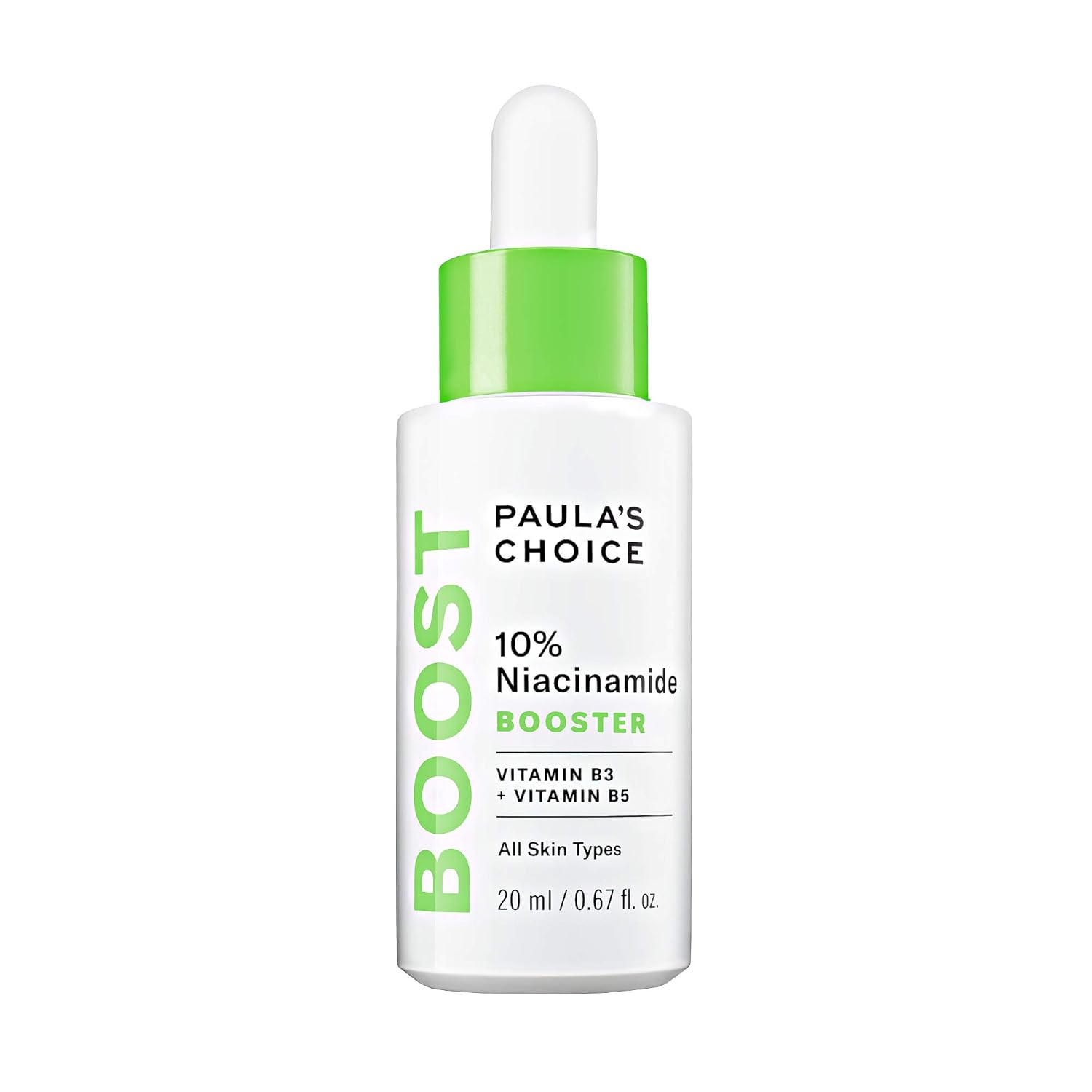
Recommended Niacinamide Serums By Reddit Users


Myth vs. Fact
Myth: Niacinamide makes tretinoin less effective.
Fact: Niacinamide does not deactivate tretinoin when you layer them as separate products.
Myth: You must wait 30 minutes between the two ingredients.
Fact: There is no set waiting time for everyone. You can wait a few minutes for comfort, but a long gap does not appear necessary.
Myth: Peeling means tretinoin is working.
Fact: You do not need peeling to get results. Heavy peeling often means that your routine is too harsh.
Myth: More tretinoin creates faster results.
Fact: Using too much raises the risk of irritation. A pea-sized amount is usually enough for the whole face.
Myth: Everyone should use tretinoin every night.
Fact: Some people do well with two or three nights per week. Your best schedule is the one your skin can handle.
Benefits of Combining Niacinamide With Tretinoin
Niacinamide and tretinoin target some of the same concerns in different ways. This can make them a useful pair.
Stronger Skin Barrier
Your skin barrier acts like a protective wall. It keeps water inside and helps keep irritants out.
Tretinoin may weaken this barrier during the early adjustment period. Niacinamide supports the natural production of ceramides and other barrier lipids. These substances fill the gaps between skin cells and help the surface stay smooth.
That does not mean niacinamide can prevent every side effect. Still, it may make a tretinoin routine easier to tolerate.
Less Dryness and Peeling
Tretinoin dryness is common. It can happen even if your skin is normally oily.
Niacinamide may help the skin retain moisture. When you pair it with a gentle moisturizer, it may reduce tretinoin peeling and tightness.
The strength of your serum matters. A simple product with 2% to 5% niacinamide may feel better than a complex 10% formula, especially for sensitive skin.
Reduced Redness
Niacinamide has soothing properties. It may help calm mild redness caused by dryness or a weak barrier.
However, it will not fix severe irritation on its own. If your skin feels hot, raw, painful, or swollen, stop using active products and contact your doctor.
Improved Acne Results
Tretinoin is often prescribed for acne vulgaris. It helps prevent dead skin and oil from blocking pores.
Niacinamide may support an acne routine by helping with excess oil, redness, and barrier health. It can be useful for oily skin that feels dry after starting tretinoin.
Keep the rest of the routine simple. Too many acne products can create more irritation without giving you better results.
Better Hyperpigmentation Improvement
Tretinoin can help fade some forms of hyperpigmentation over time. It supports cell turnover, which can make dark patches look more even.
Niacinamide may also help with uneven pigment. This can be helpful for post-inflammatory hyperpigmentation, or PIH, left behind after acne.
Neither ingredient works overnight. Dark marks can take several months to improve. Daily sunscreen is also essential. Without it, sun exposure may make the marks darker again.
More Even Skin Tone
Both ingredients can improve the look of uneven skin, but they work at different speeds.
Niacinamide may give the skin a calmer, more balanced look. Tretinoin works deeper and usually takes longer. With steady use, the two may improve texture, tone, acne marks, and dullness.
Which Goes First: Niacinamide or Tretinoin?
For most routines, apply niacinamide before tretinoin.
Use this order:
- Gentle cleanser
- Hydrating toner, if desired
- Niacinamide serum
- Tretinoin
- Moisturizer
This order works well because most niacinamide serums have a light, water-based texture. Tretinoin cream or gel often feels thicker.
A common skincare rule is to apply products from thin to thick. This helps you spread each layer in a smooth and even way.
Still, texture is not the only factor. Comfort matters more.
Applying niacinamide serum before tretinoin can add a light buffer between your skin and the medicine. This may reduce irritation for some people. A thin serum does not weaken tretinoin in the same way that mixing it with a random amount of another product might.
If your niacinamide comes in a thick cream, the order may change. Follow the instructions from your prescriber and consider the texture of each product.
Step-by-Step Night Routine
Here is a simple tretinoin and niacinamide routine for most beginners.
Step 1: Wash With a Gentle Cleanser
Use a mild cleanser that removes sunscreen, makeup, oil, and dirt without leaving your face tight.
Avoid cleansers with:
- Scrub particles
- Strong fragrance
- High levels of exfoliating acids
- Harsh drying ingredients
- Strong acne actives, unless prescribed
Use lukewarm water. Hot water can worsen dryness and redness.
If you wear heavy makeup or water-resistant sunscreen, you may need a gentle first cleanse. Follow it with a mild facial cleanser.
Recommended Gentle Cleanser By Reddit Users


Step 2: Let Your Skin Dry
Pat your face with a soft towel. Do not rub it.
Apply tretinoin only after your skin feels fully dry. Damp skin may allow the product to spread or absorb more quickly, which can increase irritation.
You do not need to watch the clock for an exact number of minutes. Wait until your skin no longer feels damp. For some people, that takes only a few minutes.
If your prescriber told you to wait longer, follow that advice.
Step 3: Apply Niacinamide Serum
Use enough niacinamide to cover your face in a thin layer. For many serums, two or three drops will do. Pump products may need one small pump.
More is not better. A heavy layer may pill under tretinoin or feel sticky.
Gently spread the serum over your skin. Do not rub hard.
You can apply tretinoin once the serum has settled and your skin feels dry. This may take one to five minutes. You do not need a long wait unless it feels better for your skin.
If the serum stings, rinse it off. A lower niacinamide strength or a simpler formula may suit you better.
Step 4: Apply a Pea-Sized Amount of Tretinoin
Place one pea-sized amount on a clean fingertip. That is usually enough for the whole face.
Dot tiny amounts across your:
- Forehead
- Cheeks
- Chin
Then spread the product into a very thin layer.
Do not use a pea-sized amount on each section. That would be far too much.
Avoid applying tretinoin directly to sensitive areas, including:
- Eyelids
- Under-eye area
- Corners of the nose
- Corners of the mouth
- Lips
- Broken or sunburned skin
Be careful around the crease between your nose and cheeks. Product can collect there and cause soreness.
Do not apply tretinoin to your neck unless your prescriber says you can. The skin on the neck is often more sensitive than facial skin.
Wash your hands after applying it.
Step 5: Finish With Moisturizer
Apply a gentle, fragrance-free moisturizer after tretinoin.
Your moisturizer should leave your skin comfortable, not greasy or hot. You can use a lotion, cream, or gel cream based on your skin type.
Look for ingredients such as:
- Ceramides
- Glycerin
- Panthenol
- Squalane
- Hyaluronic acid
If your face feels dry during the day, use a richer moisturizer at night.
Recommended Moisturizer By Reddit Users


Should You Wait Between Niacinamide and Tretinoin?
You do not need a strict waiting period between niacinamide and tretinoin.
A short wait can make the routine more comfortable. It can also prevent products from mixing, rolling up, or pilling on the skin.
Try this simple rule:
- Let the niacinamide serum settle.
- Make sure your face does not feel wet.
- Apply your tretinoin.
For most people, one to five minutes is enough. You can wait longer if your skin feels better that way, but long waits have not been shown to make tretinoin work better.
The more important step is applying tretinoin to skin that is not damp.
The Tretinoin Sandwich Method Explained
The sandwich method places tretinoin between two layers of moisturizer.
The basic order is:
- Moisturizer
- Tretinoin
- Moisturizer
The first layer buffers the skin. The final layer helps lock in moisture.
This method may suit:
- Tretinoin beginners
- People with dry skin
- People with sensitive skin
- Anyone dealing with mild peeling
- People returning to tretinoin after a break
If your skin barrier feels severely damaged, do not try to push through with the sandwich method. Pause tretinoin and ask your prescriber for advice.
Can You Add Niacinamide to the Sandwich Method?
Yes. You can include niacinamide if it does not sting or cause more redness.
Try this routine:
- Gentle cleanser
- Niacinamide serum
- Light layer of moisturizer
- Pea-sized amount of tretinoin
- Second layer of moisturizer
Let each layer settle before applying the next one. You do not need long waits.
The sandwich method may reduce how strongly tretinoin reaches the skin, depending on the moisturizer and application. That trade-off may be worthwhile if it helps you use tretinoin without constant irritation.
How Often Should You Use Them Together?
Niacinamide can often be used every day. Tretinoin needs a slower start.
Your prescriber’s directions should come first. If you received no special schedule, a cautious tretinoin routine for beginners may look like this:
Week 1
Use tretinoin on two non-consecutive nights.
For example:
- Monday
- Thursday
Week 2
If your skin feels comfortable, use it on three non-consecutive nights.
For example:
- Monday
- Wednesday
- Saturday
Week 3 and Beyond
Move to every other night if your skin is tolerating it.
You may later increase to nightly use if your doctor recommends it and your skin stays comfortable. Not everyone needs to use tretinoin every night.
Increase use only when your skin feels calm. Do not increase the frequency because you want faster results.
Signs Your Skin Is Not Ready for More
Stay at your current schedule or reduce use if you notice:
- Ongoing burning
- Painful tightness
- Heavy peeling
- Bright or lasting redness
- Cracking around the mouth or nose
- Moisturizer that suddenly stings
- Increased sensitivity to most products
Mild dryness can occur at first. Pain, swelling, blistering, or severe inflammation is not a normal goal. Stop and seek medical advice if those symptoms appear.
5 Common Mistakes to Avoid
Using Too Much Tretinoin
A thick layer does not work faster. It mainly raises your risk of irritation.
Use one pea-sized amount for your whole face.
Applying Tretinoin to Wet Skin
Wet or damp skin may increase penetration and irritation. Let your skin dry first.
Skipping Moisturizer
Moisturizer is a key part of a tretinoin skincare routine. It supports the skin barrier and may reduce dryness.
Even oily skin can benefit from a light moisturizer.
Starting With Nightly Use
Your skin needs time to adjust. Start with a few nights per week unless your doctor gave you different directions.
Adding Strong Exfoliants
AHAs, BHAs, scrubs, and peeling products can be too harsh when you start tretinoin.
Do not treat peeling with more exfoliation. That usually makes the problem worse.
Using Too Many Active Ingredients
A crowded routine makes it hard to know what is causing irritation.
Keep your routine simple:
- Cleanser
- Niacinamide
- Tretinoin
- Moisturizer
- Morning sunscreen
Add other products only when your skin feels stable.
Ignoring Irritation
Tretinoin irritation is not something you must defeat through willpower. Persistent irritation can damage your barrier and make it harder to stay consistent.
Reduce the frequency or take a short break. Contact your prescriber if the reaction is severe or does not improve.
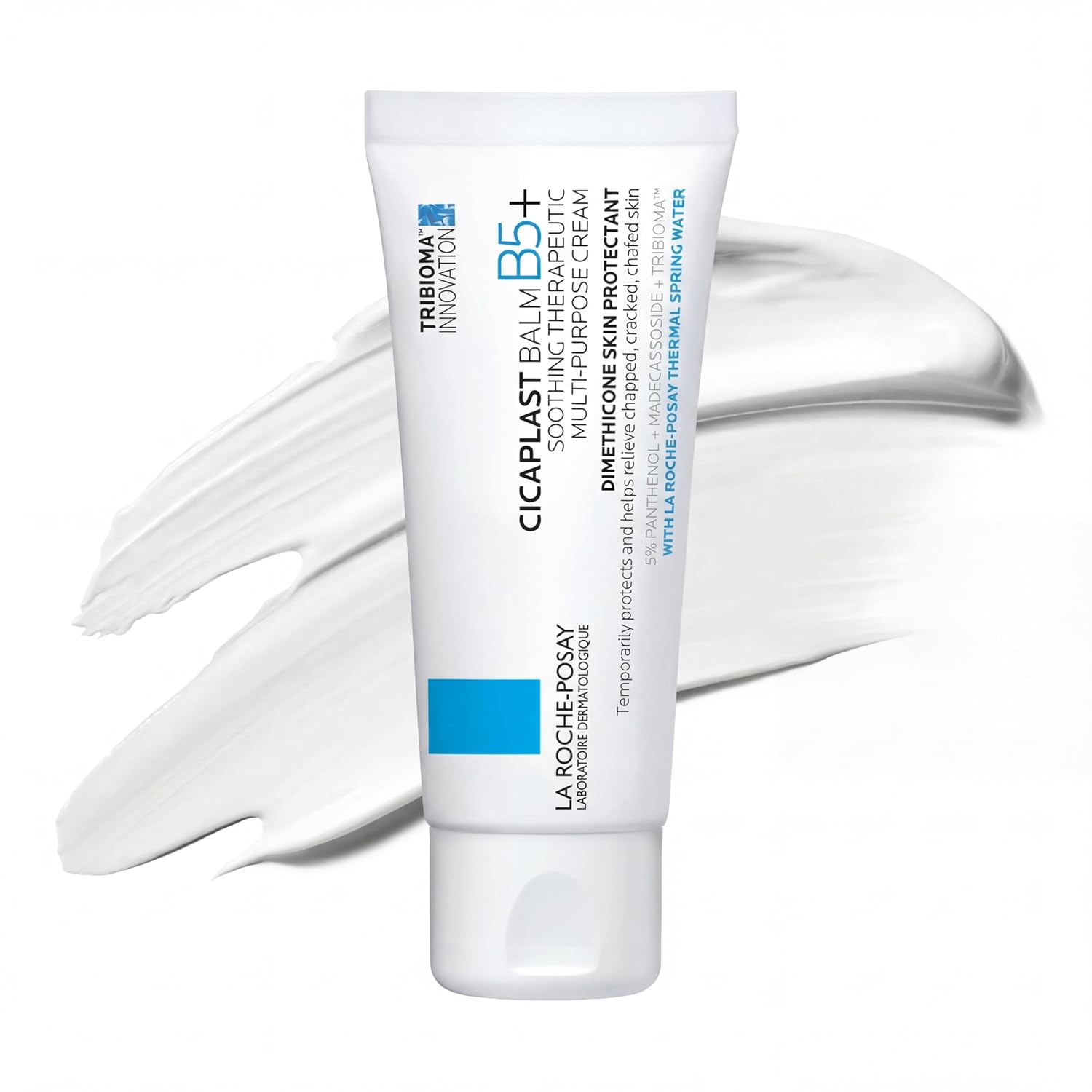
For Managing Irritation Recommended Product

Giving Up Too Soon
Tretinoin often takes time. Acne and texture may need several weeks or months to improve. Fine lines and dark marks may take longer.
Early dryness does not mean the product has failed. Adjust the routine before you decide to stop.
Can You Mix Niacinamide and Tretinoin in Your Hand?
You may be able to mix them, but layering is usually the better option.
Mixing products in your hand can make the dose less consistent. You may apply more tretinoin to one part of your face and less to another.
It can also dilute or unevenly spread the medicine.
Instead, apply a thin layer of niacinamide first. Let it settle. Then apply your pea-sized amount of tretinoin.
Only mix tretinoin with another product if your prescriber has told you to do so.
Can You Use Them Every Night?
You may be able to use niacinamide and tretinoin together every night. However, nightly use is not right for everyone.
Your ideal schedule depends on:
- Your skin type
- The strength of your tretinoin
- How long you have used it
- The health of your skin barrier
- Your local climate
- Other products in your routine
- Your prescriber’s instructions
Dry or cold weather may make your skin more sensitive. Hot weather, sweat, and frequent washing can also cause irritation.
You do not need nightly use to have a good routine. Consistent use two to four nights per week may be more practical than nightly use followed by repeated breaks.
What Percentage of Niacinamide Works Best?
A niacinamide strength between 2% and 5% is a good starting point for many people using tretinoin.
Here is a simple guide:
2% Niacinamide
This mild strength may suit very sensitive or dry skin. It can add barrier support without making the routine feel intense.
4% Niacinamide
A 4% product offers a useful middle ground. It may support the skin barrier and help with uneven tone.
5% Niacinamide
Five percent works well for many skin types. It may help with oil, redness, dark marks, and barrier health.
10% Niacinamide
Ten percent is popular, but it is not always better. Some people develop redness, stinging, bumps, or dryness at this strength.
If you already tolerate a 10% serum, you may continue using it. If you are new to both ingredients, start with a lower strength or introduce one product at a time.
Check the full formula as well. Fragrance, acids, and other active ingredients may cause more trouble than the niacinamide itself.
Best Moisturizer to Pair With This Routine
The best moisturizer after tretinoin is one that feels calming and keeps your skin comfortable.
Look for a simple formula with some of these ingredients:
Ceramides
Ceramides are natural fats found in the skin barrier. They help reduce moisture loss and support the outer layer of the skin.
Glycerin
Glycerin draws water into the surface of the skin. It works well in both light lotions and rich creams.
Panthenol
Panthenol is also known as provitamin B5. It can soothe dry skin and support barrier repair.
Squalane
Squalane softens the skin and helps reduce moisture loss. It usually feels lighter than many plant oils.
Hyaluronic Acid
Hyaluronic acid attracts water. It can make dry skin feel smoother and more comfortable.
If you use a hyaluronic acid serum, apply moisturizer over it. Using it alone may not provide enough comfort in a dry climate.
What to Avoid
Try to avoid moisturizers with:
- Strong fragrance
- Exfoliating acids
- Harsh essential oils
- High levels of drying alcohol
- Several strong active ingredients
A plain moisturizer may not look exciting. Yet it is often the smartest partner for tretinoin.
Ingredients That Pair Well With Niacinamide and Tretinoin
Ceramides
Ceramides help support a weak or dry skin barrier. Use them in your moisturizer after tretinoin.
Hyaluronic Acid
Hyaluronic acid can add hydration without exfoliating the skin. Apply it before moisturizer.
Glycerin
Glycerin works well in cleansers, serums, and moisturizers. It helps the skin hold water.
Panthenol
Panthenol can soothe dry, tight skin. It is useful during the early adjustment period.
Squalane
Squalane can soften rough, flaky areas. It may help dry skin tolerate tretinoin more easily.
You do not need every ingredient in one routine. Choose one or two simple products that cover your needs.
Ingredients to Avoid in the Same Routine
Not every combination is unsafe. However, too many strong products can overwhelm your skin.
AHAs
Glycolic acid, lactic acid, and other alpha hydroxy acids exfoliate the skin. Using them with tretinoin may increase burning and peeling.
If you want to use an AHA, wait until your skin has adjusted. Use it on a separate night and ask your prescriber if it suits your skin.
BHAs
Salicylic acid can help unclog pores, but it can also add dryness. Avoid using it in the same nighttime routine when you first start tretinoin.
Benzoyl Peroxide
Benzoyl peroxide is useful for acne, but it may not pair well with every tretinoin formula when used at the same time. It can also increase dryness.
A doctor may recommend benzoyl peroxide in the morning and tretinoin at night. Some newer formulas may have different directions. Follow your prescription plan.
High-Strength Vitamin C
Pure L-ascorbic acid can sting sensitive skin. It may feel too harsh when combined with tretinoin in one routine.
If your skin tolerates vitamin C, use it in the morning and tretinoin at night.
Physical Scrubs
Scrubs can tear at flaky skin and worsen redness. Use a soft washcloth only if needed, and never scrub peeling areas.
Strong Peels
Avoid home peels while your skin is adjusting to tretinoin. Ask your doctor before getting a professional peel, wax, or strong facial treatment.
Morning Routine After Using Tretinoin
Your morning routine should protect and hydrate your skin.
Use this simple order:
- Gentle cleanser or water rinse
- Hydrating serum, if needed
- Moisturizer
- Broad-spectrum sunscreen with SPF 30 or higher
Daily sunscreen is not optional when you use tretinoin.
Tretinoin can make irritated skin more sensitive to the sun. Sun exposure can also worsen redness and hyperpigmentation.
Use enough sunscreen to cover your face, ears, and neck. Reapply during long periods outdoors, after sweating, or after wiping your face.
A hat and shade add more protection. Sunscreen alone cannot block every ray.
Recommended Sunscreen By Reddit Users And Forums


Who Should Not Combine Niacinamide and Tretinoin?
Do not push ahead with the routine if your skin is already badly irritated.
Pause and seek professional advice if you have:
- A severely damaged skin barrier
- An active eczema flare
- A severe rosacea flare
- Open sores or broken skin
- A recent strong peel or facial procedure
- A clear allergic reaction
- Severe burning, swelling, or blistering
You should also speak with your doctor if you are pregnant, trying to become pregnant, breastfeeding, or using other prescription skin treatments.
Niacinamide is usually mild, but any ingredient can cause a reaction. Patch test a new product before applying it across your face.
Frequently Asked Questions
Can I Apply Niacinamide After Tretinoin?
Yes. You can apply niacinamide after tretinoin if the product has a suitable texture and does not cause stinging.
Still, most people find it easier to use niacinamide before tretinoin and moisturizer afterward.
Can I Use Niacinamide Twice a Day?
Yes, many people can use niacinamide in the morning and at night.
Start once a day if you have sensitive skin. Increase only if your skin remains comfortable.
Does Niacinamide Reduce Tretinoin Effectiveness?
Niacinamide does not deactivate tretinoin. Applying it first may provide mild buffering, but that can be useful if it reduces irritation and helps you stay consistent.
Can Beginners Use Both Together?
Yes. Niacinamide may be helpful in a tretinoin routine for beginners.
Introduce products slowly. If both are new, consider starting niacinamide first. Add tretinoin once you know the serum does not irritate your skin.
Can Oily Skin Use Both?
Yes. Oily skin can still become dry or irritated from tretinoin.
Choose a light niacinamide serum and a non-greasy moisturizer. Do not skip moisturizer just because your skin produces oil.
Can Dry Skin Use Both?
Yes, but dry skin may need extra support.
Use a low-strength niacinamide product, a rich moisturizer, and the sandwich method. Start tretinoin only a few nights per week.
Can I Use 10% Niacinamide With Tretinoin?
You can if your skin already tolerates it. However, 10% niacinamide may irritate some people.
A 2% to 5% formula may be a gentler choice when you start tretinoin.
Should I Use Moisturizer Before Tretinoin?
You can. Moisturizer before tretinoin can buffer the medicine and reduce irritation.
This approach is useful for beginners and people with dry or sensitive skin.
How Long Does It Take to See Results?
The timeline depends on your concern.
Acne may begin to improve within several weeks, but clearer results often take a few months. Dark marks, fine lines, and rough texture may take longer.
Your skin may look worse during the early adjustment period. Contact your prescriber if acne becomes severe or irritation feels unmanageable.
Can I Use Vitamin C in the Morning and These at Night?
Many people can use vitamin C in the morning, then niacinamide and tretinoin at night.
Do not add vitamin C while your skin is irritated. A simple morning routine may be better until your barrier feels stable.
Can I Use Niacinamide and Tretinoin Around the Eyes?
Be cautious.
Do not put tretinoin on the eyelids or close to the lash line unless your doctor has given clear directions. The product can move across the skin and irritate the eyes.
Niacinamide may be used around the orbital bone if the product is made for that area and does not sting. Keep it out of your eyes.
Final Thoughts
Niacinamide and tretinoin can work well together. Niacinamide supports the skin barrier, while tretinoin targets acne, uneven texture, dark marks, and visible signs of aging.
For most people, the best routine is:
- Wash with a gentle cleanser.
- Let your skin dry.
- Apply niacinamide before tretinoin.
- Use one pea-sized amount of tretinoin.
- Finish with moisturizer.
- Wear broad-spectrum SPF 30 or higher every morning.
Start slowly. Do not chase peeling or redness. Those are signs of irritation, not proof of better results.
If your skin is dry or sensitive, try the tretinoin sandwich method. You can also reduce how often you use it.
Most of all, stay consistent. A gentle routine you can follow for months is more useful than a strong routine that forces you to stop after one week.