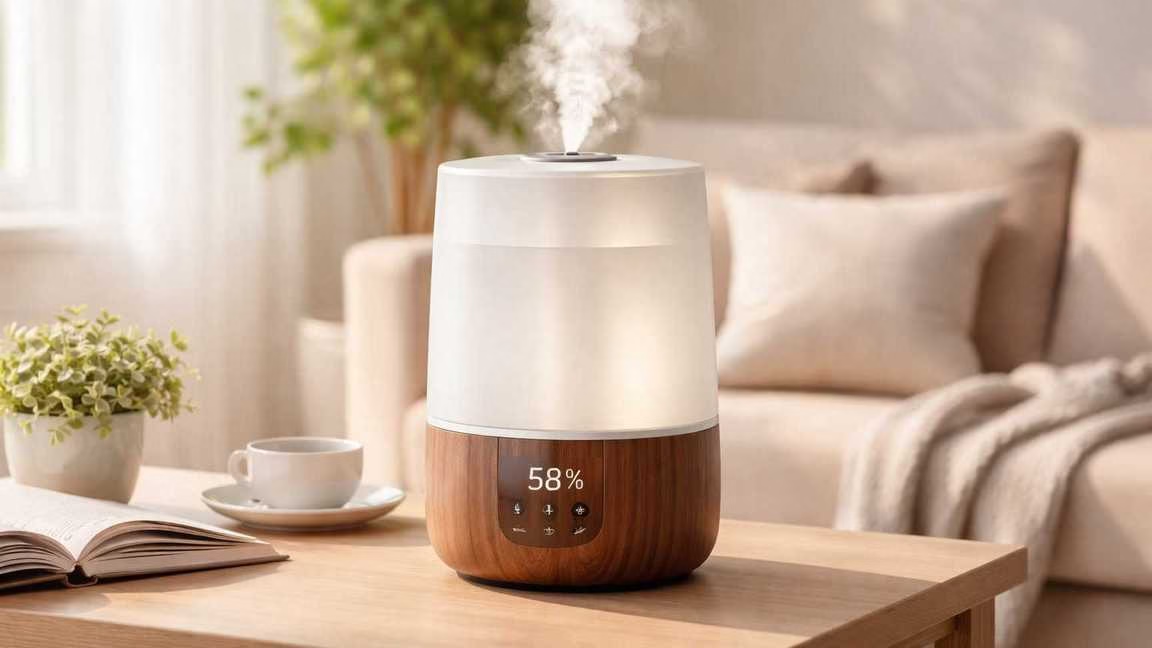
Open the tank and you find it. Slick pink or orange slime. Maybe a funky pond smell, too. Your humidifier isn’t possessed. You’re not crazy.
Here’s the good news. Most units can be saved. Here’s the bad news. A simple rinse or vinegar soak won’t cut it. That slime is a protected biofilm, not a simple stain. To beat it, you need the right method.
What Is This Pink Gunk?
It’s usually not mold. It’s often a bacterial biofilm. A common culprit is Serratia marcescens. This bacteria loves wet, stagnant places. It feeds on mineral deposits and film in your tank.
This is more than a cosmetic issue. Humidifiers put tank contents into the air you breathe. This is especially true for cool mist or ultrasonic types. Cleaning it properly is a must for healthy indoor air.
Why Vinegar Alone Fails
Think of pink slime like engine sludge. It doesn’t just rinse off. Microbes build a protective biofilm to survive.
- Vinegar is great for minerals. It dissolves limescale and loosens grime.
- Vinegar is poor at disinfecting. It doesn’t reliably kill mold or bacteria.
- Never mix bleach with vinegar (or any cleaner). It can release dangerous chlorine gas.
- Do not “fog” bleach indoors by running it through the humidifier. If you disinfect with bleach, do it as
- Do not “fog” bleach indoors by running it through the humidifier. If you disinfect with bleach, do it as a soak/wipe and rinse thoroughly.
- Rinse thoroughly after any disinfectant so you don’t aerosolize chemical residue when you run the unit.
That’s why a “vinegar-only” clean often fails. The slime comes right back. The winning strategy has two clear steps:
- Break up the biofilm and scale.
- Disinfect what’s left.
A Critical Warning: Never mix bleach with vinegar or other cleaners. This creates dangerous chlorine gas. Always use these products separately, with good ventilation.
Your Step-by-Step Cleaning Guide
Let’s get your humidifier clean and safe.
What You’ll Need:
- White vinegar
- Unscented household bleach or 3% hydrogen peroxide
- A bottle brush or old toothbrush
- Gloves and fresh air (open a window)
Step 1: Take It Apart Safely
- Unplug the unit.
- Dump all water. Take apart the tank, cap, gasket, and any removable parts.
- Do not submerge the base if it has electronics. You will only wipe it clean later.
Step 2: Break Up the Biofilm with Vinegar
For heavy slime or scale, use a 1:1 mix of vinegar and water. Soak parts for 20-30 minutes. For light cleaning, a few tablespoons of vinegar in half a gallon of water works.
Scrub every surface. Focus on seams, threads, under gaskets, and the mist outlet. Biofilm hides in corners.
Rinse everything thoroughly with clean water.
Step 3: Disinfect to Stop the Comeback
This step kills what the vinegar loosened.
Option A: Bleach (CDC Method)
- Mix 5 tablespoons (1/3 cup) of bleach per gallon of cool water.
- Apply to all water-contact parts. Soak or wipe. Keep surfaces wet for at least 1 minute.
- Rinse everything completely. Let all parts air-dry.
Option B: Hydrogen Peroxide
Use standard 3% hydrogen peroxide. Wipe or soak parts according to the label directions. Rinse well and air-dry.
Remember: Never mix bleach and vinegar. Always rinse disinfectants away fully so they aren’t aerosolized later.
Step 4: Dry It Completely
Moisture is the enemy. Shake out water. Towel-dry what you can. Let everything air-dry upside down with caps off. Reassemble only when bone-dry.
How to Keep Pink Slime From Returning
Stop the problem before it starts.
- Daily: Empty the tank, wipe it dry, and refill with fresh water.
- Every 3 Days: Give it a quick clean to prevent buildup.
- Use Better Water: Fill with distilled or demineralized water. This removes the minerals that bacteria eat.
- Never Let Water Sit: Always empty and dry the tank when not in use. Stagnant water grows biofilm.
When to Replace Your Humidifier
Cleaning can’t fix everything. Consider a new unit if:
- The tank or base is cracked, warped, or leaking.
- A musty smell or slime returns right after a proper two-step clean.
- The design has hidden areas you can’t scrub.
- Someone in your home is an infant, elderly, or has lung issues. Clean air is extra important for them.
If you’re fighting a losing battle, it may be time for an upgrade. Look for a model designed to stay cleaner, longer.
Humidifier Maintenance & Cleaning
Practical, appliance-safe approaches to remove pink slime, kill biofilm, and keep parts dry between uses.
Best Steam Cleaner for Deep Cleaning
Steam is one of the safest ways to sanitize removable humidifier parts and knock out biofilm without harsh chemicals — see which steam units actually perform in real tests. :contentReference[oaicite:0]{index=0}
Pressure / Rinse Techniques for Tough Residue
Low-pressure rinses and nozzle technique can safely remove stubborn deposits on removable housings and grills — useful when vinegar alone won’t do the job. :contentReference[oaicite:1]{index=1}
Vacuums & Drying Methods to Prevent Regrowth
Removing standing water and accelerating dry time is the single best way to stop pink slime returning — our vacuum tests translate to practical drying setups for humidifiers. :contentReference[oaicite:2]{index=2}
Quick Questions Answered
Is pink slime dangerous?
For most healthy adults, it’s primarily gross. But humidifiers can spray tank contaminants into the air. Infants, the elderly, or those with allergies may be more sensitive. It’s best to keep your unit clean.
Can I use just vinegar?
You can, but it may not last. Vinegar removes scale but doesn’t fully disinfect. For lasting results, always follow with a disinfectant step.
Is bleach safe for my humidifier?
Yes, when used correctly. Always dilute it, never mix it, rinse it thoroughly, and let the unit dry completely. This prevents any chemical residue from becoming airborne.
Need more specific advice? Tell me your humidifier type (ultrasonic, evaporative, warm mist) and brand. I can give tips for your specific model.