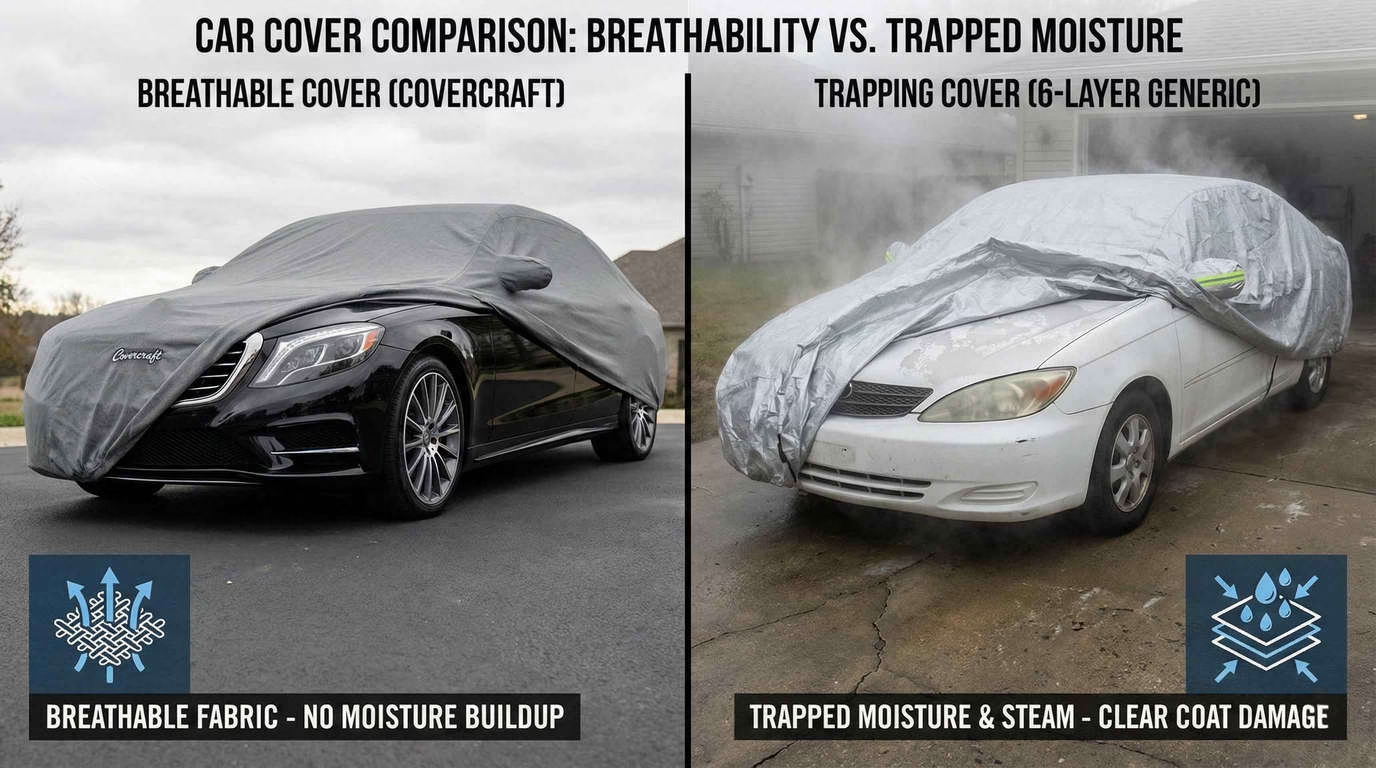
If you think “100% Waterproof” is a good thing for a car cover, you are about to ruin your paint.
Most people destroy their clear coat because they buy a cover that acts like a trash bag. It keeps rain out, but it traps ground moisture in. When the sun hits that trapped water, it steams your paint, causing the dreaded “milky clouding” oxidation that no amount of polishing can fix.
The other killer? Dust. If your cover is heavy and multi-layered, you can’t wash it. It accumulates dirt on the inside lining, turning into a giant sheet of sandpaper that micro-scratches your fenders every time the wind blows.
We analyzed the forum consensus to find the only covers that actually breathe and won’t sandblast your finish.
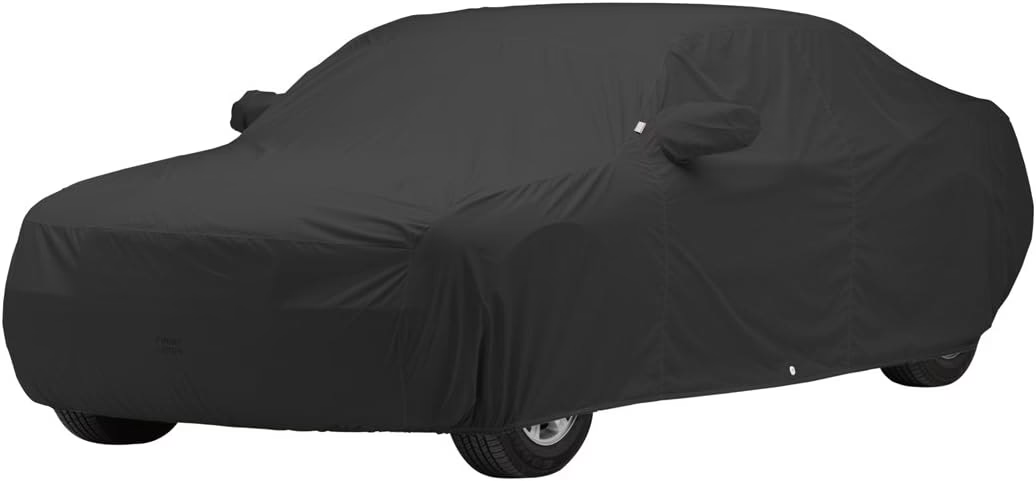
Covercraft WeatherShield HP
The Brutal Verdict: The only cover thin enough to wash in your home machine (removing scratchy dust) and breathable enough to stop clear coat rot.
Check Price on Amazon →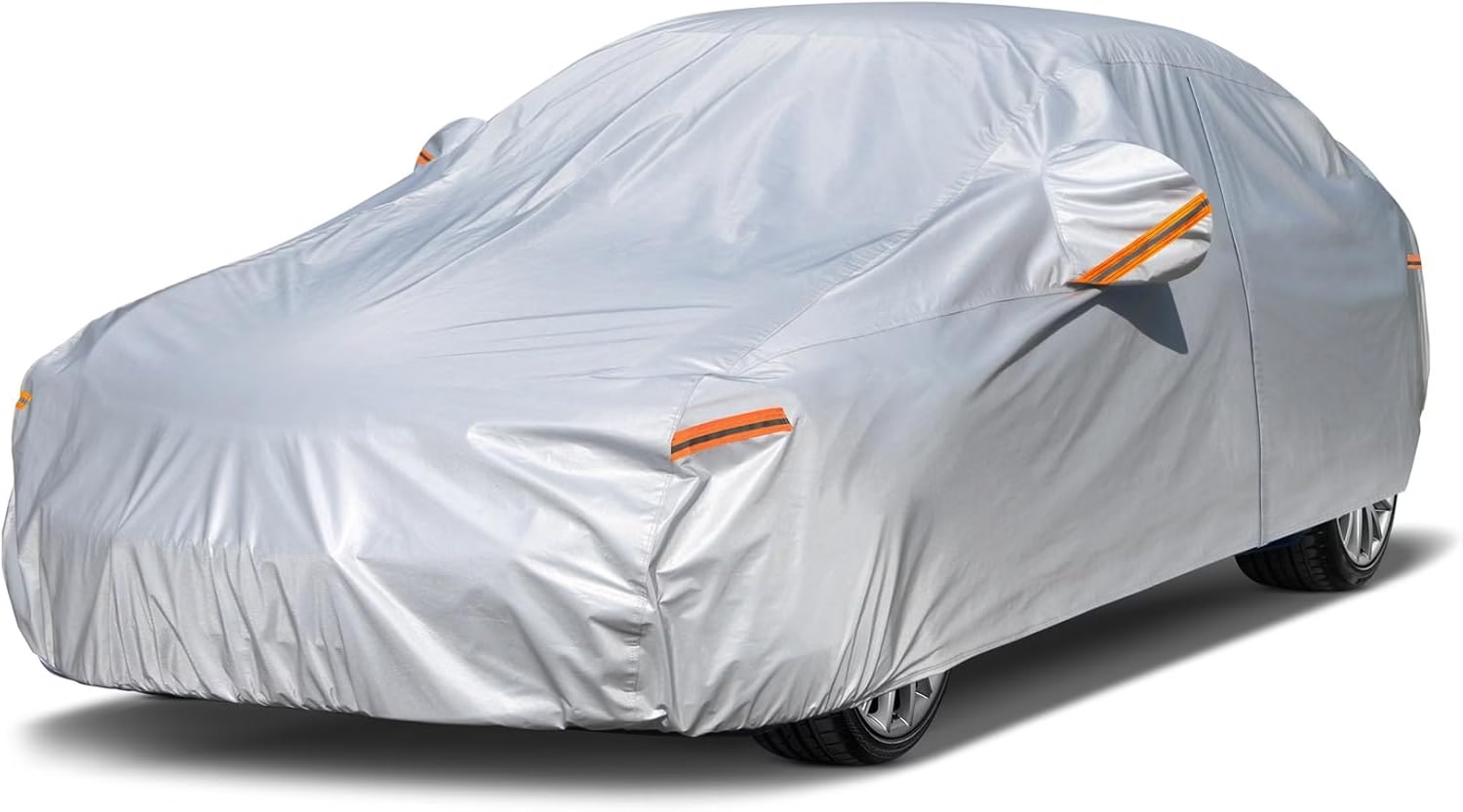
Kayme 6-Layer All-Weather
The Brutal Verdict: It’s a thick, heavy blanket that handles hail better than the winner, but it traps moisture and will disintegrate in 12 months.
Check Price on Amazon →1. Covercraft Custom Fit WeatherShield HP
Covercraft WeatherShield HP
- Home Washable: Fits in a standard washing machine to remove grit.
- Fade Resistant: Solution-dyed fabric lasts 5+ years in UV.
- Custom Fit: Mirror pockets prevent “ballooning” in high winds.
This cover is a “buy it for life” pick. Why? It’s incredibly thin. New buyers mistake thin for cheap. Smart owners know thin means easy care. You can toss it in your home washer. It packs down small—like a sleeping bag.
The truth about water:
It isn’t fully waterproof. That’s intentional. Heavy rain might leave damp spots. But here’s what users say:
“I panicked seeing water on my hood after a storm. Twenty minutes later? Both cover and car were bone dry.”
Trapped moisture ruins paint. This cover lets ground dampness escape fast. No “steam room” effect. No ruined clear coat.
The verdict:
Choose this if you love your car’s paint. If you keep your car for years, this cover pays off. Washing out dust prevents scratches. It’s the only cover that won’t harm your finish over time.
2. Kayme 6-Layer All-Weather Cover
Need armor against pine needles or hail? This budget cover delivers. It’s thick. Heavy. Padded. Users swear it stops golf-ball-sized hail that would dent a car under thinner covers.
The catch:
Its “6-layer” design has a weak spot. Glues bonding the layers fade fast in hot sun. One user’s Texas summer test:
“It shed white flakes like snow all over my convertible top.”
This cover sacrifices itself for your car. Expect to replace it yearly. It disintegrates after 12–18 months.
The verdict:
Grab this if you battle acorns, hail, or neighborhood cats. But budget $60 a year for replacements. Never use it on show-car paint. Its heavy fleece traps dust you can’t clean out.
3. Seal Skin All-Weather Car Cover
Seal Skin pushes hard as the “Covercraft killer.” Lifetime warranty. “100% waterproof.” On paper? It seems perfect.
The fit problem:
Forget custom tailoring. Seal Skin uses “semi-custom” sizing. One frustrated owner put it perfectly:
“It fits like a diaper on a doorknob. Wind lifts the loose edges. The cover becomes a parachute. Buckles slap my door paint all night.”
Returns are a headache too. Many pay steep restocking fees—even with their “guaranteed fit” promise.
The verdict:
Skip this if you live where wind blows. A loose cover flutters wildly. All that rubbing dulls your clear coat to a haze overnight. Not worth the risk.
Everything You Need to Know About Car Covers
Your complete guide to protecting your vehicle outdoors
Frequently Asked Questions
How to Install Your Car Cover Properly
Even the best car cover won’t protect properly if installed wrong. Follow these steps for maximum protection and longevity.
Clean Your Car Thoroughly
Wash and dry your vehicle completely. Any dirt trapped under the best outdoor car cover becomes sandpaper. Pay special attention to door jambs and wheel wells. Even tiny particles cause scratches when covers shift in wind. This step determines whether your cover protects or damages paint. The best car cover brands stress this in their instructions.
Identify Front and Back
Most quality covers have tags indicating front orientation. The best car cover design includes mirror pockets and antenna grommets as position markers. Lay the cover flat first. Check which end has the longer drop – that’s usually the rear for sedan covers. Getting orientation right prevents stress on seams. Custom-fit covers only work one way. Universal covers offer more flexibility but less protection.
Start From the Front
Drape the cover over your hood first. Pull it toward the windshield, smoothing as you go. This prevents the cover bunching at the roof. Work methodically backward. The best car cover for outdoor parking uses elastic hems that guide proper fit. Don’t yank or force material. Quality covers glide into place. Check that mirror pockets align before proceeding. Misalignment stresses fabric and reduces weather protection.
Secure All Attachment Points
Use every strap, buckle, and tie-down provided. The best car covers include reinforced grommets at strategic points. Thread straps under the chassis, not around bumpers. Bumper loops can scratch. Adjust tension evenly – too tight stresses seams, too loose allows flapping. For the best car cover for hail protection, secure attachment prevents wind from lifting the cover during storms. Some premium models include cable locks for theft deterrence.
Check the Fit and Smooth Any Wrinkles
Walk around your covered vehicle. Look for air pockets or loose sections. The best car cover material should sit close to body contours. Smooth any wrinkles by hand – trapped air causes flapping damage. Ensure antenna holes align properly. Check that the cover doesn’t contact the ground – moisture wicks up from soil. The best outdoor car cover for winter needs extra attention to prevent snow and ice pooling in sagging areas.
Inspect Regularly
Remove and air out your cover monthly. Even the best waterproof car cover needs periodic drying. Check for tears, especially at stress points. Inspect tie-down integrity. Re-wash your car if dirt accumulates. The best car cover companies recommend seasonal deep cleaning. Hand wash with mild soap. Never machine wash unless explicitly stated. Air dry completely before storage. This maintenance extends cover life significantly. For the best car cover for classic cars, monthly inspections prevent hidden moisture damage.
Pro Tips for Maximum Car Cover Performance
Climate Matching
The best car cover for Arizona sun differs from the best for winter storage. Hot climates need UV-resistant materials. Cold areas require flexible fabrics that don’t crack. Florida owners need maximum breathability. Match your cover to local weather patterns for optimal protection.
Measure Twice
Custom-fit beats universal every time. The best car cover brand sites offer fitment guides. Enter your exact year, make, and model. Account for modifications like spoilers or roof racks. A proper fit prevents moisture pockets and wind damage. Worth the extra cost.
Wind Protection
The best outdoor car covers include ventilation panels. These prevent ballooning during storms. Use all provided straps – wind lifts unsecured covers. For extreme areas, add auxiliary tie-downs. Secure attachment points prevent the scratching that cheap, flapping covers cause.
Storage Matters
Store your cover in the included bag between uses. Don’t leave it wadded in your trunk. Moisture promotes mildew. The best car covers come with breathable storage bags. Keep them in a cool, dry location. Proper storage extends cover life by years.
Read Reviews Carefully
The best car cover Reddit threads include long-term user experiences. Look for reviews mentioning durability after 6+ months. Check Amazon photos showing actual condition. Consumer Reports tests material integrity. Don’t trust short-term five-star reviews – covers fail slowly.
Budget Wisely
The best car cover under $100 exists but requires research. Mid-range options ($150-250) offer the sweet spot for outdoor parking. Premium covers ($300+) suit classic cars and luxury vehicles. Calculate cost per year of protection. A $200 cover lasting five years beats three $80 replacements.
4. Pro-Tip: How to Wash a Cover
Maintenance Hacks: The “Laundromat” Rule
A dirty car cover is just a sheet of sandpaper. If you put a dusty cover on a clean car, you are grinding silica into the paint. You MUST wash it.
🚗 Exterior Care Guides
Protecting your paint is more than just a cover. Here is how to handle winter storage and scratches.
Winter Storage Guide
Why do batteries die in storage? How to stop flat spots on tires when parked for months.
Safe Drying Methods
Stop using towels. Why a drying blower is the only way to prevent swirl marks after washing.
Fixing Scratches
Did your old cover scratch your paint? Here is the difference between Compound, Polish, and Wax.
Final Verdict
- For 90% of Users: Buy the Covercraft WeatherShield HP. It is expensive, but it pays for itself by NOT ruining your clear coat. You can wash it at home, and it packs small enough to keep in your trunk.
- For Hail Protection: Buy the Kayme 6-Layer. It’s a cheap, disposable shield. Use it for the bad season, then throw it away when it starts to shed.
- Avoid: The Seal Skin. The “Universal Fit” is a recipe for wind damage.