
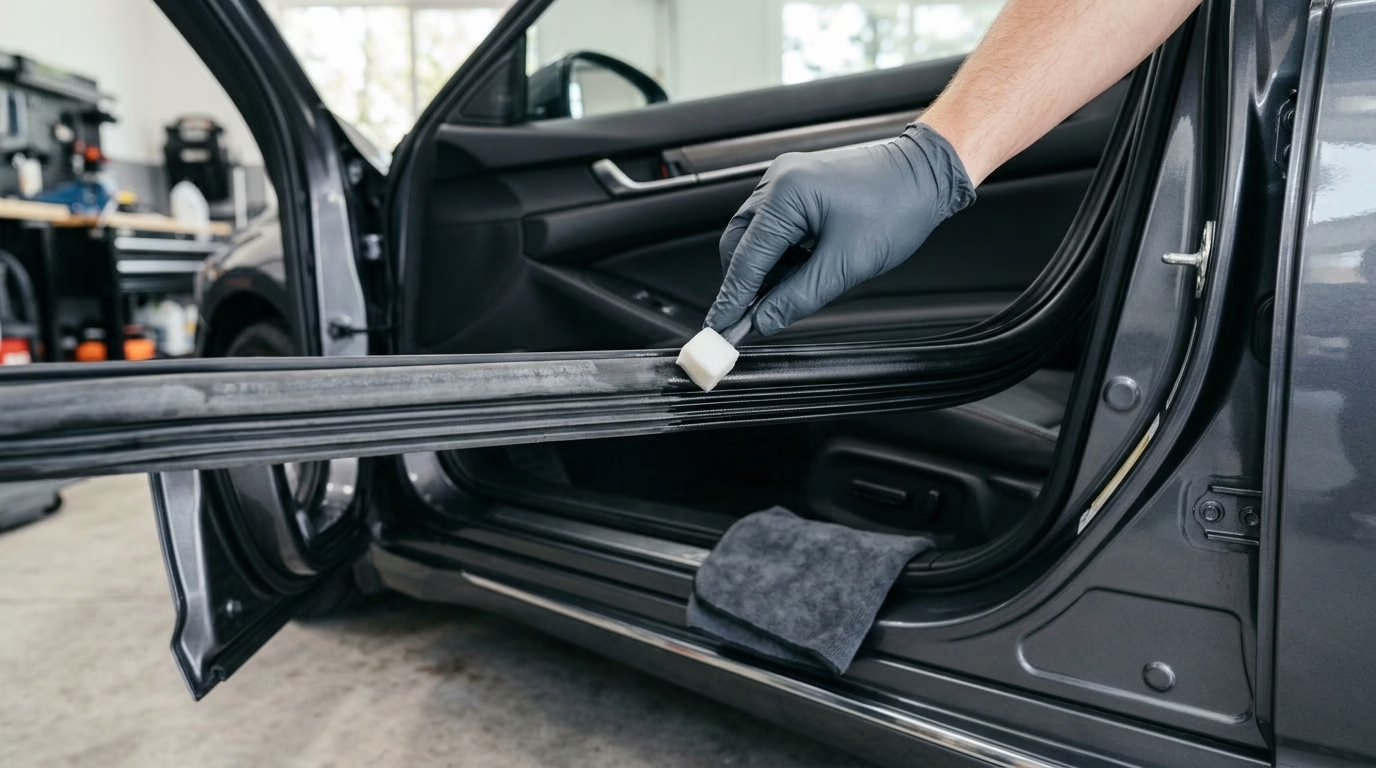
Before ranking these products, I reviewed thousands of buyer comments and owner discussions. The list reflects how these treatments perform in real use, not just the claims printed on each bottle.
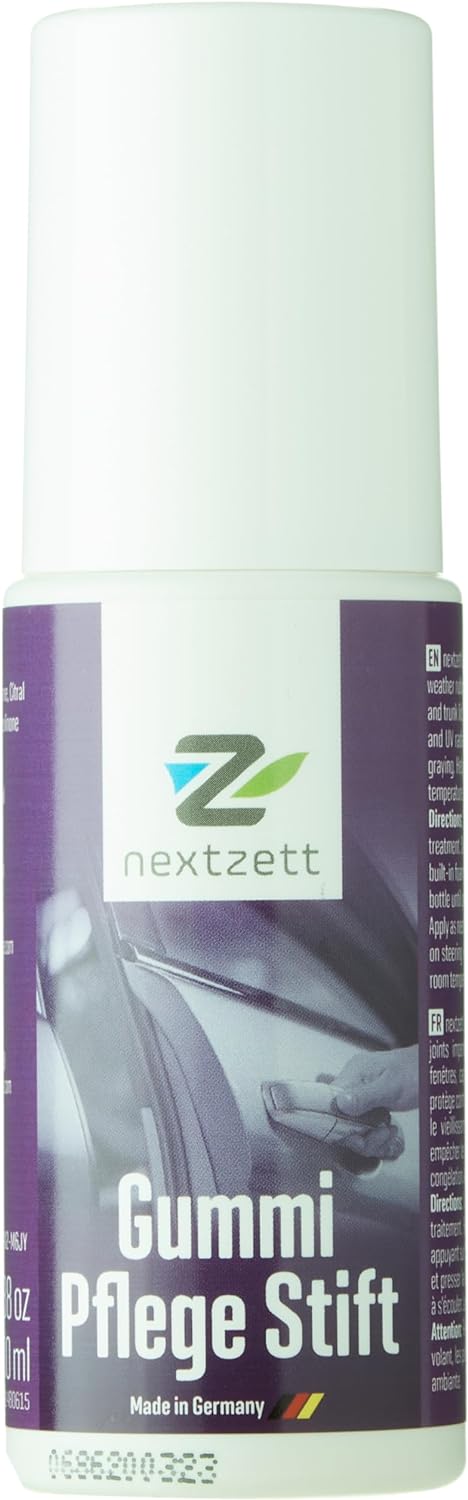
The best car rubber seal restorer for most vehicles is nextzett Gummi Pflege. It conditions weatherstripping, applies without much mess, and works on most door, trunk, window, and roof seals.
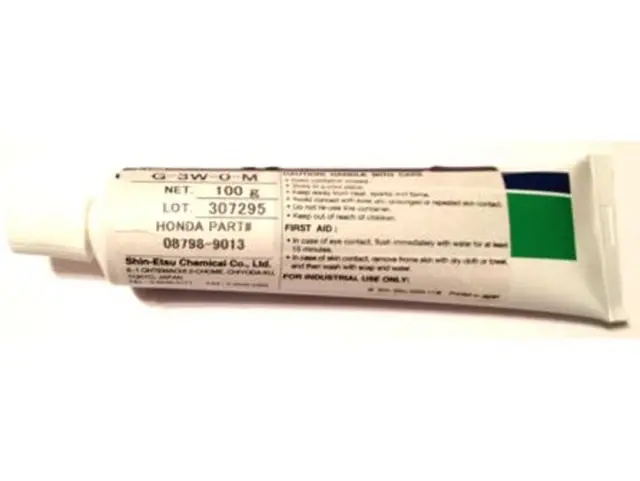
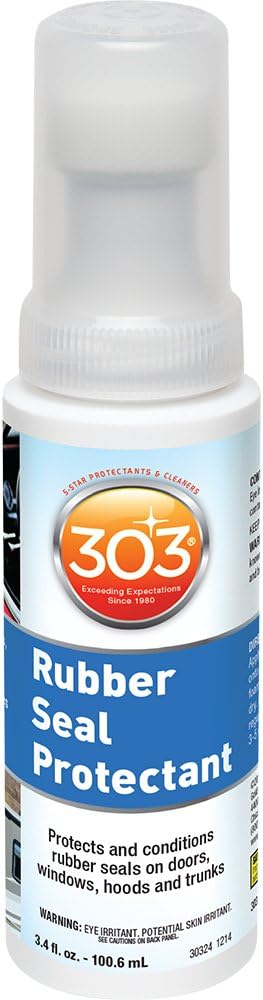
Honda Shin-Etsu is a better fit for older, stiffer rubber. Choose 303 Rubber Seal Protectant if sun damage is your main concern.
Keep your expectations realistic. These products can condition and protect usable rubber. They cannot rebuild torn, missing, or crushed weatherstripping.
Best Car Rubber Seal Restorers at a Glance


Prices and package sizes can change. Some products also cost more in areas where they must be imported.
The Best Car Rubber Seal Restorers Reviewed
Each product below serves a different type of buyer. Your best choice depends on the seal’s age, damage, location, and main problem.
1. nextzett Gummi Pflege Rubber Care Stick: Best Overall
Quick product details
- Brand: nextzett
- Type: Water-based rubber conditioner
- Form: Liquid with a built-in foam applicator
- Primary role: Conditioning and protection
- Suitable for:
- Door seals
- Window seals
- Trunk seals
- Hood seals
- Sunroof seals
- Convertible roof seals
Why it earned the top spot
Nextzett Gummi Pflege offers the best mix of care and ease. It was made for automotive weatherstripping, not tires or hard plastic trim.
The foam tip also gives you good control. You can reach narrow seals without spraying nearby glass, paint, or fabric.
It conditions moderately dry rubber and helps it stay flexible. It can also reduce sticking, light squeaks, and some weatherstrip noise.
Performance on dry or hardened rubber
Gummi Pflege works best on rubber that feels dry but remains intact. It may restore some softness and spring to a neglected seal.
Old rubber may need more than one treatment. Deep cracks, severe shrinkage, and flat spots will not disappear.
Finish and cleanliness
The finish feels cleaner than thick silicone grease. It should not leave a heavy, glossy coating when used with care.
Still, more product is not better. Wipe away wet spots before they reach glass or fabric trim.
Long-term protection
Regular use can help slow drying and weather damage. It also reduces the chance of seals sticking during cold weather.
No conditioner offers permanent protection. Heat, sunlight, dirt, salt, and washing will wear the layer down.
Pros
- Made for automotive weather seals
- Easy foam-tip application
- Clean, low-residue finish
- Helps maintain flexibility
- Works on most vehicle seals
- Useful in both hot and cold weather
Cons
- The bottle is fairly small
- Very dry seals may need repeat coats
- It cannot fix torn or crushed rubber
- Heavy grease may last longer on stubborn squeaks
Notable owner feedback
Owners often report softer seals and fewer creaks after use. It also gets praise for reducing hatch rattles and winter sticking.
Long-term users tend to value prevention most. Keeping good seals flexible is easier than trying to save badly damaged ones.
Check PriceBest for
Choose it if you want one simple product for routine seal care. It suits most cars and most common weatherstrip problems.
Who should skip it
Skip it if the seal is torn, loose, or badly compressed. A new seal or mechanical fix will be more useful.
It is also not the top choice for a stubborn roof squeak. Krytox or Shin-Etsu may last longer there.
2. Honda Shin-Etsu Silicone Grease: Best for Dry or Hardened Seals
Quick product details
- Brand: Honda and Shin-Etsu
- Type: Silicone grease
- Form: Thick grease in a tube
- Primary role: Conditioning and lubrication
- Best applications:
- Older door seals
- T-top seals
- Convertible roof seals
- Sunroof seals
- Frameless window seals
Why it stands out
Shin-Etsu has a strong following among owners of older cars. It is common in Honda, Miata, convertible, and T-top groups.
The grease gives dry rubber a slick, protected surface. It can reduce noise and help seals move without binding.
You also get many treatments from one tube. Only a very thin coat is needed.
Performance on hardened seals
Shin-Etsu can improve rubber that feels dry, stiff, or rough. It reduces friction and may help the seal feel more flexible.
That does not mean it reverses rubber aging. It cannot put lost material back into the seal.
Performance on minor leaks
A dry seal may not sit well against glass or metal. Shin-Etsu can improve surface contact in some cases.
It may help with a small leak caused by dryness. It will not fix:
- Torn rubber
- Missing seal sections
- Failed glue
- Bad door alignment
- Worn roof guides
- Cracked seal joints
- Blocked roof drains
A leak that keeps returning needs a full check.
Finish and cleanliness
Shin-Etsu is much greasier than Gummi Pflege or 303. That is both its strength and its weakness.
A thick coat can collect dust and transfer to glass. It may also mark clothing near the door opening.
Use less than you think you need. Then buff the seal until no thick film remains.
Pros
- Strong choice for older seals
- Helps with creaks and rubbing noise
- Lasts longer than many water-based products
- Useful on convertible and removable roof seals
- One tube covers many treatments
Cons
- Messy when overused
- Can attract dust
- May transfer to glass or clothing
- UV protection is not its main purpose
- It may not suit every flocked or coated seal
Notable owner feedback
Owners often report fewer squeaks, less wind noise, and smoother roof operation. Some also report less water entering around dry T-top seals.
Results vary for leaks. Seal alignment and physical wear still matter.
Check PriceBest for
Shin-Etsu suits older cars with dry, stiff, or noisy weatherstripping. It is also a strong choice for complex roof seals.
Who should skip it
Skip it if you want a dry-touch finish. Choose 303 if your main goal is UV care.
Also avoid using it as a fix for deep cracks. Grease may hide the damage, but it will not repair it.
See our guide on winter car care, storage, and battery tips for more cold-weather maintenance advice.
3. 303 Rubber Seal Protectant: Best for UV Protection
Quick product details
- Brand: 303 Products
- Type: Water-based rubber protectant
- Form: Liquid with a foam applicator
- Primary role: Protection and routine conditioning
- Best applications:
- Sun-exposed weatherstripping
- Sunroof seals
- Door seals
- Window seals
- Hood and trunk seals
Why it stands out
Sunlight slowly dries and fades exposed rubber. This makes 303 a strong fit for cars parked outdoors.
It focuses more on care and prevention than heavy repair. The formula also dries cleaner than silicone grease.
The foam tip helps you treat narrow areas. It limits overspray near glass and body panels.
Restoration versus prevention
303 works best before the rubber becomes badly damaged. It helps maintain color and flexibility.
A darker finish may make old rubber look healthier. That does not prove the material is fully restored.
Use Shin-Etsu for harder, older seals. Use 303 to help keep good seals from reaching that point.
Finish and dust attraction
303 tends to leave a dry, low-grease finish. That makes it useful in dusty areas.
A dry seal also feels better near door openings. It is less likely to mark your hands or clothes.
Reapplication and longevity
Water-based protectants need routine care. Sun, rain, washing, and friction can remove the protective layer.
Check the seals during regular washes. Reapply when the surface looks dry or loses its even finish.
Pros
- Strong focus on UV protection
- Dries without a heavy grease layer
- Easy to apply
- Useful for preventive care
- Works on several rubber and vinyl areas
- Less likely to attract dirt
Cons
- Not ideal for severely hard rubber
- May need more frequent use
- Color improvement can be mostly visual
- Regular 303 Protectant may offer better value for some users
Notable owner feedback
Drivers often praise the clean finish and simple applicator. It is also a common choice for sunroof and window seals.
Some users see little difference between this product and regular 303 Protectant. The seal version is easier to control, though.
Check PriceBest for
Choose 303 if your car sits outside. It also suits newer seals that need early protection.
Who should skip it
Skip it if your main issue is a loud roof squeak. A grease or long-life oil will often work better.
It is also not the strongest treatment for hard, neglected rubber.
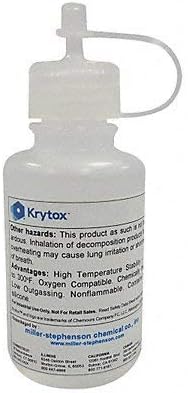
4. Krytox GPL 105 Oil: Best Premium Option for Squeaks
Quick product details
- Brand: Krytox by Chemours
- Type: PFPE synthetic lubricant
- PFPE: A stable, long-lasting synthetic oil
- Form: Clear oil
- Primary role: Lubrication and anti-squeak care
- Best applications:
- Convertible roof seals
- Panoramic roof seals
- Sunroof gaskets
- Rubber-to-rubber contact points
- Seals with repeat squeaks
Why it stands out
Some noises come from friction, not dry rubber alone. Two seals may grip and release as the body moves.
Krytox helps reduce that stick-and-slip action. It works best as a specialist lubricant, not a trim dressing.
Only a thin layer is needed. A few drops may cover a wide section of seal.
Squeak and rattle performance
Krytox is a strong choice for roof panels and moving seals. These areas face pressure, heat, vibration, and repeated motion.
Cleaning should still come first. Dirt can cause noise even when the rubber remains soft.
Durability
Krytox does not dry out as fast as many common dressings. It also holds up well under a wide range of conditions.
Your results will still depend on seal design. A roof that moves a lot may need more care than a fixed door seal.
Restoration limitations
Krytox mainly lubricates and protects contact areas. It is not made to make faded rubber look deep black.
It also cannot soften every hard seal. Choose it for friction and noise, not cosmetic repair.
Pros
- Strong anti-squeak performance
- Long-lasting thin film
- Only a small amount is needed
- Clear and low in visible residue
- Well suited to complex roof seals
Cons
- Costs more than common seal treatments
- Easy to apply too much
- Offers little cosmetic darkening
- Some online products may be repacked
- Too specialized for basic seal care
Notable owner feedback
Owners often use Krytox after cheaper dressings fail. Long-lasting noise control is the most common reason.
Convertible owners also value its thin film. It can reach tight contact areas without a thick coat.
Check PriceBest for
Choose it for repeat squeaks from a roof, hatch, or sunroof. It makes the most sense on costly or complex seal systems.
Who should skip it
Skip it if you only need basic weatherstrip care. Gummi Pflege costs less and covers more common needs.
It is also a poor match if visual darkening is your goal.
5. SONAX Rubber Protectant GummiPfleger: Best for Freezing Door Seals
Quick product details
- Brand: SONAX
- Type: Silicone-free rubber conditioner
- Form: Liquid with a sponge applicator
- Primary role: Conditioning and water resistance
- Best applications:
- Door seals
- Trunk seals
- Window weatherstripping
- Vehicles used in freezing weather
Why it stands out
Water left on a door seal can freeze overnight. The rubber then sticks to the body.
SONAX GummiPfleger helps repel water and reduce that grip. It also keeps the seal from feeling dry.
The sponge tip makes winter preparation quick. You can coat each door without spraying the cabin.
Winter performance
No treatment can promise an ice-free door. Heavy water buildup can still freeze.
You will get the best result from a clean, dry seal. Clear any dirt from the door channel as well.
Apply SONAX before temperatures fall. Do not wait until the seal is already frozen.
Conditioning performance
SONAX works much like nextzett Gummi Pflege. Both suit regular care and moderate dryness.
SONAX stands out most for cold-weather use. Nextzett remains the stronger all-round choice.
Pros
- Useful in cold and wet weather
- Simple sponge application
- Helps reduce door sticking
- Conditions without a thick grease coat
- Can reduce light weatherstrip noise
Cons
- Similar to nextzett Gummi Pflege
- Less durable than Krytox on moving seals
- UV protection is not its main edge
- Wet excess may transfer to nearby surfaces
Notable owner feedback
Drivers often report less door sticking in winter. Some also notice fewer hatch and sunroof squeaks.
A few users dislike the smell or residue. Thin application helps limit both issues.
Check PriceBest for
Choose SONAX if snow, ice, or freezing rain causes trouble. It is a good seasonal weatherstrip treatment.
Who should skip it
Skip it if strong sun is your main concern. 303 offers a clearer UV focus.
A heavy lubricant may also work better on very stiff seals.
6. AGS/NAPA Sil-Glyde: Best Budget Multipurpose Option
Quick product details
- Brand: AGS or NAPA
- Type: Silicone-based lubricant
- Form: Grease or aerosol
- Primary role: Lubrication and moisture resistance
- Best applications:
- Squeaky door seals
- Sunroof weatherstripping
- Trunk seals
- General garage work
Why it stands out
Sil-Glyde is not a fancy seal restorer. It is a low-cost lubricant with many uses.
It reduces friction and helps block moisture. That can solve basic squeaks and sticking.
The product also works on other suitable rubber, plastic, and metal parts. This makes it useful beyond one car-care job.
Conditioning versus lubrication
Sil-Glyde mainly lubricates. It should not be treated as a top UV shield or color restorer.
It can make a dry seal feel smoother. That does not mean it has reversed deep age damage.
Choosing the right version
Sil-Glyde comes in more than one form. Check that your package lists rubber or weatherstripping use.
Grease offers better control. An aerosol works faster but creates more overspray.
If you use the spray, apply it to a cloth first. Do not spray it across the open door.
Pros
- Low cost
- Good value per application
- Helps stop basic squeaks
- Repels moisture
- Useful for many garage tasks
- Easy to find in some areas
Cons
- Can feel greasy
- May collect dust
- Offers little cosmetic improvement
- Less focused than a seal conditioner
- Aerosol versions can create overspray
Notable owner feedback
Owners report good results on sunroof creaks and stiff door seals. It is often viewed as a cheaper option than specialist grease.
Feedback is positive but less consistent than for Gummi Pflege or Shin-Etsu.
Check PriceBest for
Choose Sil-Glyde if you want a cheap, useful lubricant. It works well for simple squeaks and sticking.
Who should skip it
Skip it if you want a clean UV protectant. It is also not the best product for faded rubber.
How We Chose the Best Car Rubber Seal Restorers
A good product must do more than make rubber look black. It should suit real weatherstripping and solve a clear problem.
Evidence from real vehicle owners
Real owner use shaped these rankings. I focused on repeated patterns across:
- Car detailing groups
- Model-specific forums
- Convertible and T-top communities
- Car-care discussions
- Long-term owner reports
One glowing comment does not prove much. Repeated comments from different owners carry more weight.
I also watched for promotional posts. Broad praise without clear details received less weight.
Suitability for automotive weatherstripping
Each product needed clear use on one or more vehicle seals:
- Door seals
- Window seals
- Trunk seals
- Hood seals
- Sunroof seals
- Convertible roof seals
Engine stop-leak products were excluded. They serve a very different purpose.
Conditioning and flexibility
A useful conditioner should help usable rubber stay flexible. It may also improve a dry, rough surface.
I gave more weight to products linked with:
- Softer seals
- Less stiffness
- Better surface contact
- Lower friction
- Fewer creaks
Cosmetic shine alone was not enough.
Protection
Protection can mean several things. The best type depends on your climate.
I considered resistance to:
- Sun exposure
- Drying
- Cracking
- Water
- Freezing
- Heat and cold
- General weather damage
303 stands out for UV care. SONAX stands out for winter use.
Finish and cleanliness
A seal treatment sits near your clothes, hands, glass, and paint. A messy finish can ruin an otherwise good product.
I considered whether each treatment:
- Dries clean
- Feels greasy
- Attracts dust
- Smears glass
- Leaves excess shine
- Transfers to fabric
Thin coats almost always work best.
Ease of application
Foam tips give you more control. Grease and oil need more care.
I also considered:
- Overspray risk
- Need for gloves
- Drying time
- Ease of cleanup
- Access to narrow seals
- Risk near glass and fabric
Longevity and value
The cheapest bottle is not always the best value. Some products need more frequent use.
I considered:
- Amount needed per coat
- Package size
- Number of possible treatments
- Expected reapplication
- Other useful applications
- Cost compared with the problem solved
Krytox costs more but uses very little. Sil-Glyde costs less and works in many places.
What Does a Car Rubber Seal Restorer Actually Do?
The word “restorer” causes confusion. Several types of products sit under that label.
Rubber conditioning
Conditioning helps usable rubber remain soft and flexible. It may improve rubber that has become mildly dry.
Good examples include:
- nextzett Gummi Pflege
- Honda Shin-Etsu
- SONAX GummiPfleger
Conditioning works best before deep cracks form.
Rubber protection
Protection aims to slow future wear. It may guard against sun, water, heat, cold, or drying.
303 Rubber Seal Protectant offers the clearest UV focus. SONAX and nextzett also help with weather exposure.
Protection requires upkeep. No coating lasts forever.
Cosmetic darkening
Some products make faded rubber look black again. That change can be useful, but it may be only visual.
A darker seal is not always softer or stronger. Check its texture and shape as well.
This is why tire shine and hard-trim restorers did not make the list.
Lubrication
Lubricants reduce friction between two surfaces. This can stop squeaks and help doors open in cold weather.
Examples include:
- Krytox GPL 105
- Sil-Glyde
- Honda Shin-Etsu
Lubrication does not always equal conditioning. A product can reduce noise without restoring flexibility.
Cleaning
Cleaning removes grit, salt, oil, and old dressing. It prepares the surface for treatment.
Soap alone will not condition rubber. Yet treatment works poorly on a dirty seal.
What these products cannot restore
No liquid, oil, or grease can properly repair:
- Torn weatherstripping
- Missing rubber
- Deep cracks
- Failed glue
- Severe shrinkage
- Permanent flat spots
- Misaligned windows
- Bent door frames
- Blocked sunroof drains
Replace the seal when physical damage prevents a good fit.
How to Choose the Right Rubber Seal Treatment
Begin with the problem, not the product name. “Restorer” can describe several very different formulas.
For dry or hardened seals
Choose a conditioner or compatible silicone grease. These products can improve feel and reduce friction.
The best options are:
- Honda Shin-Etsu
- nextzett Gummi Pflege
Replace the rubber if it cracks when you bend it.
For faded seals
First check whether the problem is only color. Also look for cracks, flat areas, and rough edges.
303 can refresh the finish while adding UV care. Do not expect color change to fix physical damage.
For squeaky door or sunroof seals
Clean both contact surfaces first. Dust can create noise by itself.
For ongoing squeaks, try:
- Krytox GPL 105
- Honda Shin-Etsu
- Sil-Glyde
Use a very thin layer. More lubricant can collect more grit.
For doors that freeze shut
Remove dirt and moisture before applying a treatment. Focus on products that reduce sticking and repel water.
Good options include:
- SONAX GummiPfleger
- nextzett Gummi Pflege
- Honda Shin-Etsu
Treat the seals before severe cold arrives.
For convertibles and removable roofs
Roof seals face more movement than normal door seals. They also contain joints and tight curves.
Strong choices include:
- Honda Shin-Etsu
- Krytox GPL 105
- nextzett Gummi Pflege
Check the car maker’s guidance before treating soft, fabric-like seal coatings.
For vehicles parked outside
Sun exposure can dry and fade rubber. A clean UV protectant makes sense here.
303 Rubber Seal Protectant is the best match. Regular cleaning also helps preserve the seal.
For occasional maintenance on a budget
Sil-Glyde offers good value if you mainly need lubrication. Choose a version marked safe for weatherstripping.
It will not offer the same balanced care as Gummi Pflege. Still, it can solve basic noise and sticking.
How to Restore Car Rubber Seals Step by Step
Good preparation matters more than a thick coat. Never apply a restorer over dirt and hope for the best.
Step 1: Inspect the seal
Look closely at every side of the weatherstrip. Open folds where water and dirt may hide.
Check for:
- Cuts
- Deep cracks
- Flat spots
- Loose glue
- Mold
- Grit
- Water marks
- Missing clips
- Poor alignment
Repair or replace damaged parts before adding a dressing.
Step 2: Clean the rubber
Use mild soap and water. A soft cloth or brush works well on most seals.
Clean the body surface that touches the seal too. Avoid harsh solvents unless approved for that area.
Step 3: Dry it completely
Water can weaken or dilute some treatments. It can also hide in seal folds.
Dry the surface with a clean towel. Then let hidden channels air-dry.
Step 4: Perform a spot test
Test a small hidden section first. Wait and check the result.
Watch for:
- Swelling
- Color change
- New squeaks
- Sticky residue
- Glass smears
- Damage to soft coatings
Stop if the surface reacts badly.
Step 5: Apply a thin coat
Use the right method for the product:
- Foam-tip liquid: Glide it lightly over the rubber.
- Grease: Use a cloth or gloved finger.
- Oil: Place a few drops on an applicator.
- Aerosol: Spray it onto a cloth first.
Do not flood the seal or its channel.
Step 6: Allow the treatment to absorb or dry
Follow the product directions. Some water-based treatments need time to dry.
Grease may benefit from a short rest before buffing. Avoid closing the door on a wet coat.
Step 7: Remove all excess
Buff the seal with a clean microfiber cloth. The surface should feel treated, not soaked.
Pay close attention near:
- Glass
- Seats
- Headliners
- Painted jambs
- Clothing contact points
Step 8: Test the result
Open and close the door several times. Listen for noise and check movement.
Look for:
- Less squeaking
- Smoother motion
- Improved flexibility
- Less sticking
- Better contact
Use a controlled water test before deciding that a leak is fixed.
Common Mistakes to Avoid
Even a good product can cause trouble when used the wrong way.
Applying too much product
A thick coat rarely improves the result. It often creates more cleanup.
Excess treatment can:
- Attract dust
- Mark clothing
- Smear windows
- Make surfaces too slick
- Collect in seal channels
Start thin. Add more only if needed.
Treating dirty rubber
Dirt blocks even coverage. It may also act like sand between moving seals.
Clean away old dressing before adding more. Fresh product should touch rubber, not grime.
Using tire shine on weatherstripping
Tire dressing focuses on appearance. It may leave door seals glossy and greasy.
A black shine does not prove that the rubber is flexible. Use a weatherstrip-safe conditioner instead.
Using petroleum-based products without checking compatibility
Not all rubber is the same. Some oils may cause swelling or damage.
Use products meant for automotive seals. Test them in a hidden area first.
Expecting a conditioner to repair torn seals
Conditioner cannot reconnect a tear. It also cannot replace missing rubber.
A damaged seal needs adhesive repair or replacement. The correct fix depends on the damage.
Ignoring the real source of a leak
Water near a seal does not prove the seal caused it. The leak may begin elsewhere.
Check for:
- Blocked drains
- Loose roof parts
- Poor glass alignment
- Failed glue
- Worn hinges
- Damaged corners
- Body damage
Trace the water before buying more treatments.
Applying seal treatment to flocked weatherstripping
Some seals have a soft, fabric-like coating. This layer cuts friction and noise.
Grease can stain it or make the noise worse. Check your manual before treating this surface.
Rubber Conditioner vs. Silicone Grease vs. UV Protectant
These products may sit on the same shelf. Yet they solve different problems.
Rubber conditioners
A conditioner suits routine care and moderate dryness. It often leaves a cleaner finish than grease.
Good examples include:
- nextzett Gummi Pflege
- SONAX GummiPfleger
Choose this type if you want easy upkeep.
Silicone grease
Silicone grease suits older, noisy, or stiff seals. It gives longer-lasting lubrication.
Honda Shin-Etsu is the leading example here. Use a very small amount.
UV protectants
A UV protectant suits vehicles parked outdoors. It helps slow fading and sun-related drying.
303 Rubber Seal Protectant is the strongest choice in this group. It works best as preventive care.
Premium synthetic lubricants
A premium oil makes sense when squeaks keep coming back. It also suits complex roof systems.
Krytox GPL 105 is the specialist option. Its cost is hard to justify for simple door seal care.
General-purpose lubricants
A general lubricant works well for basic friction and moisture control.
Sil-Glyde is the budget choice. It lacks the focused care of a true conditioner.
How Often Should You Treat Car Rubber Seals?
There is no perfect schedule for every car. Climate and use make a big difference.
Treatment may wear faster if:
- Your car sits outside
- You wash it often
- The seal rubs during use
- Roads are heavily salted
- The climate is hot or dry
- The vehicle uses a folding roof
Inspect the rubber during each deep wash. Treat it when it starts to feel dry or noisy.
Other warning signs include:
- Door sticking
- Rough texture
- More wind noise
- New squeaks
- Faster water soaking
- A faded, uneven finish
Clean old residue before adding a new coat.
When Should You Replace the Seal Instead?
A conditioner may delay replacement. It cannot save every seal.
Visible physical damage
Replace or repair weatherstripping with:
- Deep cracks
- Large tears
- Missing corners
- Broken clips
- Severe shrinkage
- Loose mounting areas
A coating may hide these flaws for a short time. The seal will still fail.
Permanent compression
A compressed seal no longer springs back. You may see a flat strip where it meets the door.
Conditioning can improve the surface feel. It may not restore the original shape.
Persistent leaks after treatment
If water still enters, check other parts of the system.
Possible causes include:
- Blocked drains
- Poor glass alignment
- Door sag
- Roof adjustment
- Failed adhesive
- Broken seal joints
Do not keep adding grease to a mechanical fault.
Continued wind noise
Wind noise can come from mirrors, loose trim, glass position, or door alignment.
Test the seal before replacing it. A workshop may need to check the door fit.
Safety-related concerns
Act fast if water reaches electrical parts or safety equipment. It may also damage the headliner and floor.
Get help if you cannot trace the leak. Hidden water can lead to mold and corrosion.
Frequently Asked Questions
What is the best car rubber seal restorer overall?
Nextzett Gummi Pflege is the best balanced choice for most owners. It conditions, protects, and applies with little mess.
Honda Shin-Etsu works better on older, harder seals. Choose 303 if UV exposure is your main concern.
Can hardened car rubber seals be softened?
Moderately dry rubber may become softer after cleaning and conditioning. The change depends on its age and condition.
Deeply cracked or crushed rubber may not recover. Replace it if it cannot hold its shape.
Can a rubber conditioner stop a car door leak?
It may help with a small leak caused by dryness. Better surface contact can reduce tiny gaps.
It will not fix tears, loose glue, blocked drains, or poor door alignment.
Is silicone grease safe for car weatherstripping?
A weatherstrip-safe silicone grease can work well. Honda Shin-Etsu is often used for this task.
Check compatibility and perform a spot test. Avoid covering soft fabric-like coatings without guidance.
Is WD-40 safe for car rubber seals?
The WD-40 name appears on several different products. Standard WD-40 Multi-Use Product is not the same as a silicone lubricant.
Choose a product that clearly lists weatherstripping use. This avoids doubt about solvents and rubber types.
Can I use Vaseline on car door seals?
Petroleum jelly is often suggested as a quick fix. Yet it may not suit every rubber blend.
A dedicated automotive seal conditioner is the safer choice. It also leaves less doubt about long-term use.
Does rubber seal restorer repair cracks?
No. It may darken the crack and soften nearby rubber.
The damaged material remains split. Deep cracks call for repair or replacement.
Will rubber seal conditioner stop squeaking?
It can stop noise caused by dry rubber rubbing another surface. Cleaning may also solve the issue.
If the squeak returns, use a longer-lasting lubricant. Also check for loose trim or poor alignment.
How do I stop car doors from freezing shut?
Clean and dry every door seal. Apply a thin coat of a water-repellent seal treatment.
Remove wet excess before closing the door. Keep the jamb and drain areas clear.
Can I use tire shine on door seals?
Tire shine may make the rubber look darker. It may also leave a slick, glossy film.
It is not the best choice for door weatherstripping. Use a true seal conditioner instead.
What is Gummi Pflege?
“Gummi Pflege” means “rubber care” in German. Several brands use similar wording.
Check the full brand and product name before ordering. The formulas may not be the same.
Is Shin-Etsu better than Gummi Pflege?
Shin-Etsu works better on older, harder, and noisier seals. Its grease lasts longer but creates more mess.
Gummi Pflege is cleaner and easier for routine care. Pick based on the seal’s condition.
Is 303 Rubber Seal Protectant the same as 303 Aerospace Protectant?
They are sold as separate products with different application formats. The seal version has a narrow foam tip.
Some users see little difference after application. Regular 303 may offer better value if you already own it.
How long does rubber seal treatment last?
It depends on the formula, weather, washing, and seal movement. Water-based products often need more frequent care.
Grease and synthetic oils may last longer. Inspect the seal instead of relying on one fixed date.
Should I clean weatherstripping before applying conditioner?
Yes. Cleaning removes grit, salt, and old dressing.
A clean surface gives you a thinner, more even coat. It also reduces trapped dirt.
Can these products be used on sunroof seals?
Many can, but sunroof seal designs vary. Some include soft coatings that should not receive grease.
Keep all treatment away from drain holes. Check the vehicle manual if you are unsure.
Final Verdict
The best car rubber seal restorer should match the actual fault. Dryness, sun damage, friction, and winter sticking need different forms of care.
- Best overall: nextzett Gummi Pflege
- Best for dry or hardened seals: Honda Shin-Etsu
- Best for UV exposure: 303 Rubber Seal Protectant
- Best for stubborn squeaks: Krytox GPL 105
- Best for freezing doors: SONAX GummiPfleger
- Best budget option: AGS/NAPA Sil-Glyde
For normal upkeep, nextzett offers the best balance. Shin-Etsu makes more sense for old, stiff rubber. Choose 303 to protect an outdoor-parked car.
Use Krytox only when repeat friction justifies the cost. Pick SONAX for winter sticking and Sil-Glyde for low-cost lubrication.
Most of all, inspect the seal before treating it. If the rubber is torn, crushed, or loose, replacement will give you a better result.