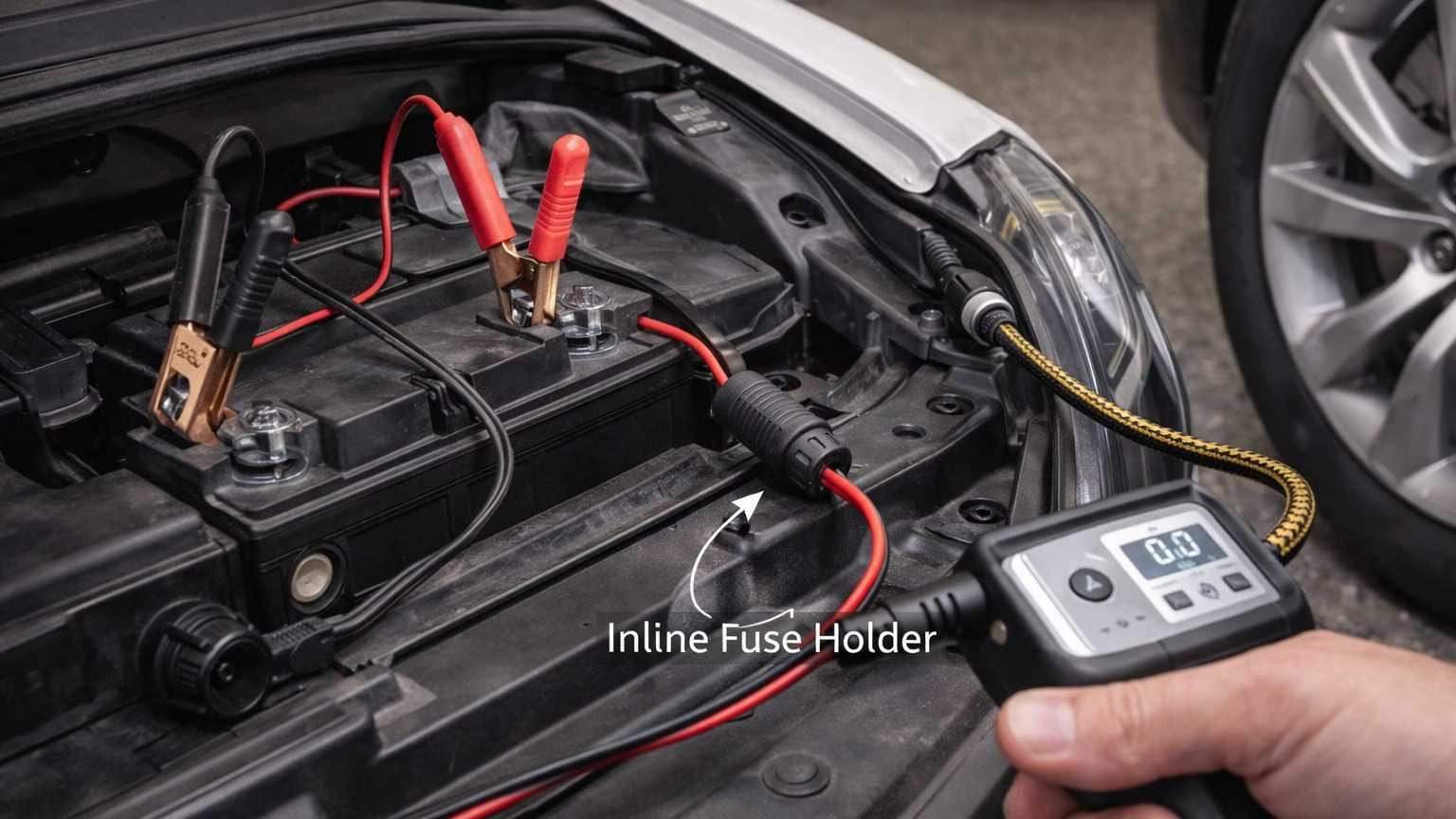
Why do 12V tire inflators blow fuses? It’s simple: they don’t match your car’s power system.
On one side, you have the inflator. Manufacturers sell them with big promises like “150 PSI!” and “high output!”
On the other side, your car’s 12V socket (the cigarette lighter style) is made for small jobs. It’s designed for things like phone chargers, not heavy power tools.
Here’s the truth: most car sockets can only handle 10-15 amps. That’s their limit. But many “fast” inflators need 20-30 amps when filling real tires. The fuse blows to protect your car’s wiring from overheating.
And here’s another truth: “150 PSI” doesn’t tell you how much power the pump uses. It’s just the max pressure it might reach in perfect lab conditions. PSI sells products. Amps blow fuses.
So if your inflator keeps blowing a 15A fuse, it’s not bad luck. It’s trying to pull too much power from a socket that can’t deliver it. You might want to check out our guide on the best tire inflators for trucks if you’re dealing with this issue often.
The Electrical Reality (Amps Matter More Than PSI)
Let’s talk simple electricity. Your car provides about 12-14 volts when running. Your inflator pulls current measured in amps. Together, they create power (watts).
Here’s how it works:
- 12 volts × 10 amps = 120 watts
- 12 volts × 15 amps = 180 watts
- 12 volts × 25 amps = 300 watts
Why does this matter? Because pushing air into tires takes real work. As the tire fills up, the pump works harder. This pulls more power and creates heat.
Here’s what inflators really use (not what ads claim):
- Small “emergency” pumps: 8-12 amps
- Medium “faster” pumps: 12-18 amps
- Big “serious” pumps: 20-30+ amps
When you start the pump, it often pulls a quick power surge before settling down. Cheap pumps surge more because they use cheaper parts.
Fuses don’t blow instantly at their exact rating. They respond to heat over time. A 15-amp fuse might handle a quick spike over 15 amps. But it will blow if too much power flows for too long.
Heat is the real problem:
- Heat builds in the plug, socket, and wires behind your dash.
- Loose or dirty connections create more heat (like rubbing your hands together fast).
- Long pumping sessions are the worst. Everything heats up over time.
Quick top-offs are easy on your system. But filling a flat tire takes time and power. Big truck and SUV tires need even more air. This means more heat and a higher risk of blowing fuses or damaging sockets.
If you drive a truck or Jeep, you might want to read our guide on avoiding the “blown fuse” problem with tire inflators.
Why Cigarette Lighter Sockets Fail First
Why do cigarette lighter sockets fail before your pump? Simple: they’re the weakest link.
Here’s why sockets give out first:
- Thin wires behind your dash
Car makers design these sockets for small jobs like charging phones. They don’t expect you to plug in high-power tools that need 25+ amps. - Old sockets get tired
Years of use wear down the spring inside. Dirt and corrosion build up on contact points. This creates more heat when power flows through. - Loose plugs cause trouble
If your plug wiggles or doesn’t fit tight, it creates sparks and heat. Sometimes you can melt the plastic around the socket without even blowing a fuse. - New fuse ≠ fixed problem
When a fuse blows, it’s trying to tell you something. Just replacing it without fixing the real issue is like ignoring a smoke alarm. It might work once, but the problem remains.
Critical safety warning:
Never put in a bigger fuse to stop blowing. This is dangerous. A 15-amp circuit needs a 15-amp fuse. The fuse protects your car’s wiring from melting and causing a fire. It doesn’t protect your pump.
For Tesla owners, this is especially important. That’s why we recommend using a cordless tire inflator for Tesla instead of risking damage to your vehicle’s electrical system.
Safe Ways to Use a 12V Inflator (From Easiest to Best)
Option 1: Low-Power Inflators Through Your Socket (Safest for Casual Use)
This works when:
- Your inflator uses less power than your socket’s fuse allows (with some room to spare).
- You’re just topping off tires, not filling flat ones.
- The plug fits tight and doesn’t get hot quickly.
Simple rules to follow:
- 10-amp sockets: Only use small inflators.
- 15-amp sockets: Only use medium inflators, and keep sessions short.
- No amp rating listed? Be careful. Assume it’s not telling the whole story.
Engine on or off?
Keep your engine running when using the socket. This gives better voltage and won’t drain your battery. Running with the engine off pulls more current and can kill your battery fast.
Time limits:
- Use short bursts, not long sessions.
- Check the plug and socket every few minutes. Warm is okay. Too hot to touch means stop now.
Option 2: Direct-to-Battery Clamps (Best for Power and Safety)
Why this works better:
- You skip the weak interior wiring and socket.
- You get better power flow with less heat.
- High-power pumps belong on direct battery connections.
But you must do it right:
- Add an inline fuse
Place it close to the battery’s positive terminal. This stops fires if wires get cut or shorted. - Use the right fuse size
Match it to your pump’s needs and wire size. A 25-amp pump might use a 30-amp fuse. Bigger isn’t better here. - Connect in the right order
- Red clamp to battery positive (+) first
- Black clamp to a clean metal spot on the car frame (or battery negative)
- When disconnecting: black first, then red
- Keep wires safe
Keep cables away from moving parts and hot areas. Don’t let the hood pinch them.
Danger zones:
- No fuse = fire risk
- Bad connections = heat and damage
- Cheap clamps = overheating
Bottom line: Direct-to-battery is best for powerful pumps, but treat it like real electrical work.
If you’re concerned about heat issues with your current setup, check out our guide on the best tire inflators for speed, which includes options that won’t overheat your car’s electrical system.
Option 3: Jump Packs with Built-in Pumps (Good for Quick Jobs)
These work well when:
- You want to avoid your car’s electrical system completely.
- You need quick, occasional tire top-offs.
- You don’t want to open the hood.
But know their limits:
- Most are made for short jobs, not long pumping sessions.
- They can overheat just like socket pumps.
- Some shut off when hot. Others just slow down.
Duty cycle matters:
If it says “10 minutes on, 10 minutes off,” that’s a hard limit. No listed duty cycle? Assume it’s low. Heat doesn’t care what the manual says.
How to Spot a High-Power Inflator Before Buying
Don’t fall for PSI hype. Big pressure numbers don’t tell the real story.
A pump can claim “150 PSI!” but still be:
- Slow to fill tires
- Power-hungry and hard on your car’s electrical system
What to look for instead:
Find the current (amps) or power (watts) rating:
- Watts ÷ 12 = Rough amps needed
- Examples:
- 120W = About 10 amps
- 180W = About 15 amps
- 300W = About 25 amps
Warning signs in product listings:
- No amp or watt ratings anywhere
- Only talks about PSI and “high output”
- Claims super-fast fills through a cigarette plug
- Thin power cord with a small plug on a “fast” pump (thin wire + high power = heat problems)
Check the duty cycle:
Good products tell you their limits: “10 minutes on, 20 minutes off.” No duty cycle listed? That’s a red flag. It probably can’t run long without overheating.
Simple clues:
- Comes with battery clamps? It likely needs serious power.
- Only has a cigarette plug? It’s either low-power or asking too much from your socket.
Before you buy any inflator, make sure to read our detailed reviews on the best tire inflators for trucks or the fastest options to avoid getting stuck with a model that will blow your fuses.
Common Mistakes That Blow Fuses
Avoid these errors to keep your fuses intact:
- Filling big tires from flat
Truck and SUV tires take a long time to fill from low pressure. This creates heat and stress on your electrical system. - Using power splitters or extensions
Extra connectors add resistance and create heat points. Skip them. - Running with engine off
Your battery voltage drops as it drains. This makes the pump work harder and pull more current. - Using worn-out sockets
Old, loose, or dirty sockets create more heat. They’re often the first thing to fail. - Believing “plug-and-play” claims
High-power pumps rarely work well through cigarette sockets. Don’t trust marketing over physics. - Coiling the power cord
Wrapped cords trap heat. Let the cord lay flat while running. - Loose plug connections
A plug that isn’t fully inserted can spark and overheat at the contact points.
If you find yourself making these mistakes often, you might want to consider a cordless tire inflator for your Tesla or another vehicle-specific solution that avoids these common problems entirely.
Quick Safety Checklist
Before you start:
- Check your socket’s fuse rating (usually 10A or 15A)
- Compare your pump’s power needs:
- For socket use: stay below the fuse rating
- For powerful pumps (20A+): connect directly to battery with a fuse
While using:
- Keep your engine running when using the socket
- Take breaks to prevent overheating
- Check for heat every few minutes:
- Feel the plug
- Feel around the socket
- Feel the cord near the plug
- Too hot to hold? Stop immediately and let things cool down
Check your connections:
- Plug should fit tight with no wiggle
- Look for any melted plastic, dark spots, or burning smells
- Keep cables away from hot parts and moving pieces (for direct battery connections)
After you’re done:
- Look for damage on the plug and socket
- If a fuse blew, don’t just replace it. Figure out why it blew first
For more detailed safety information, check out our comprehensive guide on winter car care, which covers electrical safety and battery maintenance during cold months.
Frequently Asked Questions
Q: Can I replace a 15A fuse with a 20A fuse?
A: Never do this. The fuse protects your car’s wiring, not your pump. A bigger fuse lets wires overheat before blowing. This melts sockets and can start fires behind your dashboard.
Q: Why does my pump work on bike tires but not car tires?
A: Bike tires need very little air. Your pump fills them quickly before things get hot. Car tires need much more air. This means longer run times, more heat, and eventually blown fuses or damaged sockets.
Q: Is connecting directly to the battery dangerous?
A: It can be safe if you do it right:
- Use an inline fuse close to the battery
- Make solid clamp connections
- Keep cables away from hot and moving parts
- Connect and disconnect in the right order
It becomes dangerous when you skip the fuse or let cables rub against sharp edges or hot parts.
Q: Why did my socket melt but the fuse didn’t blow?
A: Heat can build up at bad connections without tripping the fuse. A loose or dirty socket contact acts like a tiny heater right where the plug meets the socket. Fuses measure current flow, not temperature. You can melt plastic from heat even when the current looks normal.
If you’re still unsure about electrical safety for your car, our guide on best portable jump starters includes important safety information that applies to all 12V accessories.
The Bottom Line: Convenience vs. Safety
Let’s be clear about your options:
- Your car’s 12V socket is handy but limited. It handles 10-15 amps max and heats up quickly under heavy loads.
- Powerful inflators need 20-30 amps to work as advertised. Most sockets simply can’t provide this safely for long periods.
- Connecting directly to your battery (with a proper fuse) is the right way to power strong pumps. It skips the weak interior wiring and poor socket connections.
- Jump packs with built-in pumps offer a middle ground. But treat them as short-use tools and follow their rest periods.
Here’s what we recommend:
- For occasional top-offs on regular cars:
A small inflator through your socket is fine if it stays cool and matches your fuse rating. - For frequent use, big vehicles, or fast fills:
Get a pump that connects to your battery with clamps. Always use an inline fuse close to the battery. - If you keep blowing fuses or melting plugs:
Stop using that pump with your socket. Your car’s electrical system has limits you can’t ignore.
Remember: electrical safety isn’t optional. It’s the difference between a quick tire fill and a costly repair—or worse.
For more information on choosing the right equipment for your needs, check out our complete guide to the best tire inflators for speed or our specialized recommendations for Tesla owners.