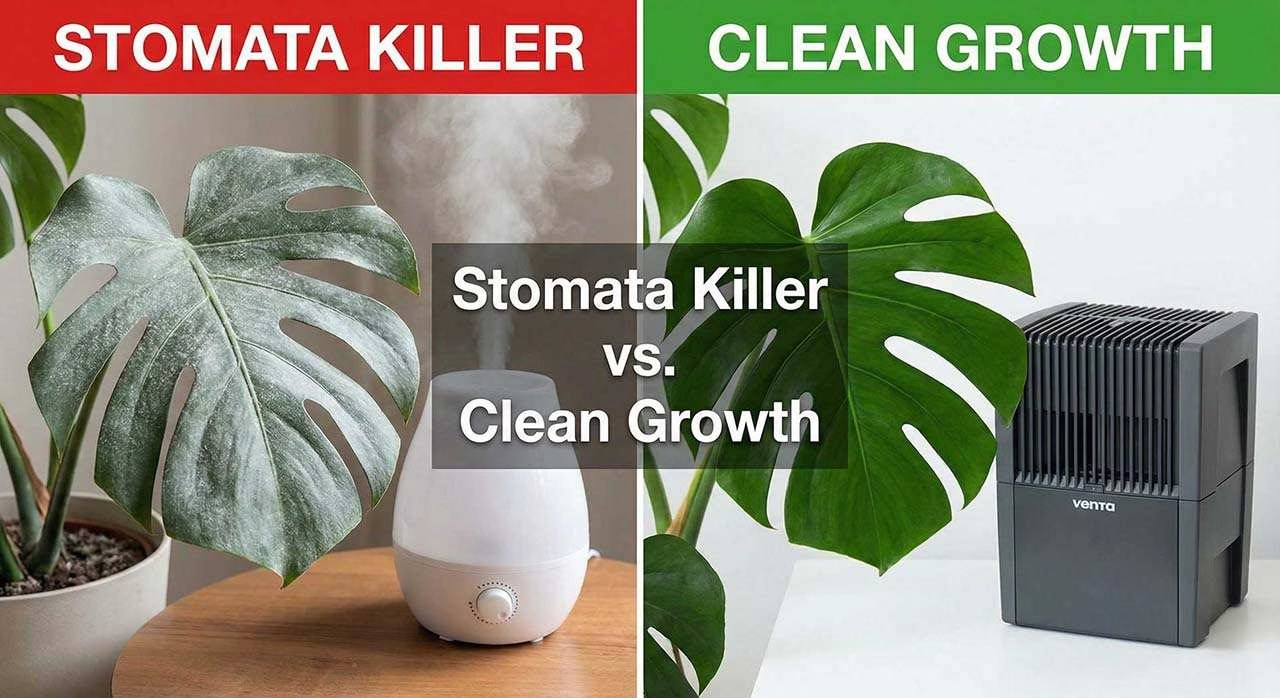
Your humidifier might be slowly suffocating your plants.
It sounds contradictory, right? You bought that cheap ultrasonic humidifier on Amazon because “tropical plants love humidity.” But within a week, you noticed a fine white powder coating your Monstera’s leaves.
That powder is calcium carbonate from your tap water. When it settles on leaves, it blocks stomata (the microscopic pores plants use to breathe). Essentially, you are giving your plants emphysema in an attempt to hydrate them.
Real plant enthusiasts on r/Houseplants and r/IkeaGreenhouseClub know the drill: You either need an Evaporative humidifier (which creates zero dust) or a unit that can handle the specific demands of a greenhouse cabinet (like restarting automatically on a smart plug).
We analyzed 12 months of threads to find the only three units that Reddit trusts with $500 rare aroids.
⚡ The Cheat Sheet – Save Your Leaves

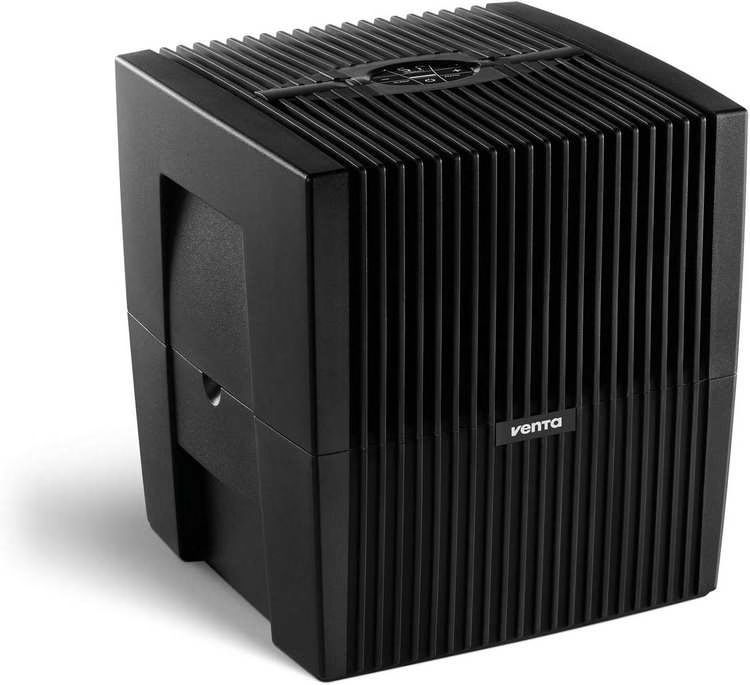
The “Jungle Saver” (Open Room)Venta LW25 Comfort Plus
The Brutal Verdict: It uses “Cold Evaporation” so it physically cannot produce white dust. It’s expensive, but it allows you to use tap water without killing your plants.
Check Price on Amazon →

The “Cabinet” Pick (IKEA Hack)Miro NR08M
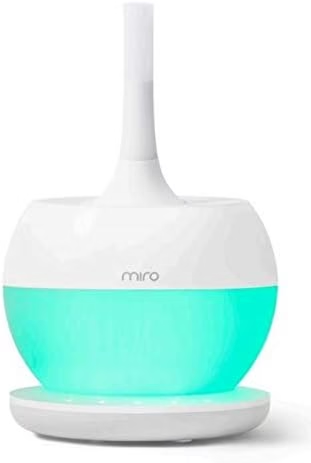
The Brutal Verdict: The “floating bowl” design fits perfectly in Milsbo cabinets. Crucially, it has an analog knob, so it restarts automatically when your smart plug cycles it.
Check Price on Amazon →

The “High Tech” PickLevoit OasisMist 1000S
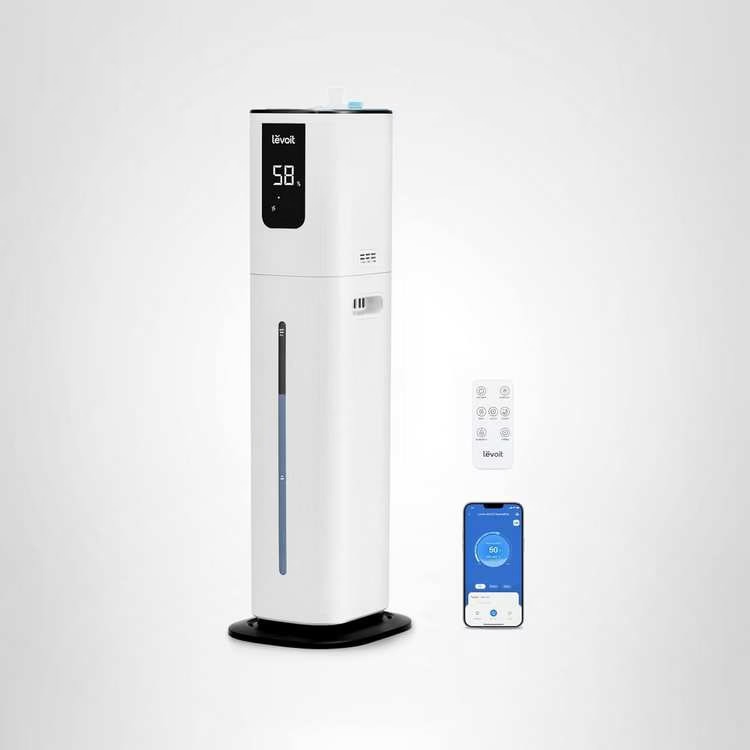
The Brutal Verdict: Incredible smart features and mist output, but you MUST use distilled water. If you use tap water, this machine will cover your house in white dust.
Check Price on Amazon →
Why Trust This Review?
We ignored the generic tech sites and dove into r/IkeaGreenhouseClub and r/Houseplants. We looked for the specific solutions growers use to prevent “White Dust” from clogging leaf stomata and ruining photosynthesis.
1. Venta LW25 Comfort Plus
Venta LW25 Comfort Plus
The gold standard for plant owners. It uses “cold evaporation,” meaning minerals stay in the tank and never reach your leaves.
- Zero White Dust: Safe for stomata even with tap water.
- Filter-Free: No wicks to replace; just rinse the disc stack.
- Set & Forget: Digital humidistat keeps room at perfect 55%.
Why Plant Parents Swear By It:
No more buying distilled water. The Venta evaporates moisture naturally—like a gentle breeze. Minerals stay trapped in the tank. Only pure water enters the air. Reddit plant growers report: “I used to wipe dusty leaves weekly. Now? My plants stay spotless for months.”
The Trade-Offs:
- 🪣 Bulky & basic: Looks like a bucket with a fan.
- ⏳ Slow starter: Takes hours to lift humidity (30% → 50%), while mist machines do it in minutes.
- 🔊 Glug-glug sounds: Water sloshes as it feeds down.
Verdict:
✅ Grab it if: You have a sunroom full of plants and want to use tap water safely.
❌ Skip it if: You need instant jungle humidity for Instagram photos.
2. Miro NR08M: The Cabinet Hero
Why Greenhouse Owners Obsess:
It’s the only humidifier that plays nice with smart plugs. Most machines reset to “OFF” after a power dip. The Miro? Just twist its old-school dial. Plug it into a Kasa or Amazon Smart Plug, and it roars back to life instantly when power returns. Perfect for sealed IKEA greenhouses (Milsbo/Rudsta).
The Reality Check:
- 💦 Spill nightmare: That open water bowl tips easily. Refilling means carrying a sloshing dish across the room.
- ⚠️ White dust jail: In glass cabinets, tap water coats every surface in chalky haze within 2 days. Distilled water is non-negotiable here.
Verdict:
✅ Grab it only if: You automate humidity in a sealed greenhouse cabinet.
❌ Skip it if: You value dry floors or hate water-fetching chores.
3. Levoit OasisMist 1000S: The Smart Jungle Maker
The Big Win:
Command your humidity jungle from bed. The app sets schedules, targets exact humidity levels, and pings you when the tank’s empty. It blasts mist across 600 sq ft—perfect for monstera forests and fern jungles.
The Hidden Danger:
- ❄️ White dust blizzard: Despite filters, hard tap water turns this into a snow machine. Reddit growers warn: “It ruined my air purifier filters and clogged my plants’ breathing pores.”
- 💸 Water tax: You must use distilled water or install a reverse osmosis system. No shortcuts.
Verdict:
✅ Grab it if: You already have a reverse osmosis tap or cheap distilled water access.
❌ Skip it if: Your tap water is hard or you ignore plant “stomata health.”
Frequently Asked Questions
Which humidifier is best for plants?
Cool mist ultrasonic models work brilliantly for indoor plants. They’re quiet, energy-efficient, and won’t heat up your space. Look for units with adjustable settings so you can control moisture output. Large capacity tanks mean less refilling, especially important if you’re running one in a plant room or bedroom with lots of greenery.
What type of humidifier is best for indoor plants?
Ultrasonic models are perfect for tropical plants indoors. Evaporative types work great too, especially in larger rooms. Avoid warm mist versions unless you’re growing plants in winter and need that extra heat. The key is consistent moisture delivery without overwhelming your space. Dual mist options give you flexibility throughout the seasons.
Should I use warm or cool mist for plants?
Cool mist wins for most situations. It’s safer around delicate leaves and won’t spike room temperature. That said, if you’re in Canada or the UK during winter, a warm mist can help both plants and heating bills. Many growers on Reddit swear by cool mist for year-round use, especially in plant cabinets where heat buildup is a concern.
What is the best time of day to use humidifier for plants?
Run it during daylight hours when plants actively transpire. Morning to early evening is ideal. Some people leave theirs on 24/7 in winter when indoor air gets super dry. Smart models with timers make this effortless. Just monitor humidity levels and adjust based on what your plants tell you.
Where is the best place to put a humidifier for plants?
Central placement works wonders in a plant room. Elevate it slightly for better mist distribution. Keep it away from walls to prevent moisture damage. In small plant cabinets, corner placement near the intake helps circulate humid air efficiently. Never point the mist directly at leaves—indirect humidity is what you want.
Can I use a humidifier in a plant cabinet?
Absolutely! Small, portable models are perfect for cabinet setups. Look for compact ultrasonic units that fit your space. A mini version designed for small areas prevents over-humidification. Many budget-friendly options on Amazon work brilliantly. Just ensure proper ventilation to avoid mold growth in enclosed spaces.
Which plants like humidifiers the most?
Tropical plants absolutely thrive with added humidity. Think ferns, calatheas, and prayer plants. These beauties come from humid environments and struggle in dry indoor air. Even common house plants benefit during winter when heating systems zap moisture. Before and after results show dramatic improvements in leaf health and growth rates.
What are the benefits of using a humidifier for plants?
The benefits are game-changing. Leaves stay vibrant and lush instead of crispy. Growth speeds up noticeably. Fewer brown tips and edges. Plants become more resilient to pests. Your indoor jungle will look healthier, fuller, and more alive. It’s especially noticeable in winter when indoor air quality typically plummets.
Troubleshooting Common Issues
White dust appearing everywhere
Switch to distilled water immediately. Tap water contains minerals that create that annoying white film. Some affordable units come with demineralization cartridges—use them. Clean your unit weekly to prevent buildup. This simple fix saves your furniture and keeps plants happy without the mess.
Humidity levels too high in bedroom
Dial back the output setting or run it for shorter periods. Smart models with auto-shutoff at target humidity are worth considering. Keep a hygrometer nearby to monitor levels. Aim for 50-60% for plants without making your bedroom feel like a rainforest. Proper ventilation helps balance things out.
Mold growing in the tank
Empty and clean the tank daily. Use the cleaning solution that came with your unit, or vinegar works great. Never let water sit for days. Choose models with antimicrobial tanks for easier maintenance. A clean unit means healthy plants and clean air for you to breathe.
Plants still showing brown tips
You might need better placement or a larger capacity unit for your room size. Check if the mist actually reaches your plants. Sometimes one small unit isn’t enough for a big collection. Consider adding a second one or upgrading to a model designed for large rooms. Distance matters more than you’d think.
Unit making weird noises
Clean the ultrasonic plate at the base. Mineral buildup causes vibrations and noise. Check water levels—running dry damages the mechanism. Cheap models from Amazon sometimes have quality issues, but even premium ones need regular cleaning. A quiet unit means it’s working properly.
Condensation on windows or walls
You’re overdoing it. Reduce runtime or output levels. Crack a window occasionally for air exchange. This is especially common in winter when temperature differences are extreme. Balance is key—plants need humidity, but your home needs protection too. Smart monitoring prevents damage.
Pro Tips for Maximum Plant Health
💧
Water Quality Matters
Use distilled or filtered water to prevent white dust and mineral buildup. Your plants absorb what’s in the mist, so clean water means healthier growth. It’s a small investment that makes a huge difference.
📍
Strategic Placement
Position your unit centrally in the room for even distribution. Elevation helps mist travel further. Keep it away from electronics and wood furniture to avoid water damage. Think of it as creating a humidity zone.
🌡️
Monitor Humidity Levels
Grab an affordable hygrometer to track humidity. Aim for 50-60% for most tropical plants. Winter months in Australia, UK, or Canada often need more aggressive humidification. Summer might need less. Adjust seasonally.
🧼
Regular Maintenance
Clean weekly, not monthly. Empty the tank daily if possible. Use vinegar or hydrogen peroxide for deep cleaning. A well-maintained unit lasts years and keeps your air quality pristine. Set a phone reminder.
⏰
Best Time to Run
Daytime operation mimics natural conditions when plants transpire most. Some growers run theirs 24/7 in winter. Smart plugs with timers automate everything. Find what works for your space and stick with it.
🏠
Room Size Considerations
Match capacity to your space. A mini unit works great for a plant cabinet. Large rooms need high-output models. Portable cordless options let you move humidity where it’s needed most. Size matters for effectiveness.
❄️
Winter Care Strategy
Heating systems destroy humidity levels. Run your unit consistently during cold months. Plants in winter need extra attention—they’re already stressed from low light. Humidity helps them survive until spring arrives.
🔍
Finding Good Options
Check Reddit communities for real user experiences. Look for models on Amazon with thousands of reviews. Compare features like tank capacity, runtime, and noise levels. Good doesn’t mean expensive—plenty of budget-friendly options perform incredibly well.
4. The “Smart Plug” Automation Hack
Can’t afford the expensive smart humidifiers? Use this $20 hack to turn a “dumb” humidifier into a greenhouse pro.
Step 1: Buy a “Knob” Humidifier
You need a humidifier with a physical dial (like the Miro or a cheap Crane). Avoid anything with a digital touchscreen—they won’t turn back on after a power cut.
Step 2: The Smart Plug + Govee Combo
Plug the humidifier into a Kasa or Amazon Smart Plug. Place a Govee Hygrometer inside the cabinet. In the app, set a “Scene”: “If Humidity < 60%, Turn Plug ON."
⚠️ Warning: Always direct mist away from the hygrometer sensor, or you will get false readings and short-cycle the machine.
5. Final Verdict & Summary
For plant owners, the choice comes down to Water Source and Location.
- For Living Rooms (Tap Water): Buy the Venta LW25. It is the only machine that guarantees zero “white dust” without needing expensive distilled water. It pays for itself in 6 months by saving you from buying plastic water jugs.
- For IKEA Cabinets: Buy the Miro NR08M. Its analog control allows for smart plug automation, and the open bowl fits perfectly in tight shelves.
- For Tech Lovers (Distilled Only): The Levoit OasisMist 1000S offers the best app control, but you must be disciplined about water quality, or you will suffocate your plants with mineral dust.
Nataliya Vaitkevich
Expertise: Consumer Product Testing, Comparison Analysis, and Value Assessment. Nataliya is a seasoned product reviewer who puts everyday items through their paces—from kitchen gadgets to cutting-edge electronics. Her methodology focus on helping readers find the best value for their money. She cuts through the marketing hype to deliver honest, practical advice you can trust before you buy.
→ About Us