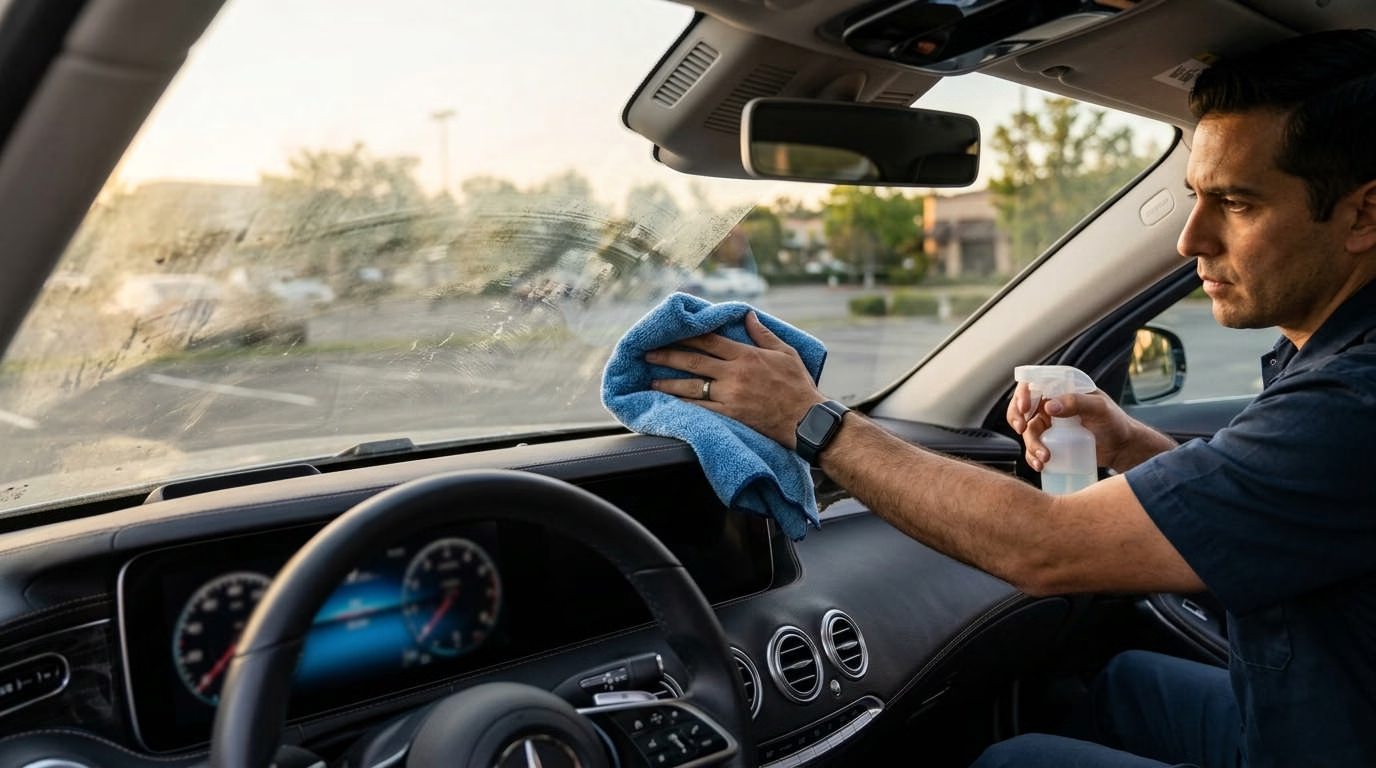
How these products were selected: I reviewed a large number of owner comments, customer reviews, and detailing discussions before ranking these products. The list reflects repeated reports from people who have used them, not just claims printed on product labels.
Finding the best automotive glass cleaner for inside film starts with the type of haze you have. Light dust needs a basic cleaner. Vape film, cigarette residue, and dashboard off-gassing often need more cleaning power.
Some glass cleaners loosen oily film but fail to lift it. The result is a larger, thinner smear across the windshield.
This guide compares daily glass sprays, deep-cleaning creams, oil removers, and vape-specific formulas. It also explains which products may suit tinted windows.
User comments show real-world experiences. They do not prove that a product will work the same way in every car.
Once the glass is crystal clear, keep the rest of the car matching with our roundup of the best car cleaning products for interior surfaces, wheels, and exterior protection.
Quick Comparison of the Best Automotive Glass Cleaners for Inside Film
The products below do not all work the same way. Some suit light haze. Others target thick, greasy, or bonded film.
The table uses broad performance terms, not test scores. Film types, towel quality, temperature, and cleaning methods can change the result.
Best Interior Glass Cleaners for Vape & Smoke Film — Compared
| Product | Best For | Film-Removing Ability | Vape/Smoke Residue | Streak-Free Performance | Tint Considerations | Price / Value | Availability |
|---|---|---|---|---|---|---|---|
| McKee’s 37 | Severe bonded interior haze | Check before use on tint | Premium | Check Price | |||
| CARPRO Eraser | Greasy off-gassing & oily film | Test applied tint first | Moderate | Check Price | |||
| Dooka GLASS VG | Vape & high-VG residue | Tint safety needs checking | Good UK value | Check Price | |||
| Autoglym | Tobacco stains & stubborn haze | Factory tint OK, not applied film | Good value | Check Price | |||
| BLACKFIRE | Cigarette & smoker film | Marketed as tint-safe | Mid-priced | Check Price | |||
| Meguiar’s D120 | Smoker film & vinyl fog | Marketed as tint-safe | Excellent bulk value | Check Price | |||
| Power Maxed | Quick vape-film cleaning | Check applied-tint guidance | Good UK value | Check Price | |||
| Stoner Invisible Glass | Moderate haze & upkeep | Ammonia-free & tint-safe | Strong value | Check Price | |||
| Sprayway | Budget foam cleaning | Check the exact formula | Excellent budget value | Check Price | |||
| Optimum No Rinse V6 | First wash for heavy contamination | Suitable for window tint | Excellent after mixing | Check Price |
No single product wins every category. A cream cleanser may remove thick haze but take more work. A mild spray may be better for weekly care.
10 Best Automotive Glass Cleaners for Inside Film and Haze
1. McKee’s 37 2020 Cockpit Glass Cleaner: Best Overall for Severe Inside Film
Best for: Thick haze that normal glass sprays fail to remove
McKee’s 37 2020 Cockpit Glass Cleaner is not a basic spray. It is a lotion-style glass cleanser. You apply it, let it form a haze, and buff it away.
That process gives it a clear purpose. It targets film that has bonded to the glass instead of sitting loosely on top.
Why we recommend it
Many popular products work best as maintenance cleaners. McKee’s 37 fits the harder task.
Its maker positions it for:
- Smoker film
- Vape film
- New-car plastic fogging
- Stubborn interior haze
- Dirt that basic glass sprays leave behind
The product also appears in detailing discussions about hard-to-clean interior windshields. Its format gives you both chemical cleaning and light physical action.
What type of film it suits
This is a strong choice for:
- Old interior windshield haze
- Cloudy rear glass
- Plastic or vinyl fogging
- Repeated smoke or vape buildup
- Film that smears after using a normal spray
It makes less sense for light dust or fresh fingerprints.
Key strengths
- Made for stubborn interior film
- More cleaning action than a basic spray
- Useful when several normal cleaners have failed
- Can handle small problem areas or a full windshield
- Works as an occasional deep cleaner
Limitations
McKee’s 37 takes more time than a spray. You must spread it in a thin layer. You then need to remove the dried film with a clean towel.
Using too much can leave product near trim and tight corners. The bottle is also small for its price.
Clear guidance for every type of applied tint film is hard to verify. Use care if your glass has aftermarket film.
Relevant user experience
Detailing users often suggest this type of cleanser for haze that keeps returning after spray cleaning. The main benefit is its ability to capture and remove stubborn residue during the buffing step.
That does not mean it will remove every deposit in one pass. Heavy smoker glass may still need an initial damp wash.
Tint and automotive glass considerations
Use it on normal automotive glass as directed. If your windows have applied film tint, check with the tint maker first.
Do not assume factory-colored glass and applied tint are the same. Factory tint is usually part of the glass. Aftermarket tint is a thin film on its surface.
Who should buy it
Choose it if:
- Ordinary cleaner keeps smearing the haze
- The film has built up over months
- You want a deep-cleaning product
- You do not mind extra application time
Who should skip it
Skip it if:
- You only have light dust
- You need a fast weekly spray
- Your glass has unverified applied tint
- You dislike products that must dry and be buffed
2. CARPRO Eraser: Best for Greasy Dashboard Off-Gassing Film
Best for: Greasy film, interior dressing overspray, and oily off-gassing
CARPRO Eraser is mainly an oil and polish residue remover. It is not sold as a standard daily glass cleaner.
That difference makes it useful. Some interior haze needs more oil-cutting power than a mild glass spray can provide.
Why we recommend it
A common complaint is that glass cleaner makes the film move. The windshield looks better for a moment, then the smear appears under low sun.
CARPRO Eraser is made to break down oils and silicones. This gives it a strong fit for greasy interior residue.
Detailing users have also reported success with a two-step method:
- Use Eraser to remove oily film.
- Follow with a normal glass cleaner.
This makes sense when dashboard off-gassing or dressing overspray is the likely cause.
What type of film it suits
CARPRO Eraser is best suited to:
- Greasy dashboard off-gassing
- Interior protectant overspray
- Silicone-based dressing residue
- New-car windshield fogging
- Film that slides under a towel
Direct evidence for high-VG vape residue is more limited. Its oil-removing action may help, but it is not a vape-specific product.
Key strengths
- Stronger than a basic glass cleaner
- Targets oil and silicone residue
- Works well as a first cleaning step
- Leaves a clean surface when used with fresh towels
- Useful after interior products reach the windshield
Limitations
This product may be more than you need for weekly care. It also costs more than common glass sprays.
Keep it away from sensitive dashboard materials. Apply it to your towel instead of spraying over the dash.
Some regions may restrict its sale or shipping. Check local availability.
Relevant user experience
Users dealing with new-car haze have found common glass cleaners too weak. In those cases, an oil remover followed by a finishing cleaner can work better.
This approach is most useful when you can see or feel greasy residue. It may not help with glass damage or tint defects.
Tint and automotive glass considerations
The product is used on hard vehicle surfaces. However, that does not prove it suits every applied tint film.
Test a hidden corner first if you cannot confirm compatibility. Stop if you see color transfer, clouding, or a change in the film.
Who should buy it
Choose CARPRO Eraser if:
- The windshield feels oily
- Haze appeared after dashboard treatment
- New-car fogging keeps returning
- Mild cleaners have failed
Who should skip it
Skip it if:
- Your glass only needs light upkeep
- You want one mild product for all surfaces
- Your tint maker does not approve it
- You cannot protect nearby trim
3. Dooka GLASS VG: Best for Vape and High-VG Residue
Best for: Film linked to vaping and high-VG e-liquid
Dooka GLASS VG has a narrow purpose. It targets the residue left on glass in vehicles where people vape.
VG means vegetable glycerin. It is a common part of e-liquid. Users often describe the resulting window film as sticky, oily, or hard to buff.
Why we recommend it
Dooka has two advantages.
First, the product is made for VG and PG residue. PG means propylene glycol, another common e-liquid ingredient.
Second, it has support from users discussing vape film in real cars. That makes it more relevant than a cleaner chosen only for brand fame.
What type of film it suits
It is best suited to:
- Vape haze
- High-VG residue
- Repeat winter buildup
- Oily film linked to in-car vaping
- Glass that needs frequent vape-film cleaning
It can also work as a general glass cleaner. Its main reason for inclusion is still vape residue.
Key strengths
- Made for VG and PG residue
- Relevant user support
- Available in several bottle sizes
- No need to mix a concentrate
- Suitable for frequent cleaning
Limitations
Dooka is mainly sold in the UK. North American buyers may not find it locally.
The pool of user comments is also smaller than it is for large brands. Clear guidance for every applied tint film needs more checking.
Relevant user experience
Owners who vape often report that common glass cleaners spread the residue. Dooka users describe better results with its purpose-built formula.
That is useful evidence, but it is still user experience. It does not prove that Dooka beats every cleaner on every e-liquid blend.
Tint and automotive glass considerations
Check with Dooka and your tint maker before broad use on applied film. Do not rely only on the fact that a product is sold for car windows.
Apply a small amount to the towel. Test a hidden edge if tint guidance remains unclear.
Who should buy it
Choose Dooka GLASS VG if:
- You vape inside your vehicle
- The film returns often
- Regular cleaner keeps smearing
- You live where Dooka is easy to obtain
Who should skip it
Skip it if:
- Vape residue is not your problem
- You live in a region where shipping is difficult
- Your applied tint has strict product rules
4. Autoglym Car Glass Polish: Best Glass Polish for Tobacco Stains and Stubborn Haze
Best for: Heavy haze, tobacco stains, and neglected glass
Autoglym Car Glass Polish is a cream cleaner. You spread it across the glass, let it dry, and buff it away.
It is stronger than a quick spray. That makes it useful for film that has built up over time.
Why we recommend it
Autoglym lists tobacco stains among the deposits this product can remove. Detailers also report strong results on dirty interior windshields.
The cream format lets you work the product into the film. It then dries and lifts away during buffing.
What type of film it suits
Use it for:
- Tobacco staining
- Old interior haze
- Greasy marks
- Film that survives spray cleaner
- Neglected windshields and rear windows
There is less direct support for vape film. It may help with general residue, but Dooka is a closer match for VG.
Key strengths
- Strong deep-cleaning action
- Useful on stubborn local spots
- Works on interior and exterior glass
- Leaves a clear finish after full buffing
- Good bottle size for the price
Limitations
The product takes time. You must apply a thin coat and let it dry.
Heavy use may leave cream near seals and trim. Work in small sections and avoid using too much.
It is also unsuitable for plastic and acrylic windows.
Relevant user experience
Experienced detailing users often keep a glass polish for cases where liquid cleaner fails. Autoglym stands out because it has a clear role.
You should not turn that into a claim that it removes all nicotine. Visible smoker film may contain many forms of residue.
Tint and automotive glass considerations
Autoglym allows use on factory-tinted glass. It does not recommend this polish on applied tint film.
That is a key limit. Use a tint-approved liquid cleaner instead if film has been added to the glass.
Who should buy it
Choose Autoglym if:
- Your untinted glass has old haze
- Smoke residue has built up
- Spray cleaners have failed
- You want a strong cream cleanser
Who should skip it
Skip it if:
- Your window has applied tint film
- You need a fast touch-up
- You are cleaning plastic windows
- You do not want a buffing step
5. BLACKFIRE Glass Cleaner: Best Spray for Smoker Film
Best for: Cigarette and smoker film on automotive glass
BLACKFIRE Glass Cleaner offers more ease than a cream. Yet it still targets oily smoker residue.
That balance makes it useful for drivers who want a simple spray.
Why we recommend it
BLACKFIRE has been used on visibly dirty smoker glass in detailing work. The current formula is also aimed at smoker film and oily residue.
That gives it a more specific reason for inclusion than a common glass cleaner.
What type of film it suits
It is a good match for:
- Cigarette-smoke film
- Oily haze
- Moderate tobacco deposits
- Cloudy interior glass
- Smoker vehicles with tinted windows
It has less direct support for high-VG vape film.
Key strengths
- Ready to use
- Made for oily smoker film
- Ammonia-free
- Marketed as tint-safe
- Easier than a cream cleanser
- Large bottle
Limitations
BLACKFIRE costs more than mass-market sprays. The price may not make sense for light dust or fingerprints.
Very heavy smoker film may still need a damp first wash. You may also need several clean towels.
Relevant user experience
Detailing examples show that the product can remove clear signs of smoker film. This is more relevant than a review based only on fresh fingerprints.
Still, no spray can clean the rest of the car. Smoke deposits may remain in fabric, carpet, and the headliner.
Tint and automotive glass considerations
The formula is sold as safe for tinted glass. Even so, follow the tint maker’s care rules.
Spray it onto your towel. This keeps mist away from screens, leather, and soft dashboard trim.
Who should buy it
Choose BLACKFIRE if:
- Cigarette smoke caused the haze
- You want a ready-to-use spray
- You need a product with tint-safe guidance
- You clean smoker vehicles often
Who should skip it
Skip it if:
- Your main problem is high-VG vape film
- You only need a low-cost upkeep spray
- The glass has thick film that needs polishing
6. Meguiar’s D120 Glass Cleaner Concentrate: Best Value for Frequent or Professional Use
Best for: Frequent cleaning, smoker film, and vinyl fog
Meguiar’s D120 is a concentrated professional cleaner. You mix it with water before use.
One gallon makes a large volume of ready-to-use cleaner. That keeps the cost per job low.
Why we recommend it
Meguiar’s designed D120 for several forms of car glass grime. These include smoker film and vinyl fog.
It is a clear fit for detailers, families with several cars, or anyone who cleans often.
What type of film it suits
D120 works well for:
- Smoker film
- Vinyl fogging
- General inside haze
- Road dirt on outside glass
- Frequent maintenance
Direct evidence for thick high-VG film is limited. A vape-specific cleaner may work better in that case.
Key strengths
- Excellent value after mixing
- Suitable for frequent use
- Made for automotive glass
- Safe for tint under current product guidance
- Useful inside and outside
- Easy spray-and-wipe process
Limitations
A gallon is too much for many home users. You also need a spray bottle and a way to measure the mix.
Using too much concentrate may make wiping harder. Follow the label ratio rather than guessing.
Relevant user experience
D120 has long been used by detailers who need a low-cost glass cleaner. Users often stress that towel choice matters as much as the liquid.
A saturated towel can make even a good cleaner look poor.
Tint and automotive glass considerations
Meguiar’s markets D120 as tint-safe. That makes it a safer choice than products with vague film guidance.
Still, do not let the spray soak into tint edges or damaged film.
Who should buy it
Choose D120 if:
- You clean several vehicles
- You run a detailing service
- Smoker film is a common problem
- You want low cost per use
Who should skip it
Skip it if:
- You need one small bottle
- You do not want to mix cleaner
- You have no safe storage for a gallon
- Your only problem is severe VG film
7. Power Maxed VG Glass Cleaner: Best Alternative Vape-Specific Cleaner
Best for: Regular cleaning of vape haze
Power Maxed VG Glass Cleaner is another targeted option. It is designed to cut through vegetable glycerin film.
It comes ready to use. That makes it easy to keep in the garage or car.
Why we recommend it
Many glass sprays are made for dust, fingerprints, and light grease. Power Maxed has a much tighter use case.
Its formula targets the oily buildup linked to vaping. It also receives mentions in detailing talks about specialist VG cleaners.
What type of film it suits
It is best for:
- Vape haze
- Oily VG buildup
- Repeat residue
- Quick upkeep between deep cleans
- Mild to moderate film
It has little direct support for cigarette-smoke deposits.
Key strengths
- Made for VG residue
- No mixing needed
- Simple spray application
- Good fit for regular use
- Reasonable UK price
Limitations
Most detailed performance claims come from the brand. Independent user support is less broad than it is for Dooka.
It can also be hard to find outside the UK. Tint guidance needs checking before use on applied film.
Relevant user experience
Vapers often want a product that works faster than a general cleaner. Power Maxed tries to meet that need.
However, thick film may still need an initial damp wipe. No spray can absorb residue once the towel becomes loaded.
Tint and automotive glass considerations
The product is intended for automotive glass. That does not confirm it for every tint film.
Check the bottle and tint care instructions. Test a small hidden area if you remain unsure.
Who should buy it
Choose Power Maxed if:
- Vape film is your main problem
- You want a ready-to-use cleaner
- You can buy it locally
- You clean the glass often
Who should skip it
Skip it if:
- You need strong independent evidence
- You live outside its main sales region
- Your glass has unverified tint film
- Cigarette film is the main issue
8. Stoner Invisible Glass: Best Widely Available Maintenance Cleaner
Best for: Moderate film, regular care, and easy local purchase
Invisible Glass is one of the most common automotive glass cleaners. It comes as an aerosol foam and a trigger spray.
Many owners like it. Others find that it streaks on heavy oily film.
Why we recommend it
Invisible Glass earns a place through repeated owner support. It also has clear automotive and tint-safe labeling.
Vape users often report good results on moderate buildup. Yet it should not rank above stronger products for severe film.
What type of film it suits
Use it for:
- Light to moderate interior haze
- Regular upkeep
- Fresh fingerprints
- Mild vape film
- Final cleaning after a stronger degreaser
It may struggle with:
- Thick smoker film
- Heavy dashboard dressing
- Old bonded haze
- High-VG buildup
Key strengths
- Easy to find
- Low price
- Ammonia-free
- Safe for tint under current guidance
- Aerosol and trigger choices
- Good for regular care
Limitations
User experiences conflict. Many call it streak-free. Some report hazy smears, mainly in cold weather or on oily glass.
These differences may come from the film itself. Towel quality and excess product also play a role.
Relevant user experience
Invisible Glass gets strong support in car and vape groups. It often works when paired with a clean, dry second towel.
Other users say it acts more like a finishing cleaner. They use a stronger product first when the windshield has heavy off-gassing.
Tint and automotive glass considerations
Current product guidance lists it as safe for factory and aftermarket tint.
Avoid spraying directly over the dashboard. Apply a small amount to the towel instead.
Who should buy it
Choose Invisible Glass if:
- You need a local, low-cost option
- The film is not severe
- Your windows have aftermarket tint
- You want a weekly cleaner
Who should skip it
Skip it if:
- Several mild sprays have already failed
- The film feels greasy
- You need a dedicated smoker or VG cleaner
- Cold-weather streaking has been a problem
9. Sprayway Glass Cleaner: Best Budget Foam Cleaner
Best for: Low-cost upkeep and light to moderate film
Sprayway is a foaming aerosol cleaner. The foam stays on the glass longer than a thin liquid spray.
Owners often praise its clean finish. It also costs less than most specialist products.
Why we recommend it
Sprayway has a strong pattern of positive feedback for interior windshields. It has also received some support from people cleaning vape residue.
Its main strength is value. It works well when the film is not too thick.
What type of film it suits
Sprayway suits:
- General cabin haze
- Fresh fingerprints
- Light grease
- Moderate vape film
- Regular cleaning after a deep clean
It is less suited to old smoker deposits or thick VG film.
Key strengths
- Very affordable
- Foam clings to glass
- Easy to find
- Often leaves a clear finish
- Good maintenance option
Limitations
The foam makes overuse easy. A wet towel can push cleaner around instead of removing it.
Some detailers find Sprayway good but not special. Results vary with the towel and how much product you use.
Relevant user experience
A common success method uses two towels:
- Clean with a lightly damp towel.
- Buff with a dry towel.
Complaints often appear when the user soaks the glass or keeps wiping with a damp towel.
Tint and automotive glass considerations
Many common Sprayway formulas are ammonia-free. Product lines can vary by region.
Check the exact can before using it on aftermarket tint. Do not rely on the brand name alone.
Who should buy it
Choose Sprayway if:
- You want a low-cost cleaner
- You prefer a clinging foam
- Your film is light or moderate
- You already own clean glass towels
Who should skip it
Skip it if:
- The windshield has thick smoke deposits
- High-VG film keeps returning
- Normal foam cleaners have already failed
- You tend to use too much product
10. Optimum No Rinse Wash & Shine V6: Best First Wash for Heavy Contamination
Best for: Removing the top layer before final glass cleaning
Optimum No Rinse, often called ONR, is a rinseless vehicle wash. It is not a dedicated glass spray.
Its value here comes from a simple fact. Very dirty interior glass may need washing before polishing.
Why we recommend it
A mild spray cannot absorb a large amount of dirt. It may break the residue apart, but the towel soon becomes full.
A damp towel with diluted ONR can remove the top layer. You can then finish with a normal glass cleaner.
What type of film it suits
Use it as a first step for:
- Thick general dirt
- Heavy cabin contamination
- Smoker vehicles
- Vape film mixed with dust
- Glass that quickly dirties towels
It is not a direct solvent for nicotine or VG.
Key strengths
- Good for the first cleaning pass
- Very low cost after mixing
- Safe across many car surfaces
- Suitable for glass and window tint
- Useful for more than one task
- Helps remove a large dirt load
Limitations
ONR may not remove oily film by itself. You may still need CARPRO Eraser, McKee’s 37, or a residue-specific cleaner.
You must also mix it at the right ratio. A strong mix is not always better.
Relevant user experience
Detailers often describe grimy interior glass as something that needs washing. A damp towel lifts the dirt. A dry towel then removes moisture.
This method can save you from wasting a full stack of glass towels and spray cleaner.
Tint and automotive glass considerations
Current product guidance supports use on glass and window tint.
Avoid flooding tint edges. Wring the towel well before placing it near trim or electronics.
Who should buy it
Choose ONR if:
- The glass has a thick dirt layer
- Your towels become dirty at once
- You want a safe first wash
- You already use rinseless wash products
Who should skip it
Skip it if:
- You want one ready-to-use spray
- The film is light
- You expect a one-step VG remover
- You do not want to mix a concentrate
Best Car Window Cleaner for Vape Residue
Vape film can be hard to remove. Users often describe it as oily and easy to smear.
A basic cleaner may loosen the buildup. Yet the towel may fail to lift all of it from the glass.
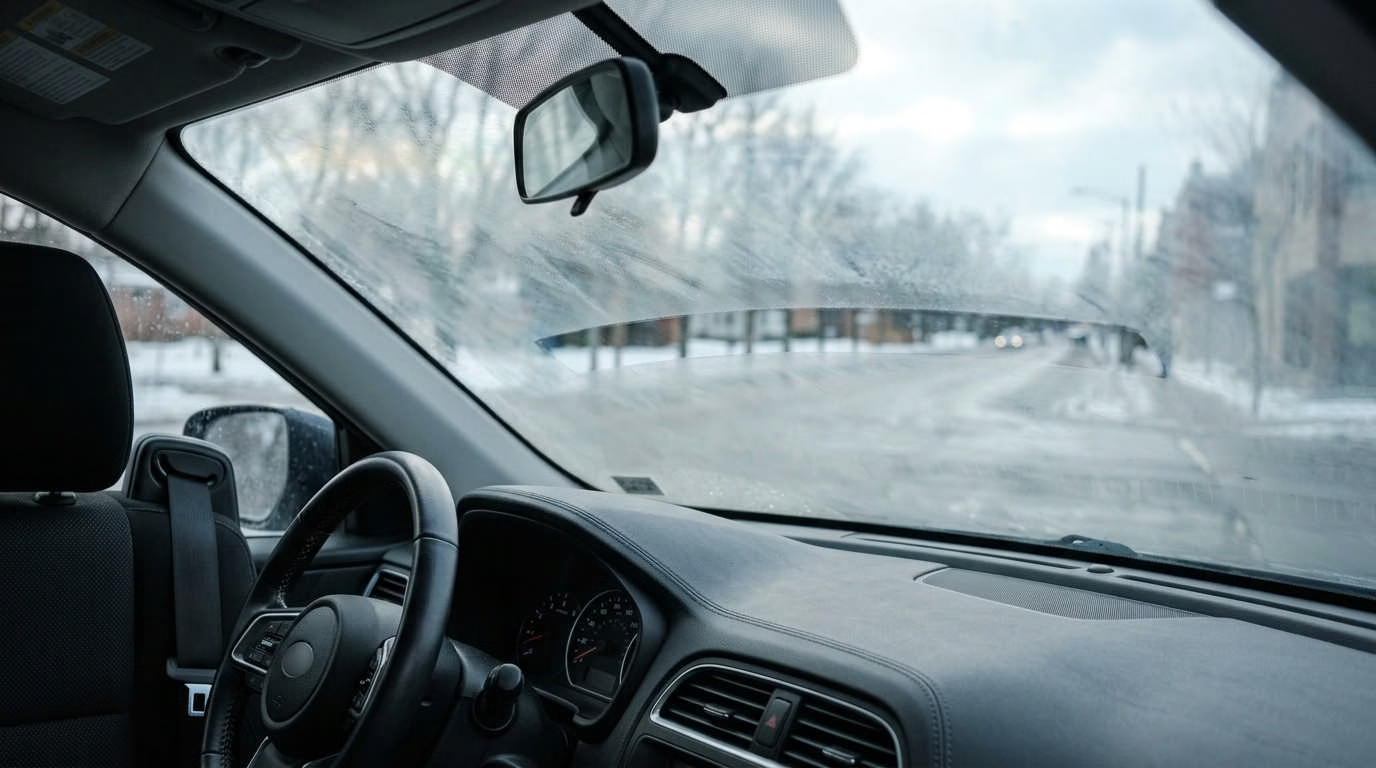
Why vape residue can be difficult to clean
VG and PG are common parts of e-liquid. In-car vaping can leave a film that becomes more visible over time.
Cold weather may make the problem seem worse. Users often notice more haze during winter, when windows stay closed and glass stays cool.
Still, do not assume every cloudy windshield in a vaper’s car is pure VG. The film may also contain:
- Dust
- Skin oils
- Cleaner residue
- Dashboard emissions
- Interior dressing
- Moisture
- E-liquid flavoring residue
This mixed film helps explain why one cleaner may work in one car but fail in another.
Strongest products from the researched list
1. Dooka GLASS VG
Dooka has the strongest mix of product focus and relevant user support. It is the clearest choice for regular vape-film cleaning.
2. Power Maxed VG Glass Cleaner
Power Maxed is another direct match. It may suit UK drivers who want a ready-to-use VG formula.
3. McKee’s 37 2020 Cockpit Glass Cleaner
Choose McKee’s 37 when the film has become thick or bonded. Its cream-like method adds more cleaning action.
4. CARPRO Eraser
Eraser may suit film that looks greasy or oily. Use it as a first step, then finish with a standard glass cleaner.
Check tint compatibility first.
5. Stoner Invisible Glass
Invisible Glass is easy to find. It often suits mild vape film and regular upkeep.
It may not be strong enough for severe high-VG buildup.
What user experiences suggest works
A two-stage process often works better than one heavy spray.
- Wipe the glass with a clean, slightly damp towel.
- Remove as much surface film as possible.
- Apply the chosen cleaner to a fresh towel.
- Work in small sections.
- Buff with a separate dry towel.
- Replace any towel that starts smearing.
- Repeat the full process if needed.
This approach removes the thick layer first. The glass cleaner can then work on what remains.
What to avoid
- Do not soak the windshield.
- Do not use one towel for the whole car.
- Do not spray strong cleaner over your dashboard.
- Do not mix cleaning chemicals.
- Do not use abrasive foam on applied tint.
- Do not clean hot glass in direct sun.
- Do not keep adding cleaner to a dirty towel.
How to Remove Vape Film From Car Windows
The method below reflects common detailing practices and repeated user reports. It is not a controlled test of every e-liquid or tint film.
1. Prepare the vehicle and glass
Park in the shade. Let the glass cool before you start.
Open the doors or windows for fresh air. Place a clean towel across the dashboard to catch drips.
Gather at least three towels:
- One for the first damp wipe
- One for the chosen cleaner
- One for the final dry buff
Check the cleaner label before using it on tint.
2. Remove loose dust and the top layer of film
Start with a clean, slightly damp microfiber towel. Wipe the glass in small sections.
For heavy film, use a correctly mixed automotive rinseless wash. ONR is one example.
The towel should be damp, not dripping. Replace it once it starts spreading dirt.
3. Apply the selected cleaner to the towel
Spray the cleaner onto a fresh towel. This gives you more control and protects the dashboard.
Choose the cleaner based on the film:
- Dooka for repeat VG buildup
- Power Maxed for a ready-to-use vape cleaner
- McKee’s 37 for severe bonded film
- CARPRO Eraser for obvious oily residue
- Invisible Glass for mild film and upkeep
Follow the product’s own directions. Cream cleansers need a different process from sprays.
4. Agitate stubborn areas
Use firm, even pressure. Work in overlapping passes.
Do not scrub one spot with heavy force. That can harm tint, printed areas, or coatings.
If the product needs time to dry, allow it. Do not rush the buffing step.
5. Perform the final wipe
Take a clean, dry glass towel. Buff the section until it looks clear.
The final towel should stay dry. If it becomes damp, replace it.
A wet cleaning towel cannot give you a clean final finish.
6. Inspect under revealing light
Look through the glass from several angles. Check it in low sun if you can do so safely.
A small inspection light also works. Aim it across the glass rather than straight at it.
This low angle reveals thin smears that overhead light can hide.
7. Repeat if necessary
Heavy vape film may need a second round. Use fresh towels each time.
Do not pour more cleaner onto the dirty towel. That often spreads the residue again.
If the film returns in days, clean nearby hard surfaces. Better cabin airflow may also slow future buildup.
Best Cleaner for Cigarette Film on Car Windows
Smoker film can form on every interior window. It may look yellow, gray, oily, or cloudy.
The buildup often becomes most visible at night. Low sun and headlights can make glare much worse.
What users mean by smoker film
“Smoker film” is a broad term. It describes residue linked to cigarette smoke inside a vehicle.
The visible layer may also contain:
- Dust
- Plastic fogging
- Skin oils
- Cleaner residue
- Interior product overspray
- General cabin dirt
For that reason, it is safer to call it smoker film. Calling it pure nicotine film makes a claim the visible deposit cannot prove.
Why it is difficult to remove
Smoker film can build for years. A small amount of cleaner may loosen it without lifting it.
The first towel can become dirty within a few passes. If you keep using it, the towel spreads the residue.
The rest of the cabin can also hold smoke deposits. Dirty seats, carpet, trim, and headliners may add residue back into the air.
Best researched choices
BLACKFIRE Glass Cleaner
BLACKFIRE is the strongest ready-to-use spray for this problem. It is aimed at oily smoker film and tinted automotive glass.
Autoglym Car Glass Polish
Autoglym is a better deep-cleaning choice for stubborn film. Use it only on suitable glass.
Do not apply it to aftermarket tint film.
McKee’s 37 2020 Cockpit Glass Cleaner
McKee’s 37 suits severe haze that needs more than a liquid spray. Its cleanser format can lift bonded residue.
Meguiar’s D120
D120 is ideal for frequent use. It also offers strong value for detailers or multi-car homes.
CARPRO Eraser
Eraser may help as the first step on greasy film. It should not be treated as safe for every tint without checking.
Evidence and limitations
These products have relevant smoker-film positioning or user support. None proves that it removes every chemical found in cigarette residue.
A severe smoker vehicle may need:
- A damp first wash
- Several cleaning towels
- More than one cleaner pass
- A deep cabin cleaning
- Vent and fabric care
Glass cleaning alone may not stop the film from returning.
Safety considerations
- Work with the doors open.
- Read the product label.
- Protect the dashboard and screens.
- Keep cleaner away from damaged tint edges.
- Wear gloves if the label calls for them.
- Never mix cleaning chemicals.
- Stop if the glass or tint changes in appearance.
How to Remove Smoker Film From the Inside of a Windshield
1. Ventilate and protect the interior
Park in a shaded space. Open the doors for airflow.
Cover the dashboard with a clean towel. Check whether the windshield has applied tint or a clear film.
This affects which cleaner you can safely use.
2. Remove the heaviest contamination first
Use a damp microfiber towel or correctly mixed rinseless wash.
Clean a small section at a time. Rotate the towel often.
A heavily smoked-in windshield may need several towels. Do not force one towel to handle the whole job.
3. Choose the main cleaner
Your product should match the glass and film level.
- Use BLACKFIRE for a simple smoker-film spray.
- Use Meguiar’s D120 for frequent or large jobs.
- Use McKee’s 37 for severe bonded haze.
- Use Autoglym for deep cleaning on suitable untinted glass.
- Use an oil remover only when the film is clearly greasy.
Follow the label. Do not mix products in the same bottle or on the same wet towel.
4. Clean the corners and lower edge
The bottom edge often holds the most film. It is also hard to reach.
Wrap a clean towel around a windshield cleaning tool if needed. A flat tool can help you reach behind a steep dashboard.
Keep the tool clean. Avoid pressing hard near sensors, tint edges, cameras, or printed areas.
5. Buff with a separate dry towel
Use a fresh towel for the final buff. Work until no damp lines remain.
Check the glass under low-angle light. If the towel picks up more residue, repeat the cleaning step.
6. Clean the surrounding cabin
Wipe hard cabin surfaces with a suitable interior cleaner. Follow the product instructions for each material.
Seats, carpet, and headliners may need separate care. Headliners can be delicate, so avoid soaking them.
Cleaning the whole cabin helps reduce redeposited residue. It cannot guarantee the film will never return.
Why Does Film Build Up on the Inside of Car Windows?
Interior film often has more than one cause. Its look alone may not tell you exactly what it contains.
The clues below can help you choose a cleaning method.
| Likely Cause | Common Clue | Product Direction |
|---|---|---|
| General off-gassing | Film returns slowly, often in a new or hot car | Oil remover or glass cleanser |
| Vape residue | Oily haze that may worsen in cool weather | VG cleaner or two-stage cleaning |
| Cigarette smoke | Oily or discolored haze across a smoker vehicle | Smoker-film spray or glass polish |
| Cleaner residue | Streaks follow your wiping pattern | Less product and a dry towel |
| Dashboard dressing | Film appears after the dash was treated | Oil-removing first step |
| Possible vehicle issue | Fast fogging, dampness, or an odd smell | Inspect the vehicle instead of adding cleaner |
Vape residue
In-car vaping is often linked to an oily windshield film. VG and PG may play a role.
The exact deposit can vary. E-liquid type, airflow, heat, dust, and cleaning habits may change the buildup.
A vape-specific cleaner is the most direct choice. Heavy film may still need a damp first wipe.
Cigarette smoke
Cigarette smoke can leave a hard-to-remove layer on glass. The film may spread across every interior window.
Older smoker vehicles often need more than one pass. Cleaning the rest of the interior may also reduce repeat buildup.
Dashboard and plastic off-gassing
Interior plastics can release compounds over time. Heat may make the effect more noticeable.
These compounds can settle on the cool windshield. New vehicles often show this as a light but greasy haze.
Dashboard dressings can create a similar problem. Heavy use near the windshield may leave oily overspray.
Dust and airborne contamination
Dust enters through open windows and vents. It also moves around as people enter the car.
Dust can stick to oily film. This creates a thicker layer that looks worse under low light.
A damp first wipe often helps when dust and grease have mixed.
Fingerprints and skin oils
Skin oils mainly affect side windows and areas close to mounts or stickers.
These marks are often easier to remove than smoke or vape film. A standard automotive glass cleaner should be enough.
Use a dry finishing towel to prevent smears.
Improper products and overspray
Some interior products leave shine or protection behind. That may suit a dashboard but not glass.
Overspray can reach the windshield. All-purpose cleaners may also leave residue if they are not removed.
Use glass-specific products near windows. Apply dashboard products to an applicator instead of spraying them inside the car.
Residue from previous cleaning
The cleaner may be part of the problem.
Common causes include:
- Too much product
- A towel used for wax
- Fabric softener on microfiber
- Detergent left in the towel
- Skipping the dry buff
- Working on hot glass
- Using one towel for every window
Wash glass towels apart from oily detailing towels when possible.
Why Your Windshield Still Looks Hazy After Cleaning
A windshield can look clean in the garage but hazy on the road. This does not always mean the product failed.
The issue may come from the method, towel, or a problem below the surface.
The cleaner loosened the film but did not remove it
Glass cleaner can break up oily film. The towel then needs to absorb that film.
Once the towel becomes loaded, it stops lifting dirt. It begins moving it around.
Start again with a damp first wipe. Then use a fresh towel with your cleaner.
The microfiber towel was already contaminated
A towel can look clean but still hold wax, polish, or fabric softener.
These products may transfer to the glass. They then form thin smears that appear under bright light.
Keep a set of towels for glass only. Replace any towel that leaves lint or streaks.
Too much product was applied
More cleaner creates more liquid to remove. It can also flood the corners and lower edge.
Start with one or two light sprays on the towel. Add more only if the section dries before it is clean.
Foaming products need the same care. A thick layer is rarely helpful.
The final dry wipe was skipped
The first towel does the cleaning. The second towel removes damp residue.
Heavy jobs may need a third towel for the final buff.
Do not wait until the first towel becomes soaked. Change it before smearing starts.
The film is returning from other interior surfaces
Glass may become dirty again if the rest of the cabin remains coated.
This is common in smoker vehicles. It can also happen after heavy use of interior dressings.
Clean nearby hard surfaces. Seek specialist help for heavily contaminated fabrics or headliners.
The problem may not be ordinary surface film
Stop adding cleaner if repeated cleaning makes no change.
The issue may be:
- Scratched glass
- Pitting on the outside
- Aging tint film
- Damaged tint adhesive
- Haze inside laminated glass
- A coating that has failed
- Moisture linked to a vehicle fault
Watch for damp carpet, a sweet smell, or fast unexplained fogging. These signs may call for vehicle inspection.
Do not diagnose a heater problem from haze alone. Several issues can create similar signs.
How to Clean the Inside of a Windshield Without Streaks
The product matters. Your method matters just as much.
Use this process for most light and moderate cleaning jobs.
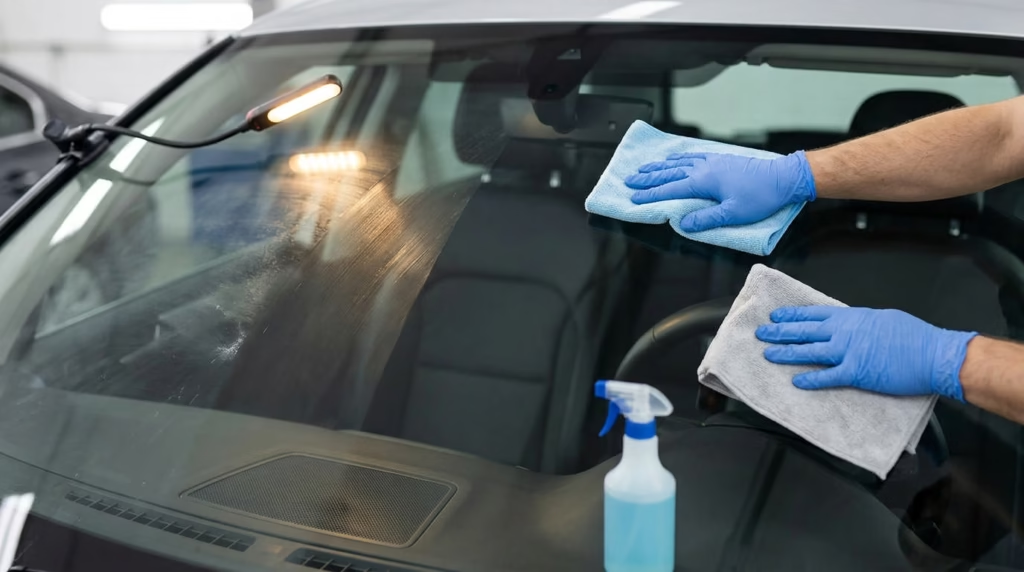
Start with cool glass
Park in shade. Let the windshield cool.
Cleaner can dry too fast on hot glass. This leaves less time to lift and remove film.
Use dedicated, clean towels
Keep glass towels away from:
- Wax
- Sealant
- Tire dressing
- Dashboard protectant
- Fabric softener
- Greasy cleaning products
A tight-weave glass towel often leaves less lint. A clean, low-pile microfiber can also work.
Use less cleaner
Spray the towel, not the whole windshield.
This helps prevent:
- Dashboard spots
- Wet trim
- Cleaner near displays
- Product pooling at the glass edge
- Excess streaking
A light coat is often enough.
Separate cleaning from buffing
Use at least two towels.
- Cleaning towel: Lifts dirt and film.
- Dry towel: Removes damp streaks.
Replace either towel once it becomes dirty or wet.
Use different wipe directions
Try horizontal strokes inside the glass. Use vertical strokes outside.
If you spot a streak, its direction tells you which side needs more work.
This is a simple checking method. It does not make the cleaner stronger.
Inspect from more than one angle
Look across the windshield, not just straight through it.
Use low sunlight or a small inspection light. Change your viewing angle several times.
Pay close attention to the lower corners. Residue often hides there.
Are Household Glass Cleaners Safe for Car Windows?
Some household glass cleaners can be used on some car windows. Others may not suit tint, trim, or coatings.
The exact formula matters more than the product category.
Automotive glass and household glass are not always equivalent
Bare glass may tolerate a wide range of cleaners. A vehicle adds other materials around that glass.
These may include:
- Applied tint film
- Leather
- Soft-touch plastic
- Display screens
- Sensors
- Adhesives
- Printed heater lines
- Glass coatings
A product that works on a house window may harm nearby car trim.
Ammonia considerations
Not every household glass cleaner contains ammonia. Check the label.
Applied tint makers often advise using an approved cleaner. Ammonia-free products are common choices.
Still, ammonia-free does not mean safe for every tint. Other solvents or cleaning agents may also affect film.
Applied tint versus factory-tinted glass
Factory tint is usually part of the glass. It does not sit on top as a separate film.
Aftermarket tint is applied to the inner surface. You are cleaning the film, not the glass below it.
Autoglym Car Glass Polish shows why this matters. It suits factory-tinted glass but not applied tint film.
Interior trim exposure
Spray household cleaner onto your towel. Do not mist the whole cabin.
This helps protect:
- Dashboard screens
- Leather trim
- Instrument covers
- Tint edges
- Camera housings
- Soft plastic
Clean any accidental drips at once.
When a household cleaner may be reasonable
A household formula may be acceptable when:
- It meets the tint maker’s rules
- The vehicle maker allows it
- It does not leave residue
- You apply it with care
- The glass has no special coating
An automotive glass cleaner is often easier to assess. Its label should offer clearer vehicle guidance.
How to Choose the Best Interior Car Glass Cleaner
The right choice depends on the residue, glass, and amount of work needed.
Do not start with brand fame. Start with the problem.
Match the product to the type of residue
General haze
Consider:
- Invisible Glass
- Sprayway
- Meguiar’s D120
These products suit regular cleaning and light to moderate film.
Greasy off-gassing
Consider CARPRO Eraser as the first step. Follow with a normal glass cleaner if needed.
Use it with care around trim and tint.
Severe bonded film
Choose:
- McKee’s 37 2020 Cockpit Glass Cleaner
- Autoglym Car Glass Polish
These products need more time but offer more cleaning action.
Vape or VG film
Choose:
- Dooka GLASS VG
- Power Maxed VG Glass Cleaner
For severe film, start with a damp cleaning pass.
Smoker film
Consider:
- BLACKFIRE Glass Cleaner
- McKee’s 37
- Autoglym Car Glass Polish
- Meguiar’s D120
The glass type may rule out some choices.
Consider the severity
Light film
Use a mild automotive glass spray and two towels.
Moderate oily film
Start with a damp wipe. Then use a stronger cleaner or residue-specific formula.
Heavy or neglected film
Use a multi-stage process. You may need a cream cleanser and several towels.
Heavy smoker contamination may also need full cabin cleaning.
Check the tint type
Ask these questions:
- Is the glass untinted?
- Is the color built into the glass?
- Is there applied tint film?
- Is there a clear protection film?
- Are you unsure?
If you are unsure, choose a product that clearly supports applied tint. Test a hidden edge first.
Choose the application method
Different formats suit different jobs.
- Aerosol foam: Clings to glass but can be overused
- Trigger spray: Quick and easy to control
- Concentrate: Best value for frequent use
- Cream cleanser: Better for stubborn bonded film
- Oil remover: Useful for greasy residue
- Rinseless wash: Good for the first cleaning stage
The strongest product is not always the best daily choice.
Think about cleaning frequency
A mild spray makes sense for weekly care. A deep glass cleanser suits rare restoration work.
If the film returns often, focus on its source. Better ventilation and cleaner interior surfaces may reduce buildup.
Compare value honestly
Bottle price does not tell the full story.
A concentrate may cost more at first but last for years. A specialist cleaner may cost more per ounce but save repeated work.
Also consider availability. A low-cost UK product may become expensive after overseas shipping.
Quick decision guide
- Do you have applied tint?
Remove any product without clear tint approval. - Is the film linked to vaping?
Start with Dooka or Power Maxed. - Is it linked to cigarette smoke?
Consider BLACKFIRE, McKee’s 37, Autoglym, or D120. - Does it look greasy?
Use an oil-removing first step. - Have normal sprays failed?
Move to a cream cleanser or two-stage method. - Is the film light and new?
Invisible Glass or Sprayway may be enough.
Frequently Asked Questions
What is the best automotive glass cleaner for inside film?
McKee’s 37 2020 Cockpit Glass Cleaner is the strongest overall pick for severe bonded haze. It uses a cleanser-and-buff process rather than a simple spray.
The right product still depends on the film. CARPRO Eraser suits greasy off-gassing. Dooka targets vape residue. BLACKFIRE is a better match for smoker film.
What removes vape film from car windows?
A dedicated VG cleaner is the most direct choice. Dooka GLASS VG has the strongest mix of relevant user support and product focus.
Power Maxed VG Glass Cleaner is another option. Heavy buildup may need a damp first wipe followed by a dedicated cleaner and dry buff.
How do you remove vape residue from a windshield?
Use this basic process:
- Park in shade and cool the glass.
- Wipe with a clean, slightly damp towel.
- Apply a compatible vape or glass cleaner to another towel.
- Work in small sections.
- Buff with a separate dry towel.
- Inspect under angled light.
- Repeat with fresh towels if needed.
Do not keep adding cleaner to a dirty towel.
What removes cigarette film from car windows?
BLACKFIRE is a strong ready-to-use option for smoker film. McKee’s 37 and Autoglym Car Glass Polish suit harder buildup.
Meguiar’s D120 offers better value for frequent work. Heavy smoker film may need several passes and a wider cabin clean.
Why does the inside of my windshield keep getting hazy?
Possible causes include:
- Dashboard off-gassing
- Vape residue
- Cigarette smoke
- Interior dressing
- Dust
- Skin oils
- Dirty towels
- Excess glass cleaner
Rapid fogging, dampness, or an odd smell may point to another issue. Have the vehicle checked if cleaning does not solve it.
How do you clean the inside of a windshield without streaks?
Use cool glass, clean towels, and less product. Spray the cleaner onto the towel instead of the windshield.
Use one towel to clean and another to dry. Replace either towel once it becomes wet or dirty.
Is Windex safe for car windows?
It depends on the exact Windex formula and your glass. Not every Windex product contains the same ingredients.
Check the label and tint maker’s care guide. For aftermarket film, use a product that clearly states it is safe for applied tint.
Can you use alcohol to clean the inside of a windshield?
Diluted isopropyl alcohol can cut oily film. Many drivers use it for tough haze.
However, alcohol may affect some plastics, coatings, adhesives, and tint films. Apply it to a towel, protect nearby surfaces, and check compatibility first.
Never mix alcohol with other cleaning products.
How often should you clean the inside of car windows?
Clean the glass when film starts to affect clarity. There is no fixed schedule for every car.
Vehicles exposed to vaping, smoking, or heavy interior product use may need more frequent care. A quick monthly check can help you catch film before it becomes thick.
Final Verdict: Choosing the Best Automotive Glass Cleaner for Inside Film
The best automotive glass cleaner for inside film is not always the most popular spray. It is the product that fits your residue, glass type, and film level.
Use these picks as a simple guide:
- Best overall specialist: McKee’s 37 2020 Cockpit Glass Cleaner
- Best for greasy off-gassing: CARPRO Eraser
- Best for vape and VG film: Dooka GLASS VG
- Best spray for smoker film: BLACKFIRE Glass Cleaner
- Best deep-cleaning polish: Autoglym Car Glass Polish
- Best professional value: Meguiar’s D120
- Best widely available upkeep cleaner: Invisible Glass
- Best budget foam: Sprayway
- Best first washing step: Optimum No Rinse V6
Start with the least aggressive product that fits your glass. Use fresh towels before you blame the cleaner.
If sprays keep smearing the film, add a damp first wash. Move to an oil remover or cream cleanser only when needed. If cleaning makes no difference, inspect the tint, coating, and glass for damage.