
It is a frustrating moment. You turn the key or press the start button, the lights come on, and then nothing happens. Or maybe you hear a click. Maybe the engine turns over but never fires up.
The good news is this: the problem is often easier to narrow down than it seems.
When a car won’t start but the lights come on, it usually points to one of a few common issues. The battery may be weak. The battery connections may be dirty or loose. The starter may be failing. A fuse, relay, or switch may also be at fault. If the engine cranks but does not start, the issue may be fuel, spark, or the anti-theft system.
This guide will help readers understand the most likely causes, what each symptom usually means, and which low-risk checks they can do before they call for help.
What It Means When a Car Won’t Start But the Lights Come On
This problem confuses many drivers for one simple reason. If the lights work, the battery must be fine, right?
Not always.
Lights, the radio, and dashboard screens use much less power than the starter motor. A battery can still power small items and still fail when it has to crank the engine. That is why a car may look alive but still refuse to start.
The exact symptom matters a lot here. A single click points in one direction. Rapid clicking points in another. A strong crank with no start means something else. Once you know the pattern, the problem gets easier to sort out.
🛞 Drive With Comfort & Style | Recommended Car Wheel Covers 🛞
Premium steering wheel covers – velvet, leather, ergonomic grip & lasting protection

Wheel Cover (Velvet)

Steering Wheel Cover

Wheel Cover

Wheel Cover
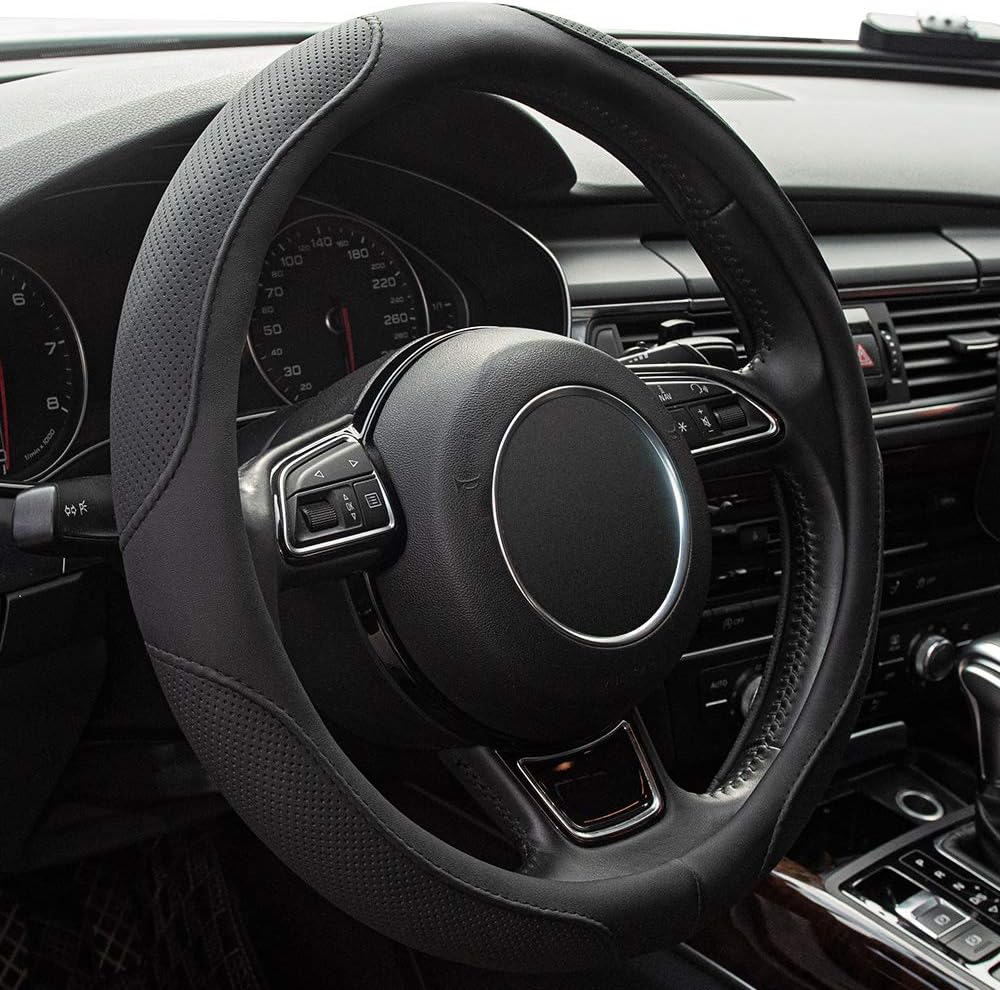
Steering Wheel Cover
First, Identify the Exact Symptom
Before anyone guesses, they should pay attention to what the car does when they try to start it. Small details matter.
The Engine Does Nothing at All
The dashboard lights come on. The radio works. But when the driver tries to start the car, there is no crank and no sound.
This often points to a start signal problem. A bad ignition switch, a relay issue, a gear position switch problem, or a security system fault can all cause this.
There Is One Click
A single click often points to the starter or a power delivery issue. The car is trying to send power to the starter, but the engine does not turn.
This can also happen with a weak battery or poor battery cable contact.
There Is Rapid Clicking
Rapid clicking usually points to low battery power or a weak connection. The system tries to engage, loses power, then tries again. That quick cycle creates the clicking sound.
The Engine Cranks but Will Not Start
If the engine turns over but never fires up, the issue is often not the battery or starter. It is usually fuel, spark, a sensor issue, or the anti-theft system blocking the start.
It Starts With a Jump but Fails Again Later
This usually points to a weak battery, a charging issue, or a drain that keeps pulling power when the car is off.
The Most Common Reasons This Happens
Let’s walk through the most likely causes in a simple way.
Weak or Partly Drained Battery
This is one of the top causes. The battery may still have enough power for lights and screens, but not enough power to crank the engine.
A weak battery often shows up with slow cranking, clicking sounds, or lights that dim when the driver tries to start the car. Cold weather, old age, and short trips make this more likely.
If the car starts after a jump, the battery should move high on the suspect list.
Loose or Corroded Battery Connections
Sometimes the battery itself is fine, but the connection is not. If the terminals are dirty, loose, or crusted with corrosion, the current may not reach the starter the way it should.
This can cause odd symptoms. The lights may work. The horn may work. But the engine still does not crank.
Bad Starter Motor
The starter motor is the part that turns the engine when the driver starts the car. If it begins to fail, the car may click once and do nothing. It may also start one day and fail the next.
Many failing starters act up without much warning. Some get worse over time. Others seem random at first.
Faulty Starter Relay or Solenoid
The relay and solenoid help send power to the starter. If either one fails, the car may act like it is trying to start without actually turning the engine.
This problem can look a lot like a bad starter or weak battery, which is why the symptom alone does not always tell the whole story.
Ignition Switch Trouble
The ignition switch sends the signal that tells the car to start. If it fails, the car may power the lights and accessories but never send the command to crank the engine.
This is one reason why a car can look normal inside and still refuse to start.
Gear Position or Clutch Switch Issue
Automatic cars need to know they are in Park or Neutral before they start. Manual cars depend on a clutch safety switch. If the system does not get that signal, the engine may not crank at all.
A small fault here can make the car seem dead even when the battery is not the problem.
Blown Fuse
A blown fuse can interrupt the start circuit, fuel system, ignition system, or another key part. Fuses are easy to overlook because they are small and hidden.
A bad fuse may also point to a deeper electrical problem, especially if the replacement blows again.
Bad Ground or Main Electrical Connection
Cars need strong ground connections to complete the electrical path. If one of those connections is loose or damaged, the starter may not get the power it needs.
This can create symptoms that feel random. The lights may work, but the car still will not start.
Anti-Theft or Immobilizer Problem
Modern cars often use a chip in the key or fob. If the car does not recognize it, the start may be blocked. In some vehicles, the engine will not crank. In others, it will crank but not fire up.
A flashing security light on the dashboard is a clue here.
Charging System Trouble
The alternator does not usually stop the car from cranking in the same moment. But if it has not been charging the battery well, the battery may be too weak by the time the driver tries to restart the car.
This often shows up after the car was driven recently, parked, and then would not start again.
Fuel Delivery Problem
If the engine cranks but does not start, fuel becomes a major suspect. The car needs air, fuel, and spark. If fuel is missing, it may crank strongly but never fire.
A failing fuel pump, a relay issue, or even very low fuel can lead to this.
Spark or Sensor Problem
If the engine turns over but will not start, the ignition side may be at fault. Bad spark plugs, failing coils, or sensor issues can all stop the engine from firing up.
This often comes with rough running, stalling, or hard starts before the total no-start happens.
A Quick Troubleshooting Checklist
Many readers want a fast answer first. This short checklist helps them focus.
Safe Checks to Try First
1. Look at the headlights
If they are very dim or fade hard during start, the battery may be weak.
2. Listen carefully
No sound, one click, rapid clicks, or steady cranking all point to different causes.
3. Check the dashboard for a security light
A flashing key or lock symbol may mean the anti-theft system is blocking the start.
4. Think about what happened before the failure
Did the car start slowly for days? Did it need a jump recently? Did it stall? Those clues matter.
5. Check the fuel level
A bad fuel gauge can fool people. If the engine cranks but will not start, low fuel is worth ruling out.
6. Try the spare key if one is available
If the main key or fob is not recognized, the spare may work.
7. Notice if the car recently needed a jump
That often points to battery or charging trouble, not just a random one-time glitch.
Extended DIY Troubleshooting Guide
This section is best for readers who want to narrow down the problem on their own. These are low-risk checks only. If there is smoke, heat, a burning smell, leaking fluid, or exposed wiring, stop and get professional help right away.
Start With the Battery Clues
A weak battery is still the most common place to start. Even when the lights come on, the battery may not have enough strength to turn the engine.
Readers should watch what happens to the lights when they try to start the car. If the lights dip hard, flicker, or fade, battery weakness becomes more likely. If the car clicks rapidly, that also points in the same direction.
If the car starts after a jump and then fails again later, the battery may be worn out or the charging system may not be keeping up.
Check for Obvious Battery Terminal Problems
A quick visual check can help. If there is heavy white, blue, or green buildup around the battery terminals, power flow may be poor. If a terminal looks loose or damaged, that can also block the high current the starter needs.
This is a good point to pause and avoid hands-on repair if the reader is not comfortable around electrical parts. The blog can guide them to note what they see and share it with a mechanic or roadside service.
Pay Attention to the Sound Pattern
Sound is one of the best clues.
One click often points to the starter or a strong power delivery problem. Rapid clicking often points to low battery power. No click at all can point to the ignition switch, a relay, a fuse, the gear position switch, or the anti-theft system.
If the engine cranks at normal speed but never starts, that shifts the focus away from the starter and more toward fuel, spark, or sensors.
Think About Recent Warning Signs
Cars often give hints before they stop starting. A slow crank in the morning. A dashboard battery light that came on last week. An engine that stalled at a stop. A key fob that only worked sometimes.
These signs help narrow the cause faster than guessing.
Consider a Park or Neutral Issue
If an automatic car refuses to crank, the gear position switch may not be reading Park the right way. If the car has a history of needing the shifter moved around before it starts, this is a strong clue.
For manual cars, a clutch switch issue can cause the same kind of no-crank problem.
Separate “No Crank” From “Crank but No Start”
This is the most important split in the whole diagnosis.
If the engine does not turn at all, think battery, cables, starter, switch, relay, fuse, gear position, or security system.
If the engine turns over but never fires, think fuel, spark, sensors, or immobilizer problems.
That one distinction saves a lot of wasted time.
What the Symptoms Usually Mean
Readers love quick answers. This section gives them clear, plain-language guidance.
Lights Are Bright but There Is Only One Click
The battery may still be weak, but the starter becomes a major suspect here. Loose battery connections can also cause this.
Lights Dim a Lot When the Driver Tries to Start
This often points to low battery strength or poor battery cable contact.
Dash Lights Work but There Is No Crank and No Click
This often points to the ignition switch, start relay, fuse, gear position switch, clutch switch, or security system.
Engine Cranks Strongly but Will Not Fire
This usually points to fuel, spark, sensor, or anti-theft issues.
The Car Starts With a Jump but Dies Again Later
This often points to a weak battery, a battery near the end of its life, or a charging issue.
Can a Driver Fix It Without a Mechanic?
Sometimes yes. Often no. The smart move is to split the problem into two groups.
Problems That Are Sometimes Simple
A drained battery, a loose terminal, a bad key fob battery, or a temporary anti-theft hiccup can sometimes be resolved without major repair.
These are the cases where a quick check or roadside help may get the car going again.
Problems That Usually Need a Pro
Starter failure, alternator issues, relay faults, wiring problems, sensor faults, and fuel system problems usually need proper tools and testing.
This matters because guesswork gets expensive fast. A bad starter can look like a battery issue. A weak battery can look like a bad alternator. A sensor issue can look like a fuel problem. Swapping parts without testing often wastes money.
When It Is Time to Call a Mechanic
There are times when the best next step is simple. Stop troubleshooting and get help.
Call a mechanic or roadside service if:
- the car keeps needing a jump
- there is smoke, heat, or a burning smell
- the battery cables look damaged
- the starter clicks every time but the engine never turns
- the engine cranks but will not start after basic checks
- the security light keeps flashing
- the problem comes and goes for days
- the driver feels unsure around electrical parts
There is no prize for pushing through a risky repair in a parking lot.
How to Prevent This Problem in the Future
No car lasts forever, but a few habits help reduce surprise no-starts.
Watch for Early Warning Signs
A slow crank is not a small thing. It is often the first warning that the battery, starter, or charging system needs attention.
Replace an Aging Battery Before It Fails
Batteries weaken over time. If the battery is old and the car has been slow to start, waiting usually costs more stress later.
Keep the Key Fob in Good Shape
A weak fob battery can cause odd start issues in some vehicles. Replacing it early is cheap and easy.
Do Not Ignore Dashboard Warnings
A battery light, security warning, or check engine light can be the clue that prevents a breakdown later.
Keep Basic Emergency Help Handy
A charged phone, roadside assistance, and a trusted repair contact matter more than most people think. They turn a bad day into a manageable one.
Battery vs. Starter: How to Tell the Difference Fast
This is one of the most searched questions for a reason.
If the lights are weak, the clicks are rapid, or the car starts after a jump, the battery is more likely.
If the lights stay strong, there is a single click, and the car still will not crank, the starter becomes more likely.
If the car sometimes starts and sometimes does not, both are still possible. Intermittent failures can fool people. In that case, proper testing matters.
What Different Clicking Sounds Mean
A single click usually means the car tried to engage the starter but failed to crank the engine.
Rapid clicking usually means the system does not have enough power to keep the starter engaged.
No click at all often means the start signal never reached the starter in the first place.
That simple sound check helps readers move from panic to logic.
Frequently Asked Questions
Why won’t my car start if the battery is not fully dead?
Because the starter needs much more power than the lights or radio. A battery can still power small items and still fail under starting load.
Can a bad starter cause the lights to come on but the car not start?
Yes. A bad starter can leave the lights and dashboard working while the engine does nothing or only clicks once.
Why do the lights work but the engine won’t crank?
Common causes include a weak battery, dirty or loose battery connections, a bad starter, relay trouble, an ignition switch issue, or a security system fault.
Can a battery be too weak to start but still power the radio?
Yes. That is very common.
What does one click mean when I try to start the car?
One click often points to the starter, a weak battery under load, or poor connection at the battery or starter circuit.
Why does my car start with a jump but die later?
That often points to a battery that is not holding charge or a charging system issue.
Can a bad alternator cause this?
Yes, but usually in an indirect way. If the alternator has not been charging the battery, the battery may be too weak the next time the driver tries to start the car.
How do I know if it is the battery or the starter?
A jump-start result, the sound pattern, and how the lights behave during start all help. Rapid clicking and dim lights often point to the battery. A single click with strong lights often points to the starter.
Can low fuel cause a car to crank but not start?
Yes. If the engine turns over but never fires, low fuel or a fuel delivery issue is possible.
Is it safe to keep trying to start the car?
Not for long. Repeated attempts can drain the battery more, flood the engine in some cases, or overheat parts. A few checks are fine. Endless tries are not.
Final Thoughts
When a car won’t start but the lights come on, the problem is often smaller than it feels in the moment. The key is to avoid guessing.
First, notice what the car does. Does it click once? Click rapidly? Crank strongly? Do nothing at all? Those details matter more than most drivers realize.
From there, the likely causes get much easier to sort out. A weak battery, poor connection, bad starter, relay issue, switch fault, or security problem can all fit this symptom. If the engine cranks but will not start, fuel and spark move to the top of the list.
The best blog posts do not just explain the problem. They help readers feel calm and in control. This topic works well because it solves a real fear in a simple, useful way.