The cigarette lighter dash cam install works—but it looks messy.
Dangling cables, blocked sockets, and wires across the console ruin an otherwise clean interior.
Many drivers avoid hardwiring for valid reasons:
fear of fuse boxes, leased vehicles, rentals, or simply not wanting permanent modifications.
This guide covers the clean middle ground:
a factory-clean dash cam install without using the cigarette lighter and without hardwiring or fuse taps.
Why Cigarette Lighter Dash Cam Installs Look Bad
Cigarette lighter installs fail visually for predictable reasons:
- Loose wires hanging across the dash
- The 12V socket stays permanently occupied
- Cables interfere with shifters, climate controls, or storage
- The setup looks temporary, even if it works fine
This is not about skill or effort—it’s about cable routing limitations.
What “No Hardwiring” Actually Means
To be clear, no hardwiring means:
- No fuse taps
- No cutting factory wires
- No permanent modification
- Fully reversible removal
Everything in this guide can be undone without tools or damage—ideal for leased cars and rentals.
Stealth Power Options (No Fuse Taps)
OBD-II Power Cables
These plug into the diagnostic port under the dash.
Pros
- No fuse box access
- Clean, hidden power source
- Easy install and removal
Cons
- Port remains occupied
- Some vehicles delay power shutdown
Safe for most daily drivers when used with quality cables.
Mirror-Tap Adapters (Vehicle Dependent)
Mirror taps pull power from the rear-view mirror harness.
Pros
- Ultra-clean, factory look
- Zero visible wiring
Cons
- Not compatible with all vehicles
- Requires mirror power availability
Excellent when supported, but not universal.
Factory USB Ports
Some vehicles provide always-on or ignition-controlled USB power.
Pros
- No tools
- No wiring access
Cons
- Inconsistent voltage
- Many ports shut off unpredictably
Works best for front-only dash cams.
Power Method Comparison
Clean Cable Routing Techniques (Critical)
Clean power alone is not enough. Routing makes or breaks the install.
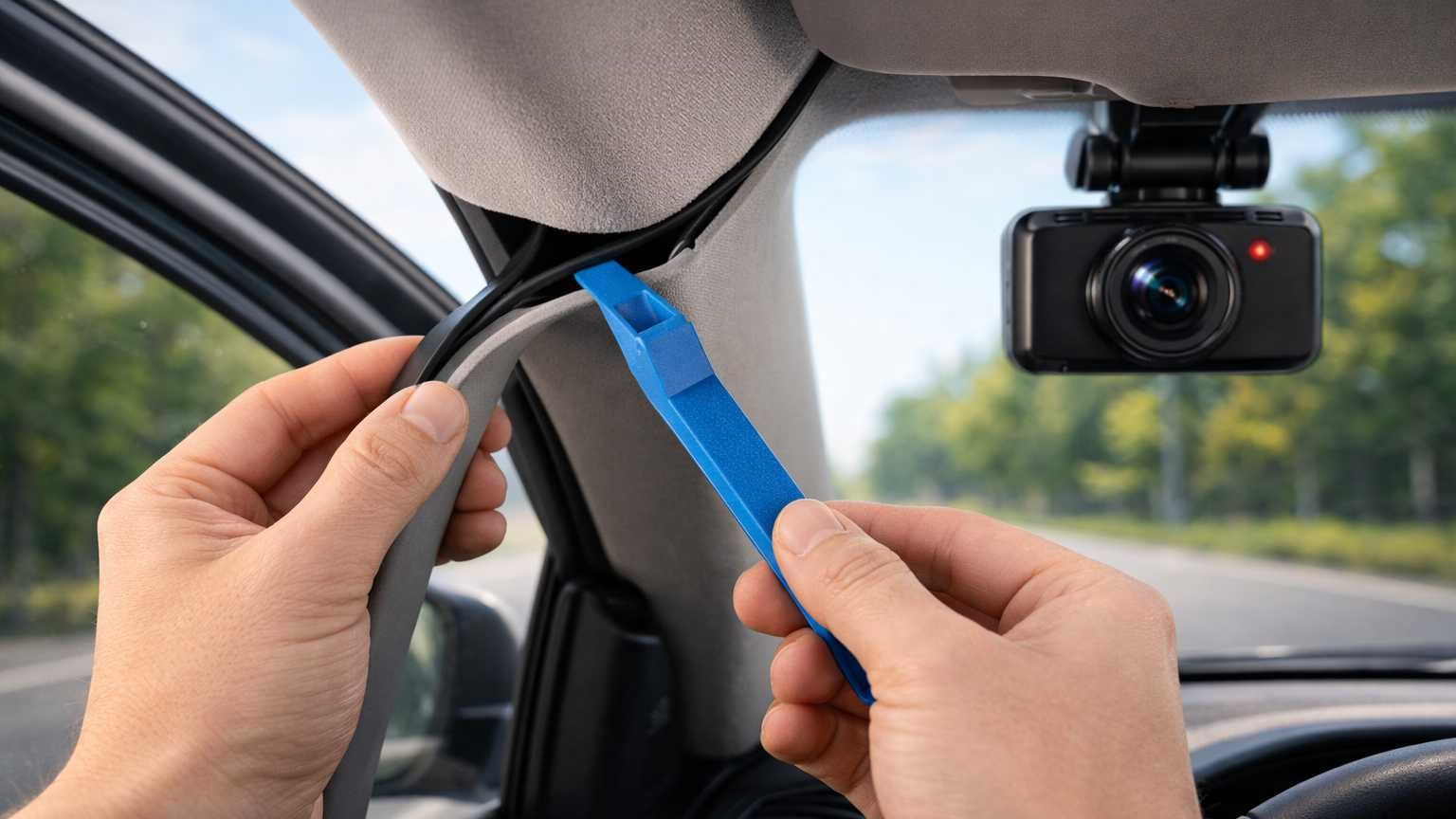
Headliner Tucking
- Gently push the cable into the headliner seam
- No glue or tape required
- Gravity holds it in place
This creates the illusion of no wire at all.
A-Pillar Routing (Airbag Safe)
- Route behind the trim, never over it
- Stay on the windshield side of the pillar
- Leave slack so airbags deploy unobstructed
Never route cables across airbag paths.
Door Trim & Weather Stripping
- Lift weather stripping slightly
- Press the cable underneath
- Re-seat the rubber trim
This hides long cable runs without clips.
Center Console Concealment
- Route downward behind dash gaps
- Enter the console from the rear or underside
- Avoid visible cable exits
Trim-Safe Tools & Materials
These keep the install reversible and damage-free:
- Plastic pry tools – prevent scratches
- Non-adhesive cable clips – no residue
- Right-angle connectors – reduce cable bulge
- Heat-resistant sleeves – protect cables near glass
Each tool exists to maintain a factory look, not speed.
Mounting Tricks That Don’t Look DIY
Clean wiring fails if the camera mount looks cheap.
- Mount behind the rear-view mirror
- Place high on the windshield
- Avoid suction cups when possible
- Route the cable upward, never downward
The goal is invisibility from the driver’s seat.
Limitations of Non-Hardwired Setups
Be realistic:
- Parking mode is limited or unavailable
- Power cuts when ignition turns off
- Some vehicles delay shutdown
This trade-off buys reversibility and simplicity—not maximum recording time.
Related Guides Worth Reading
If you later decide you want full parking mode without battery drain, our guide on how to hardwire a dash cam correctly explains safe alternatives to the cigarette lighter without damaging your vehicle.
For drivers concerned about overnight drain, our breakdown of dash cam parking mode voltage cut-off settings explains why many “clean installs” still kill batteries if voltage protection is ignored.
And if your goal is maximum stealth, our hidden OEM-look dash cam guide shows mounting styles that completely disappear behind the mirror.
Final Takeaway: Clean Doesn’t Mean Complicated
You do not need electrical skills to achieve clean dash cam wiring.
You need patience, safe routing, and the right power source.
- Renters: OBD-II or USB
- Leased vehicles: Mirror-tap if supported
- Beginners: Headliner tuck + trim routing
Do it once.
Do it cleanly.
And never let a dangling cable ruin your interior again.